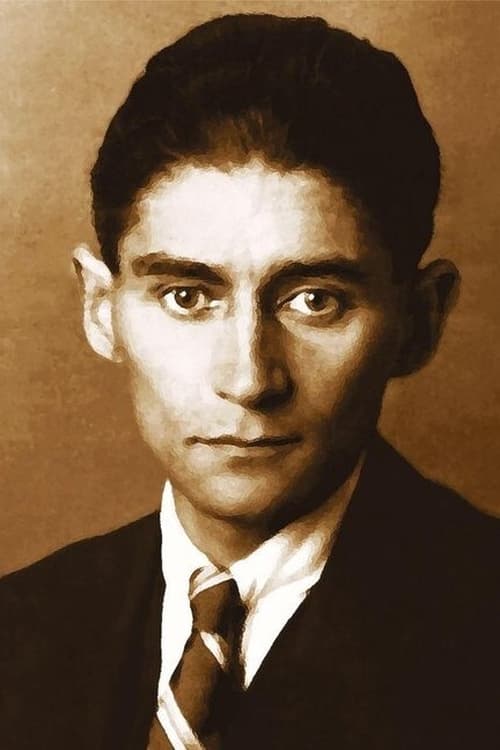
Franz Kafka
Writing
Biography
Franz Kafka was a German-speaking Jewish novelist and short story writer, widely regarded as one of the major figures of 20th-century literature. His work, which fuses elements of realism and the fantastic, typically features isolated protagonists faced by bizarre or surrealistic predicaments and incomprehensible social-bureaucratic powers, and has been interpreted as exploring themes of alienation, existential anxiety, guilt, and absurdity.
Known For

Series of single made-for-television dramas.
Screen Two

Theatre 625 is a British television drama anthology series, produced by the BBC and transmitted on BBC2 from 1964 to 1968. It was one of the first regular programmes in the line-up of the channel, and the title referred to its production and transmission being in the higher-definition 625-line format, which only BBC2 used at the time.
Theatre 625

Folio, a precursor to CBC's renowned fine-arts series Festival, aired for four years starting in 1956. The series showcased original dramas, music compositions, and ballets, many originating from diverse regions across Canada. Notable episodes featured Barry Morse in a new staging of MacBeth, along with performances by Canadian talents like Robert Goulet and Sharon Acker. One of the highlights included a musical adaptation of the beloved Canadian classic, Anne of Green Gables. Airing without sponsorship, Folio thrived until its conclusion in the fall of 1960. Producers: Robert Allen, Harvey Hart, David Greene, Mario Prizek and Ronald Weyman.
Folio

A series of dramas featuring staged theatre plays.
Theatre Night

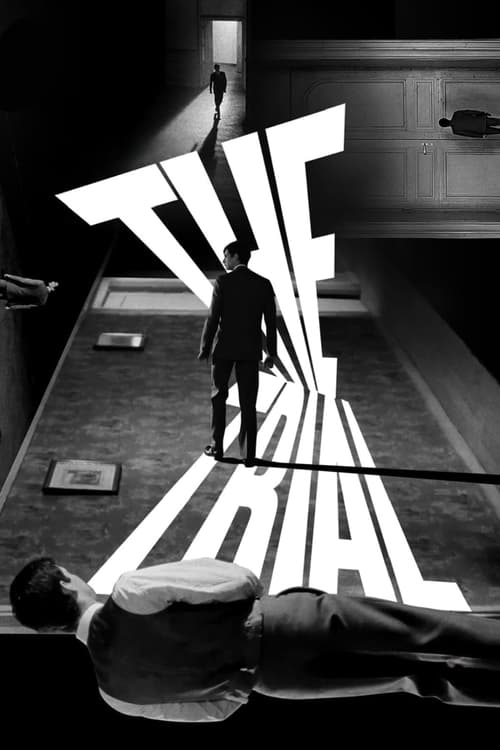
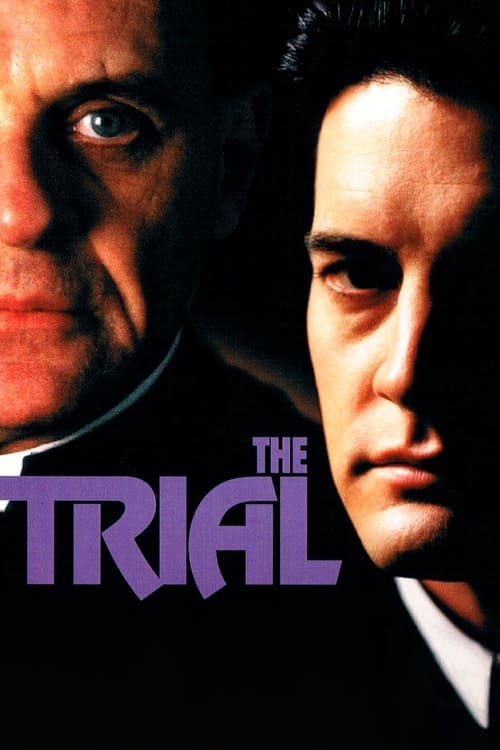
Arrested for an unnamed crime, Josef K. is trapped in a surreal bureaucratic maze where justice is unknowable and guilt is assumed.
The Trial

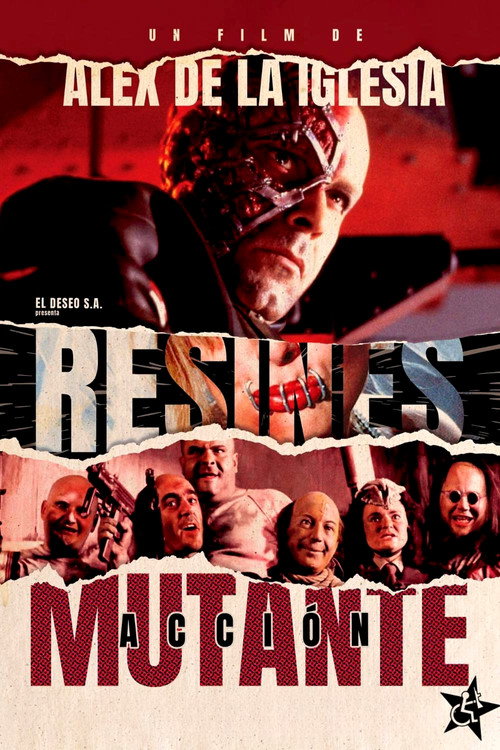
Waging war against all things glamorous and beautiful, crippled terrorists Acción Mutante plot a series of attacks on society's elite, and attempt the kidnapping of a wealthy socialite at her elaborate wedding reception.
Mutant Action

Joseph K. awakes one morning, to find two strange men in his room, telling him he has been arrested. Joseph is not told what he is charged with, and despite being "arrested," is allowed to remain free and go to work. But despite the strange nature of his arrest, Joseph soon learns that his trial, however odd, is very real, and tries desperately to spare himself from the court's judgement.
The Trial

When Gregório, a modest sales representative, mysteriously transforms into an insect, his social relationships and ties to the world begin to disintegrate. Tormented by incessant thoughts, he struggles to feel and remain human.
The Metamorphosis

Based on Franz Kafka's famous novel, director Jaakko Pakkasvirta created this interpretation of the woebegone Josef K., who is trapped in an ever-increasing labyrinth of double talk and bureaucratic nonsense in his efforts to reach the castle. As Josef seeks to make an appointment to see the ruler Herr Klamm inside his inaccessible abode, he becomes enmeshed in abuse from lowly villagers and bureaucrats alike. His endless false starts toward the castle's enigmatic interior are partly offset by a few sexual encounters but nothing alleviates his role as a victim of forces beyond his control.
Linna

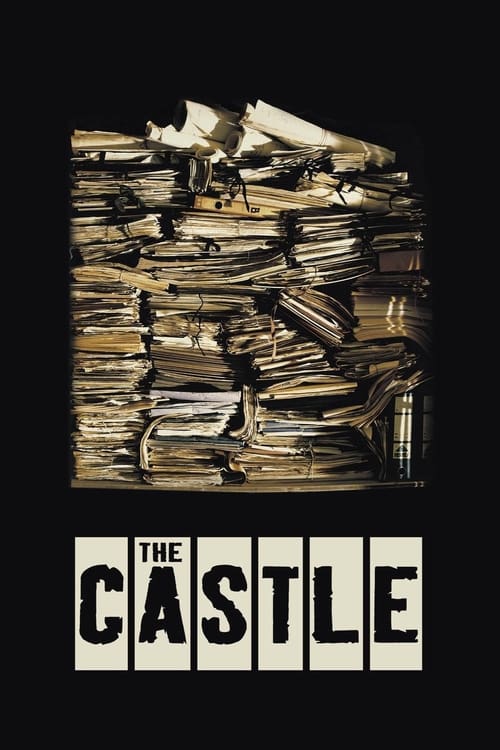
When land surveyor K arrives at a small village that houses a castle, local authorities refuse to allow him to enter. As he tries to convince the officials that they sent for him, they clamp down with increasingly complicated bureaucratic obstacles.
The Castle

A wordless man stages an unexplained hunger strike and the people surrounding him exploit his silence to further their own cause...
Artist of Fasting

Closely based on Franz Kafka's book "Das Schloß", the movie shares the same action on a land surveyor who is called to a village to do a job that no one seems to have ordered. Once there, he takes up the struggle against bureaucracy emanating from the castle.
The Castle

TV film of Steven Berkoff's stage adaption of Kafka's famous story in which a young man, who is the sole financial supporter of his family, awakes one morning in the form of a giant dung beetle and thereby becomes a nuisance to his family, who must now learn to rely upon themselves.
Metamorphosis

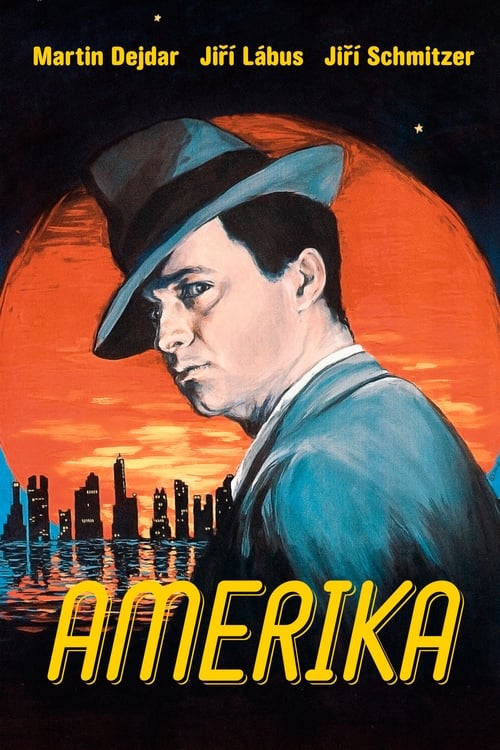
Vladimír Michálek chose an unconventional adaptation of Franz Kafka's novel for his feature debut. Artistically reminiscent of the classic films of Karel Zeman, the director reinterpreted this dark story of a man vainly seeking a place in a rigidly ordered society by changing the desperate conclusion into a happy end. The film provided Czech comedian Jirí Lábus with a new kind of role: that of the despotic uncle of a main hero Karel Rossman (Martin Dejdar).
Amerika

Based on Kafka's story of the same name, "The Metamorphosis" tells the story of a traveling salesman, Gregor Samsa, who wakes up one morning to find himself transformed into a gigantic insect.
Metamorphosis

A fragmented view of contemporary Spain, drawing conclusions about the persistence of the human condition, strangeness, and the chaos within relationships.
People in Places

A man comes to a small village to begin his new job as an attendant at the nearby castle. But everybody in the village claims that he surely must be mistaken, there is no need for an attendant at the castle.
The Castle

Gregor Samsa, a traveling salesman, wakes up in his bed to find himself transformed into a large insect. After the metamorphosis, he becomes confined to his room and neglected by his family.
Metamorphosis
Three stories. We see, but little is explained. In "The Married Couple," a salesman pays a call on an old customer who is with his wife in the upstairs bedroom of their ill adult son. Another salesman may beat him to the punch, but not before disorienting changes. A maid scrubs the floor. "In the Penal Colony": a man arrives at a penal colony where an officer demonstrates a bizarre apparatus, one that punches a message into the skin of a prisoner strapped beneath it. Who will be punished? In "Fratricide," a man is murdered at night by someone he knows well. A woman grieves.
K
Free adaptation based on Kafka's "The Metamorphosis". The action is in Praga occupied by Germans, at home of a Jew family (maybe the Kafka's). Novel's room of Gregor Samsa is replaced by an enormous library.