Directing
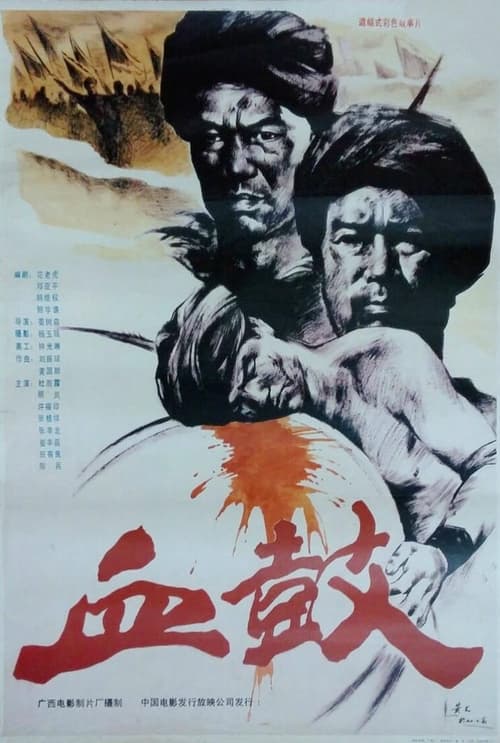
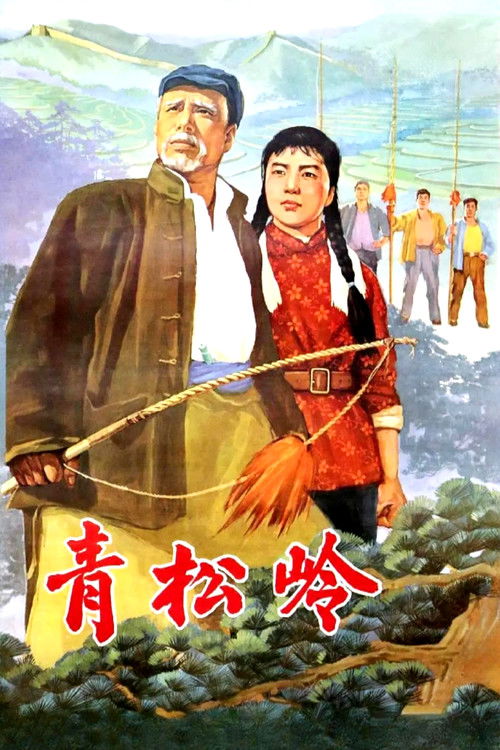
As the government imposes excessive taxes and their people are killed in the fields, the leaders of the Miao mountain tribes take a blood oath to ally against the Qing dynasty.
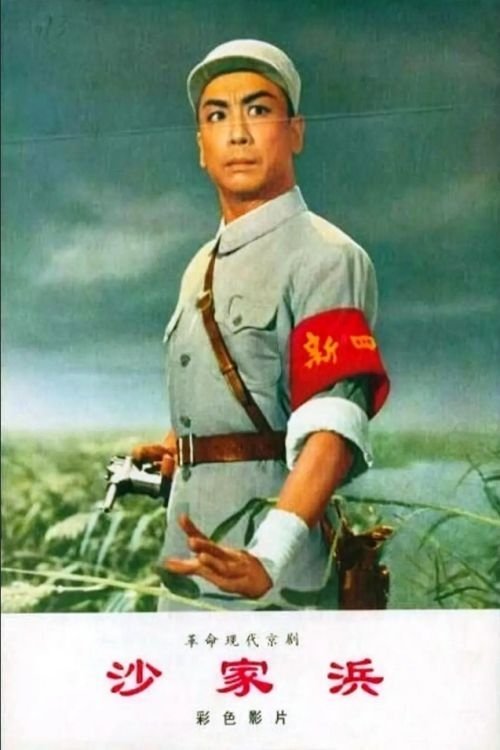
A Chinese film featuring the Beijing Opera Troupe. The story is set during the War of Resistance in Japanese-occupied territory to the west of Shanghai. Shajiabang is a small market town on the marshy reed-fringed shore of Lake Yangcheng where Aqing, who is secretly a Communist Party member, works in a small tea-house patronised by officers of the puppet "Loyal and Just National Salvation Army". Unbeknown to her patrons, Aqing is helping care for eighteen wounded soldiers of the New Fourth Army who are hiding in the marshes...
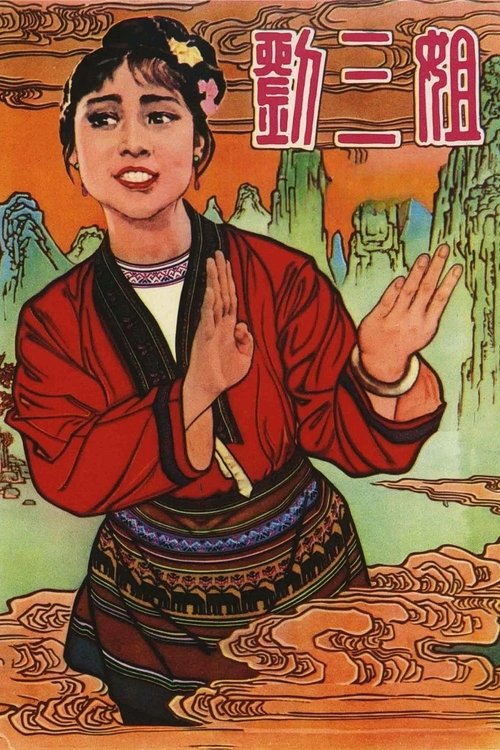
Liu Sanjie is a story that originates from the Zhuang minority people; the largest of the minority groups in China. It’s based on the legend of a woman called Liu Sanjie (literally meaning “third sister of Liu family”). Across generations, the story has become an oral tradition amongst these people and similar characters have even been found to exist in other minority cultures. According to legend, Liu Sanjie had the gift of a beautiful singing voice from a very early age. So beautiful was her voice, she could quell anger and raise the spirits of the people around her. The story became famous around China when the movie Liu Sanjie was released in 1960 – a rare musical production in Chinese cinema.
No description available.
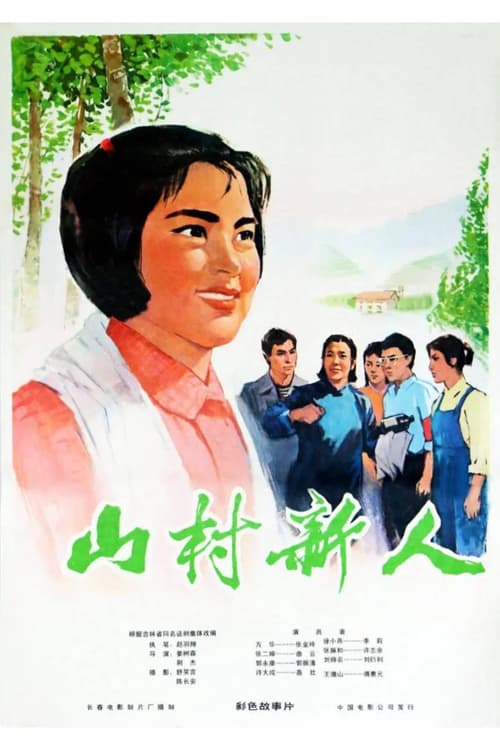
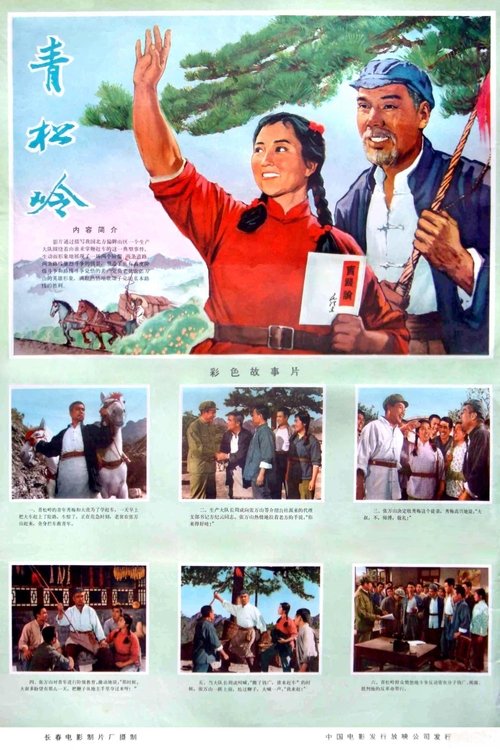
During the Cultural Revolution, a young student from Peking is sent to live and work in a mountain village, where she plays a leading role in community development.
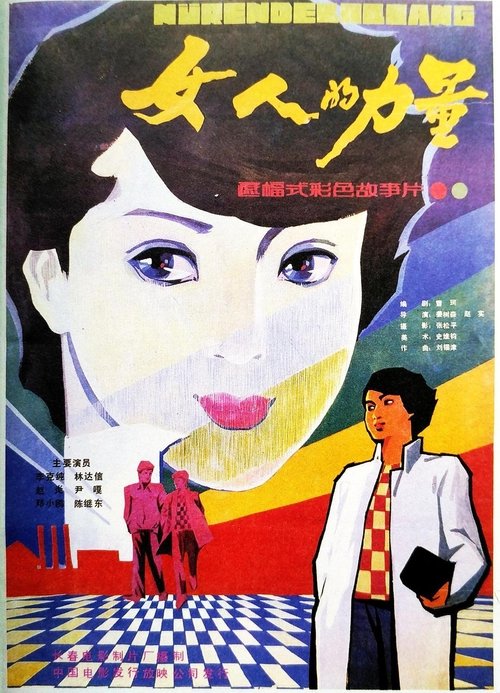
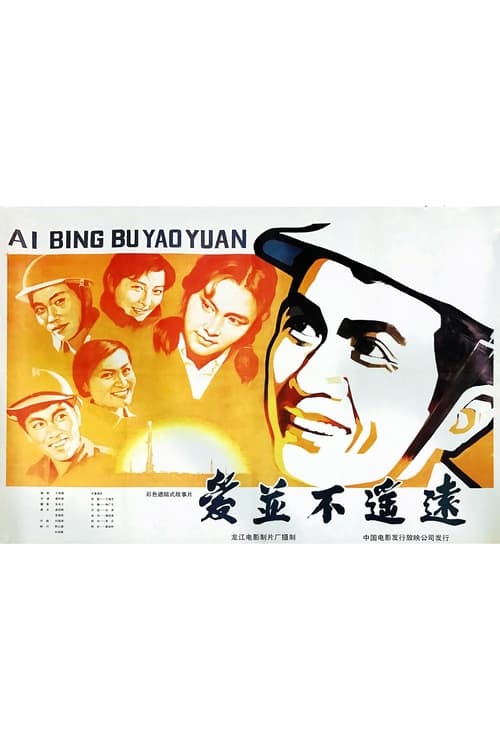
A 29-year-old assistant engineer is assigned the director of a failing synthetic fiber factory.
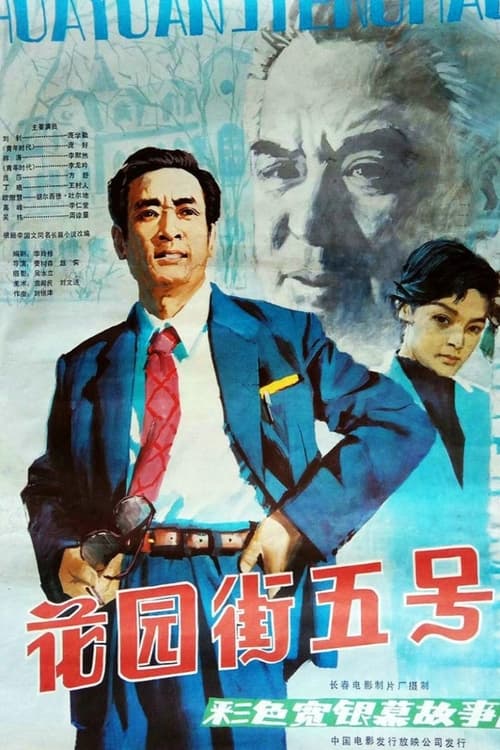
When the Cultural Revolution comes to an end and reform sweeps over China, two drivers of the Fifth Iron and Steel Factory set up a pancake stall in the free market in front of the factory, annoying the secretary of the Party Committee.