James Gleason
Acting
Biography
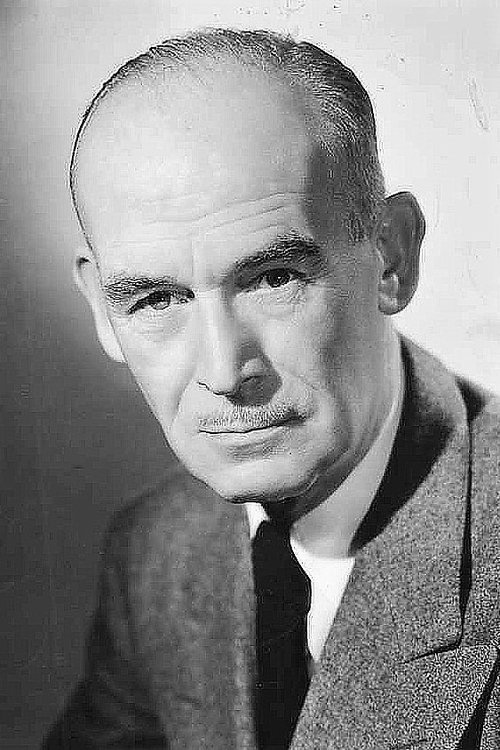
James Gleason was born in New York City to William Gleason and Mina Crolius, who were both in the theatre. He was married to Lucile Gleason (born Lucile Webster), and had a son, Russell Gleason. As a young man James fought in the Spanish-American War. After the war he joined the stock company at the Liberty Theater in Oakland, California, which his parents were running. James and his wife then moved to Portland, Oregon, where they played in stock at the Baker Theater. For several years afterward they toured in road shows until James enlisted in the army during World War I. When he returned he appeared on the stage in "The Five Million." He then turned to writing, including "Is Zat So", which he produced for the NY stage. He also wrote and acted in "The Fall Guy" and "The Shannons on Broadway." Next he wrote The Broadway Melody (1929) for MGM. He collaborated, in 1930, on The Swellhead (1930), Dumbbells in Ermine (1930), What a Widow! (1930), Rain or Shine (1930) and His First Command (1929). He and his wife were then contracted to Pathe, Lucille to act, and James (or Jimmie as he was known) as a writer. Probably his most famous acting role was as Max Corkle, the manager of Joe Pendleton who was wrongly plucked from this life into the next, in the hit fantasy Here Comes Mr. Jordan (1941).
Known For

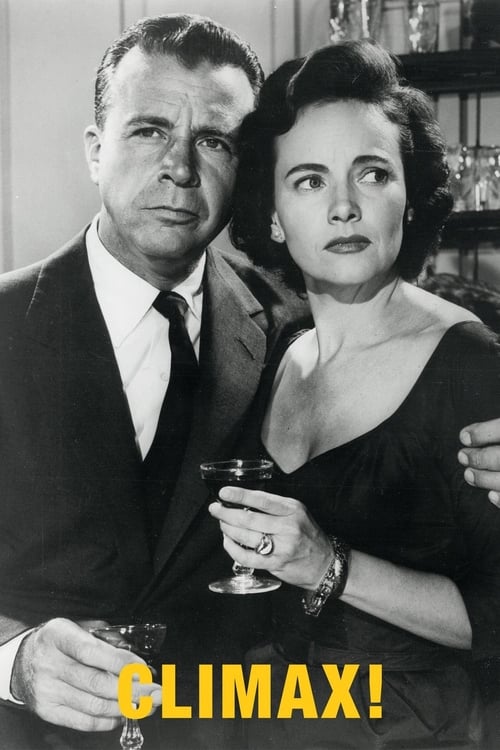
Climax! is an American anthology series that aired on CBS from 1954 to 1958. The series was hosted by William Lundigan and later co-hosted by Mary Costa. It was one of the few CBS programs of that era to be broadcast in color. Many of the episodes were performed and broadcast live.
Climax!

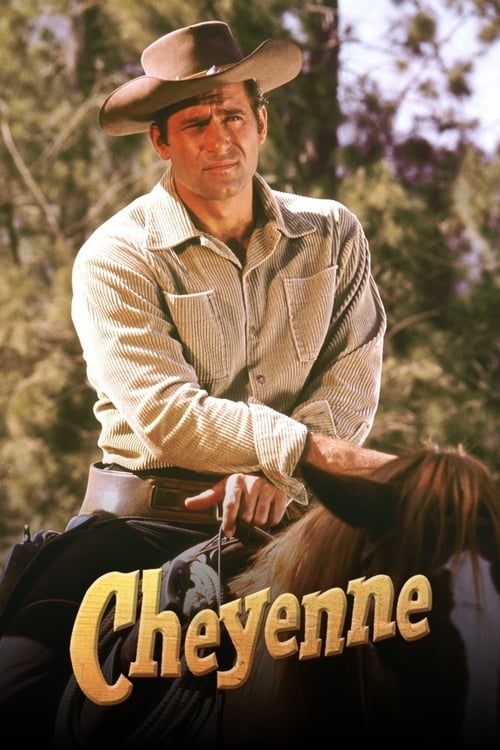
Cheyenne Bodie was a big man, a former army scout who went west after the American Civil War and drifted from job to job, here a cowboy, there a lawman, and always a larger-than-life hero. CHEYENNE is an American western television series of 108 black-and-white episodes broadcast on ABC from 1955 to 1963. The show was the first hour-long western, and in fact the first hour-long dramatic series of any kind, with continuing characters, to last more than one season. It was also the first series to be made by a major Hollywood film studio which did not derive from its established film properties, and the first of a long chain of Warner Brothers original series produced by William T. Orr.
Cheyenne

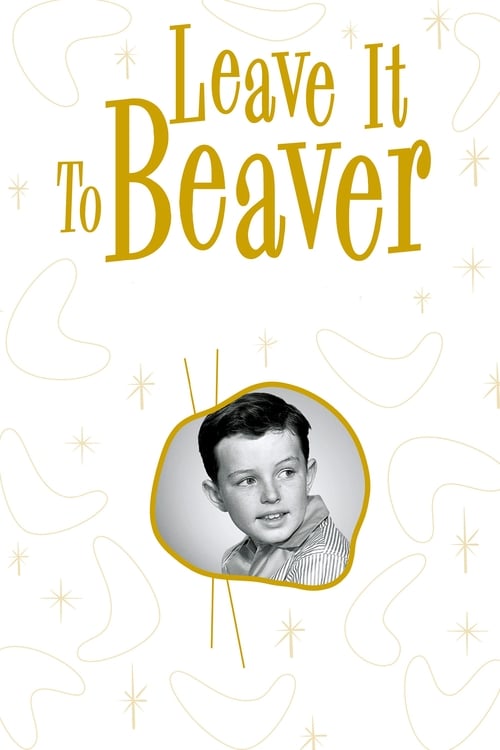
An inquisitive and often naïve boy, Theodore 'The Beaver' Cleaver, has adventures at home, in school, and around his suburban neighborhood. The show also starred Barbara Billingsley and Hugh Beaumont as Beaver's parents, June and Ward Cleaver, and Tony Dow as Beaver's brother Wally. The show has attained an iconic status in the US, with the Cleavers exemplifying the idealized suburban family of the mid-20th century.
Leave It to Beaver

The Colgate Comedy Hour is an American comedy-musical variety series that aired live on the NBC network from 1950 to 1955. The show starred many notable comedians and entertainers of the era, including Eddie Cantor, Dean Martin and Jerry Lewis, Fred Allen, Donald O'Connor, Bud Abbott and Lou Costello, Bob Hope, Jimmy Durante, Ray Bolger, Gordon MacRae, Ben Blue, Robert Paige, Tony Curtis, Burt Lancaster, Broadway dancer Wayne Lamb and Spike Jones and His City Slickers.
The Colgate Comedy Hour

A television anthology series hosted by Alfred Hitchcock featuring dramas, thrillers, and mysteries.
Alfred Hitchcock Presents

Cavalcade of America is an anthology drama series that was sponsored by the DuPont Company, although it occasionally presented a musical, such as an adaptation of Show Boat, and condensed biographies of popular composers. It was initially broadcast on radio from 1935 to 1953, and later on television from 1952 to 1957. Originally on CBS, the series pioneered the use of anthology drama for company audio advertising. Cavalcade of America documented historical events using stories of individual courage, initiative and achievement, often with feel-good dramatizations of the human spirit's triumph against all odds. This was consistent with DuPont's overall conservative philosophy and legacy as an American company dating back to 1802. The company's motto, "Maker of better things for better living through chemistry," was read at the beginning of each program, and the dramas emphasized humanitarian progress, particularly improvements in the lives of women, often through technological innovation.
Cavalcade of America

An anthology series that explored the ways sudden and unexpected wealth changed life for better or for worse. It told the stories of people who were given one million dollars from a benefactor who insisted they never know him, with one exception.
The Millionaire

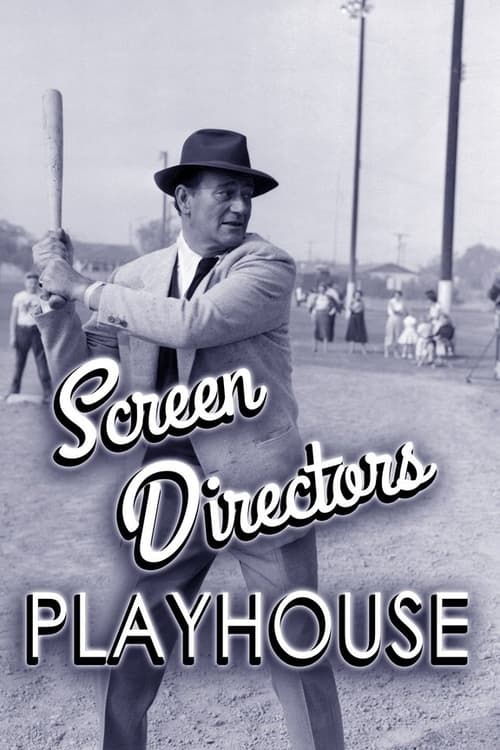
Presented by Eastman Kodak, this show was a series of original scripts directed by acclaimed directors and featuring well-known performers. The stories ranged from musicals to comedies and dramas.
Screen Director's Playhouse

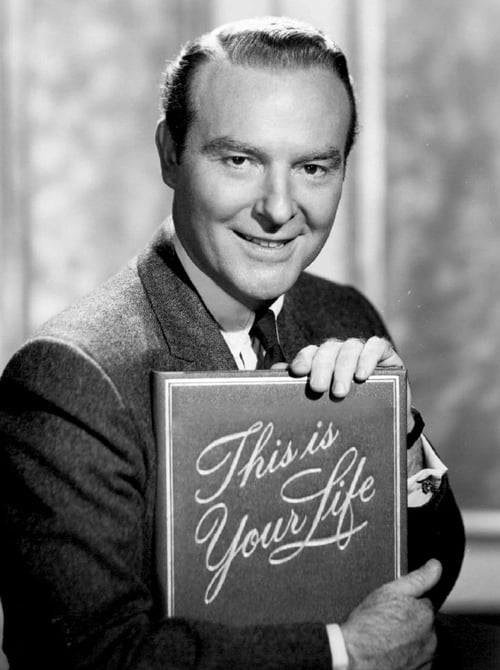
This Is Your Life is an American television documentary series broadcast on NBC, originally hosted by its producer, Ralph Edwards from 1952 to 1961. In the show, the host surprises a guest, and proceeds to take them through their life in front of an audience, including special guest appearances by colleagues, friends and family. Edwards revived the show in 1971-72, while Joseph Campanella hosted a version in 1983. Edwards returned for some specials in the late 1980s, before his death in 2005. The show originated as a radio show on NBC Radio airing from 1948 to 1952.
This Is Your Life

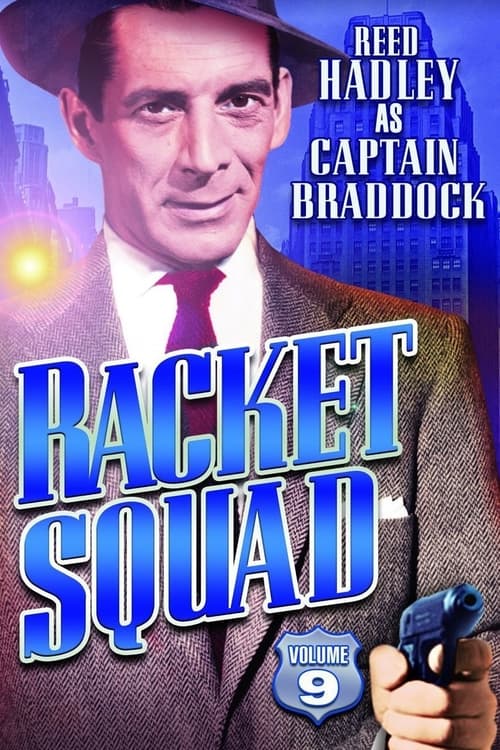
Racket Squad is an American TV crime drama series starring Reed Hadley as Captain John Braddock, a fictional detective working for the San Francisco, California Police Department. The show aired in syndication for a season before being picked up by CBS for three seasons. The series was filmed at Hal Roach Studios in Culver City, California, and was sponsored by cigarette manufacturer Philip Morris, hence there was a pack of the sponsor's brand on Braddock's desk at the beginning and end of the episode, as well as occasional scenes of him or other characters "lighting up".
Racket Squad

In Depression-era West Virginia, a serial-killing preacher hunts two young children who know the whereabouts of a stash of money.
The Night of the Hunter

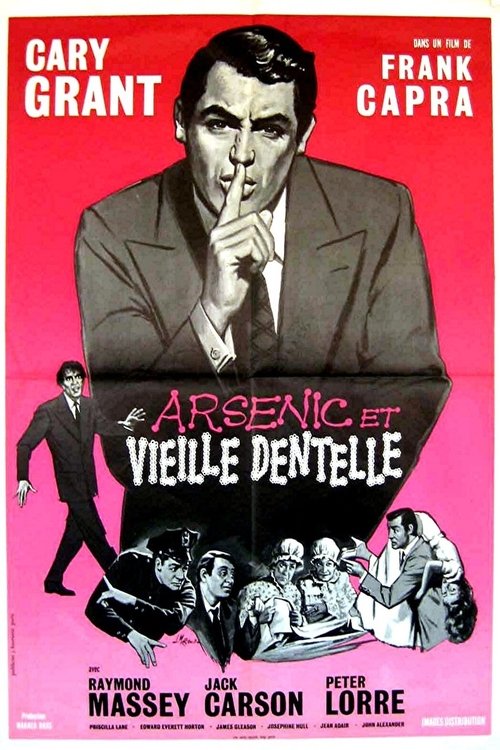
Mortimer Brewster, a newspaper drama critic, playwright, and author known for his diatribes against marriage, suddenly falls in love and gets married; but when he makes a quick trip home to tell his two maiden aunts, he finds out his aunts' hobby - killing lonely old men and burying them in the cellar!
Arsenic and Old Lace

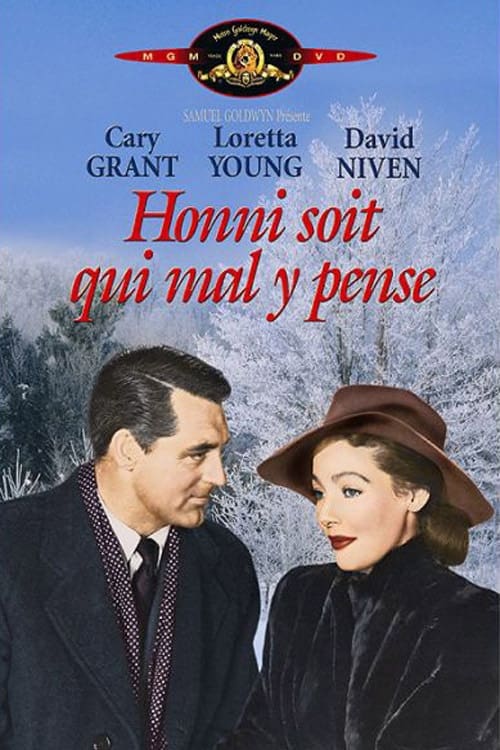
An Episcopal Bishop, Henry Brougham, has been working for months on the plans for an elaborate new cathedral which he hopes will be paid for primarily by a wealthy, stubborn widow. He is losing sight of his family and of why he became a churchman in the first place. Enter Dudley, an angel sent to help him. Dudley does help everyone he meets, but not necessarily in the way they would have preferred. With the exception of Henry, everyone loves him, but Henry begins to believe that Dudley is there to replace him, both at work and in his family's affections, as Christmas approaches.
The Bishop's Wife

As a parting shot, fired reporter Ann Mitchell prints a fake letter from unemployed "John Doe," who threatens suicide in protest of social ills. The paper is forced to rehire Ann and hires John Willoughby to impersonate "Doe." Ann and her bosses cynically milk the story for all it's worth, until the made-up "John Doe" philosophy starts a whole political movement.
Meet John Doe

A young priest, Father Chisholm is sent to China to establish a Catholic parish among the non-Christian Chinese. While his boyhood friend, also a priest, flourishes in his calling as a priest in a more Christian area of the world, Father Chisholm struggles. He encounters hostility, isolation, disease, poverty and a variety of set backs which humble him, but make him more determined than ever to succeed.
The Keys of the Kingdom

In Brooklyn circa 1900, the Nolans manage to enjoy life on pennies despite great poverty and Papa's alcoholism. We come to know these people well through big and little troubles: Aunt Sissy's scandalous succession of "husbands"; the removal of the one tree visible from their tenement; and young Francie's desire to transfer to a better school...if irresponsible Papa can get his act together.
A Tree Grows in Brooklyn

Boxer Joe Pendleton, flying to his next fight, crashes...because a Heavenly Messenger, new on the job, snatched Joe's spirit prematurely from his body. Before the matter can be rectified, Joe's body is cremated; so the celestial Mr. Jordan grants him the use of the body of wealthy Bruce Farnsworth, who's just been murdered by his wife. Joe tries to remake Farnsworth's unworthy life in his own clean-cut image, but then falls in love; and what about that murderous wife?
Here Comes Mr. Jordan

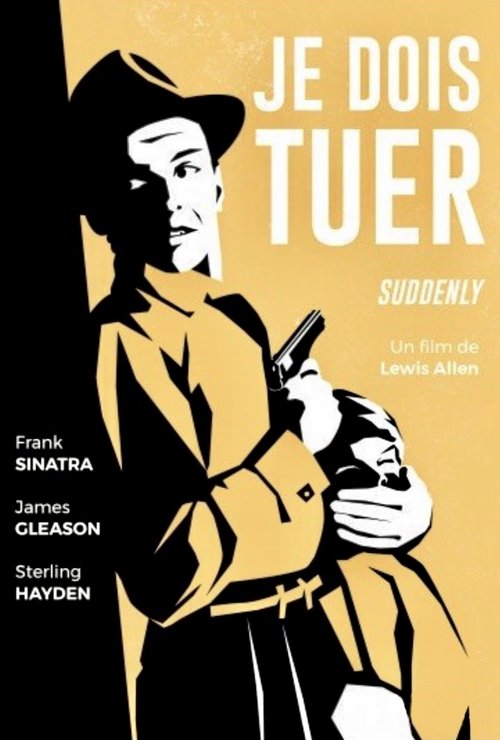
The tranquility of a small town is marred only by sheriff Tod Shaw's unsuccessful courtship of widow Ellen Benson, a pacifist who can't abide guns and those who use them. But violence descends on Ellen's household willy-nilly when the U.S. President passes through town... and slightly psycho hired assassin John Baron finds the Benson home ideal for an ambush.
Suddenly

In a changing world where television has become the main source of information, Adam Caulfield, a young sports journalist, witnesses how his uncle, Frank Skeffington, a veteran and honest politician, mayor of a New England town, tries to be reelected while bankers and captains of industry conspire in the shadows to place a weak and manageable candidate in the city hall.
The Last Hurrah

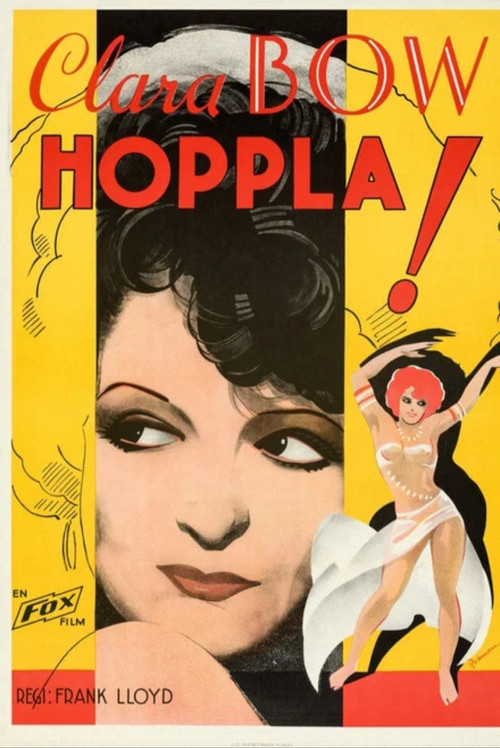
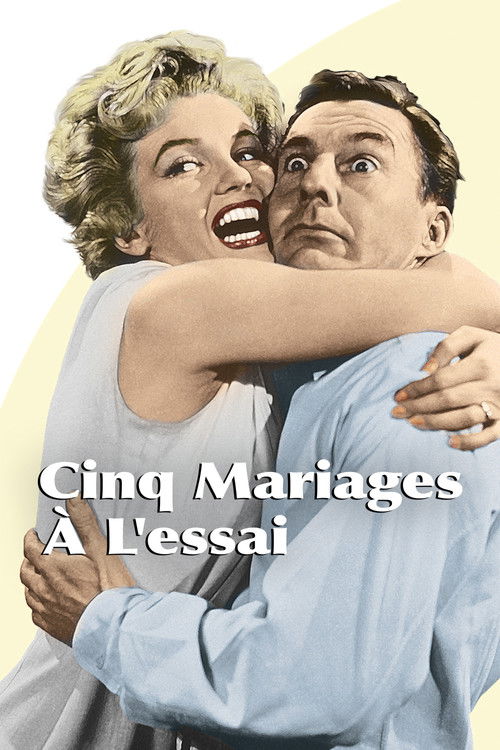
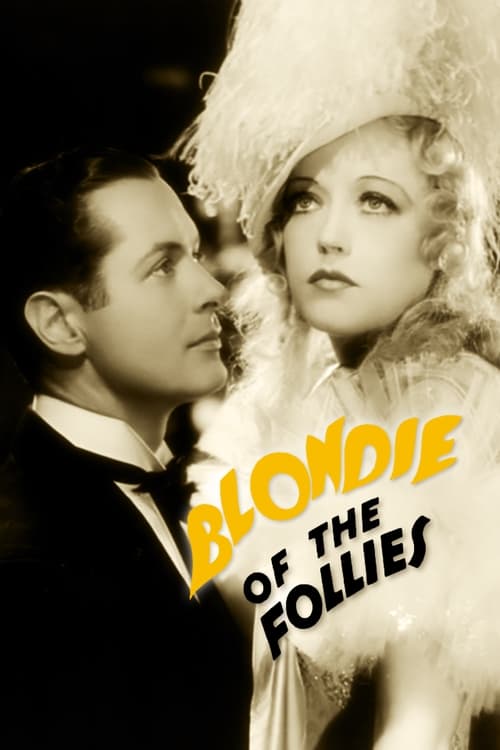
The vaudeville act of Harriet and Queenie Mahoney comes to Broadway, where their friend Eddie Kerns needs them for his number in one of Francis Zanfield's shows. When Eddie meets Queenie, he soon falls in love with her—but she is already being courted by Jock Warriner, a member of New York high society. Queenie eventually recognizes that, to Jock, she is nothing more than a toy, and that Eddie is in love with her.