FEEL IT.STREAM
Amanda Blake

Amanda Blake

Acting

Biography

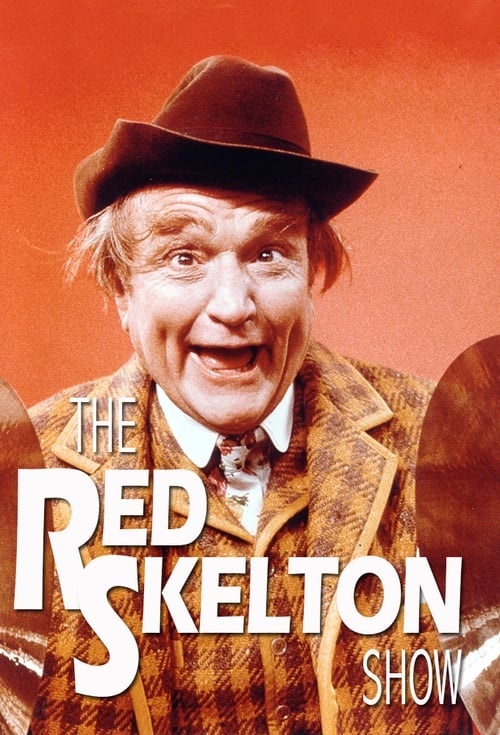
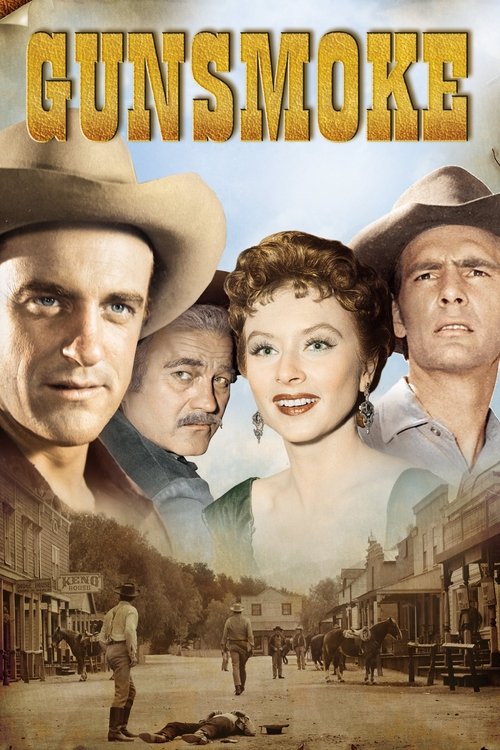
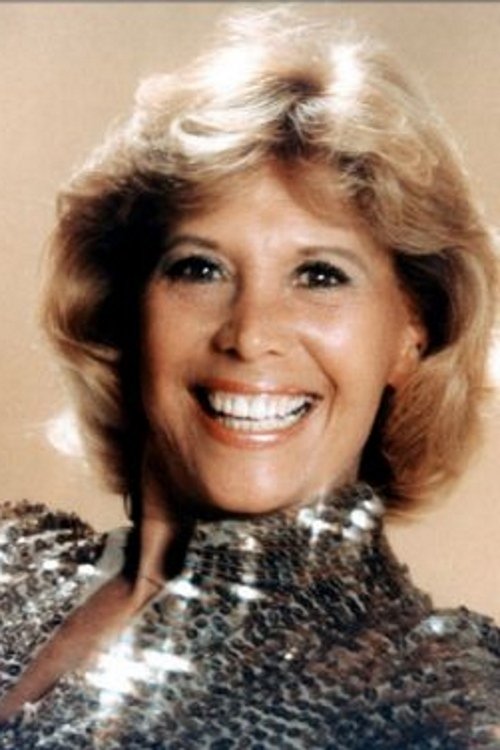
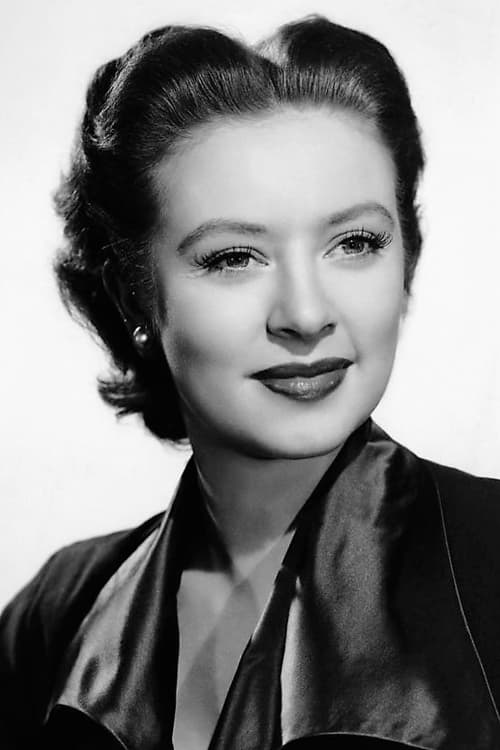
Amanda Blake was an American actress known for the role of the red-haired saloon proprietress "Miss Kitty Russell" on the television western Gunsmoke. Amanda Blake (born Beverly Louise Neill; February 20, 1929 – August 16, 1989) was an American actress best known for the role of the red-haired saloon proprietress "Miss Kitty Russell" on the Western television series Gunsmoke. Along with her fourth husband, Frank Gilbert, she ran one of the first successful programs for breeding cheetahs in captivity. Early life Amanda Blake was born Beverly Louise Neill in Buffalo, New York, the only child of Jesse and Louise (née Puckett) Neill. Her father was a banker. Blake was a telephone operator and briefly attended Pomona College before she took up acting. Blake attended Brenau Academy from 1944 to 1945. She then served on the board of advisors and became a trustee. Career In the late 1940s, Blake was signed to Metro-Goldwyn-Mayer as the studio saw her as its next Greer Garson. She appeared in a few Hollywood films, such as the 1952 western Cattle Town and in the starring role of Miss Robin Crusoe, a 1954 adaptation of the Robinson Crusoe adventure. In 1954, she appeared in A Star Is Born. Blake became best known for her 19-year stint as the saloon-keeper Miss Kitty on the television series Gunsmoke from 1955 to 1974. On February 27, 1974, Blake brought a lion named Kemo on to the Gunsmoke set. Because of her continuing role on television, Blake rarely had time for films. She did appear on a number of television shows, including a recurring comedy routine on The Red Skelton Show; as a celebrity on Hollywood Squares, Tattletales, and the 1970s revival of Match Game; and comedy appearances on the Dean Martin Celebrity Roast. In 1957, Blake guest-starred as Betty Lavon-Coate in the episode titled "Coate of Many Colors" on Rod Cameron's crime drama, State Trooper. Later, after a Gunsmoke reunion film, she made two feature-film appearances: in The Boost, a drug-addiction drama starring James Woods and Sean Young, and B.O.R.N, both in 1988. Personal life Blake was married five times, first to Jack Shea (1952–53), then Don Whitman in 1954, divorced from him in 1956. After the divorce from Whitman, she would go to the 'saloon set' of Gunsmoke. Blake felt like it was home to her on the days when she was not needed. She married Austin, Texas, city councilman Mark Edward Spaeth in 1984. Spaeth died of AIDS-related pneumonia in 1985. Declining health and death In 1977 Blake, who was a heavy cigarette smoker, developed oral cancer that was successfully treated with surgery. She became a supporter of the American Cancer Society and made fundraising appearances throughout the country. On August 16, 1989, Blake died of AIDS-related hepatitis at Mercy General Hospital in Sacramento, California, at the age of 60. Her death was initially attributed to throat cancer but, after her death, her doctor publicly announced her death was due to complications from AIDS. It is not known how Blake contracted the disease. Blake's close friends insisted that she was not a drug user or sexually promiscuous, and that she may have acquired AIDS from her fifth husband who also died of AIDS-related pneumonia in 1985. CLR From Wikipedia, the free encyclopedia
Known For

Four Star Playhouse
6.8

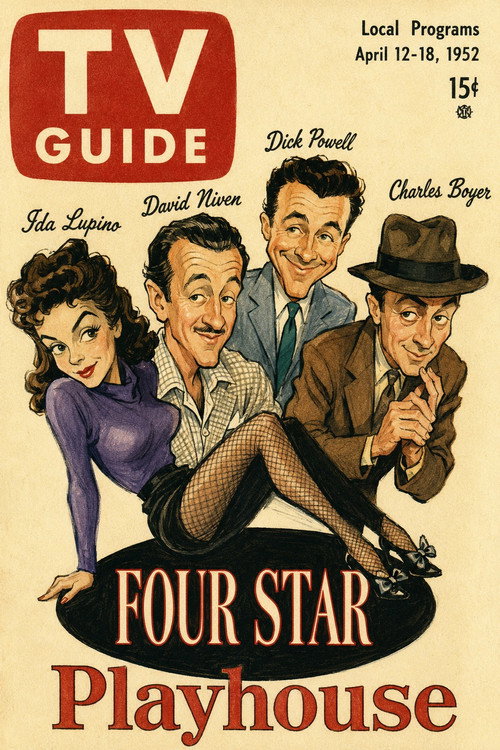
Four Star Playhouse is an American television anthology series that ran from 1952 to 1956, sponsored in its first bi-weekly season by The Singer Company; Bristol-Myers became an alternate sponsor when it became a weekly series in the fall of 1953. The original premise was that Charles Boyer, Ida Lupino, David Niven, and Dick Powell would take turns starring in episodes. However, several other performers took the lead from time to time, including Ronald Colman and Joan Fontaine. Blake Edwards was among the writers and directors who contributed to the series. Edwards created the recurring character of illegal gambling house operator Willie Dante for Dick Powell to play on this series. The character was later revamped and spun off in his own series starring Howard Duff, then-husband of Lupino. The pilot for Meet McGraw, starring Frank Lovejoy, aired here, as did another episode in which Lovejoy recreated his role of Chicago newspaper reporter Randy Stone, from the radio drama Nightbeat.

Four Star Playhouse

1952Series
The Dean Martin Celebrity Roasts
5.4

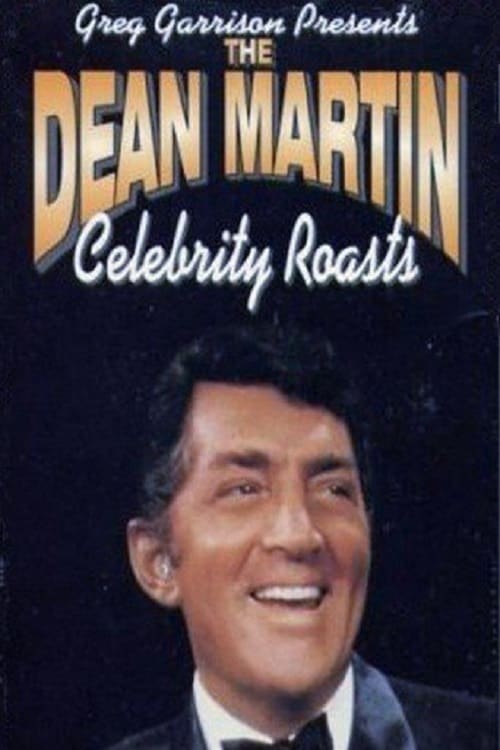
The Dean Martin Celebrity Roasts is a NBC television special show hosted by entertainer Dean Martin from 1974 to 1984. For a series of 54 specials and shows, Martin would periodically "roast" a celebrity. These roasts were patterned after the roasts held at the New York Friars' Club in New York City. The format would have the celebrity guest seated at a banquet table, and one by one the guest of honor was affectionately chided or insulted about his career by his fellow celebrity friends. In 1973, The Dean Martin Show was declining in popularity. The final season of his variety show would be retooled into one of celebrity roasts, requiring less of Martin's involvement. For the 1973–1974 season, a new feature called “Man of the Week Celebrity Roast" was added to try to pick up the ratings. The roasts seemed to be popular among television audiences and are often marketed in post-issues as part of the official Dean Martin Celebrity Roasts and not The Dean Martin Show. After The Dean Martin Show was cancelled in 1974, NBC drew up a contract with Martin to do several specials and do more roast specials. Starting with Bob Hope in 1974, the roast was taped in California and turned out to be a hit, leading to many other roasts to follow.

The Dean Martin Celebrity Roasts

1973Series
Cavalcade of America
4.6

Cavalcade of America is an anthology drama series that was sponsored by the DuPont Company, although it occasionally presented a musical, such as an adaptation of Show Boat, and condensed biographies of popular composers. It was initially broadcast on radio from 1935 to 1953, and later on television from 1952 to 1957. Originally on CBS, the series pioneered the use of anthology drama for company audio advertising. Cavalcade of America documented historical events using stories of individual courage, initiative and achievement, often with feel-good dramatizations of the human spirit's triumph against all odds. This was consistent with DuPont's overall conservative philosophy and legacy as an American company dating back to 1802. The company's motto, "Maker of better things for better living through chemistry," was read at the beginning of each program, and the dramas emphasized humanitarian progress, particularly improvements in the lives of women, often through technological innovation.

Cavalcade of America

1952Series