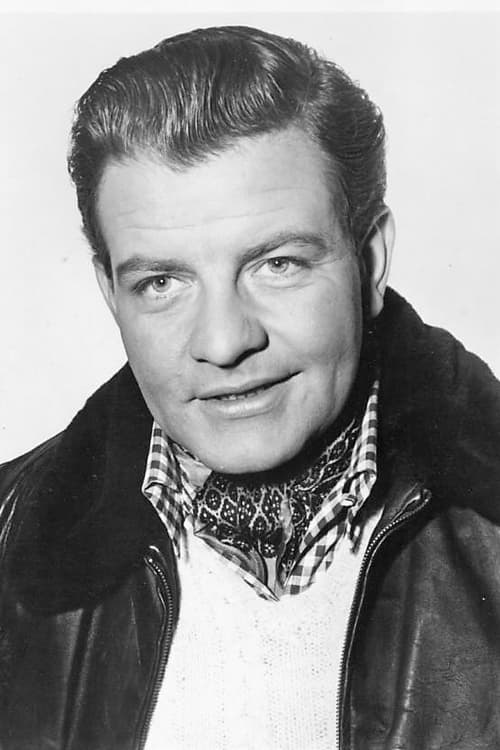
Sean McClory
Acting
Biography
Sean McClory was born in Dublin, Ireland, but spent his early life in Galway. He was the son of Hugh Patrick, an architect and civil engineer, and Mary Margaret Ball, who had been a model. Sean decided to become an actor and joined Dublin's renowned Abbey Theater (also known as the National Theater of Ireland, opened in 1904). He rose through the ranks playing in productions of the works of such authors as William Butler Yeats and George Bernard Shaw, and soon began to play leads mostly in comedies (popular through most of the 1940s and into the 1950s). When comedies began to fade from the theater after World War II, McClory turned an eye toward film. In early 1947 he decided to make the jump to America and break into Hollywood. His first roles were that of a staple in American films: the Irish cop, which he played in two of the Dick Tracy series in 1947. In 1949 he signed a short contract with 20th Century-Fox. By 1950 he was showing up in more notable films - though uncredited, particularly in The Glass Menagerie (1950). Within a year McClory's talents were being showcased in various small feature roles. John Ford finally began casting - a painstaking process for the finicky director - for his long conceived The Quiet Man (1952) and chose McClory for a small but showy part, in which he was seen throughout the film feature with Charles B. Fitzsimons, the younger brother of the film's star, Maureen O'Hara, playing an Irish villager. Although some of the cast were familiar members of the "John Ford Stock Company", many roles were filled by actual Irish villagers (the film was shot on location) and included a generous helping of Abbey Theater alumni: the Shields brothers (Barry Fitzgerald and Arthur Shields) and Jack MacGowran, in addition to O'Hara McClory. Ford wanted him for roles in several of his subsequent films, however McClory's busy film and TV schedule only allowed him to accept roles in two other Ford films, The Long Gray Line and Cheyenne Autumn. McClory had a cultured, neutral Irish brogue that fit well in small- or big-screen performances, unlike such Irish actors as Barry Fitzgerald who, though very effective and beloved, had a thick brogue that kept him forever cast as an Irishman. As a result, McClory was much more at home in American TV and had many memorable roles from 1953 onward, appearing in a gamut of episodic TV in addition to his feature film work. However, it was his frequent appearances on the small screen that enabled McClory to stand out in viewers' memories, especially in a range of western and adventure series (in which he played a good sprinkling of Irish characters) well into the 1970s. Though not as busy in the 1980s as he was in the '70s, one role in which he truly stood out was in an adaptation by John Huston of Irish writer James Joyce's famous 1907 short story "The Dead" made in 1987 (The Dead (1987)), his final film appearance. McClory's role as Mr. Grace was not a character in the original story but was created by Huston and his son Tony Huston to provide McClory with a reading of the medieval Irish poem "Young Donal", which was very effective to the mood of this look at Irish family remembrance.
Known For

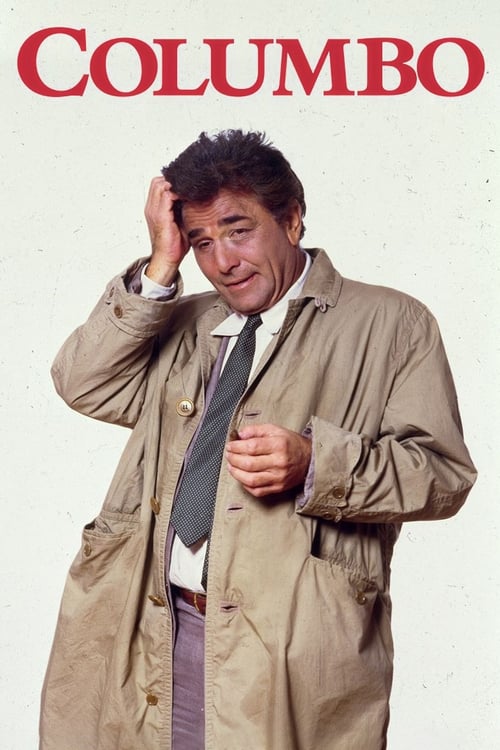
Columbo is a friendly, verbose, disheveled-looking police detective who is consistently underestimated by his suspects. Despite his unprepossessing appearance and apparent absentmindedness, he shrewdly solves all of his cases and secures all evidence needed for indictment. His formidable eye for detail and meticulously dedicated approach often become clear to the killer only late in the storyline.
Columbo

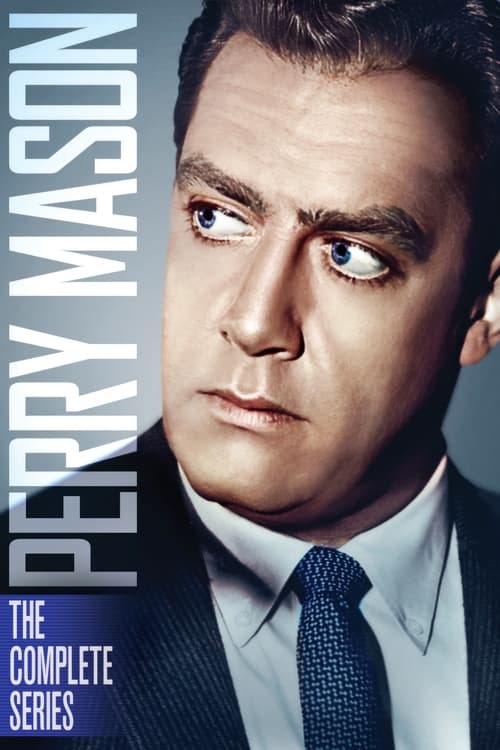
The cases of master criminal defense attorney Perry Mason and his staff who handled the most difficult of cases in the aid of the innocent.
Perry Mason

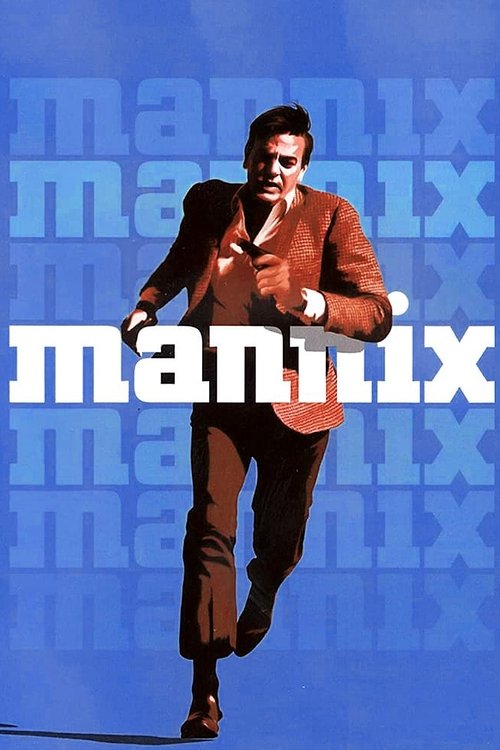
Mannix is an American television detective series that ran from 1967 through 1975 on CBS. Created by Richard Levinson and William Link and developed by executive producer Bruce Geller, the title character, Joe Mannix, is a private investigator. He is played by Mike Connors. Mannix was the last series produced by Desilu Productions.
Mannix

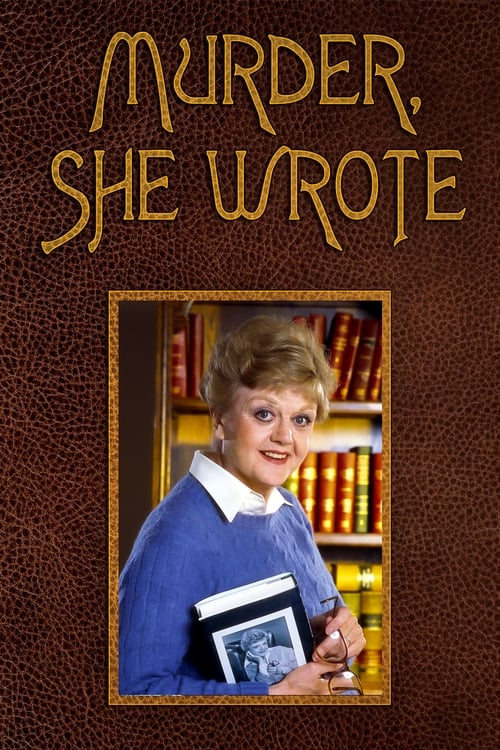
An unassuming mystery writer turned sleuth uses her professional insight to help solve real-life homicide cases.
Murder, She Wrote

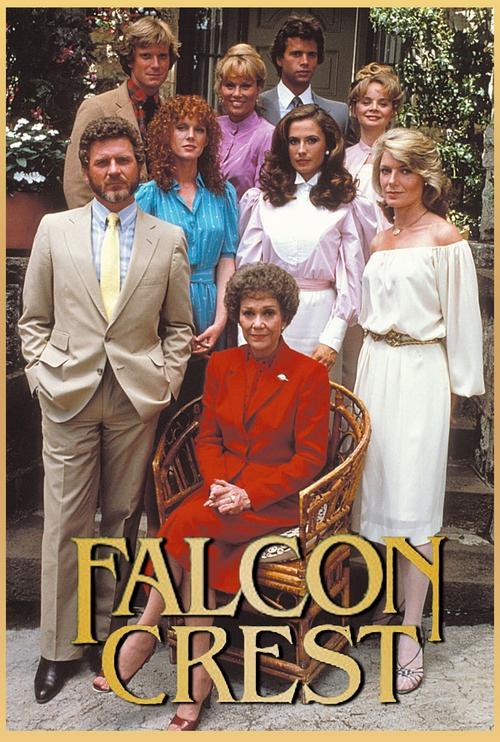
Falcon Crest is an American primetime television soap opera which aired on the CBS network for nine seasons, from December 4, 1981 to May 17, 1990. A total of 227 episodes were produced. The series revolves around the feuding factions of the wealthy Gioberti/Channing family in the Californian wine industry. Jane Wyman starred as Angela Channing, the tyrannical matriarch of the Falcon Crest Winery, alongside Robert Foxworth as Chase Gioberti, Angela's nephew who returns to Falcon Crest following the death of his father. The series was set in the fictitious Tuscany Valley northeast of San Francisco.
Falcon Crest

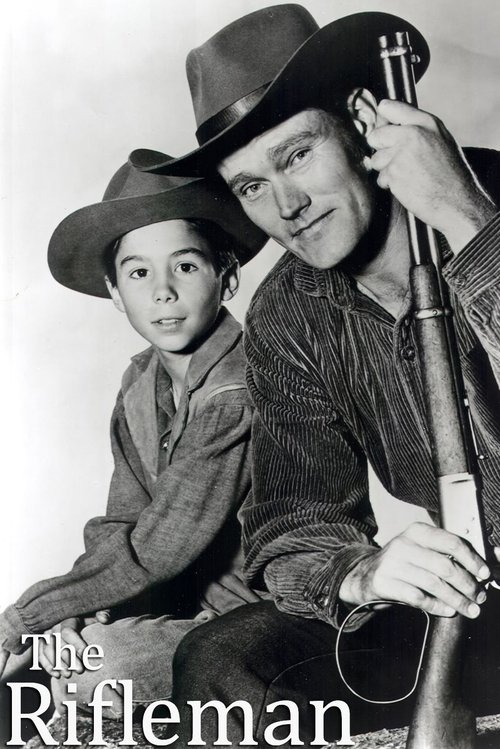
The Rifleman is an American Western television program starring Chuck Connors as rancher Lucas McCain and Johnny Crawford as his son, Mark McCain. It was set in the 1880s in the town of North Fork, New Mexico Territory. The show was filmed in black-and-white, half-hour episodes. "The Rifleman" aired on ABC from September 30, 1958 to April 8, 1963 as a production of Four Star Television. It was one of the first prime time series to have a widowed parent raise a child.
The Rifleman

Lassie is the pet of Jeff Miller, an 11-year-old farm boy. The two become best friends and enjoy family adventures in the American countryside, teaching each other about love, nature and commitment.
Lassie

The Shiloh Ranch in Wyoming Territory of the 1890s is owned in sequence by Judge Henry Garth, the Grainger brothers, and Colonel Alan MacKenzie. It is the setting for a variety of stories, many more based on character and relationships than the usual western.
The Virginian

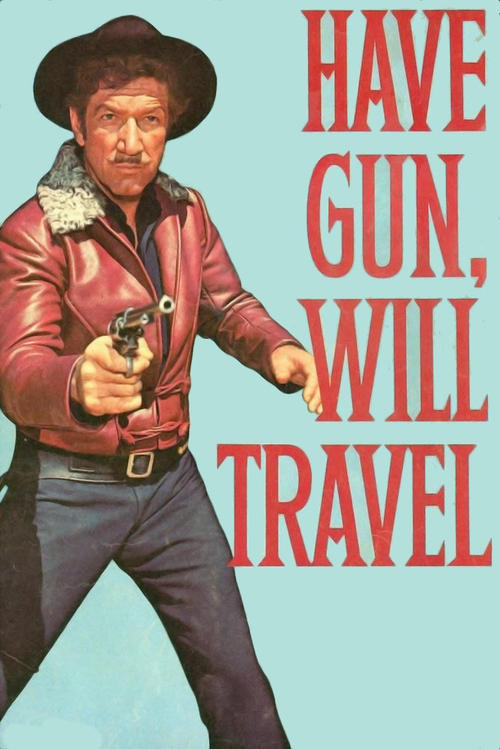
Have Gun – Will Travel is an American Western television series that aired on CBS from 1957 through 1963. It was rated number three or number four in the Nielsen ratings every year of its first four seasons. It was one of the few television shows to spawn a successful radio version. The radio series debuted November 23, 1958. The television show is presently shown on the Encore-Western channel. Have Gun – Will Travel was created by Sam Rolfe and Herb Meadow and produced by Frank Pierson, Don Ingalls, Robert Sparks, and Julian Claman. There were 225 episodes of the TV series, 24 written by Gene Roddenberry. Other contributors included Bruce Geller, Harry Julian Fink, Don Brinkley and Irving Wallace. Andrew McLaglen directed 101 episodes and 19 were directed by series star Richard Boone.
Have Gun, Will Travel

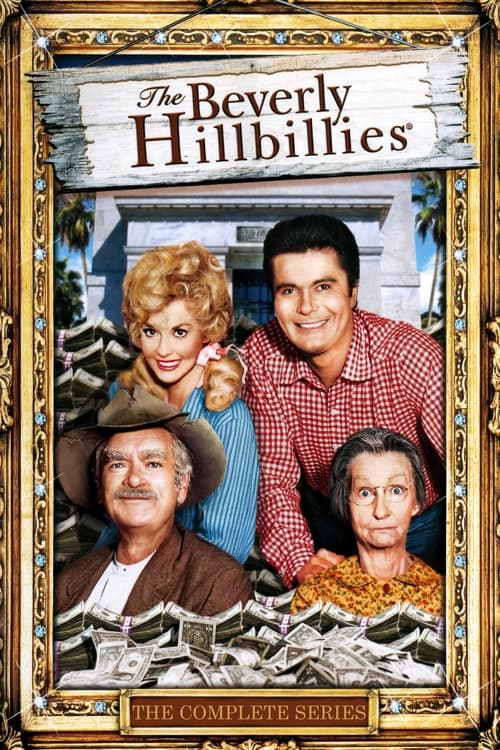
Jed Clampett's swamp is loaded with oil. When a wildcatter discovers the huge pool, Jed sells his land to the O.K. Oil Company and at the urging of cousin Pearl, moves his family to a 35-room mansion in Beverly Hills, California.
The Beverly Hillbillies

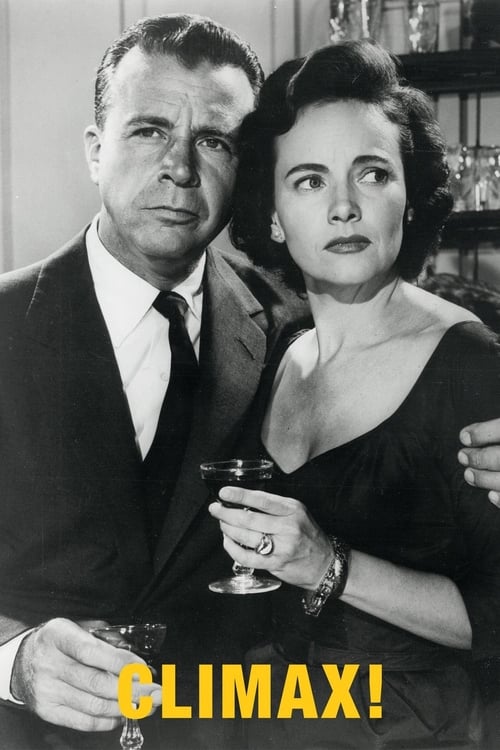
Climax! is an American anthology series that aired on CBS from 1954 to 1958. The series was hosted by William Lundigan and later co-hosted by Mary Costa. It was one of the few CBS programs of that era to be broadcast in color. Many of the episodes were performed and broadcast live.
Climax!

The Life and Legend of Wyatt Earp is a television western series loosely based on the life of frontier marshal Wyatt Earp. The half-hour black-and-white program aired for 229 episodes on ABC from 1955 to 1961 and featured Hugh O'Brian in the title role.
The Life and Legend of Wyatt Earp
No description available.
Bob Hope Presents the Chrysler Theatre
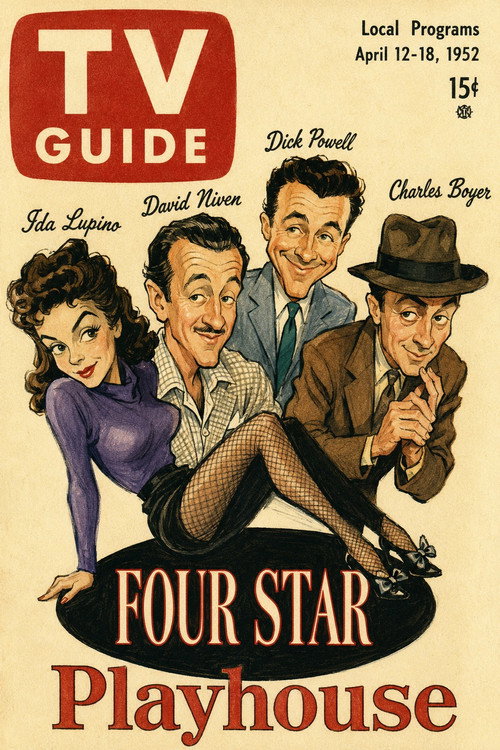
Four Star Playhouse is an American television anthology series that ran from 1952 to 1956, sponsored in its first bi-weekly season by The Singer Company; Bristol-Myers became an alternate sponsor when it became a weekly series in the fall of 1953. The original premise was that Charles Boyer, Ida Lupino, David Niven, and Dick Powell would take turns starring in episodes. However, several other performers took the lead from time to time, including Ronald Colman and Joan Fontaine. Blake Edwards was among the writers and directors who contributed to the series. Edwards created the recurring character of illegal gambling house operator Willie Dante for Dick Powell to play on this series. The character was later revamped and spun off in his own series starring Howard Duff, then-husband of Lupino. The pilot for Meet McGraw, starring Frank Lovejoy, aired here, as did another episode in which Lovejoy recreated his role of Chicago newspaper reporter Randy Stone, from the radio drama Nightbeat.
Four Star Playhouse

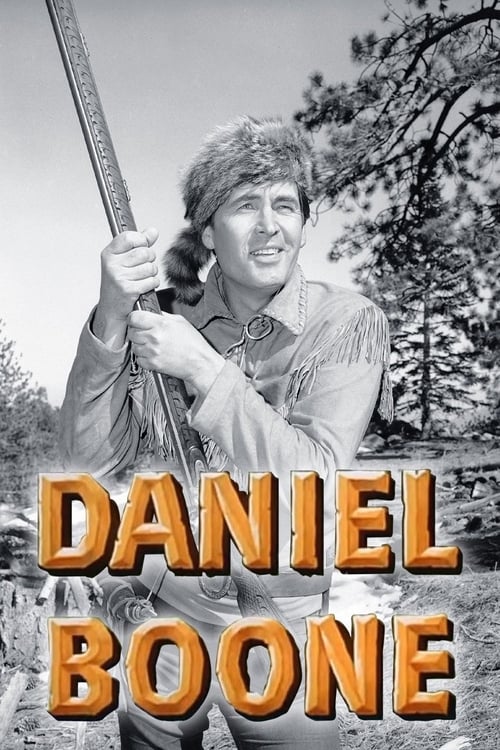
Daniel Boone is an American action-adventure television series starring Fess Parker as Daniel Boone that aired from September 24, 1964 to September 10, 1970 on NBC for 165 episodes, and was made by 20th Century Fox Television. Ed Ames co-starred as Mingo, Boone's Cherokee friend, for the first four seasons of the series. Albert Salmi portrayed Boone's companion Yadkin in season one only. Dallas McKennon portrayed innkeeper Cincinnatus. Country Western singer-actor Jimmy Dean was a featured actor as Josh Clements during the 1968–1970 seasons. Actor and former NFL football player Rosey Grier made regular appearances as Gabe Cooper in the 1969 to 1970 season. The show was broadcast "in living color" beginning in fall 1965, the second season, and was shot entirely in California and Kanab, Utah.
Daniel Boone

Dick Powell's Zane Grey Theatre, sometimes simply called Zane Grey Theatre, is an American Western anthology series which ran on CBS from 1956 to 1961.
Dick Powell's Zane Grey Theatre

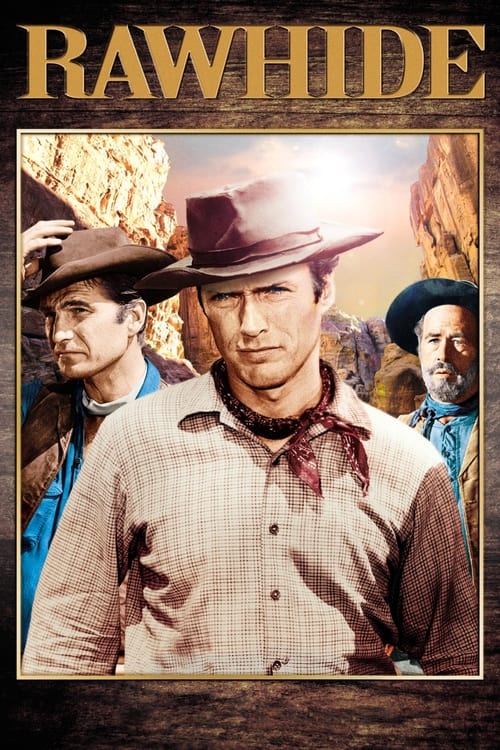
The tale of trail boss Gil Favor and his trusty foreman Rowdy Yates as they drives cattle across the old west. Along the way they meet up with adventure and drama.
Rawhide

The space family Robinson is sent on a five-year mission to find a new planet to colonise. The voyage is sabotaged time and again by an inept stowaway, Dr. Zachary Smith. The family's spaceship, Jupiter II, also carries a friendly robot who endures an endless stream of abuse from Dr. Smith, but is a trusted companion of young Will Robinson
Lost in Space

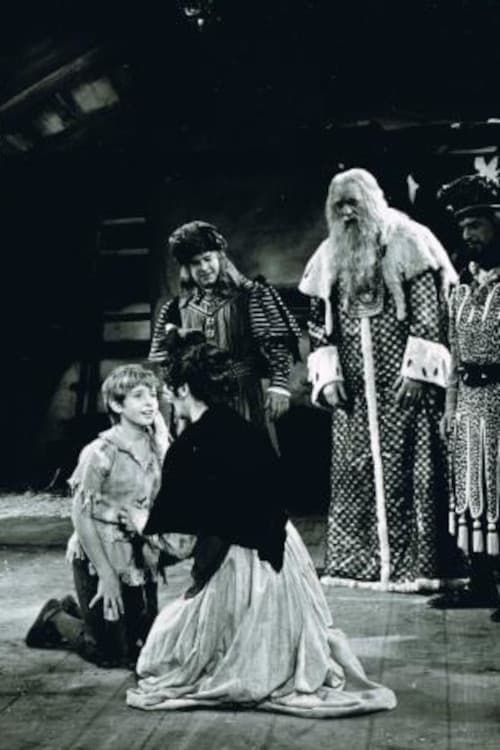
Matinee Theater is an American anthology series that aired on NBC during the Golden Age of Television, from 1955 to 1958. The series, which ran daily in the afternoon, was frequently live. It was produced by Albert McCleery, Darrell Ross, George Cahan and Frank Price with executive producer George Lowther. McCleery had previously produced the live series Cameo Theatre which introduced to television the concept of theater-in-the-round, TV plays staged with minimal sets. Jim Buckley of the Pewter Plough Playhouse recalled: When Al McCleery got back to the States, he originated a most ambitious theatrical TV series for NBC called Matinee Theater: to televise five different stage plays per week live, airing around noon in order to promote color TV to the American housewife as she labored over her ironing. Al was the producer. He hired five directors and five art directors. Richard Bennett, one of our first early presidents of the Pewter Plough Corporation, was one of the directors and I was one of the art directors and, as soon as we were through televising one play, we had lunch and then met to plan next week’s show. That was over 50 years ago, and I’m trying to think; I believe the TV art director is his own set decorator —yes, of course! It had to be, since one of McCleery’s chief claims to favor with the producers was his elimination of the setting per se and simply decorating the scene with a minimum of props. It took a bit of ingenuity.
Matinee Theater

The Outer Limits is an anthology tv series of self-contained sci-fi-horror stories, sometimes with a plot twist at the end.