Acting
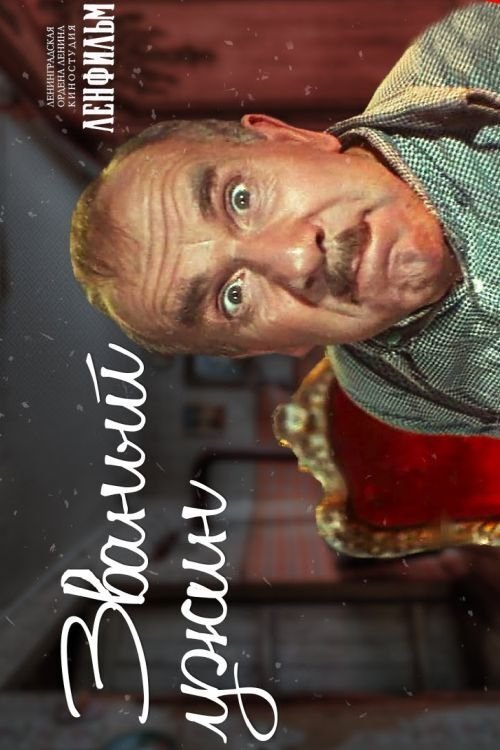
Fitil is a popular Soviet/Russian television satirical/comedy short film series which ran for about 500 episodes. Some of the episodes were aimed at children, and were called Фитилёк, Fitilyok, Little Fuse. Each issue contained from the few short segments: documentary, fictional and animated ones. Directed by various artists, including Leonid Gaidai who presented his famous trio of Nikulin, Vitsin and Morgunov into the cast. It was called in USSR as "the anecdotes from the Soviet government".
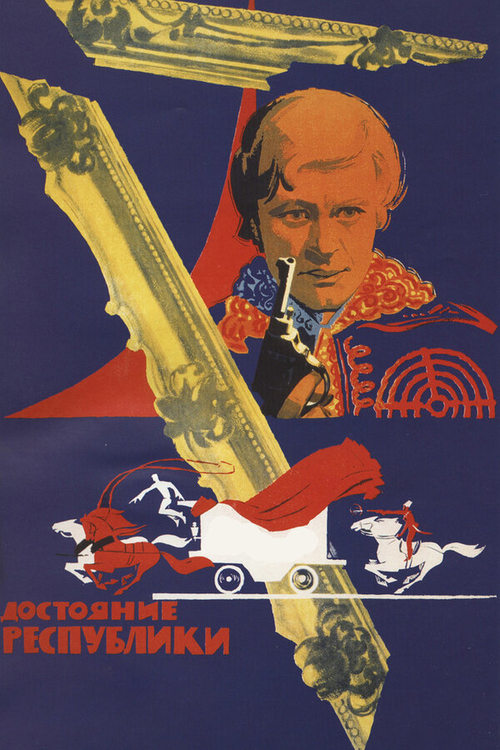
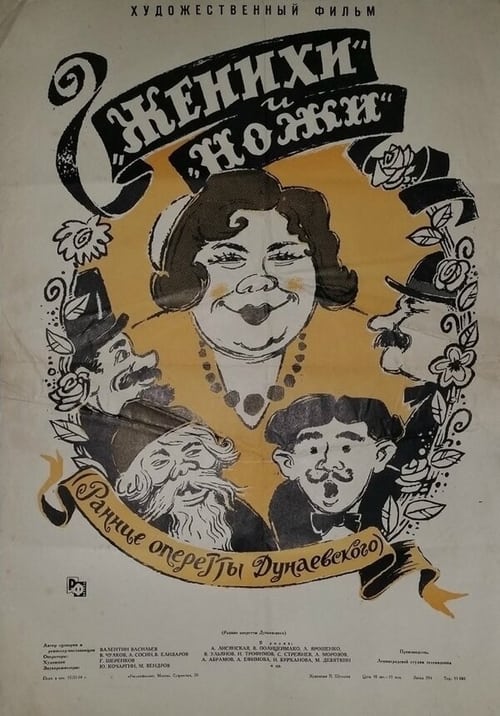
Spring of 1918. Tarakanov, managing the estate of Prince Tikhvinsky, with the help of a former court fencing teacher Marquess and a street kid Keshka, is stealing a collection of paintings and sculptures from the abandoned estate owners. Hoping to transport her abroad, criminals wander with a circus troupe, and in their wake goes a tireless criminal investigator — Makar Ovchinnikov.
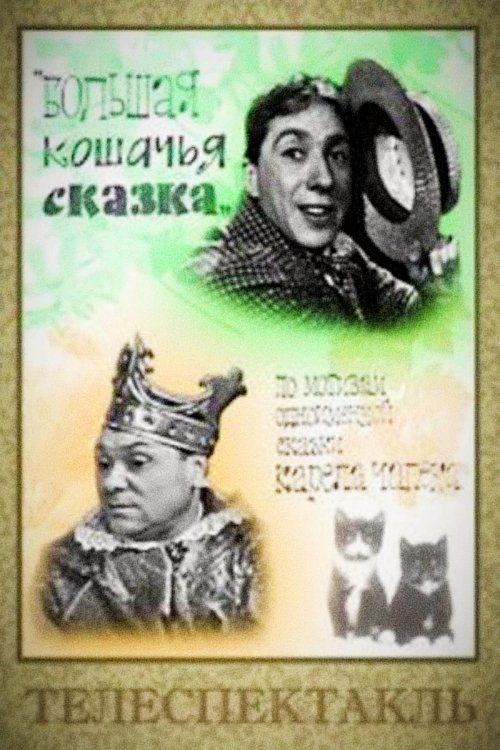
In this whimsical television play based on a fairy-tale by Karel Čapek, an enterprising detective goes on a globe-trotting adventure to catch a mysterious wizard.
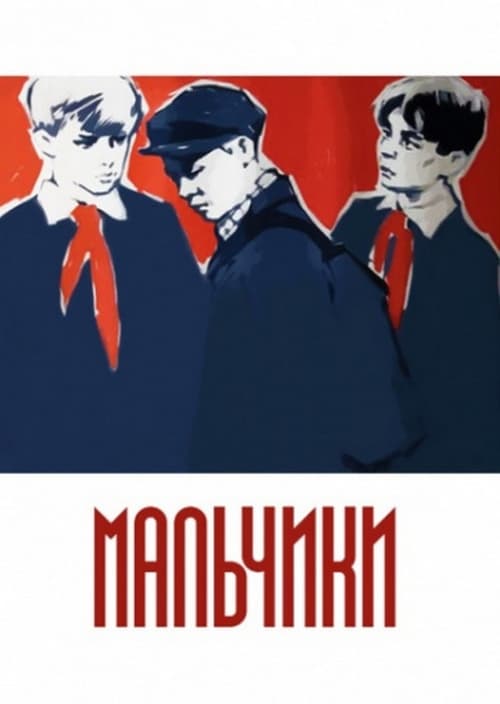
Three boys live in the same house and go to the same school in Kiev. After one of the boys gets in trouble, their friendship is put to a serious test for the first time in their lives.
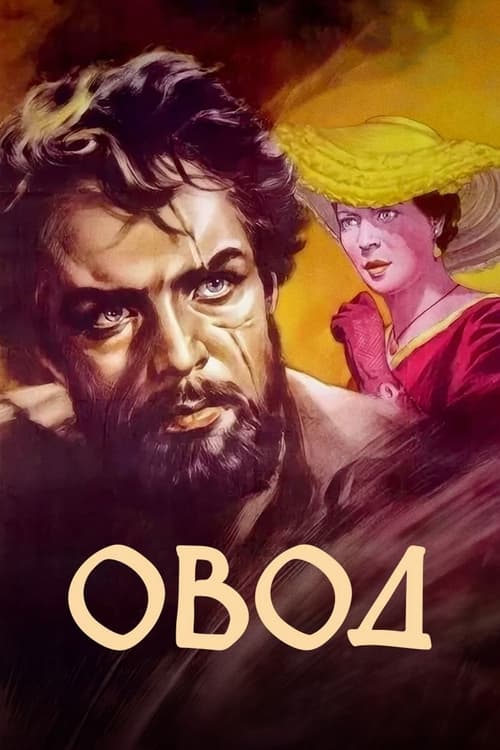
Italy, XIX century. The country is occupied by Austrian troops, the resistance movement is actively developing. Student Arthur Burton is involved in the activities of the underground organization “Young Italy”, envies its leader, Giovanni Bolla, and is jealous of his bride Gemma. He talks about this at a confession to a priest, as a result of which gendarmes take revolutionaries under arrest...
A biographical film about the life of Gani Muratbaev, the founder of the Komsomol in the Kazakh SSR .
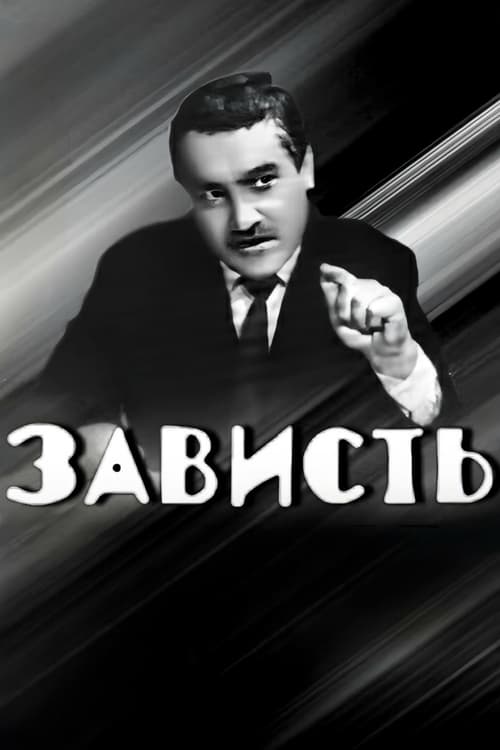
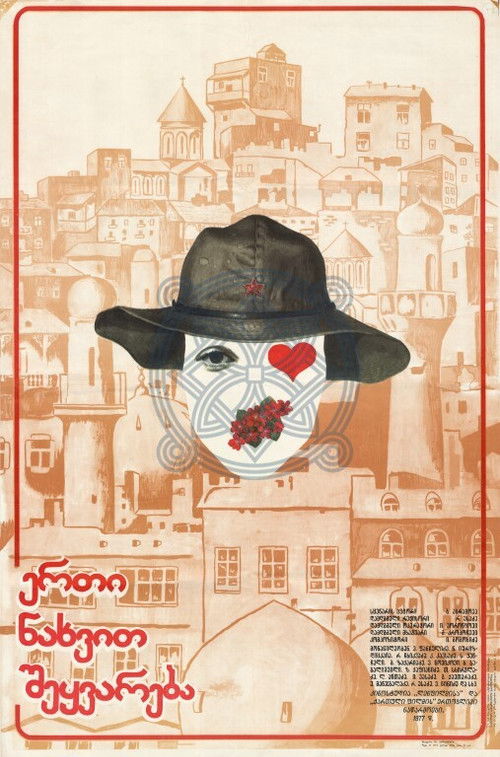
Murad Rasulov, a simple 16-year-old Azerbaijani, raised in Tbilisi, and a passionate fan of football, falls in love for the first time in his life with Anya, a Belarusian girl who is studying at the same institute in Baku, two years older than him. The difference in age and the conflict of cultures becomes an obstacle in the way of a young man whom no one helps, in a hopeless, desperate struggle for love.
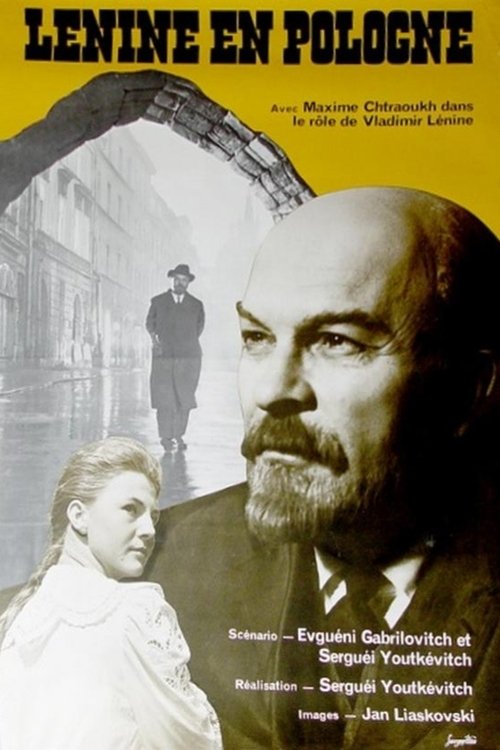
Two stories ("The feat of the soldier Mukhin", "The Last Autumn"). The events of one concern 1917, when Lenin had to hide in Finland, the second takes place in 1923-1924 during the last months of his life in Gorki.
No description available.
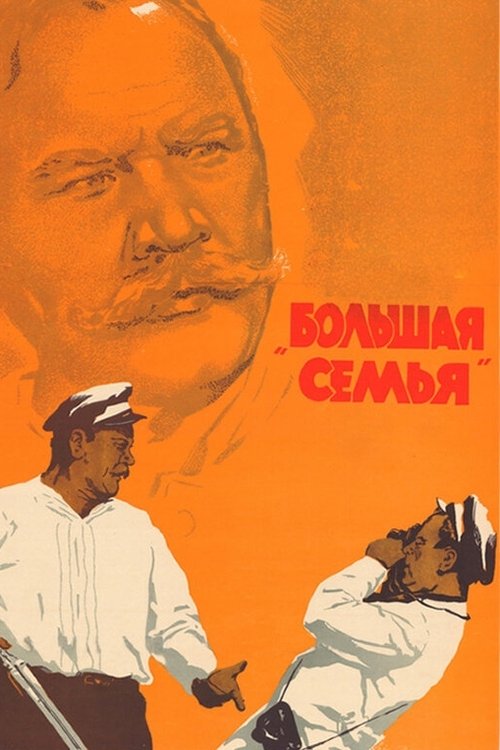
The characters of the picture are a large family of hereditary shipbuilders. Three generations of the Zhurbin live under one roof: grandfather Matvei, his son Ilya, three sons of Ilya — Aleksei, Anton and Viktor. In a short time, representatives of the fourth generation are born. The share of the youngest son of Aleksei fall the most severe life tests. The background for family conflicts is the reorganization of production. All Zhurbin's have to change their profession to move on.
Performance based on the novel of the same name by Yuri Olesha with the participation of actors from the Leningrad Bolshoi Drama Theater of M. Gorky.
In Russia at the turn of the century, a wealthy Jewish merchant enjoys the best of relations with his Russian neighbours, while his respected home forms the obvious social centre of the entire community. However, the atmosphere grows more tense as the local authorities come under pressure to fall in line with the officially sanctioned anti-Semitic policies of the Tsarist Government. The village elder is one of our hero's best friends and together they seem to find a way to outwit these evil intentions but unfortunately they fail to understand what forces they are dealing with in a country where anti-Semitism is state policy.
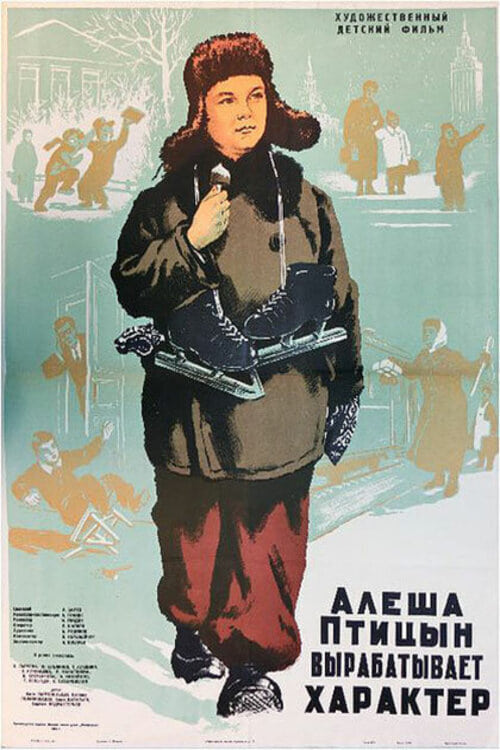
Alyosha Ptitsyn, a third-grader decides that he wants to improve his personality and immediately starts to act.
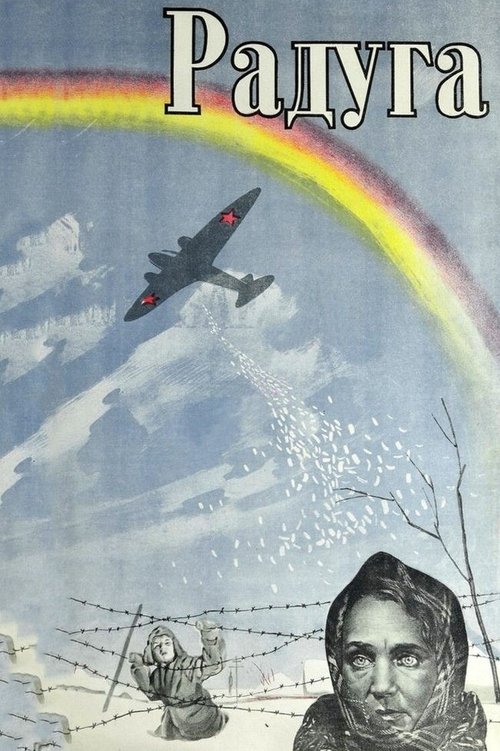
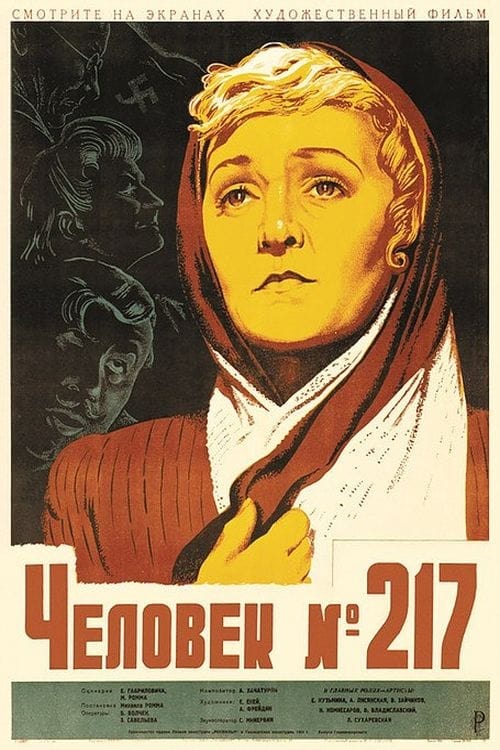
The German conquerors are above nothing, not even the slaughter of small children, to break the spirit of their Soviet captives. Suffering more than most is Olena, a Soviet partisan who returns to the village to bear her child, only to endure the cruelest of arbitrary tortures at the hands of the Nazis.
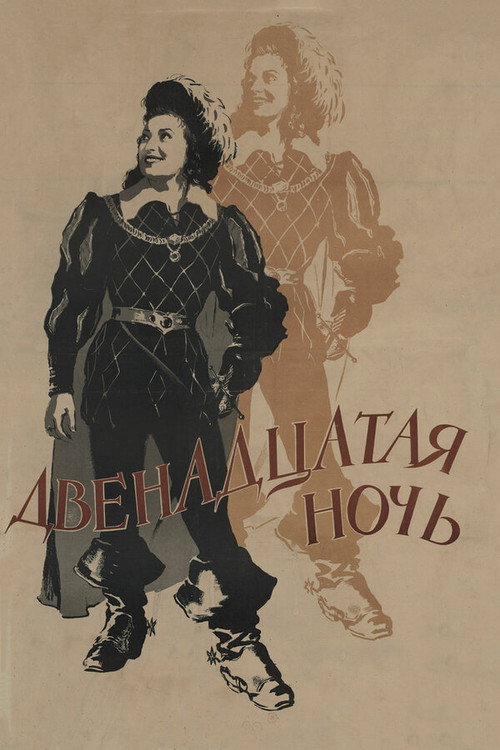
Shakespeare's comedy of gender confusion, in which a girl disguises herself as a man to be near the count she adores, only to be pursued by the woman he loves.
A man invites people to a dinner party, but a dream and his forgetfulness get in the way.
Beginning of WWII. Zinaida, a Russian woman, is taken prisoner by the Germans and sent to Auschwitz concentration camp together with several other women. She is imprisoned with her baby son, Gena, who is learning to walk and takes his first steps in the snow, in the concentration camp. They spend a few years together in the camp until they are separated, first within Auschwitz itself, then, for good, when the Germans are losing the war and decide to evacuate.
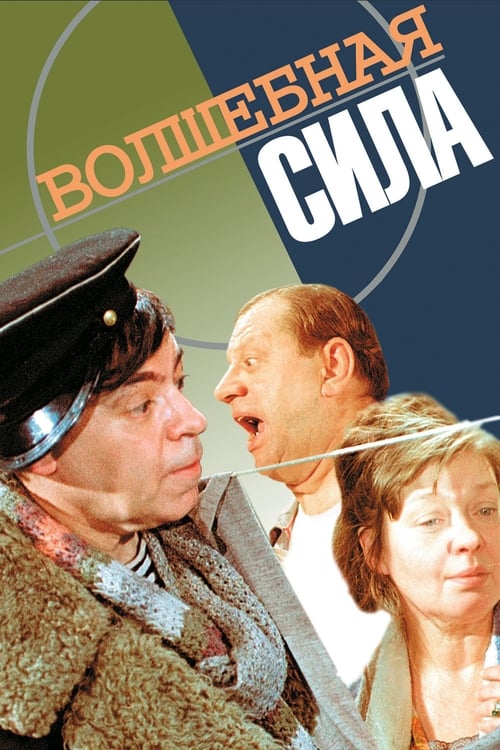
A three stories for a whole family about art and it's magic power.
A Russian peasant woman is captured by Nazis and sold into slavery in Germany. Shown in Cannes in 1946.
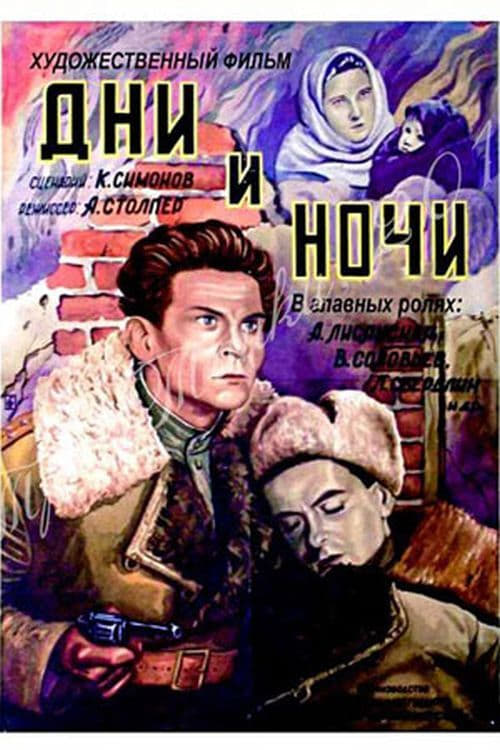
This literary adaptation was the first Soviet feature length dramatization, as opposed to documentary film, on the momentous Battle of Stalingrad.