José Vieira
Directing
Known For
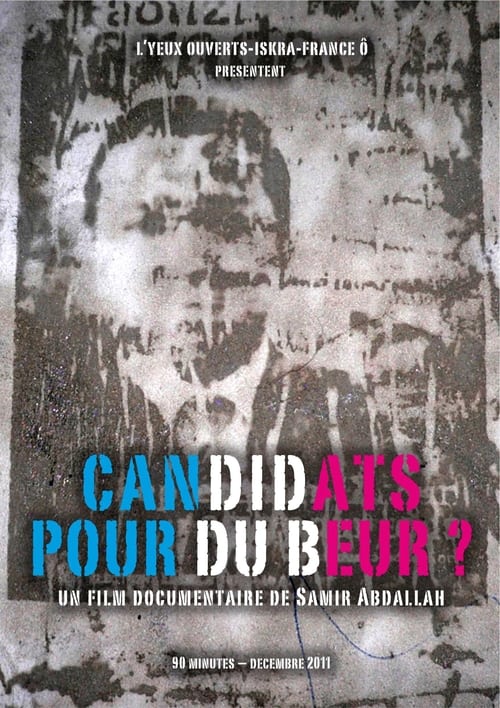
Looking back at the history of the struggle for true equality, we follow the daughters and sons of immigrant workers who have been nominated as candidates representing "diversity" in various election campaigns since the 2007 presidential election. On the ground, through meetings, debates, and more "intimate" encounters with candidates and actors from past struggles, a great diversity of thought emerges. But they all have the same goal: not to be just "candidates for Beurs." With many activists from working-class neighborhoods, from Clichy-sous-Bois to Marseille, via Roubaix, and candidates Mouloud Aounit, Kamel Hamza, Faouzi Lamdaoui, Halima Boumedienne, Omar Slaouti, Samia Ghali, Karim Zeribi, Rama Yade, and others... Will these "new faces" of the Republic be in the picture when the votes are counted, or will they simply be "candidates for the Beurs"?
Candidats pour du beur ?
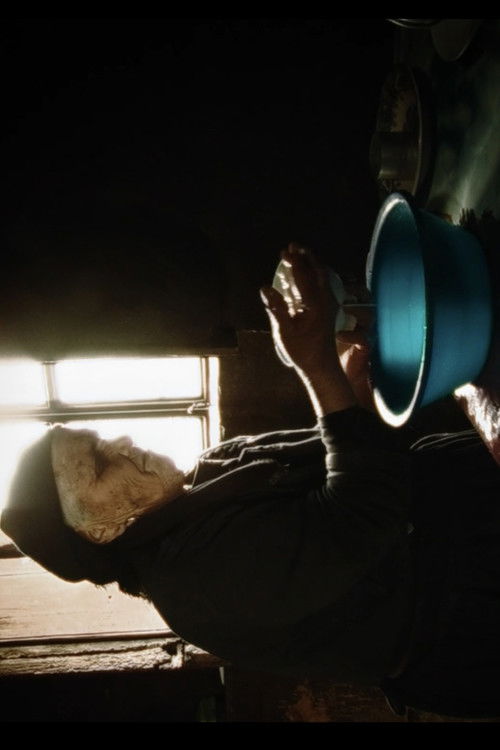
Occupied Territories is the story of a plunder told by the people of the mountains of Caramulo. People speak of their life after the violent occupation and forestation of their community lands by the State in 1941. They speak of misery and emigration, of the ruptures and wounds imposed by the violent course of history, they tell of their resistance to this expropriation. They also have the memory of a time when communities were built in a collective perception of the territory that surrounded them.
Occupied Territories

The film tells the intertwined story of two slums that were built, forty years apart, on the same territory. In Massy, in the southern suburbs of Paris, we lived at a time of economic growth, full employment and promising future. It was the 60s. We are at the beginning of the 2000s. They dwell in a climate of crisis and exclusion. Most of these are Roma and are fleeing a country that rejects them.
Souvenirs d'un futur radieux
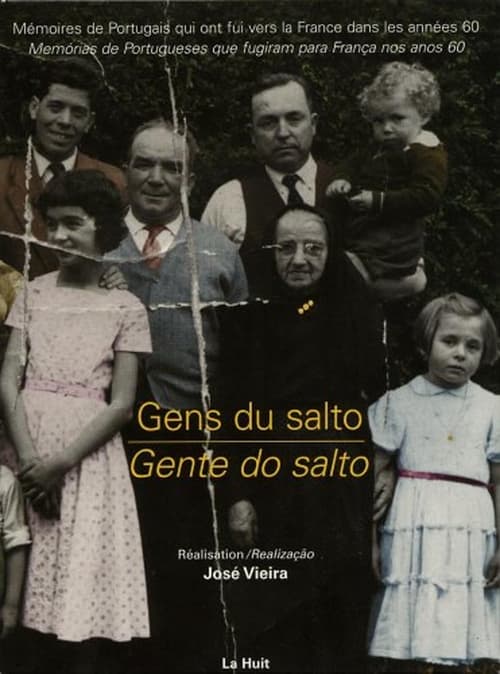
At the beginning of the 60's, thousands of Portuguese turned up in France through the underground. They were fleeing misery, war and repression. Left to unscrupulous smugglers, they had to cross the Iberian Peninsula tracked by the Portuguese and Spanish police. For many, the voyage towards France turned into a disaster. As a child in a shantytown, the author remembers having heard about these terrible odysseys. Thirty years later, he goes in search of the stories of his childhood and seeks to understand what sparked this unprecedented emigration known as the "plebiscite by foot" against Salazar. Between childhood memories and historical investigation, he looks for the images of this exodus, the largest in post-war Europe.
La photo déchirée, chronique d'une émigration clandestine

The Spring of Exile is the story of three men who fled Portugal in the 1960s because they refused to be drafted into a colonial war. They met in Paris and actively participated in the May 68 movement. Through the story of their struggles against the Salazar dictatorship, they tell the story of the country where they came from, the oppression that raged in Portugal. After the fall of the dictatorship on April 25, 1974, they returned to Lisbon. In the archives of the PIDE, the all-powerful political police, we find their names: José Mario Branco, Vasco de Castro and Fernando Pereira Marques. The traces of their songs, their plays, their diaries and drawings, found in the archives in France, bear witness to the fight they waged against fascism.
Le Printemps de l'exil
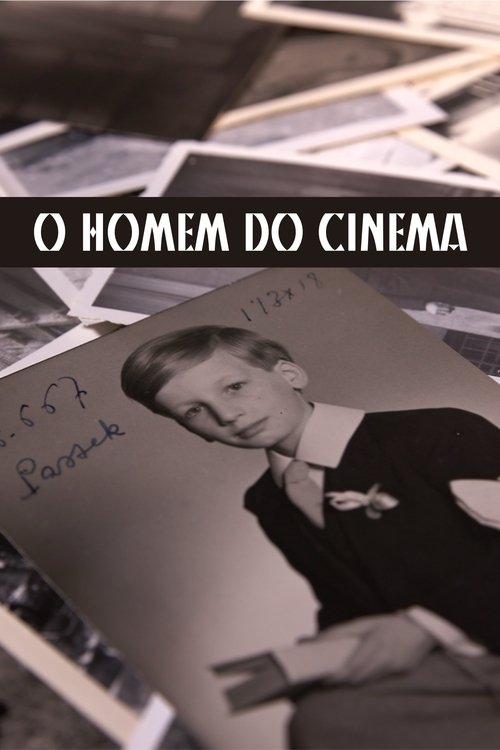
The premiere in La Rochelle held deep symbolic and emotional significance: it is the festival co-founded by Jean-Loup Passek, now the stage for the first screening of a film that celebrates his legacy and the heartfelt connection between France and Portugal, between Melgaço and the world of cinema.
O Homem do Cinema
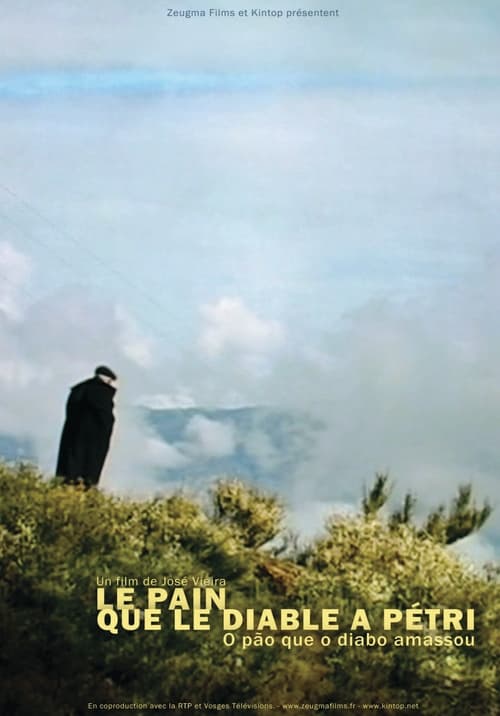
Chronicles of rural life, misadventures from the past century, fights one must win to muster misery and resistance against servitude and wage labor in the South of Portugal.
Le Pain Que Le Diable A Pétri
France has more than 200 football clubs of Portuguese origin in its amateur leagues. Famille FC reveals aspects of their origin(s), the relationship with the country left behind and the host country, and the inexplicable stubbornness of being Portuguese.
Famille FC
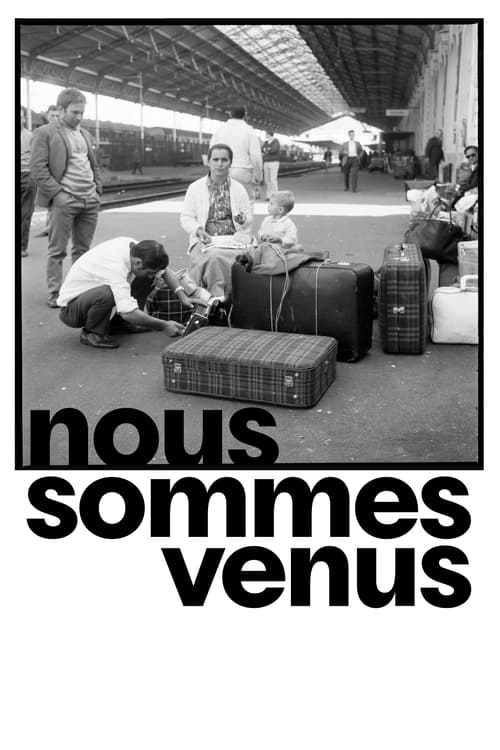
“I was 7 years old when I crossed the border on January 23, 1965, into Hendaye. I have no memory of arriving in France. How can one give an account of an event of which one has no memory, if not by seeking one’s story in that of others?” José Vieira