Bruce Bennett
Acting
Biography
Bruce Bennett (born Harold Herman Brix) was an American actor and Olympic silver medalist shot putter. His first career was as an athlete. At the University of Washington, where he majored in economics, he played football (tackle) in the 1926 Rose Bowl and was a track-and-field star. Two years later, he won the Silver medal for the shot put in the 1928 Olympic Games. Brix moved to Los Angeles in 1929 after being invited to compete for the Los Angeles Athletic Club and befriended actor Douglas Fairbanks Jr., who arranged a screen test for him at Paramount. In 1931, MGM, adapting author Edgar Rice Burroughs's popular Tarzan adventures for the screen, selected Brix to play the title character. Brix, however, broke his shoulder filming the 1931 football film Touchdown, so swimming champion Johnny Weissmuller replaced Brix and became a major star. After Ashton Dearholt convinced Burroughs to allow him to form Burroughs-Tarzan Enterprises, Inc., and make a Tarzan serial film, Dearholt cast Brix in the lead. Pressbook copy has it that Burroughs made the choice himself, but, in fact, in his biography, Brix confirmed that Burroughs never even saw him until after the contract was signed, and then only briefly. The film was begun on location in Guatemala, under rugged conditions (jungle diseases and cash shortages were frequent). Brix did his own stunts, including a fall to rocky cliffs below. The Washington Post quoted Gabe Essoe's passage from his book Tarzan of the Movies: "Brix's portrayal was the only time between the silents and the 1960s that Tarzan was accurately depicted in films. He was mannered, cultured, soft-spoken, a well educated English lord who spoke several languages, and didn't grunt."[4] Brix shown in the opening credits of the serial The New Adventures of Tarzan (1935). Due to financial mismanagement, Dearholt had to complete filming of much of the serial back in Hollywood, and Brix, although his travel and daily living expenses in Guatemala were covered throughout the shoot, never received his contracted salary, along with the rest of the cast. The finished film, The New Adventures of Tarzan, was released in 1935 by Burroughs-Tarzan, and offered to theatres as a 12-chapter serial or a seven-reel feature. A second feature, Tarzan and the Green Goddess, was culled from the footage in 1938.
Known For

The cases of master criminal defense attorney Perry Mason and his staff who handled the most difficult of cases in the aid of the innocent.
Perry Mason

Lassie is the pet of Jeff Miller, an 11-year-old farm boy. The two become best friends and enjoy family adventures in the American countryside, teaching each other about love, nature and commitment.
Lassie

The Shiloh Ranch in Wyoming Territory of the 1890s is owned in sequence by Judge Henry Garth, the Grainger brothers, and Colonel Alan MacKenzie. It is the setting for a variety of stories, many more based on character and relationships than the usual western.
The Virginian

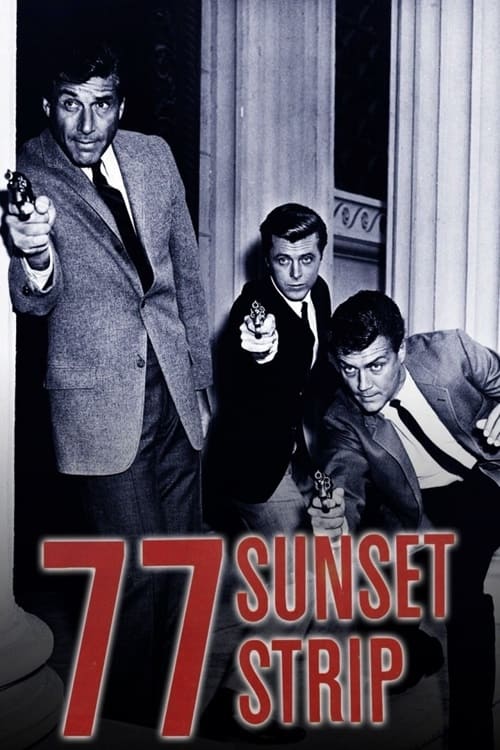
Stu Bailey and Jeff Spencer are the wisecracking, womanizing private-detective heroes of this Warner Brothers drama. They work out of an office located at 77 Sunset Strip in Los Angeles, California, right next door to a snazzy restaurant where Kookie works as a valet. The finger-snapping, slang-talking Kookie occasionally helps Stu and Jeff with their cases, and eventually becomes a full-fledged member of the detective agency. Rex Randolph and J.R. Hale also join the firm, and Suzanne is their leggy secretary.
77 Sunset Strip

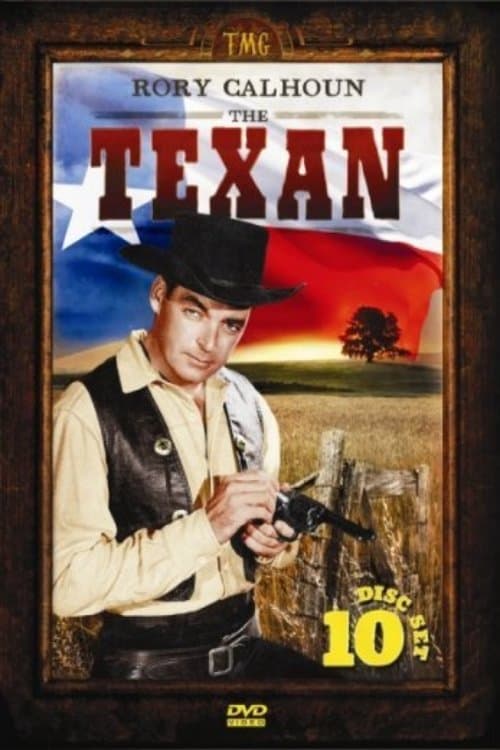
The Texan was a Western television series starring popular B movie actor Rory Calhoun, which aired on the CBS television network from 1958 to 1960.
The Texan

No description available.
Kraft Suspense Theatre

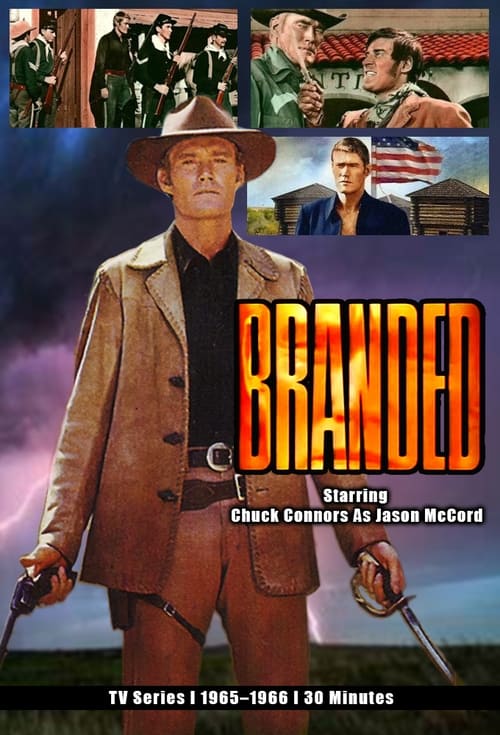
Branded is an American Western series which aired on NBC from 1965 through 1966, sponsored by Procter & Gamble in its Sunday night 8:30 p.m. Eastern Time period, and starred Chuck Connors as Jason McCord, a United States Army Cavalry captain who had been drummed out of the service following an unjust accusation of cowardice.
Branded

Cavalcade of America is an anthology drama series that was sponsored by the DuPont Company, although it occasionally presented a musical, such as an adaptation of Show Boat, and condensed biographies of popular composers. It was initially broadcast on radio from 1935 to 1953, and later on television from 1952 to 1957. Originally on CBS, the series pioneered the use of anthology drama for company audio advertising. Cavalcade of America documented historical events using stories of individual courage, initiative and achievement, often with feel-good dramatizations of the human spirit's triumph against all odds. This was consistent with DuPont's overall conservative philosophy and legacy as an American company dating back to 1802. The company's motto, "Maker of better things for better living through chemistry," was read at the beginning of each program, and the dramas emphasized humanitarian progress, particularly improvements in the lives of women, often through technological innovation.
Cavalcade of America
Lux Video Theatre is an American anthology series that was produced from 1950 until 1959. The series presented both comedy and drama in original teleplays, as well as abridged adaptations of films and plays.
Lux Video Theatre

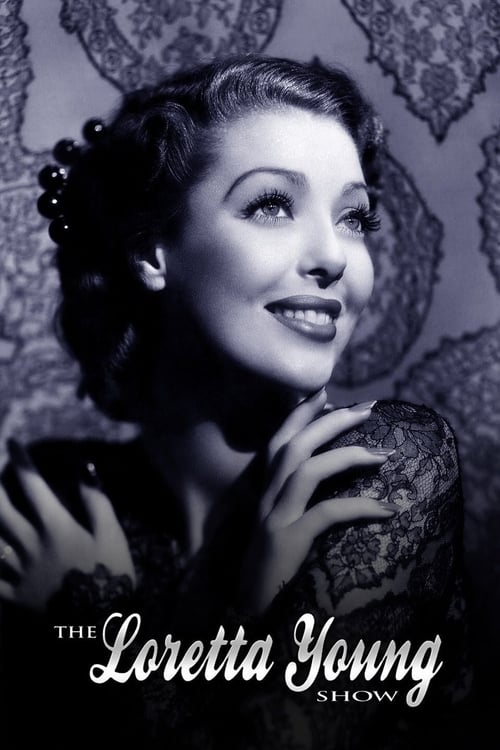
Letter to Loretta is an American anthology drama series telecast on NBC from September 1953 to June 1961 for a total of 165 episodes. The filmed show was hosted by Loretta Young who also played the lead in various episodes. Letter to Loretta was sponsored by Procter & Gamble from 1953 through 1960. The final season's sponsor was Warner-Lambert's Listerine.
Letter to Loretta

A short-lived anthology series narrated by Westbrook Van Voorhis. Each episode tells its own thriller story and featured its own unique cast.
Panic!

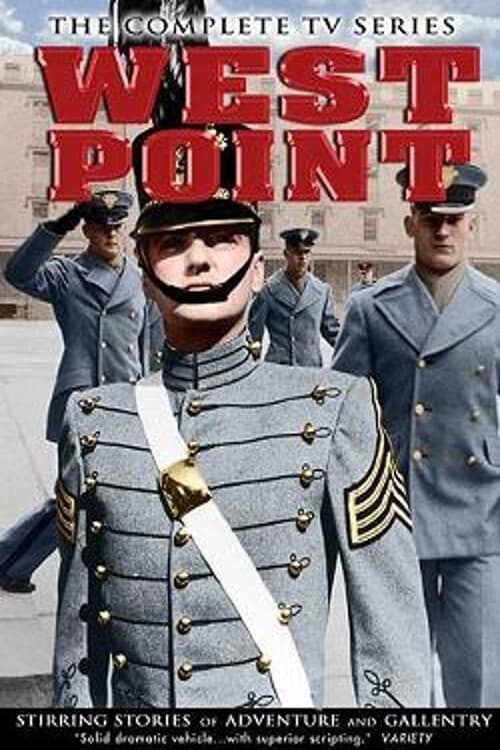
The West Point Story is a dramatic anthology television series shown in the United States by Columbia Broadcasting System during the 1956-57 season and by ABC during the 1957-58 season. The West Point Story, produced with the full cooperation of the United States Department of Defense and the United States Military Academy, was said to be based on actual files documenting many of the real-life dramatic occurrences at West Point over the years. Names and dates were altered in order to protect the privacy of the real people portrayed, however. The program was at first hosted by a fictional cadet, Charles C. Thompson, but this device was discontinued prior to the end of 1956. During its second season on ABC, The West Point Story was in competition with NBC's The Californians, set in San Francisco during the gold rush of the 1850s, and with The $64,000 Question quiz series on CBS. The West Point Story was replaced on the summer schedule in 1958 by Jack Wyatt's Confession, which continued to air during the first half of the 1958-1959 season in the 10 p.m. Tuesday evening time slot. At the time that The West Point Story was broadcast, four other military dramas aired either through syndication or on the major networks: Harbor Command, Navy Log, The Silent Service, and Men of Annapolis.
West Point

In Libya, an American tank commander, along with a handful of Allied soldiers, tries to defend an isolated well with a limited supply of water from a German Afrika Korps battalion during the Western Desert Campaign of World War II.
Sahara

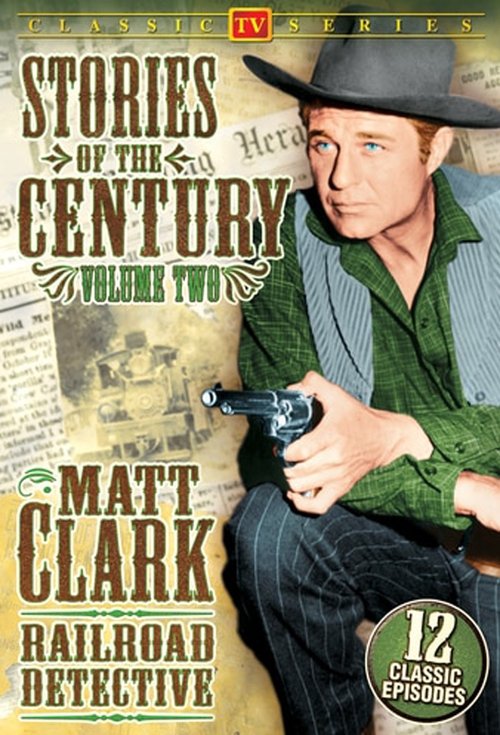
Stories of the Century is a 39-episode Western television series starring Jim Davis that ran in syndication through Republic Pictures between January 23, 1954, and March 11, 1955.
Stories of the Century

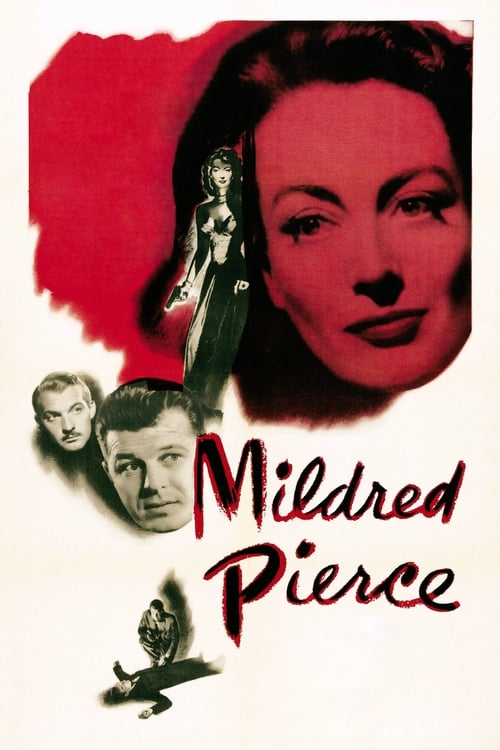
A hard-working mother inches towards disaster as she divorces her husband and starts a successful restaurant business to support her spoiled daughter.
Mildred Pierce

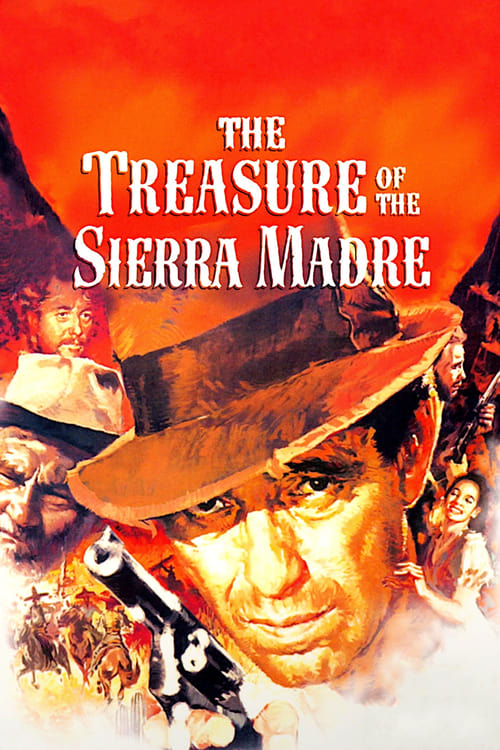
Two jobless Americans convince a prospector to travel to the mountains of Mexico with them in search of gold. But the hostile wilderness, local bandits, and greed all get in the way of their journey.
The Treasure of the Sierra Madre

The short-tempered manager of the Pittsburgh Pirates mends his ways in return for a little divine assistance.
Angels in the Outfield

Schlitz Playhouse of Stars is an anthology series that was telecast from 1951 until 1959 on CBS. Offering both comedies and drama, the series was sponsored by the Joseph Schlitz Brewing Company. The title was shortened to Schlitz Playhouse, beginning with the fall 1957 season.
Schlitz Playhouse of Stars

A man convicted of murdering his wife escapes from prison and works with a woman to try and prove his innocence.
Dark Passage

A police lieutenant and a patriotic professional gambler, rivals in life and love, combine efforts to corner a gang of Nazi saboteurs operating out of a barber shop, in which their mutual girlfriend works, and unmask its secret leader.