
Christine Lesiak
Directing
Known For

TV's most-watched history series brings to life the compelling stories from our past that inform our understanding of the world today.
American Experience
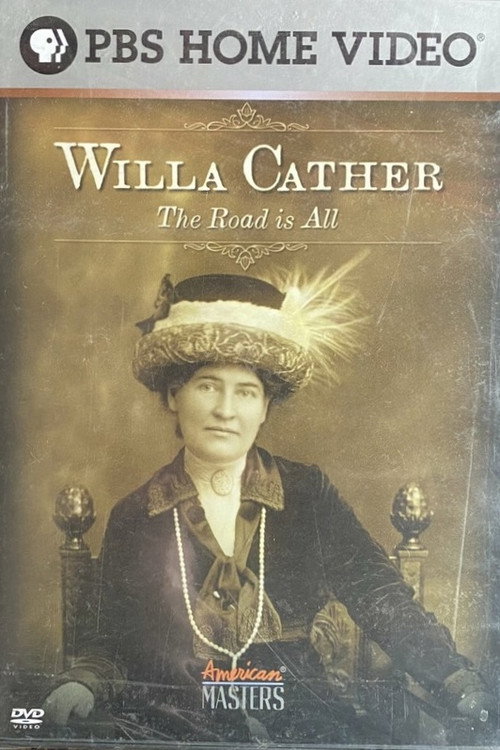
Willa Cather had the great good fortune to have lived among the first generation of white settlers in 1880's Nebraska, and she gives witness to their time and place in such a way that American literature will never forget them.
Willa Cather: The Road Is All

America's first Native doctor, Susan La Flesche Picotte (1865-1915) studied medicine at a time when few women dared. She graduated first in her class and returned home to serve as doctor to her Omaha tribe. During this heartbreaking and violent time she never gave up hope. The reverberations from her shattered world continue today as Native Americans suffer from alarming rates of disease, suicide and mental illness. Like Susan, these modern day medicine women from the Omaha, Lakota and Navajo tribes are fighting a war and sharing a confident, even joyful, approach to the work of healing.
Medicine Woman

Monkey Trial is a film that pits scientific discovery against religious fervor. It's about a moment in history when two men faced each other across a courtroom, each trembling with rage, each attacking the faith of the other. The clash symbolized a new fault line in American culture — a time when scientific advances began to challenge the bedrock of truth that the Bible represented to so many people. Filmmaker Christine Lesiak (Around the World in 72 Days) weaves together interviews with leading historians, America's foremost scholars, and Dayton residents who sat in the courthouse, to vividly capture the passions that were unleashed for three weeks in July of 1925. In doing so, she begins to strip away the myths that obscure the meaning of one of the most important trials of the century.
Monkey Trial

Made jointly by the Women’s Film Workshop and some of the inmates of the California Institution for Women, this is a moving analysis of why the women are in prison, what’s happening to them, what’s to become of them. It begins and ends with film taken outside the walls, while the rest is videotape transferred to film of the prisoners talking about race, sex and religion, class, economics and drugs. Occasionally statistics are inserted, but generally the women show such a degree of articulacy and radical thought that what they have to say is explanation enough. A remarkably undated combination of political anger and collective tenderness.