Richard Whorf
Directing
Biography
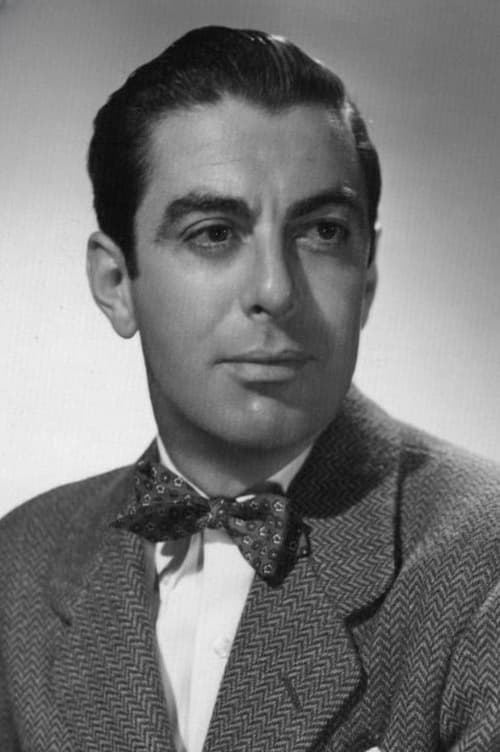
From Wikipedia, the free encyclopedia. Richard Whorf (June 4, 1906 – December 14, 1966) was an American actor, author, director, and designer. Richard was born in Winthrop, Massachusetts to Harry and Sarah (Lee) Whorf. Richards's older brother was the well-known American linguist, Benjamin Lee Whorf. Whorf began his acting career on the Boston stage as a teenager then moving to Broadway when he was 21. Early on, he was in a production of Taming of the Shrew at the Globe Theatre in New York City. He moved to Hollywood and became a contract player in movies of the 1930s and 1940s before becoming a director in 1944. He appeared in Christmas Holiday (1944), Blues in the Night (1941), Yankee Doodle Dandy (1942), and Keeper of the Flame (1942). He directed a number of television programs in the 1950s and 1960s, the best known being the CBS hit comedy The Beverly Hillbillies. He also directed the short-lived 1959 syndicated adventure series, Border Patrol, and the 1964-65 television series, Mickey. Whorf directed the unsuccessful 1961 stage comedy, Julia, Jake and Uncle Joe. Whorf's hobby was painting - he sold his first painting at age 15 for US$100. Many of his small town landscape paintings reflected his American worldview and seemed to be inspired by painters like Grant Wood and Norman Rockwell. In the 17 March 1963 TV Channels syndicated rotogravure newspaper magazine, his painting career was profiled and his studio photographed. For the article, he told a reporter, "Who says that a man has to do one thing? Description above from the Wikipedia article Richard Whorf, licensed under CC-BY-SA,full list of contributors on Wikipedia.
Known For

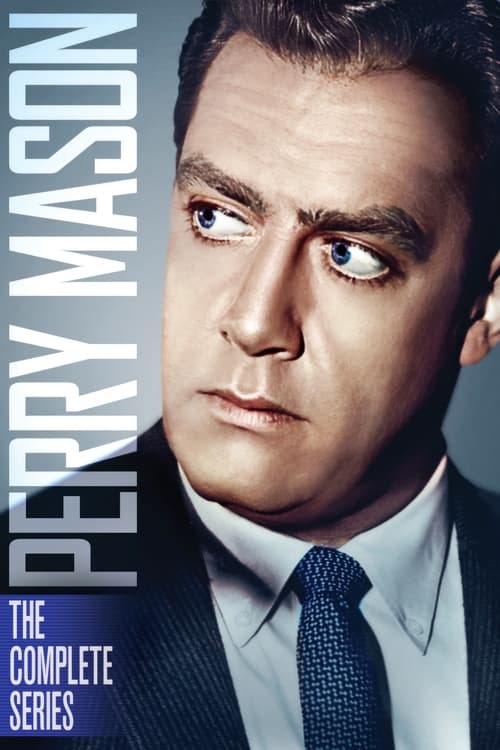
The cases of master criminal defense attorney Perry Mason and his staff who handled the most difficult of cases in the aid of the innocent.
Perry Mason

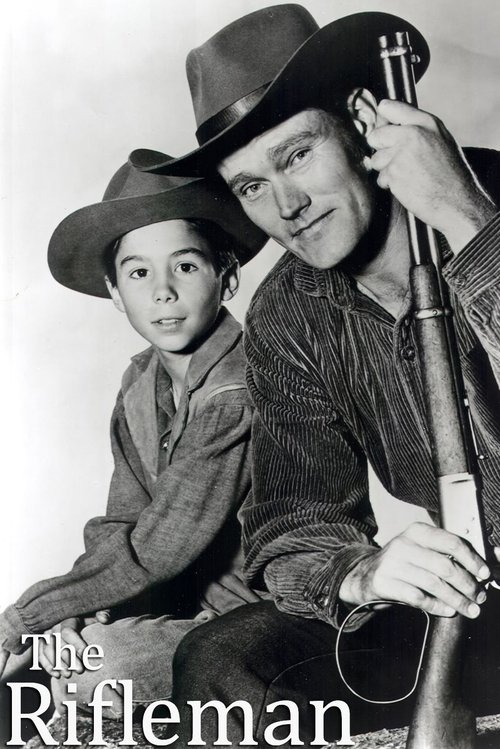
The Rifleman is an American Western television program starring Chuck Connors as rancher Lucas McCain and Johnny Crawford as his son, Mark McCain. It was set in the 1880s in the town of North Fork, New Mexico Territory. The show was filmed in black-and-white, half-hour episodes. "The Rifleman" aired on ABC from September 30, 1958 to April 8, 1963 as a production of Four Star Television. It was one of the first prime time series to have a widowed parent raise a child.
The Rifleman

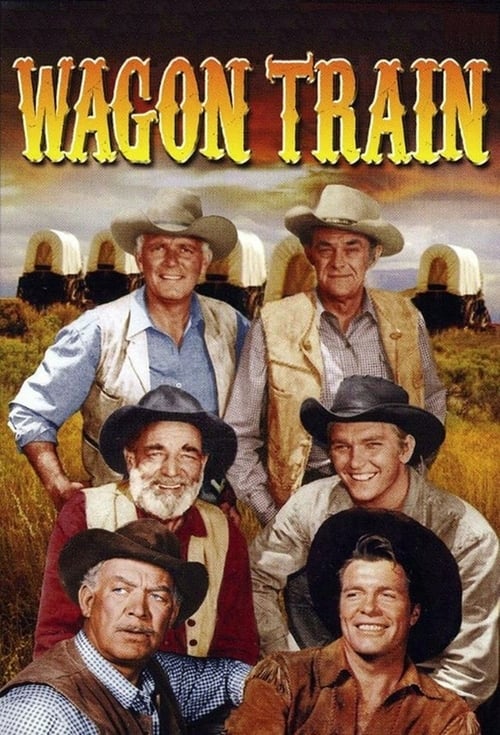
The series initially starred veteran movie supporting actor Ward Bond as the wagon master, later replaced upon his death by John McIntire, and Robert Horton as the scout, subsequently replaced by lookalike Robert Fuller a year after Horton had decided to leave the series. The series was inspired by the 1950 film Wagon Master directed by John Ford and starring Ben Johnson, Harry Carey Jr. and Ward Bond, and harkens back to the early widescreen wagon train epic The Big Trail starring John Wayne and featuring Bond in his first major screen appearance playing a supporting role. Horton's buckskin outfit as the scout in the first season of the television series resembles Wayne's, who also played the wagon train's scout in the earlier film.
Wagon Train

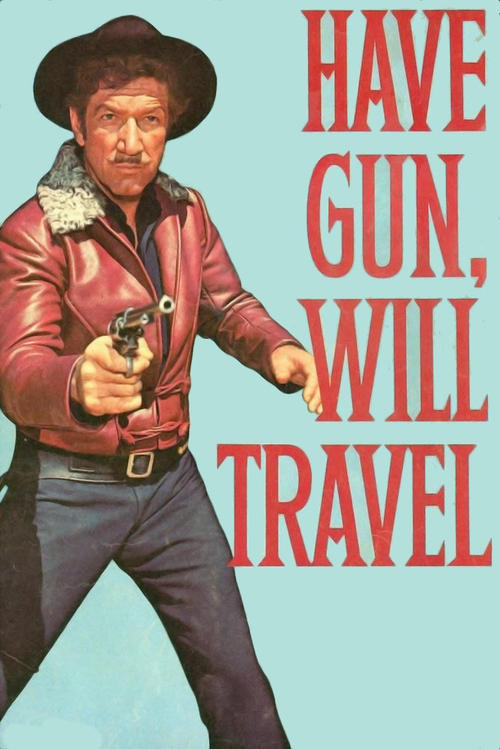
Have Gun – Will Travel is an American Western television series that aired on CBS from 1957 through 1963. It was rated number three or number four in the Nielsen ratings every year of its first four seasons. It was one of the few television shows to spawn a successful radio version. The radio series debuted November 23, 1958. The television show is presently shown on the Encore-Western channel. Have Gun – Will Travel was created by Sam Rolfe and Herb Meadow and produced by Frank Pierson, Don Ingalls, Robert Sparks, and Julian Claman. There were 225 episodes of the TV series, 24 written by Gene Roddenberry. Other contributors included Bruce Geller, Harry Julian Fink, Don Brinkley and Irving Wallace. Andrew McLaglen directed 101 episodes and 19 were directed by series star Richard Boone.
Have Gun, Will Travel

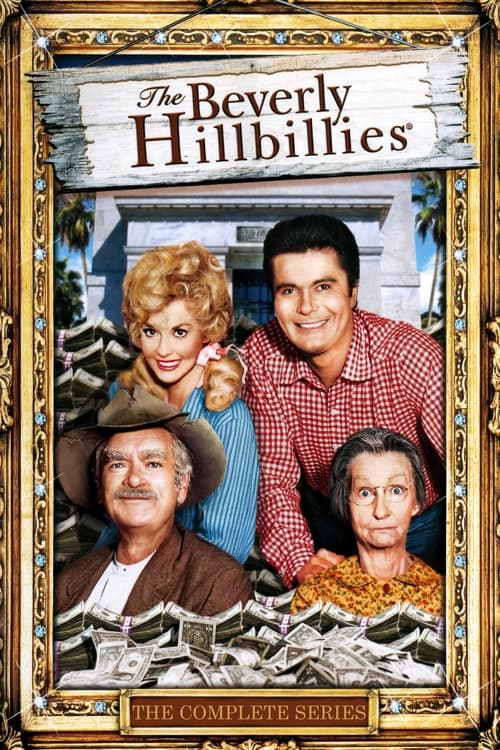
Jed Clampett's swamp is loaded with oil. When a wildcatter discovers the huge pool, Jed sells his land to the O.K. Oil Company and at the urging of cousin Pearl, moves his family to a 35-room mansion in Beverly Hills, California.
The Beverly Hillbillies
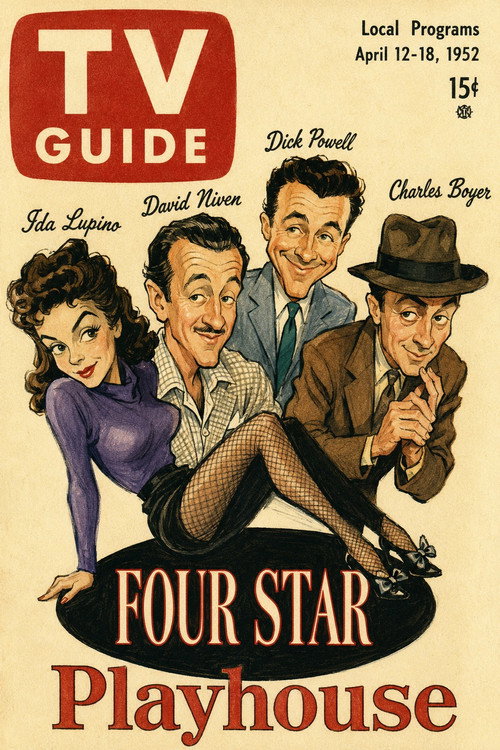
Four Star Playhouse is an American television anthology series that ran from 1952 to 1956, sponsored in its first bi-weekly season by The Singer Company; Bristol-Myers became an alternate sponsor when it became a weekly series in the fall of 1953. The original premise was that Charles Boyer, Ida Lupino, David Niven, and Dick Powell would take turns starring in episodes. However, several other performers took the lead from time to time, including Ronald Colman and Joan Fontaine. Blake Edwards was among the writers and directors who contributed to the series. Edwards created the recurring character of illegal gambling house operator Willie Dante for Dick Powell to play on this series. The character was later revamped and spun off in his own series starring Howard Duff, then-husband of Lupino. The pilot for Meet McGraw, starring Frank Lovejoy, aired here, as did another episode in which Lovejoy recreated his role of Chicago newspaper reporter Randy Stone, from the radio drama Nightbeat.
Four Star Playhouse

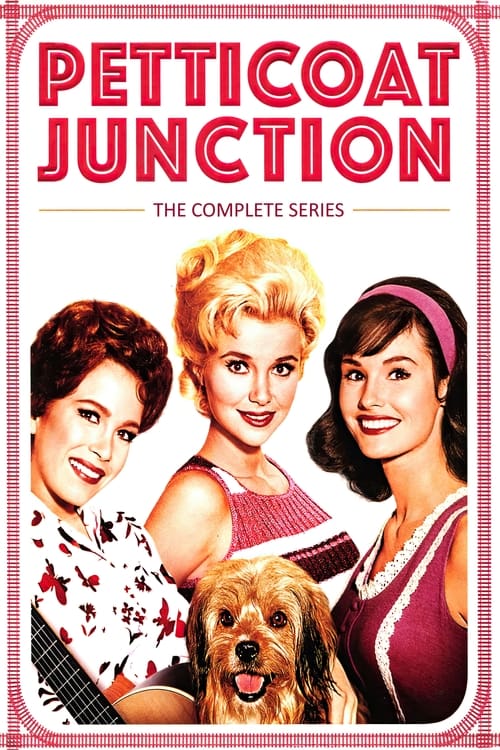
The Bradley family are proud owners of the Shady Rest Hotel. Kate and her three young daughters do the job of running the hotel.
Petticoat Junction

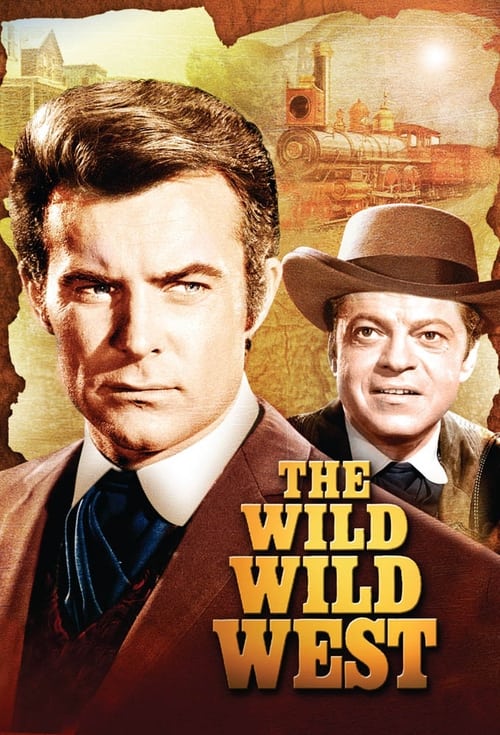
The Wild Wild West is an American television series. Developed at a time when the television western was losing ground to the spy genre, this show was conceived by its creator, Michael Garrison, as "James Bond on horseback." Set during the administration of President Ulysses Grant, the series followed Secret Service agents James West and Artemus Gordon as they solved crimes, protected the President, and foiled the plans of megalomaniacal villains to take over all or part of the United States. The show also featured a number of fantasy elements, such as the technologically advanced devices used by the agents and their adversaries. The combination of the Victorian era time-frame and the use of Verne-esque style technology have inspired some to give the show credit for the origins of the steam punk subculture.
The Wild Wild West

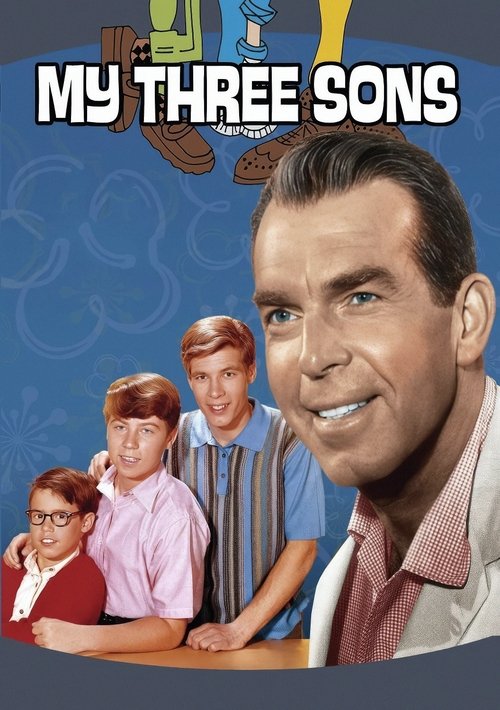
A widower and aeronautical engineer named Steven Douglas raises three sons with the help of his father-in-law, and later the boys' great-uncle. An adopted son, a stepdaughter, wives, and another generation of sons join the loving family in later seasons.
My Three Sons

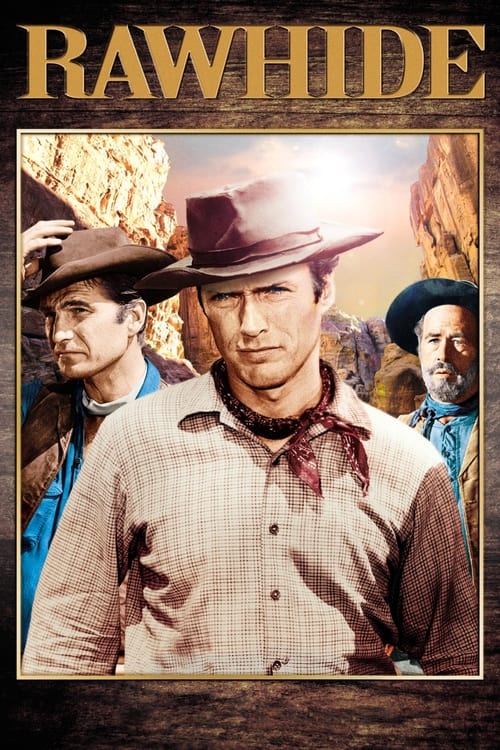
The tale of trail boss Gil Favor and his trusty foreman Rowdy Yates as they drives cattle across the old west. Along the way they meet up with adventure and drama.
Rawhide

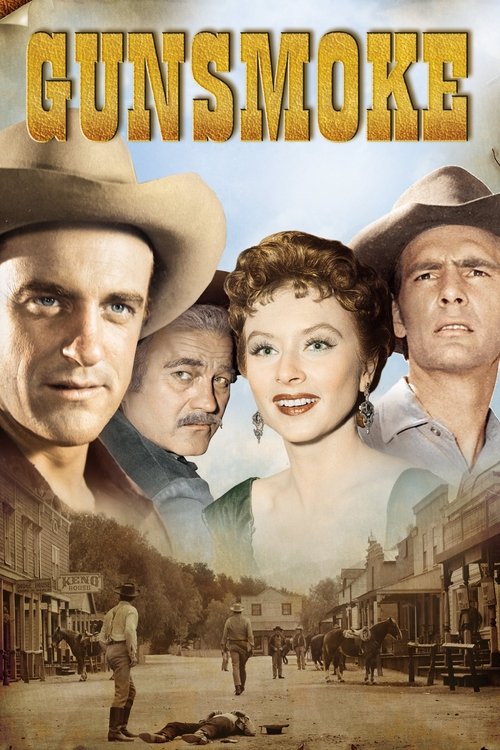
Gunsmoke is an American radio and television Western drama series created by director Norman MacDonnell and writer John Meston. The stories take place in and around Dodge City, Kansas, during the settlement of the American West. The central character is lawman Marshal Matt Dillon, played by William Conrad on radio and James Arness on television.
Gunsmoke

A television anthology series hosted by Alfred Hitchcock featuring dramas, thrillers, and mysteries.
Alfred Hitchcock Presents

Richard Diamond, Private Detective is an American detective drama which aired on radio from 1949 to 1953, and on television from 1957 to 1960.
Richard Diamond, Private Detective

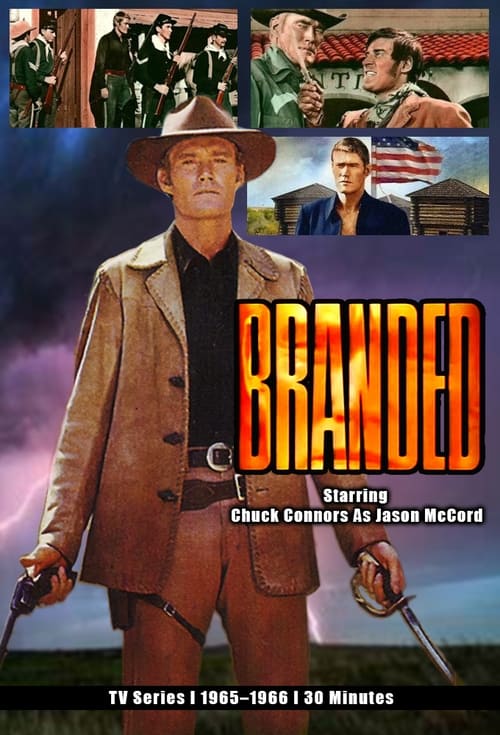
Branded is an American Western series which aired on NBC from 1965 through 1966, sponsored by Procter & Gamble in its Sunday night 8:30 p.m. Eastern Time period, and starred Chuck Connors as Jason McCord, a United States Army Cavalry captain who had been drummed out of the service following an unjust accusation of cowardice.
Branded

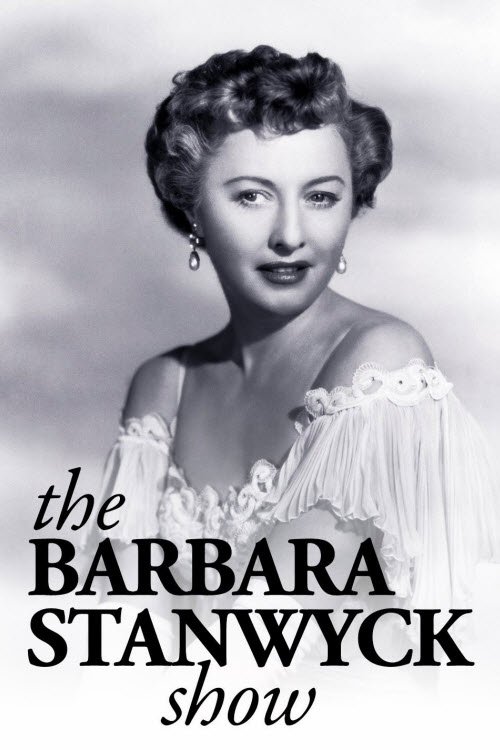
An American anthology drama television series hosted by Barbara Stanwyck served.
The Barbara Stanwyck Show

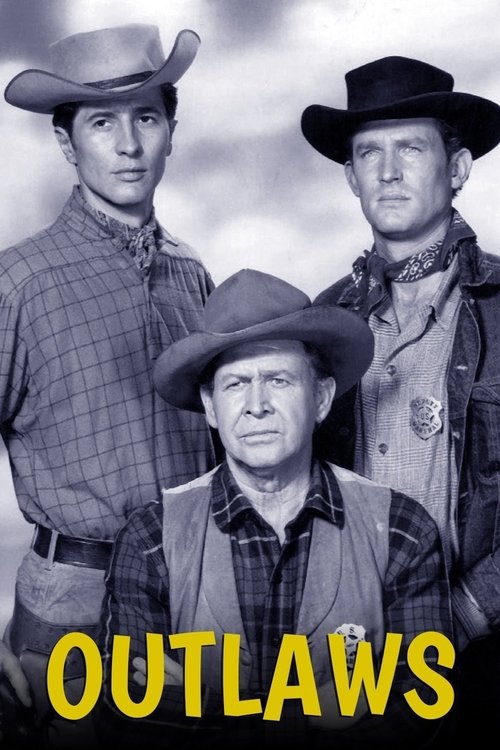
Outlaws is an NBC Western television series, starring Barton MacLane as U.S. marshal Frank Caine, who operated in a lawless section of Oklahoma Territory about Stillwater. The program aired 50 one-hour episodes from September 29, 1960, to May 10, 1962. The first season was shot in black-and-white, the second in color. Co-starring with MacLane in the 1960–1961 season was Don Collier as deputy marshal Will Foreman. In the second season, MacLane left the program, and Collier was promoted to full marshal, with Bruce Yarnell joining the cast as deputy marshal Chalk Breeson. Jock Gaynor appeared in the first season as deputy Heck Martin, the on-screen nephew of Will Foreman. Slim Pickens appeared as "Slim" in the second season. Judy Lewis also appeared the second season as Connie Masters, an employee of the Wells Fargo office in Stillwater. The dog who appeared in Walt Disney's Old Yeller was also cast in The Outlaws. Others who appeared on the program on at least three occasions were Vic Morrow, Cliff Robertson, Pippa Scott, and Harry Townes. In addition, John Anderson, Edgar Buchanan, Jackie Coogan, Bruce Gordon, Robert Harland, Robert Lansing Cloris Leachman, Robert Karnes, Brian Keith, Larry Pennell, Chris Robinson, William Shatner, Ray Walston, Jack Warden, and David Wayne each appeared twice in the series.
Outlaws

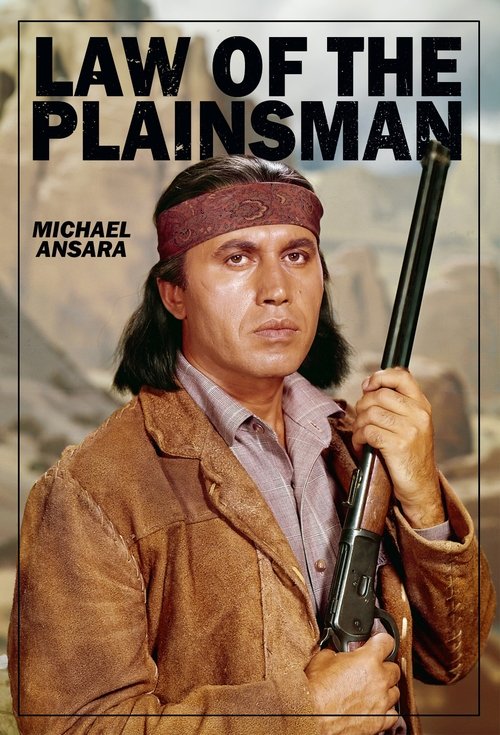
Law of the Plainsman is a Western television series starring Michael Ansara that aired on the NBC television network from October 1, 1959, until May 5, 1960. The character of Native American U.S. Marshal Sam Buckhart was introduced in two episodes of the popular ABC Western television series The Rifleman starring Chuck Connors as Lucas McCain. Law of the Plainsman is distinctive and unique in that it was one of the few television programs that featured a Native American as the lead character, a bold move for U.S.network television at that time. Ansara had earlier appeared in the series Broken Arrow, having portrayed the Apache chief, Cochise. Ansara, however, was not Native American but of Syrian descent. Ansara played Sam Buckhart, an Apache Indian who saved the life of a U.S. Cavalry officer after an Indian ambush. When the officer died, he left Sam money that was used for an education at private schools and Harvard University. After school, he returned to New Mexico where he became a Deputy Marshal working for Marshal Andy Morrison. He lived in a boarding house run by Martha Commager. The only other continuing character was 8-year old Tess Logan, an orphan who had been rescued by Buckhart. Robert Harland, later of Target: The Corruptors! starred in seven episodes as Deputy Billy Lordan. Wayne Rogers, who went on to star in another Four Star western, Stagecoach West, and later, M*A*S*H, also played deputy Lordan in several episodes.
Law of the Plainsman
The concept of the series was the showing of unaired and unsold television pilots that did not make the television lineup for CBS. The show was successful during its first few seasons due to the fact that the show's concept, airing unsold and unaired television pilots, was a popular concept in the 1960s. But during its last two seasons on the air, the series did find some trouble due to the fact that the series were running out of pilots to air and, in their 4th season, they began airing repeats from the three seasons prior. During its 1966 summer run, the series aired eights new pilots and two repeats and during its last year airing five new pilots and four repeats.
Vacation Playhouse

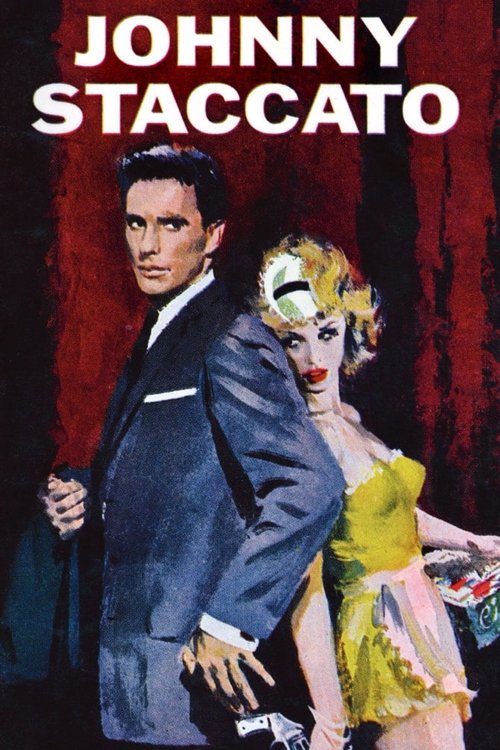
Jazz pianist Johnny Staccato supplements his meager musician's income by working as a private detective. The background for many of the episodes is his friend "Waldo's" jazz club in New York City's Greenwich Village, featuring performances by the Pete Candoli jazz combo which included Barney Kessel, Shelly Manne, Red Mitchell, Red Norvo and Johnny Williams. The theme was composed by Elmer Bernstein.
Johnny Staccato

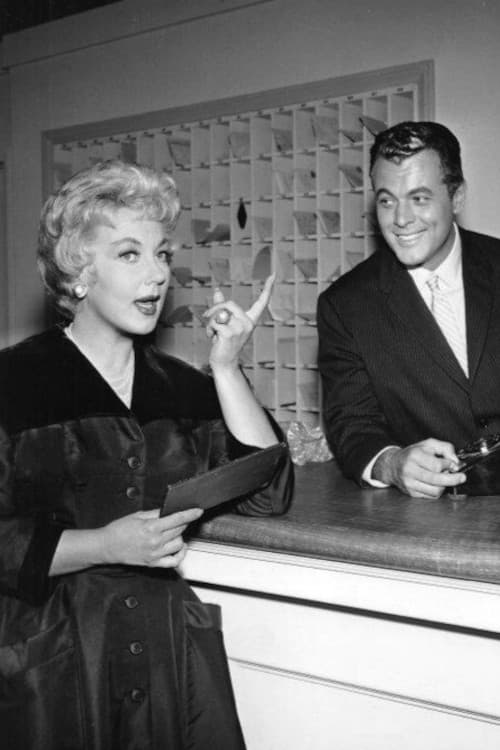
The Ann Sothern Show is an American sitcom starring Ann Sothern that aired on CBS for 93 episodes. The series began on October 6, 1958, and ended on September 25, 1961. The Ann Sothern Show was Sothern's second sitcom for CBS. Her first series, Private Secretary, ended in 1957 after a contract dispute occurred between Sothern and Secretary's producer Jack Chertok. Several of Private Secretary's cast members appeared in the show.