Production
Policeman Asgeir moves to an idyllic town in the west part of Norway. After a local conflict, he meets a mysterious woman named Ragna, and soon they are both trapped in a network of right-wing radical forces that threaten Europe.
A metropolitan woman on a train, lost in her thoughts, is forced by an intense experience to break out of her bubble and connect with another passenger, despite seemingly having nothing in common.
Ada and Ewa are two young schoolteachers in love who discover that their apartment building is scheduled for demolition. Unwilling to return to their families, and lacking both savings and clear prospects, they embark on a chaotic quest for a new home. Their journey through the city transforms into an absurd odyssey, introducing them to various fellow citizens navigating the housing crisis. Amidst this systemic uncertainty, they fight to preserve both their sense of humor and their relationship.
A young, Polish woman is forced to choose between her family and her career as an actress.
The Muranow neighborhood in Warsaw was once a flourishing and important center of Jewish life. During World War II the neighborhood was turned into the Warsaw Ghetto. When the war ended, the neighborhood was rebuilt with the rubble of its own destruction. Today, thousands of Poles live in the green and spacious Muranow, yet its' dark past keeps haunting it. Polish residents claim that Jewish ghosts live in the neighborhood. At night they shake off the dust and ashes that cover them, and wander the streets they once lived in. Other residents think the ghosts are a metaphor for the life, culture, and memories of the Jewish people buried beneath the ground.
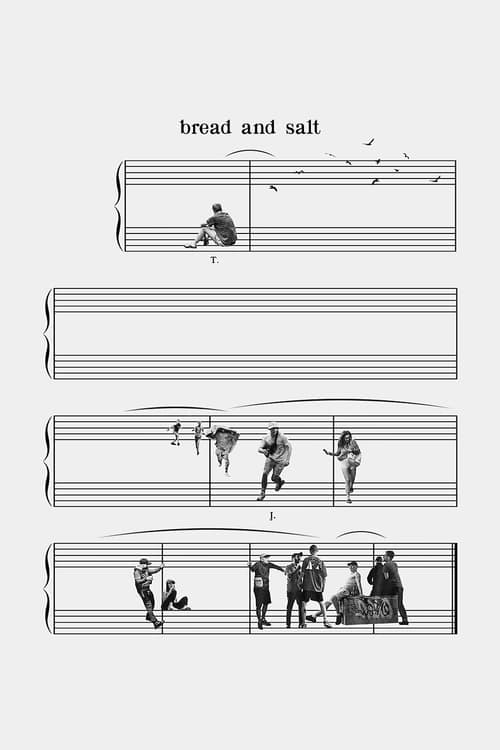
Tymek, a young pianist, student of the Warsaw University of Music, returns to his provincial town on vacation, where his mother, younger brother and friends from the neighborhood are waiting for him. The central meeting point for local youth is the newly opened kebab bar. Tymek witnesses a spiral of tensions between the employees of the Arabian kebab and his buddies.
Mikolaj and Ada, a middle-aged, middle-aged couple, happy slightly above the Polish average, with one daughter, Mela. Their stabilized life is complicated by the appearance of a second child, the fruit of a slip-up. How will the characters cope in the face of the new challenge?
Directors Katarzyna Iskra and Justyna Pelc encourage several characters to surrender themselves to the hands of a therapist offering non-erotic touch sessions. The soothing effect of this unusual procedure also affects us, reminding us that cinema has the potential to be not only a space for reflection but also relaxation.