Acting
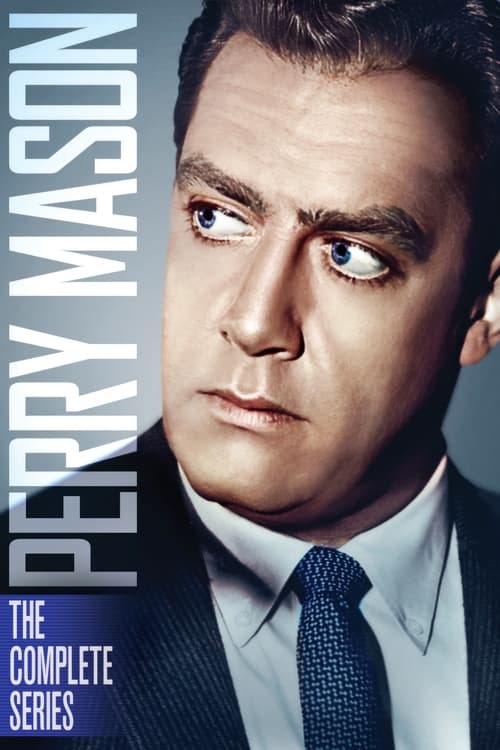
The cases of master criminal defense attorney Perry Mason and his staff who handled the most difficult of cases in the aid of the innocent.
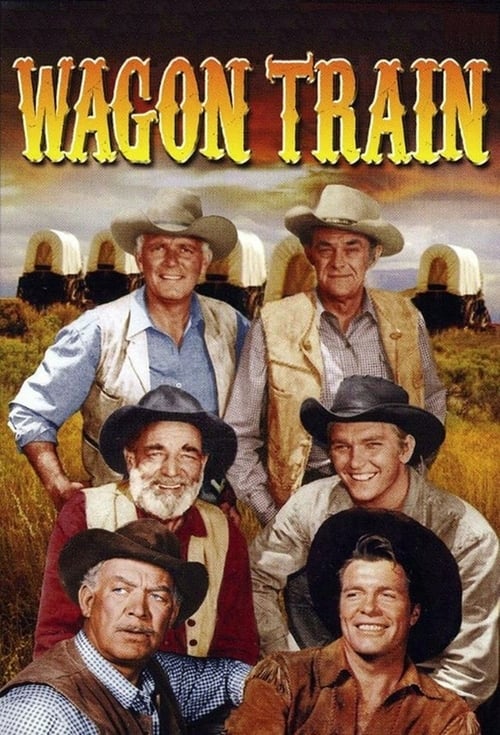
The series initially starred veteran movie supporting actor Ward Bond as the wagon master, later replaced upon his death by John McIntire, and Robert Horton as the scout, subsequently replaced by lookalike Robert Fuller a year after Horton had decided to leave the series. The series was inspired by the 1950 film Wagon Master directed by John Ford and starring Ben Johnson, Harry Carey Jr. and Ward Bond, and harkens back to the early widescreen wagon train epic The Big Trail starring John Wayne and featuring Bond in his first major screen appearance playing a supporting role. Horton's buckskin outfit as the scout in the first season of the television series resembles Wayne's, who also played the wagon train's scout in the earlier film.
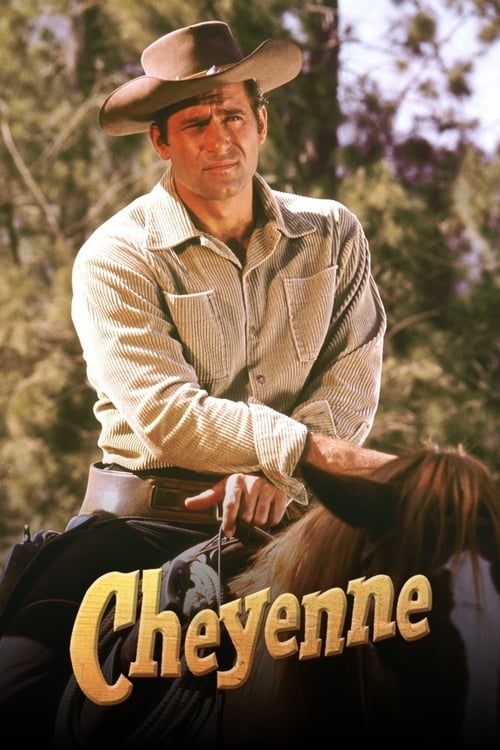
Cheyenne Bodie was a big man, a former army scout who went west after the American Civil War and drifted from job to job, here a cowboy, there a lawman, and always a larger-than-life hero. CHEYENNE is an American western television series of 108 black-and-white episodes broadcast on ABC from 1955 to 1963. The show was the first hour-long western, and in fact the first hour-long dramatic series of any kind, with continuing characters, to last more than one season. It was also the first series to be made by a major Hollywood film studio which did not derive from its established film properties, and the first of a long chain of Warner Brothers original series produced by William T. Orr.
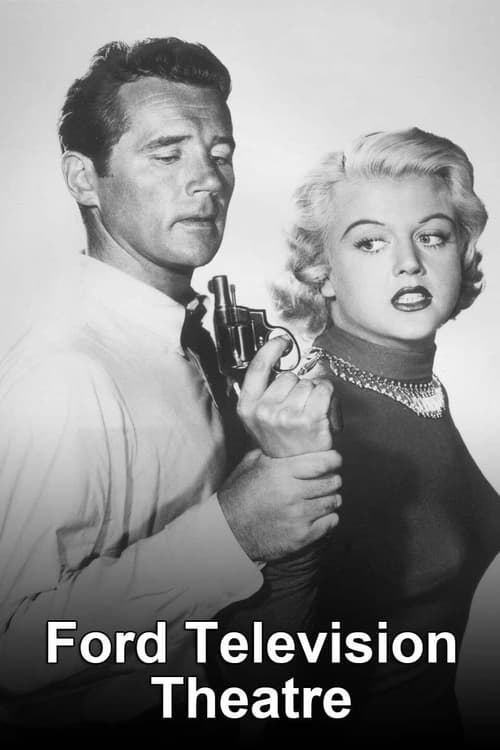
This show started in New York City, with Broadway actors and actresses. It then moved to Hollywood, California, where Hollywood actors and actresses headed the cast.
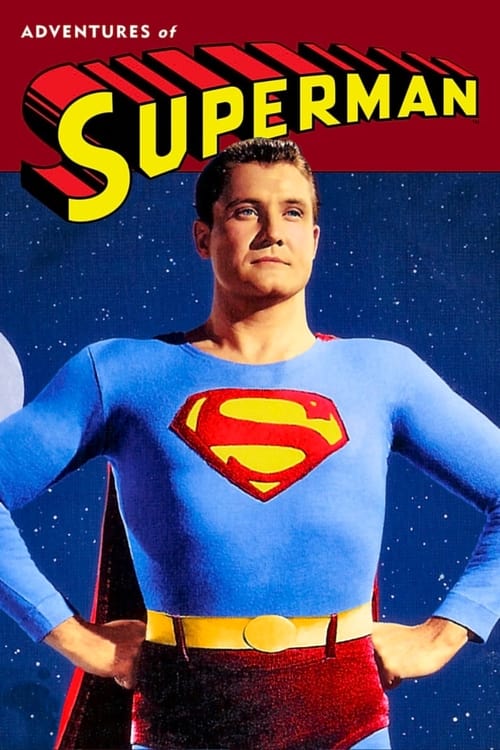
It's a bird! It's a plane! It's a syndicated TV adaptation of the beloved DC Comics superhero! You know the drill: When he isn't fighting for truth, justice and the American way, the man in tights dons a suit and glasses for his secret identity as Daily Planet newspaper reporter Clark Kent, who works alongside friends Lois Lane and Jimmy Olsen for gruff boss Perry White.
An anthology series that explored the ways sudden and unexpected wealth changed life for better or for worse. It told the stories of people who were given one million dollars from a benefactor who insisted they never know him, with one exception.
December Bride is an American sitcom that aired on the CBS television network from 1954 to 1959, adapted from the original CBS radio network series that aired from June 1952 through September 1953.
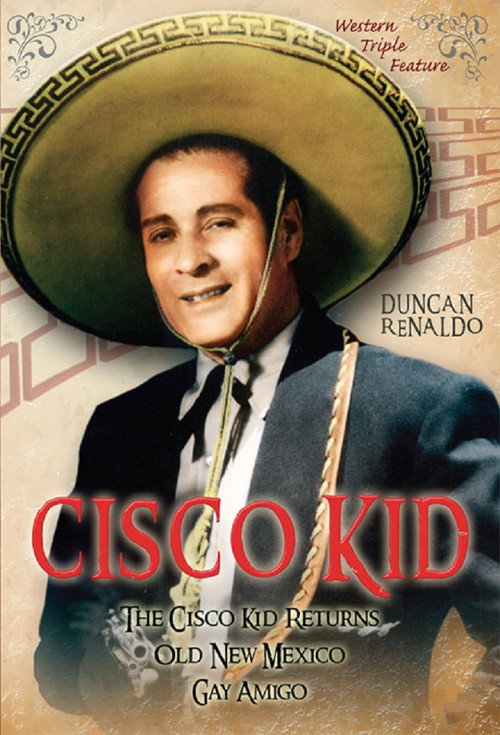
The Cisco Kid is a half-hour American Western television series starring Duncan Renaldo in the title role, The Cisco Kid, and Leo Carrillo as the jovial sidekick, Pancho. Cisco and Pancho were technically desperados, wanted for unspecified crimes, but instead viewed by the poor as Robin Hood figures who assisted the downtrodden when law enforcement officers proved corrupt or unwilling to help. It was also the first television series to be filmed in color, although few viewers saw it in color until the 1960s.
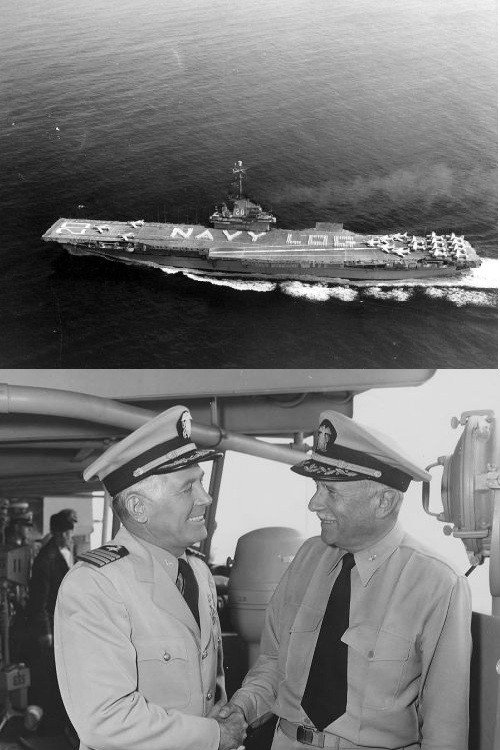
Navy Log is an American drama anthology series that initially aired for one season on CBS. It relates the greatest survival war stories in the history of the United States Navy. This series premiered on September 20, 1955, but the following year, it was moved to ABC, where it aired until September 25, 1958. The program aired for a total of three seasons and 102 episodes.
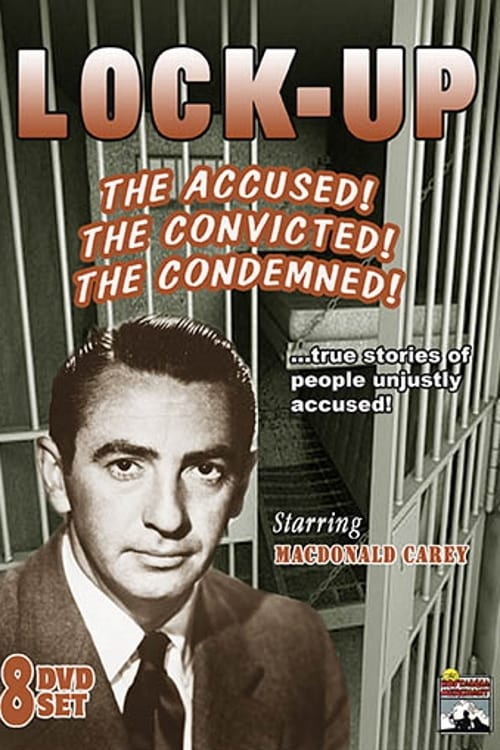
Lock-Up is an American legal drama series that premiered in syndication in September 1959 and concluded in June 1961. The half-hour episodes had little time for character development or subplots and presented a compact story without embellishment.
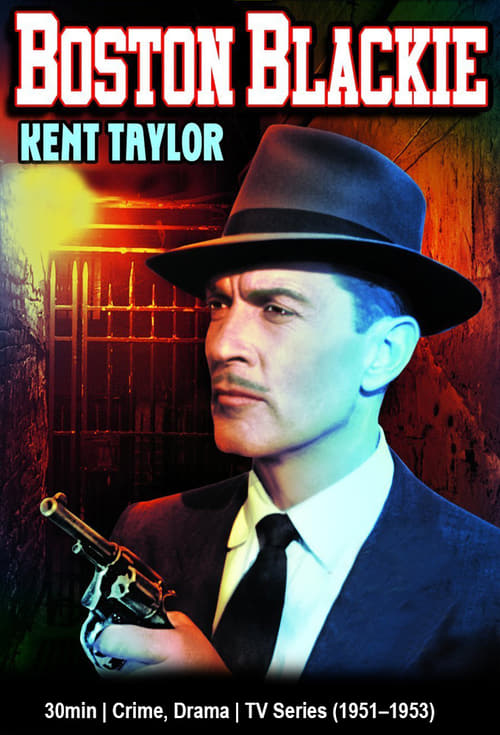
Blackie and gal pal Mary, and their dog Whitey, solve lots of Los Angeles crimes before the cops can do it.
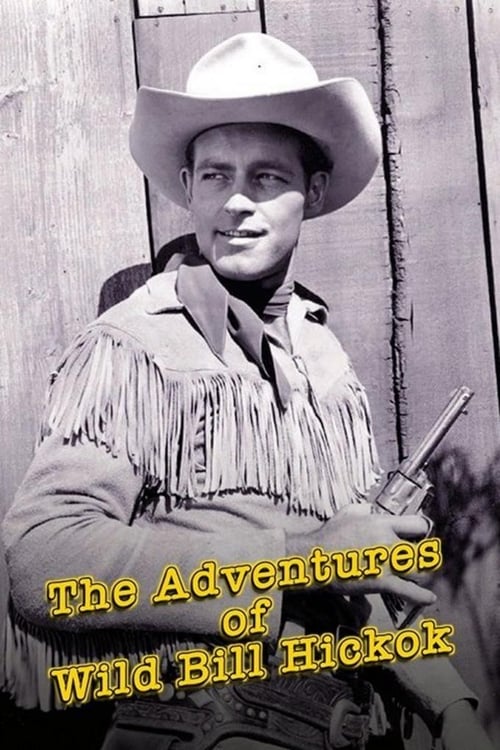
The Adventures of Wild Bill Hickok is an American Western television series which ran for eight seasons from 1951 through 1958. The Screen Gems series began in syndication, but ran on CBS from 1955 through 1958, and, at the same time, on ABC from 1957 through 1958.
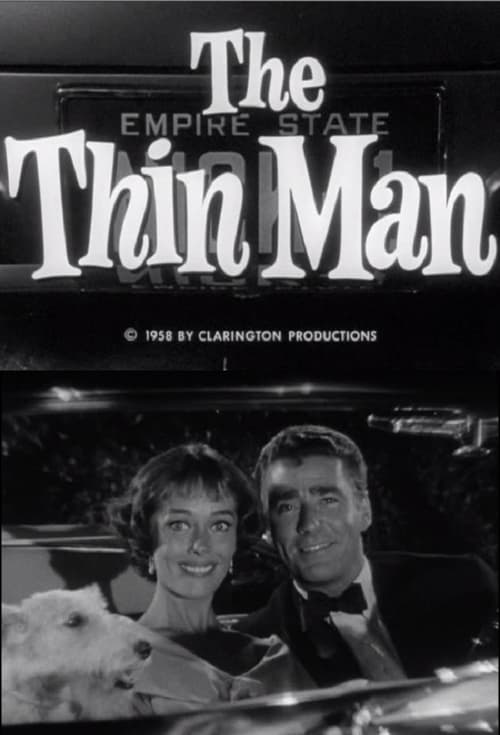
Nick Charles was a private detective who married the wealthy Nora and decided to settle down and leave the good life. Unfortunately for the couple, Nick's past frequently caught up with him and got the couple involved in mystery after mystery. The series was based on the popular MGM series of movies of the 1930's starring William Powell and Myrna Loy. Peter Lawford and Phyllis Kirk starred as the televison versions of Nick and Nora which ran on NBC for two seasons from 1957-59.
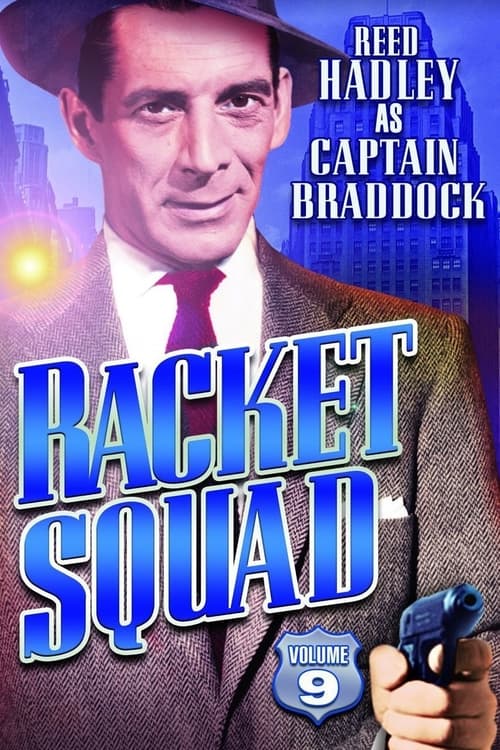
Racket Squad is an American TV crime drama series starring Reed Hadley as Captain John Braddock, a fictional detective working for the San Francisco, California Police Department. The show aired in syndication for a season before being picked up by CBS for three seasons. The series was filmed at Hal Roach Studios in Culver City, California, and was sponsored by cigarette manufacturer Philip Morris, hence there was a pack of the sponsor's brand on Braddock's desk at the beginning and end of the episode, as well as occasional scenes of him or other characters "lighting up".
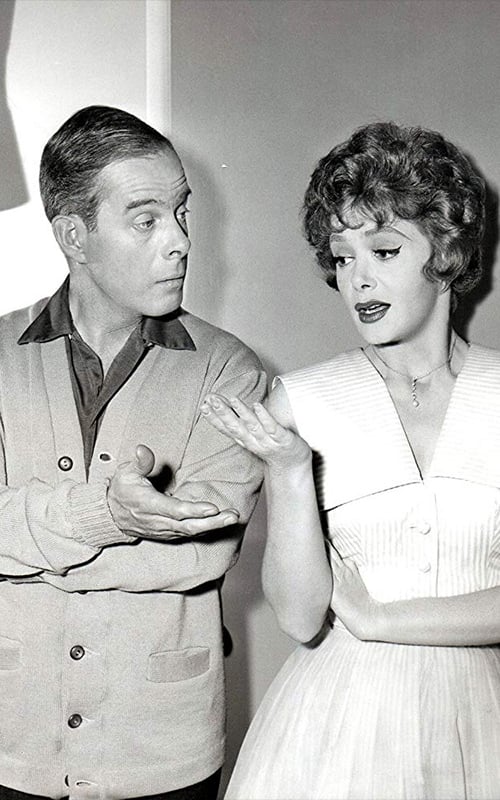
Pete and Gladys is an American situation comedy television series starring Harry Morgan and Cara Williams that aired on CBS on Mondays at 8:00 p.m. Eastern and Pacific time for two seasons, beginning on September 19, 1960. The last episode was broadcast on September 10, 1962.
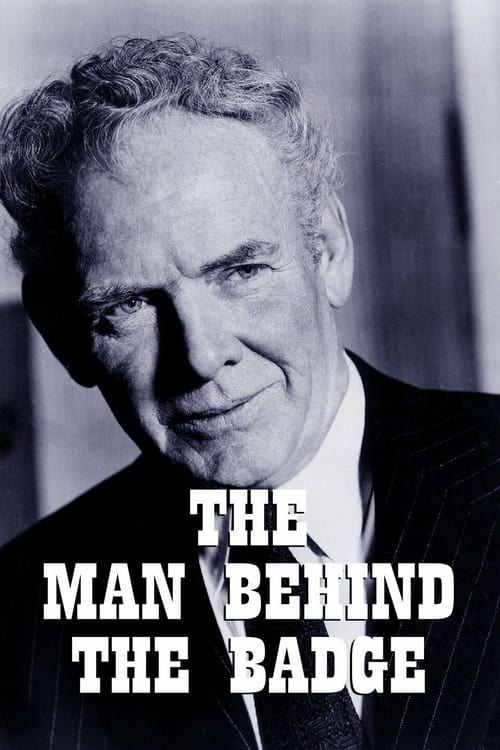
The Man Behind the Badge is the title of a half-hour American television police drama series which aired on the CBS from 1953-1955 starring and hosted by character actor Charles Bickford. Years later, Bickford appeared as one of the owners of Shiloh Ranch in the NBC western series, The Vrginian. In its first season, The Man Behind the Badge aired on Sundays at 9:30 p.m. EST opposite ABC's Jukebox Jury.
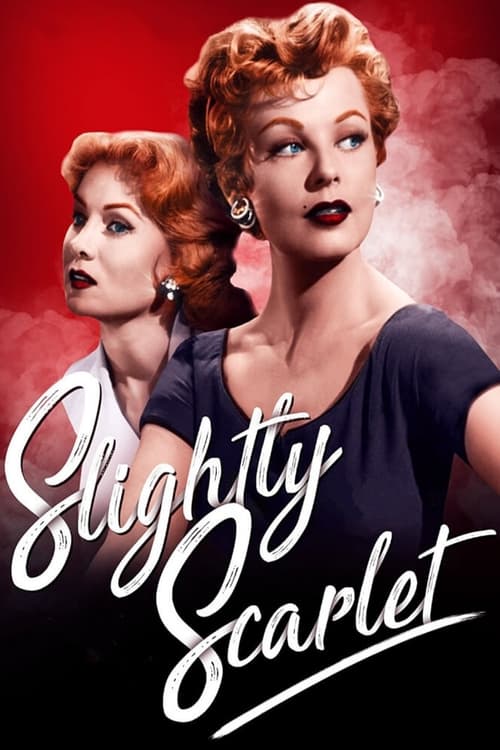
Kleptomaniac Dorothy Lyons is paroled from prison into the custody of her sister June, secretary to "reform" politician Frank Jansen. Ben Grace, associate of crime boss Sol "Solly" Caspar, sees this as a way to smear Jansen's campaign. Seductive Dorothy will do anything to get what she wants, which includes having a good time with Ben-- whom June is now in love with.
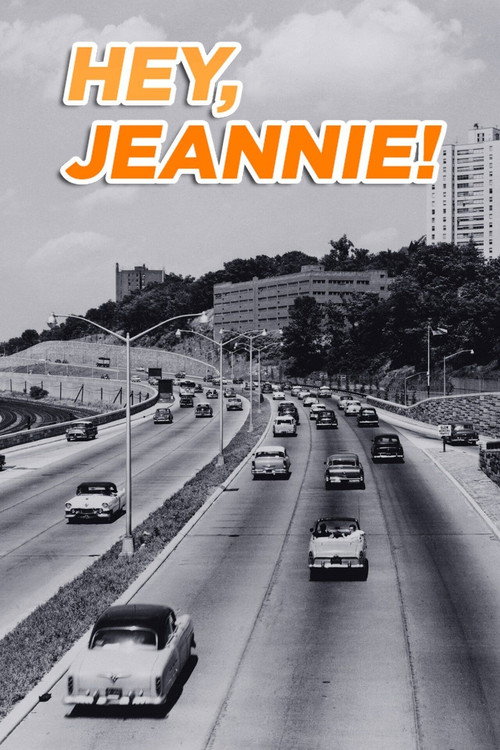
Hey, Jeannie! is an American situation comedy starring Jeannie Carson as a young Scottish woman living in New York City. Twenty-six episodes aired on CBS from September 8, 1956 to May 4, 1957 in the Saturday slot following The Gale Storm Show and preceding the western series Gunsmoke. Six additional episodes aired in 1958 in syndication. Reruns of Hey, Jeannie! aired during the summer of 1960 under the title The Jeannie Carson Show.
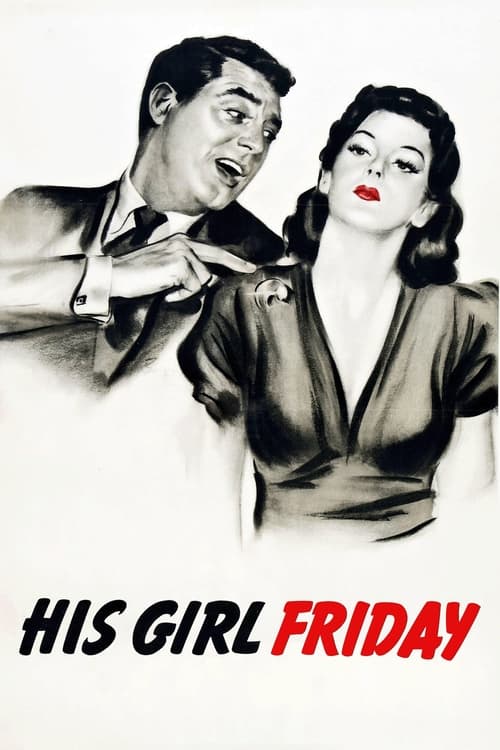
Walter Burns is an irresistibly conniving newspaper publisher desperate to woo back his paper’s star reporter, who also happens to be his estranged wife. She’s threatening to quit and settle down with a new beau, but, as Walter knows, she has a weakness: she can’t resist a juicy scoop.
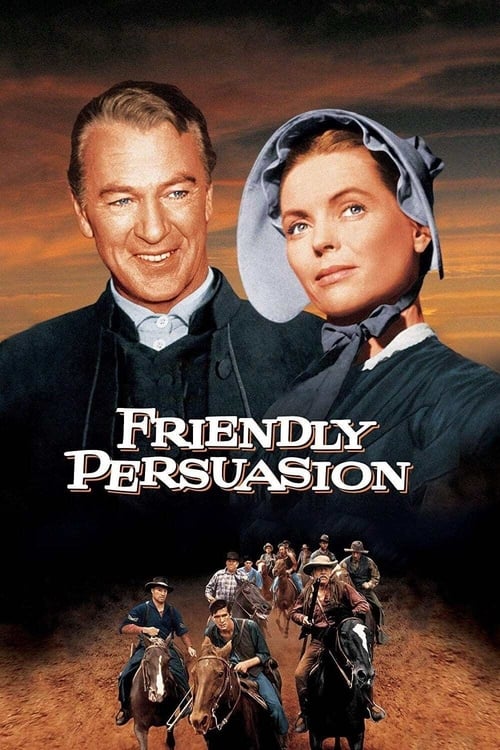
The story of a family of Quakers in Indiana in 1862. Their religious sect is strongly opposed to violence and war. It's not easy for them to meet the rules of their religion in everyday life but when Southern troops pass the area they are in real trouble. Should they fight, despite their peaceful attitude?