FEEL IT.STREAM
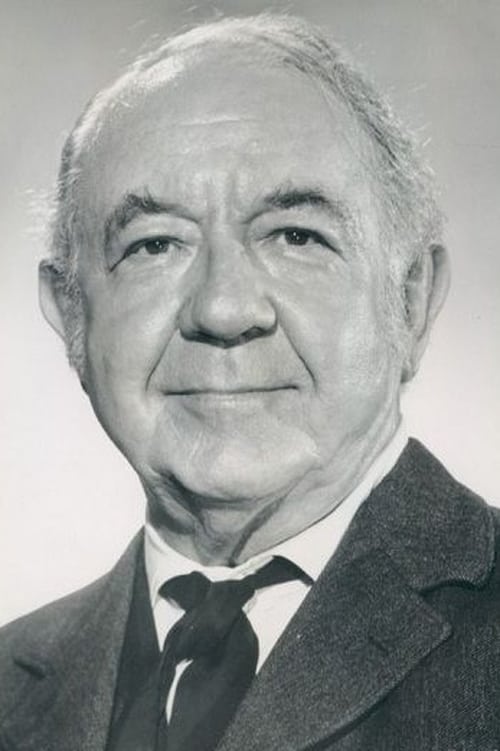
Cecil Kellaway

Cecil Kellaway

Acting

Biography

From Wikipedia, the free encyclopedia. Cecil Lauriston Kellaway (22 August 1890 – 28 February 1973) was a South African-born character actor. Cecil Kellaway spent many years as an actor, author, and director in the Australian film industry until he tried his luck in Hollywood in the 1930s. Finding he could get only gangster bit parts, he got discouraged and returned to Australia. Then William Wyler called and offered him a part in Wuthering Heights (1939). Kellaway died 28 February 1973 in Hollywood, California, and his ashes were entombed in the Sanctuary of Remembrance, at Westwood Village Memorial Park Cemetery. He received two Best Supporting Actor nominations, for The Luck of the Irish and Guess Who's Coming to Dinner. Academy Award winning actor Edmund Gwenn, whose real surname was Kellaway also, was his cousin. Description above from the Wikipedia article Cecil Kellaway, licensed under CC-BY-SA, full list of contributors on Wikipedia
Known For

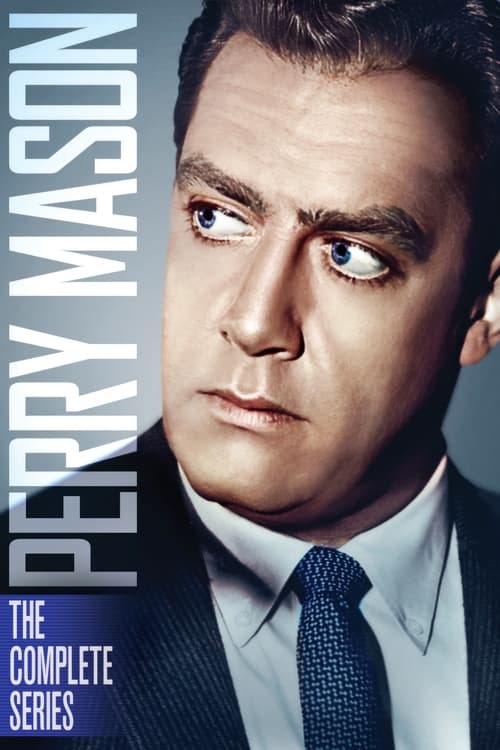
Perry Mason
7.7

The cases of master criminal defense attorney Perry Mason and his staff who handled the most difficult of cases in the aid of the innocent.

Perry Mason

1957
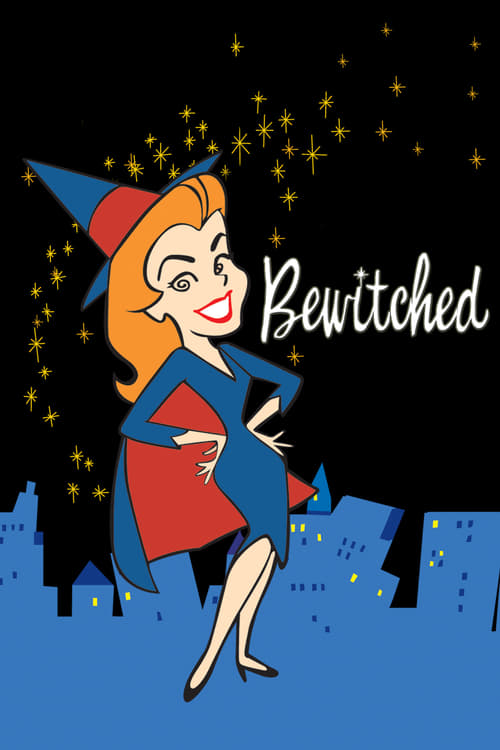
Bewitched
7.9

Samantha Stephens is a seemingly normal suburban housewife who also happens to be a genuine witch, with all the requisite magical powers. Her husband Darrin insists that Samantha keep her witchcraft under wraps, but situations invariably require her to indulge her powers while keeping her bothersome mother Endora at bay.

Bewitched

1964
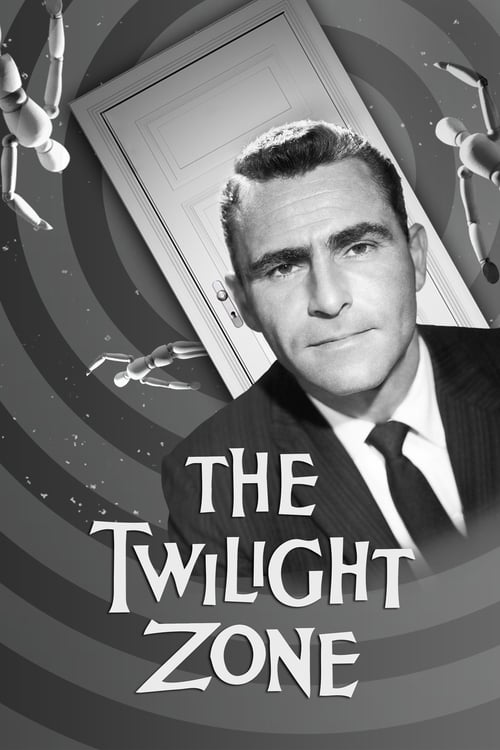
The Twilight Zone
8.5

An anthology series containing drama, psychological thriller, fantasy, science fiction, suspense, and/or horror, often concluding with a macabre or unexpected twist.

The Twilight Zone

1959
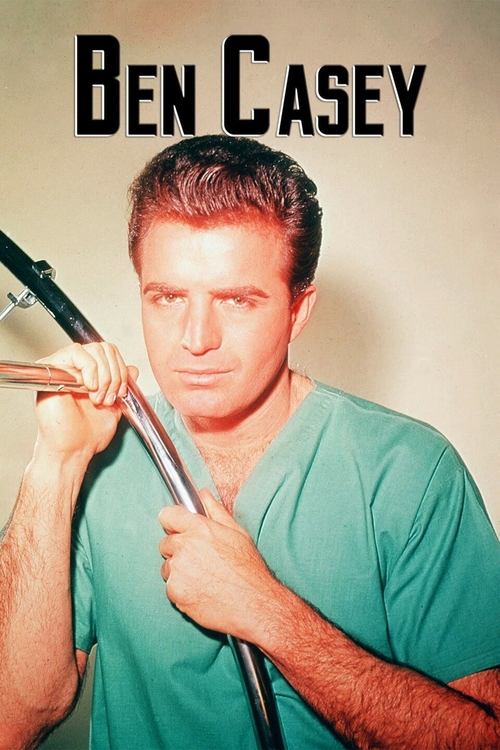
Ben Casey
5.9

No description available.

Ben Casey

1961
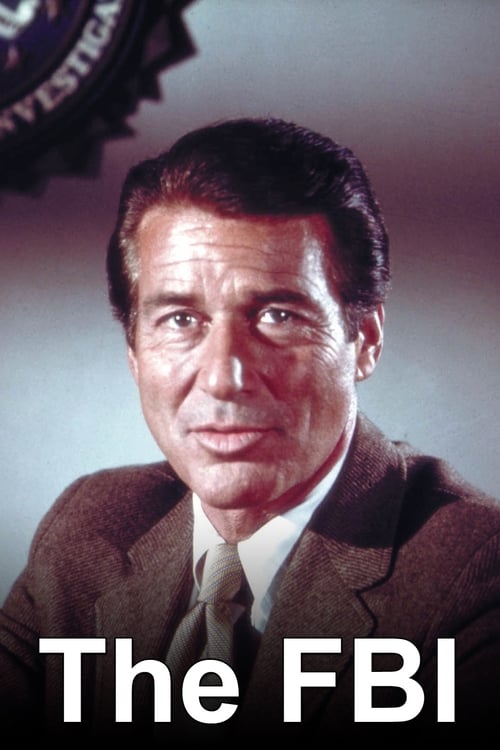
The F.B.I.
5.6

The F.B.I. is an American television series that was broadcast on ABC from 1965 to 1974. It was sponsored by the Ford Motor Company, and the characters almost always drove Ford vehicles in the series. Alcoa was co-sponsor of Season One only.

The F.B.I.

1965
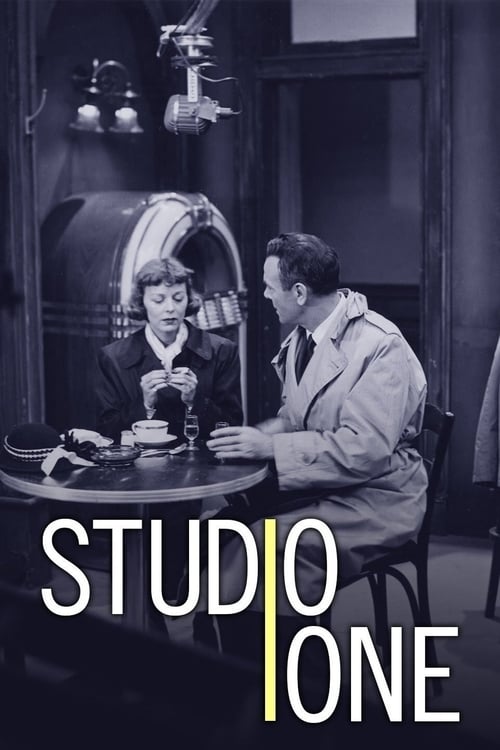
Studio One
5.4

An American radio–television anthology series, created in 1947 by Canadian director Fletcher Markle, who came to CBS from the CBC. Studio One, presented by Westinghouse, was one of the first of the anthology TV programs. The episodes were often abridged remakes of movies from years gone by and many future well-known television and movie actors appeared in the productions.

Studio One

1948
Matinee Theater
5.3

Matinee Theater is an American anthology series that aired on NBC during the Golden Age of Television, from 1955 to 1958. The series, which ran daily in the afternoon, was frequently live. It was produced by Albert McCleery, Darrell Ross, George Cahan and Frank Price with executive producer George Lowther. McCleery had previously produced the live series Cameo Theatre which introduced to television the concept of theater-in-the-round, TV plays staged with minimal sets. Jim Buckley of the Pewter Plough Playhouse recalled: When Al McCleery got back to the States, he originated a most ambitious theatrical TV series for NBC called Matinee Theater: to televise five different stage plays per week live, airing around noon in order to promote color TV to the American housewife as she labored over her ironing. Al was the producer. He hired five directors and five art directors. Richard Bennett, one of our first early presidents of the Pewter Plough Corporation, was one of the directors and I was one of the art directors and, as soon as we were through televising one play, we had lunch and then met to plan next week’s show. That was over 50 years ago, and I’m trying to think; I believe the TV art director is his own set decorator —yes, of course! It had to be, since one of McCleery’s chief claims to favor with the producers was his elimination of the setting per se and simply decorating the scene with a minimum of props. It took a bit of ingenuity.

Matinee Theater

1955
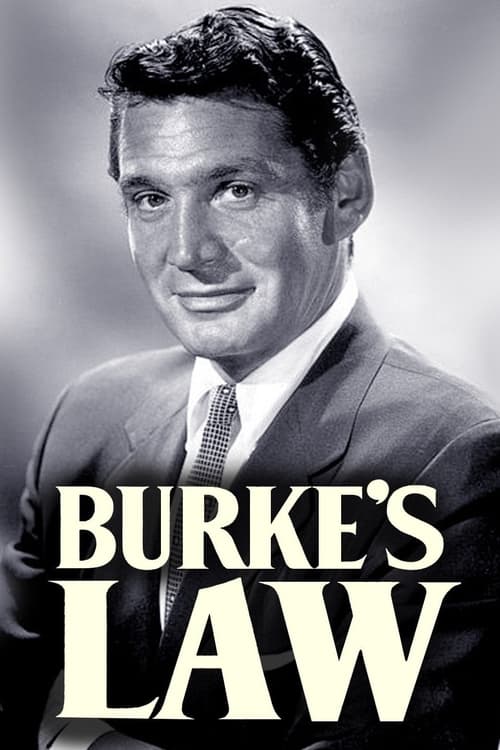
Burke's Law
6.3

Burke's Law is an American detective series that ran on ABC from 1963 to 1965 and was revived on CBS in the 1990s. The show starred Gene Barry as Amos Burke, millionaire captain of Los Angeles police homicide division, who was chauffeured around to solve crimes in his Rolls-Royce Silver Cloud II.

Burke's Law

1963
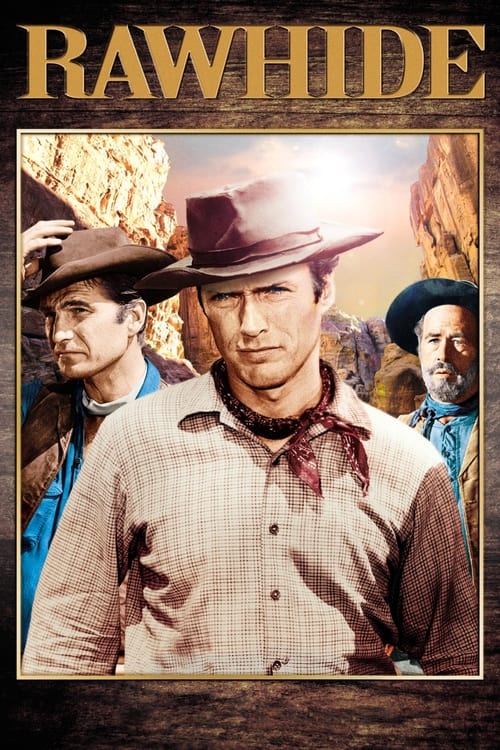
Rawhide
7.2

The tale of trail boss Gil Favor and his trusty foreman Rowdy Yates as they drives cattle across the old west. Along the way they meet up with adventure and drama.

Rawhide

1959
The Donna Reed Show
6.5

Revolves around typical family problems, such as firing a clumsy housekeeper, throwing a retirement bash for a colleague, and finding quality time away from the children.

The Donna Reed Show

1958
That Girl
6.2

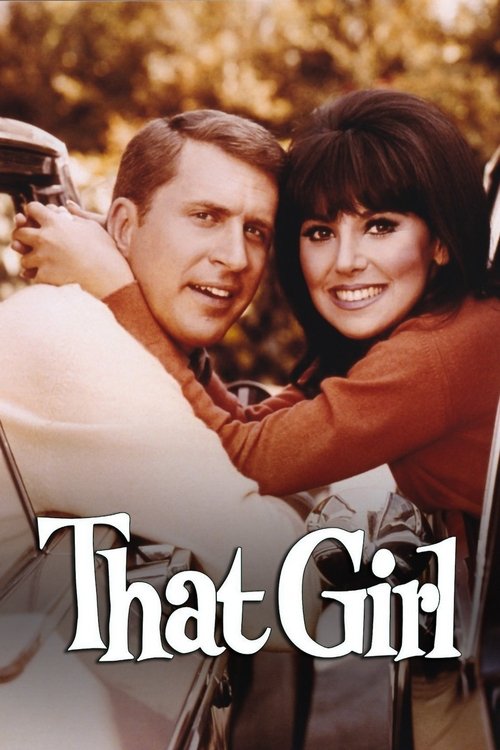
That Girl is an American sitcom that ran on ABC from 1966 to 1971. It stars Marlo Thomas as the title character Ann Marie, an aspiring actress, who moves from her hometown of Brewster, New York to try to make it big in New York City. Ann has to take a number of offbeat "temp" jobs to support herself in between her various auditions and bit parts. Ted Bessell played her boyfriend Donald Hollinger, a writer for Newsview Magazine; Lew Parker and Rosemary DeCamp played Lew Marie and Helen Marie, her concerned parents. Bernie Kopell, Ruth Buzzi and Reva Rose played Ann and Donald's friends. That Girl was developed by writers Bill Persky and Sam Denoff, who had served as head writers on The Dick Van Dyke Show earlier in the 1960s.

That Girl

1966
The Colgate Comedy Hour
6.9

The Colgate Comedy Hour is an American comedy-musical variety series that aired live on the NBC network from 1950 to 1955. The show starred many notable comedians and entertainers of the era, including Eddie Cantor, Dean Martin and Jerry Lewis, Fred Allen, Donald O'Connor, Bud Abbott and Lou Costello, Bob Hope, Jimmy Durante, Ray Bolger, Gordon MacRae, Ben Blue, Robert Paige, Tony Curtis, Burt Lancaster, Broadway dancer Wayne Lamb and Spike Jones and His City Slickers.

The Colgate Comedy Hour

1950
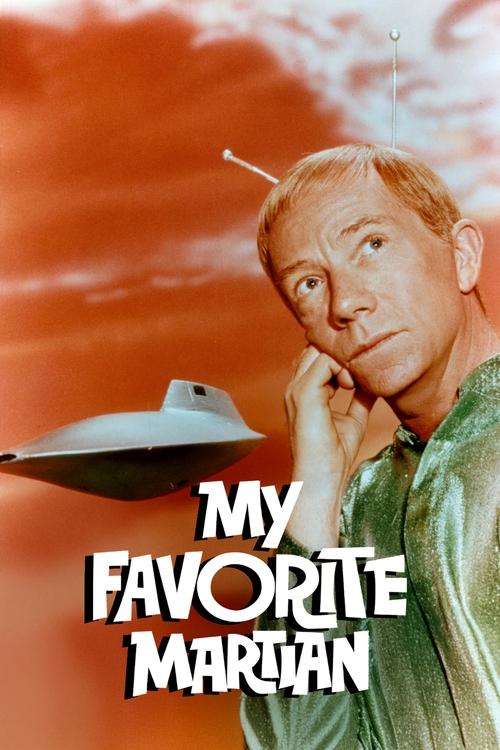
My Favorite Martian
6.1

Newspaper reporter Tim O'Hara finds a crashed alien spaceship that contains one live alien. Not wanting to be discovered by the authorities, the Martian assumes the identity of Tim's Uncle Martin and begins to repair his spaceship so that he can return to Mars.

My Favorite Martian

1963
Adventures in Paradise
6.1

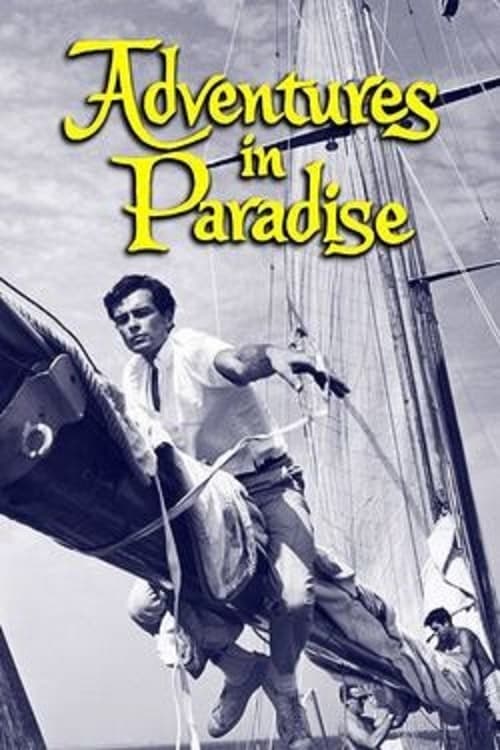
Adventures in Paradise is an American television series created by James Michener which ran on ABC from 1959 until 1962, starring Gardner McKay as Adam Troy, the captain of the schooner Tiki III, which sailed the South Pacific looking for passengers and adventure. USA Network aired reruns of this series between 1984 and 1988. The plots deal with the romantic and detective stories of Korean War veteran Troy. The supporting cast, varying from season to season, features George Tobias, Guy Stockwell, and Linda Lawson.

Adventures in Paradise

1959
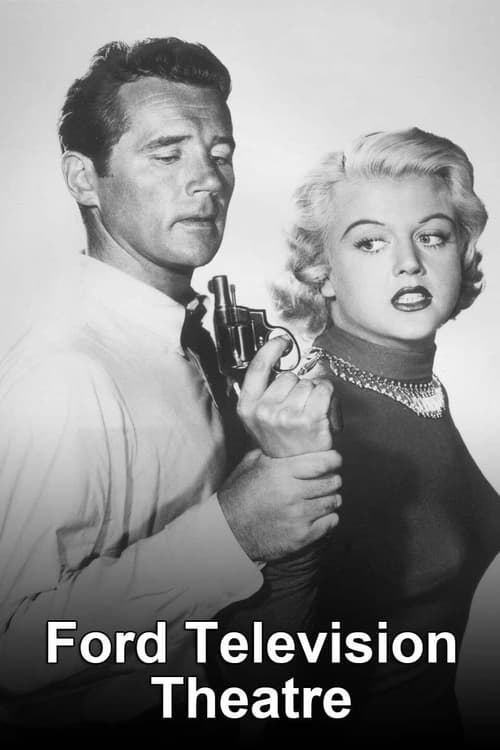
The Ford Television Theatre
7.8

This show started in New York City, with Broadway actors and actresses. It then moved to Hollywood, California, where Hollywood actors and actresses headed the cast.

The Ford Television Theatre

1952
No image
7.5

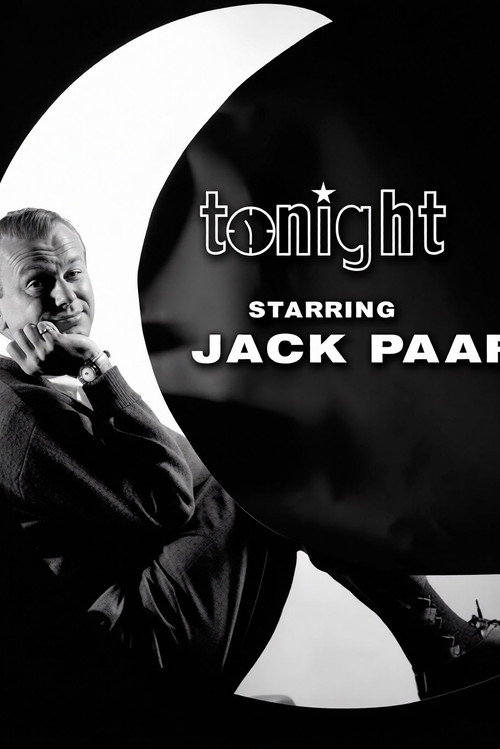
Tonight Starring Jack Paar is an American talk show hosted by Jack Paar under The Tonight Show franchise from 1957 to 1962. It originally aired during late-night. During most of its run it was broadcast from Studio 6B inside the RCA Building. The same studio would also host early episodes of The Tonight Show Starring Johnny Carson, and Late Night with Jimmy Fallon. Its theme song was an instrumental version of "Everything's Coming Up Roses", and the closing theme was "So Until I See You" by Al Lerner.

Tonight Starring Jack Paar

1957
Studio 57
8.0

Studio 57 is an American anthology series that was broadcast on the now-defunct DuMont Television Network from September 1954 to September 1955, and in syndication from 1955 to 1956.

Studio 57

1954
The Millionaire
5.8

An anthology series that explored the ways sudden and unexpected wealth changed life for better or for worse. It told the stories of people who were given one million dollars from a benefactor who insisted they never know him, with one exception.

The Millionaire

1955
Cavalcade of America
4.6

Cavalcade of America is an anthology drama series that was sponsored by the DuPont Company, although it occasionally presented a musical, such as an adaptation of Show Boat, and condensed biographies of popular composers. It was initially broadcast on radio from 1935 to 1953, and later on television from 1952 to 1957. Originally on CBS, the series pioneered the use of anthology drama for company audio advertising. Cavalcade of America documented historical events using stories of individual courage, initiative and achievement, often with feel-good dramatizations of the human spirit's triumph against all odds. This was consistent with DuPont's overall conservative philosophy and legacy as an American company dating back to 1802. The company's motto, "Maker of better things for better living through chemistry," was read at the beginning of each program, and the dramas emphasized humanitarian progress, particularly improvements in the lives of women, often through technological innovation.

Cavalcade of America

1952
No image
6.7

Lux Video Theatre is an American anthology series that was produced from 1950 until 1959. The series presented both comedy and drama in original teleplays, as well as abridged adaptations of films and plays.

Lux Video Theatre

1950