César Guimarães
Directing
Known For

The documentary “Pagliacci” celebrates – in a poetic way – what it means to be a clown. The film addresses philosophical and symbolic questions about man’s need to laugh at himself. In a sensorial and emotional mix, the film starts from what is most human and true: laughter.
Pagliacci

Through the shared creation of scenes and performances with masters from Reinado do Rosário and Umbanda, the film makes it possible to see and feel the ancestral knowledge made present and updated in the body attitudes, gestures, words, dances and songs of Pedrina de Lourdes Santos , Captain of the Massambike Suit of Nossa Senhora das Mercês, from Oliveira, MG, Maria Luiza Marcelino, Caretaker of the Spiritist Center Caboclo Pena Branca, from Ubá, MG, and José Bonifácio da Luz (Bengala), Captain of the Reinado Congo Guard of Nossa Senhora do Rosário, from the community of Arturos, Contagem, MG.
Lá nas Matas Tem

No description available.
A Ecologia dos Orixás

No description available.
O Encantar das Folhas

www.saberestradacionais.org Transversal Education in Traditional Knowledge UFMG filmed in Spring 2018 Makota Valdina Terreiro Nzo Onimboya, Salvador Educator, community and religious leader, activist for religious freedom and spokesperson for African-based religions, women's rights and black populations. Course: Arts and Crafts of Traditional Knowledge: Land Policies In the second half of 2018, we received Makota Valdina as a professor of the Earth Policies course. We expected her to come back in 2019 to call the bush back. When visiting the forest of Estação Ecológica (Ecological Park), she appears again in the images with her teachings and songs. This was the last time that she was filmed in life.
Portrait of Master Makota Valdina

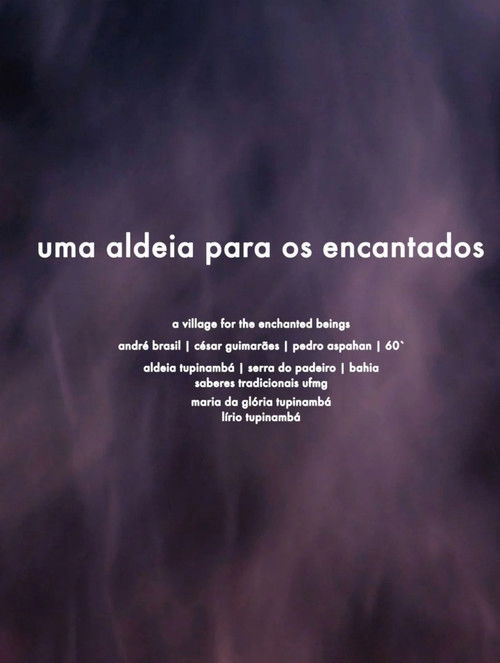
At the top of Serra do Padeiro (BA), the Tupinambá people resist invasions, reaffirming their original right to the territory. Leaders such as Dona Maria da Glória and the shaman Seu Lírio guide a daily life of care for the forest, rituals, and spiritual strength. The film is an intimate and political testimony of a continuous process of reclaiming and affirming the traditional existence of the Tupinambá people of Serra do Padeiro.