Irving Berlin
Writing
Biography
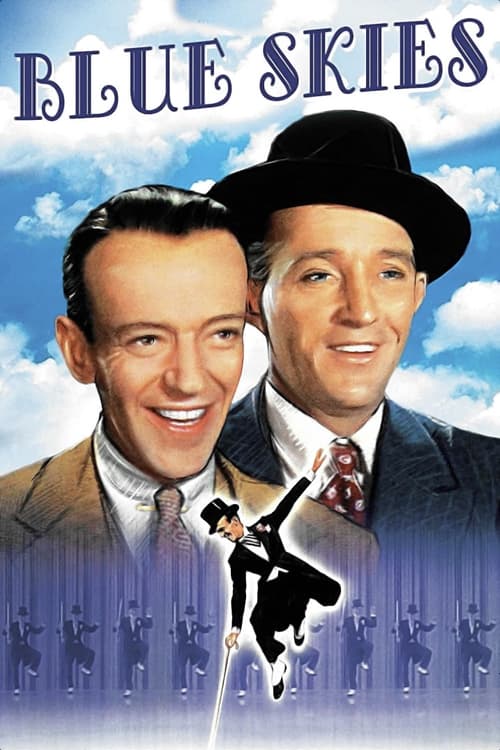
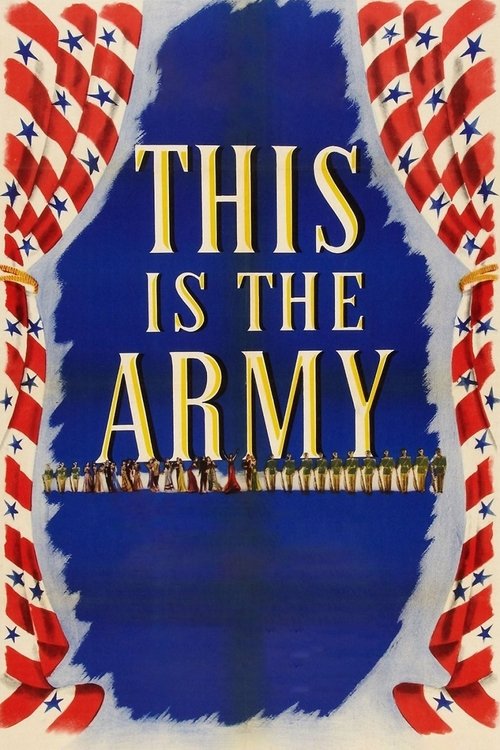
Irving Berlin was born Israel Isidor Baline on May 11, 1888 in Mogilev, Belarus, Russian Empire. Towering composer, songwriter, ("God Bless America", "Always", "Blue Skies", "White Christmas") author and publisher, he came to the United States at age 5 and was educated in New York's public schools. His earliest musical education was from his father, a cantor. He earned Honorary degrees from Bucknell University and Temple University. Beginning his career as a song-plugger for publisher Harry von Tilzer, Berlin worked as a singing waiter in Chinatown. In 1909, he was hired as a staff lyricist by the Ted Snyder Company, and became a partner to that firm four years later. In 1910, he began doing vaudeville appearances in the United States and abroad, and also appeared with Snyder in the Broadway musical "Up and Down Broadway", that ran for 72 performances. He joined ASCAP as a charter member in 1914, and served on its first board of directors between 1914-1918. Berlin enlisted the United States Army infantry in World War I, and was a sergeant at Camp Upton, New York. After the war, he established his own public-relations firm, and in 1921, he built the 1025-seat Music Box Theatre (at 239 W. 45th Street, New York) with Sam H. Harris. After Harris' death in 1941, Berlin assumed full ownership and the theatre remains a Broadway institution to this day. Among his many awards was the Medal for Merit for his 1942 all-soldier show "This Is the Army", which toured the United States, Europe and South Pacific battle zones; all proceeds were assigned to Army Emergency Relief and other service agencies. Berlin was also a member of the French Legion of Honor and held the Congressional Medal of Honor for "God Bless America", the proceeds from which went to the God Bless America Fund. His songs were sung by Fred Astaire, Al Jolson, Judy Garland, Bing Crosby, Dick Powell, Alice Faye and many others. Irving Berlin died at the age of 101 of natural causes on September 22, 1989 in New York City.
Known For

No description available.
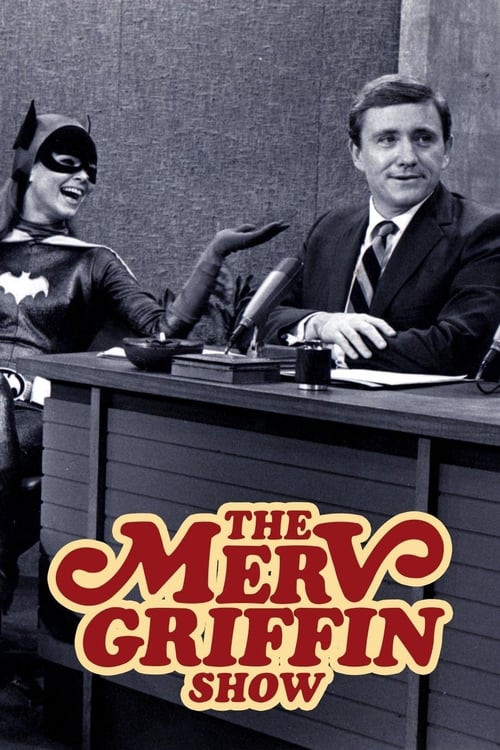
The Merv Griffin Show

The Ed Sullivan Show is an American TV variety show that originally ran on CBS from Sunday June 20, 1948 to Sunday June 6, 1971, and was hosted by New York entertainment columnist Ed Sullivan. It was replaced in September 1971 by the CBS Sunday Night Movie, which ran only one season and was eventually replaced by other shows. In 2002, The Ed Sullivan Show was ranked #15 on TV Guide's 50 Greatest TV Shows of All Time.
The Ed Sullivan Show

Omnibus was an arts-based BBC television documentary series, broadcast mainly on BBC1 in the United Kingdom. The programme was the successor to the long-running arts-based series 'Monitor'. It ran from 1967 until 2003, usually being transmitted on Sunday evenings. During its 35-year history, the programme won 12 Bafta awards. Among the series' best remembered documentaries are Cracked Actor, a profile of David Bowie, and Rene Magritte, a graduate film by David Wheatley, 'Madonna: Behind the American dream', a film produced by Nadia Hagger, and a profile of the British film director Ridley Scott. For a season in 1982, the series was in a magazine format presented by Barry Norman. The series was replaced by 'Imagine' hosted by Alan Yentob.
Omnibus

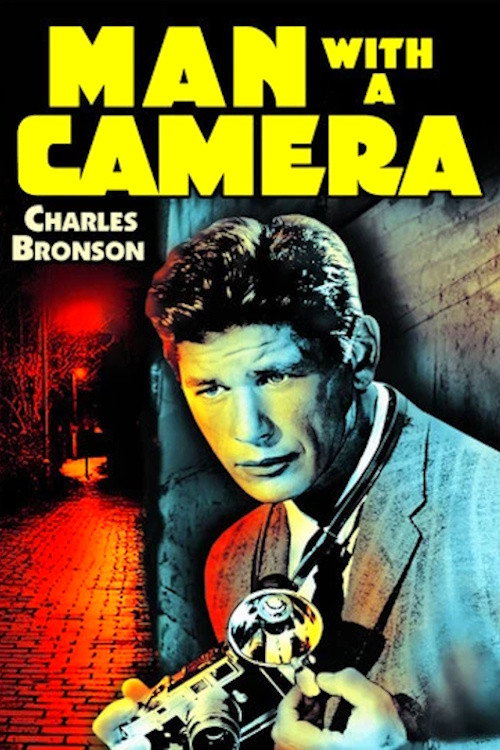
Man with a Camera is an American 1950s television crime drama starring Charles Bronson. Former combat cameraman Mike Kovac (Bronson) is now a freelance photographer in New York City, specializing in difficult and dangerous assignments where he can get the kinds of pictures that other photographers can't, or won't take. He sometimes gets help, often reluctantly, from his contact in the police department, Lt. Donovan, and advice from his immigrant father Anton. Throughout the 1950s, Bronson spent most of his early acting career performing in TV shows as well as small parts in films, until he landed the lead in this ABC series. This is the only series in which he played the lead role. He would go on to have supporting roles either as a guest star or a recurring character in dozens of TV shows after this series was cancelled.
Man with a Camera

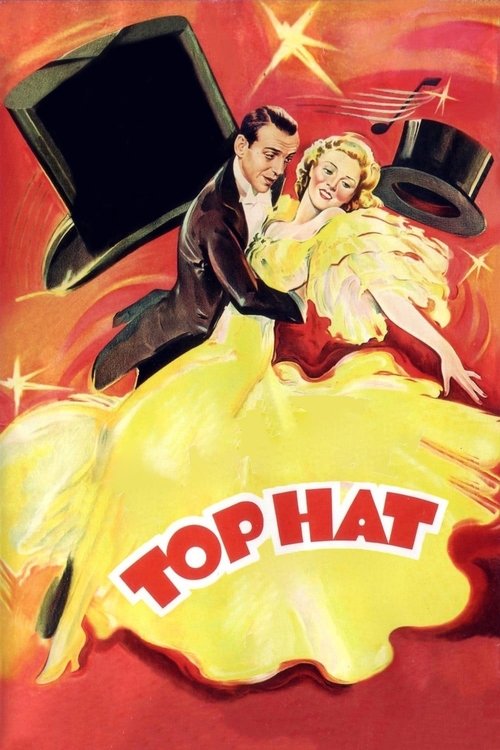
Showman Jerry Travers is working for producer Horace Hardwick in London. Jerry demonstrates his new dance steps late one night in Horace's hotel room, much to the annoyance of sleeping Dale Tremont below. She goes upstairs to complain and the two are immediately attracted to each other. Complications arise when Dale mistakes Jerry for Horace.
Top Hat

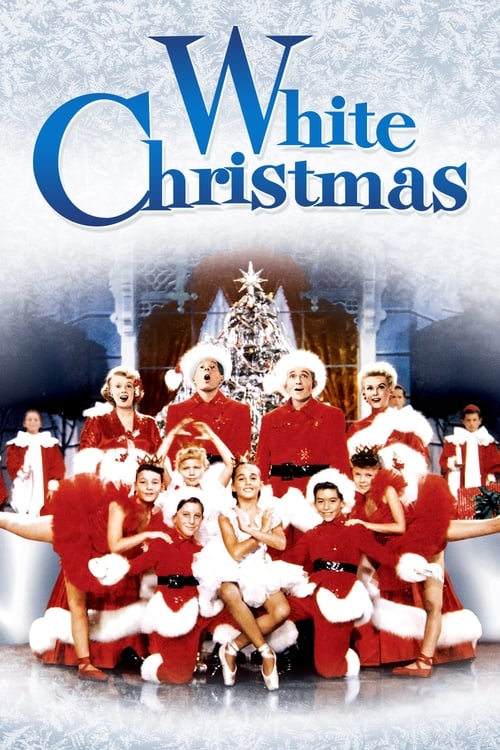
Two talented song-and-dance men team up after the war to become one of the hottest acts in show business. In time they befriend and become romantically involved with the beautiful Haynes sisters who comprise a sister act.
White Christmas

Period music, film clips and newsreel footage combined into a visual exploration of the American entertainment industry during the Great Depression.
Brother, Can You Spare a Dime?

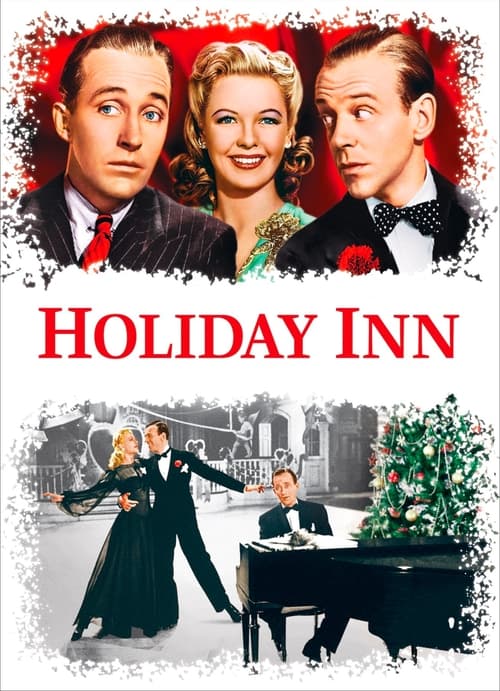
Lovely Linda Mason has crooner Jim Hardy head over heels, but suave stepper Ted Hanover wants her for his new dance partner after fickle Lila Dixon gives him the brush. Jim's supper club, Holiday Inn, is the setting for the chase by Hanover and his manager.
Holiday Inn

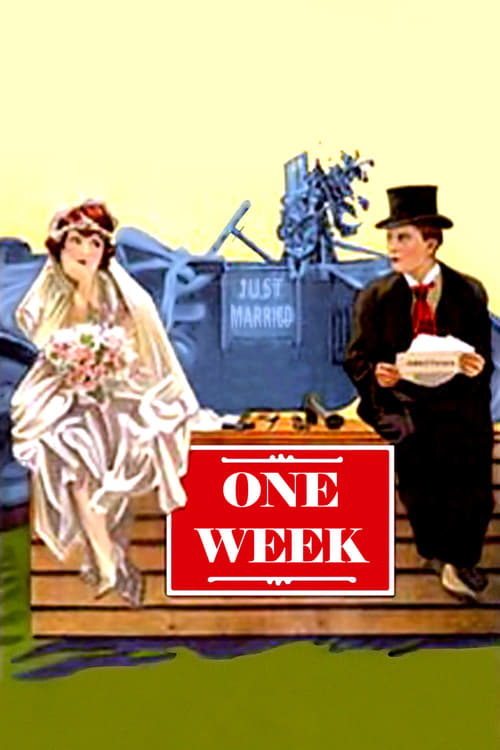
Newlyweds receive a build-it-yourself house as a wedding gift—and the house can, supposedly, be built in "one week". A rejected suitor secretly re-numbers packing crates, and the husband struggles to assemble the house according to this new 'arrangement' of its parts.
One Week

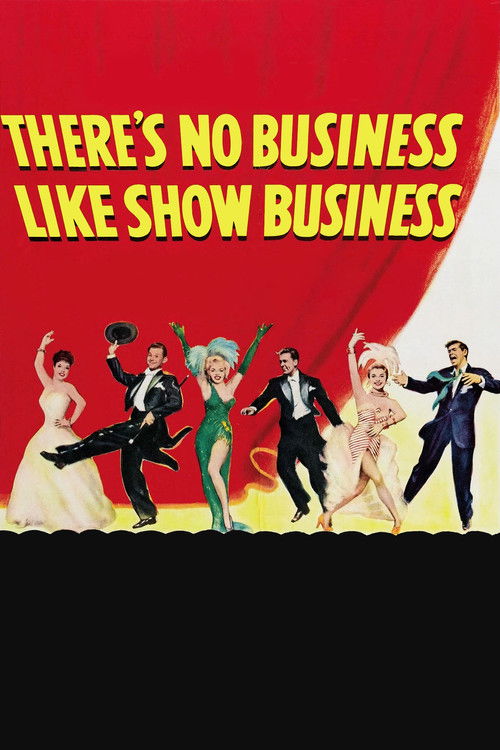
Molly and Terry Donahue, plus their three children, are The Five Donahues. Youngest son Tim meets hat-check girl Vicky and the family act begins to fall apart.
There's No Business Like Show Business

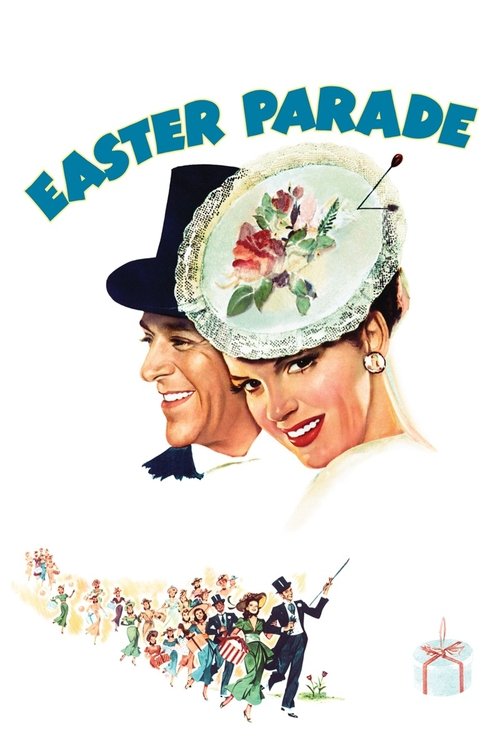
On the day before Easter in 1911, Don Hewes is crushed when his dancing partner (and object of affection) Nadine Hale refuses to start a new contract with him. To prove Nadine's not important to him, Don acquires innocent new protege Hannah Brown, vowing to make her a star in time for next year's Easter parade.
Easter Parade

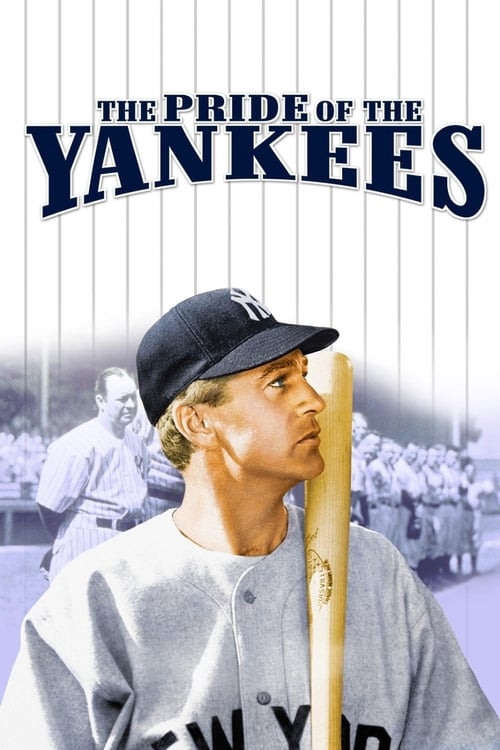
The story of the life and career of the baseball hall of famer, Lou Gehrig.
The Pride of the Yankees

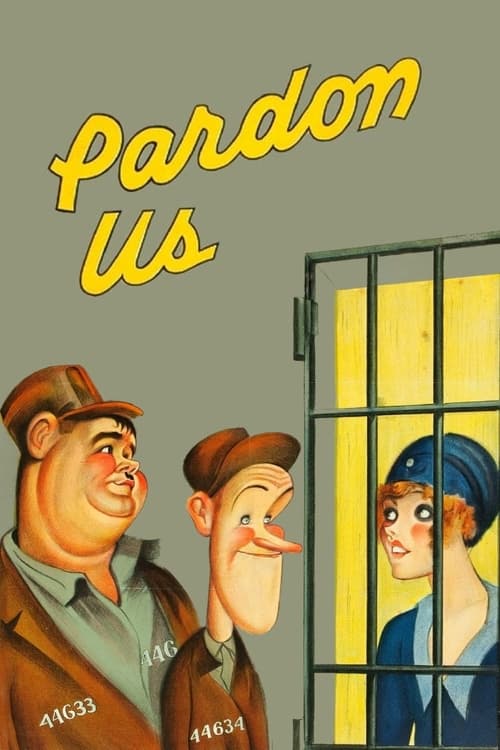
It's Prohibition, and the boys wind up behind bars after Stan sells some of their home-brew beer to a policeman.
Pardon Us

Classical violinist Roger Grant disappoints his family and teacher when he organizes a jazz band, but he and the band become successful. Roger falls in love with the band's singer, Stella, but his reluctance to lose her leads him to thwart her efforts to become a solo star. When the World War separates them in 1917, Stella marries Roger's best friend and, when Roger returns home after the war, an important concert at Carnegie Hall brings the corners of the romantic triangle together.
Alexander's Ragtime Band

When the US Navy fleet docks at San Francisco, sailor Bake Baker tries to rekindle the flame with his old dancing partner, Sherry Martin, while Bake's buddy Bilge Smith romances Sherry's sister, Connie. But it's not all smooth sailing—Bake has a habit of losing Sherry's jobs for her and, despite Connie's dreams, Bilge is not ready to settle down.
Follow the Fleet
A comical and musical collection of yuletide appearances on the Ed Sullivan show. Timeless appearances by musical guests such as Johnny Mathis, Sergio Franchi and Bing Crosby are included along with comedic performers such as Topo Gigio and the Muppets.
Holiday Greetings from 'The Ed Sullivan Show'

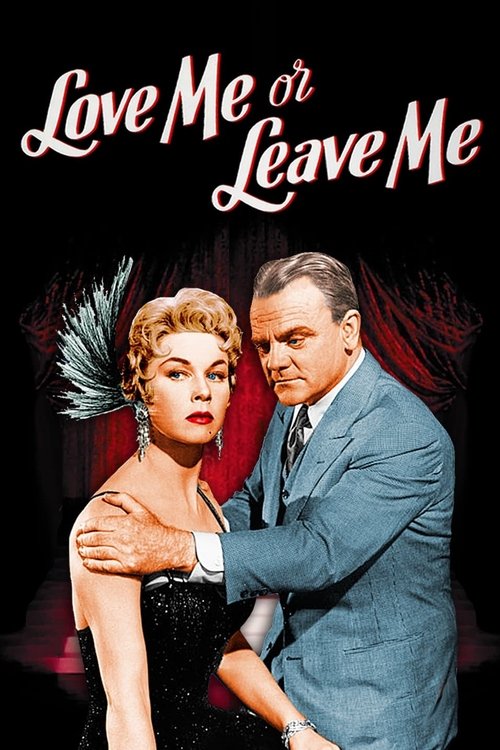
A fictionalized account of the career of jazz singer Ruth Etting and her tempestuous marriage to gangster Marty Snyder, who helped propel her to stardom.
Love Me or Leave Me

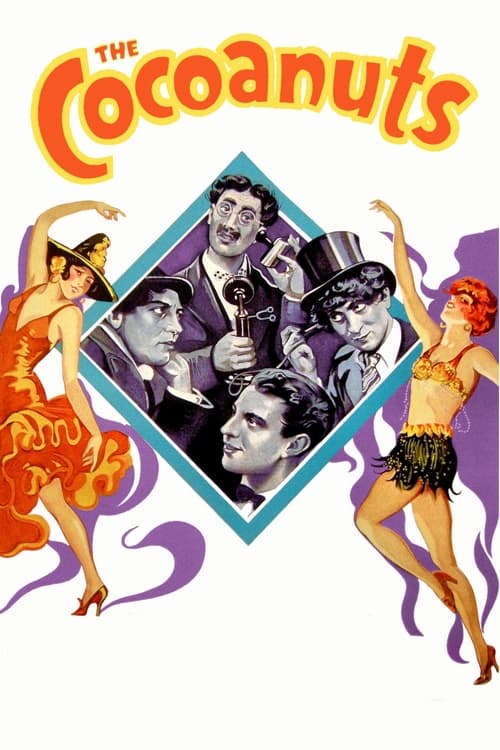
During the Florida land boom, the Marx Brothers run a hotel, auction off some land and thwart a jewel robbery.
The Cocoanuts

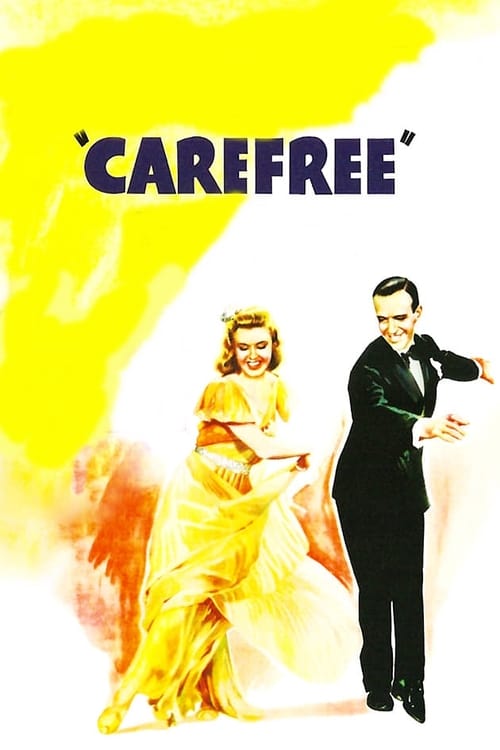
Dr. Tony Flagg's friend Steven has problems in the relationship with his fiancée Amanda, so he persuades her to visit Tony. After some minor misunderstandings, she falls in love with him. When he tries to use hypnosis to strengthen her feelings for Steven, things get complicated.
Carefree

A multi-studio effort to show the newsreel audience the progress of the Hollywood war effort.