FEEL IT.STREAM
Claudette Colbert

Claudette Colbert

Acting

Biography

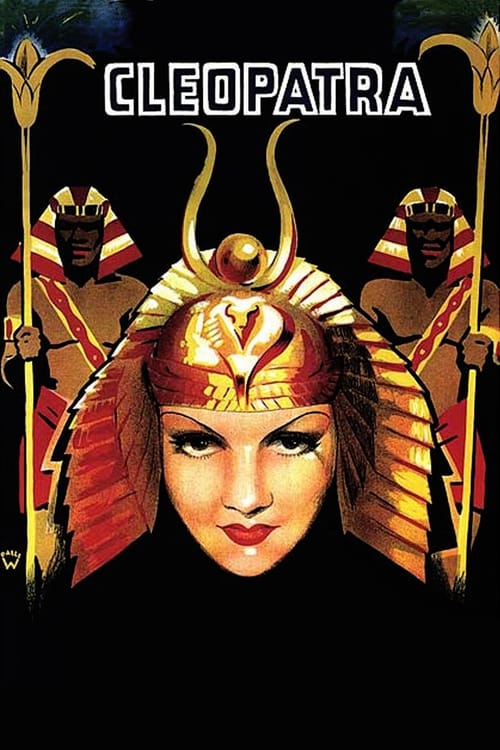
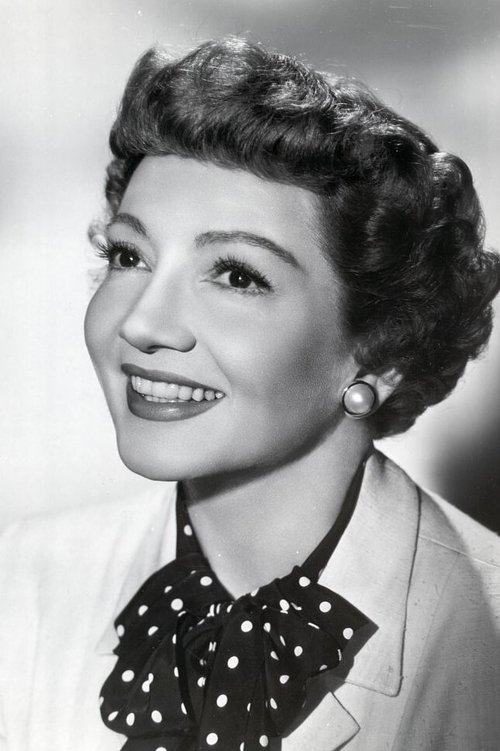
Claudette Colbert (September 13, 1903 — July 30, 1996) was an American actress. Born Emilie Claudette Chauchoin in Saint-Mandé, Val-de-Marne, France, she was brought to the United States as a child three years later and went to high school in New York. While studying at the Art Students League when, in 1923, she took the name Claudette Colbert for her first Broadway role in "The Wild Westcotts". Her most noteworthy stage vehicle was the "The Barker" in 1927. Her first film was a silent For the Love of Mike (1927), directed by Frank Capra. Made on a shoestring, the movie was a flop, and she vowed that it would be her last film role: "I only left Broadway when the crash came. The Depression killed the theater, and the pictures were manna from heaven". She had her first film success the next year, however, in The Lady Lies (1929). Her early notable films were all box-office hits and included Cleopatra (1934), in which she played the title role enticingly. She had her greatest triumph playing a runaway heiress, with enormous charm, opposite Clark Gable in Capra's comedy It Happened One Night (1934), for which she won the Academy Award as Best Actress. By 1938 her keen ability in business made her the highest paid star in Hollywood. By 1950, though, her star had begun to wane. She returned to the stage in 1956 when she replaced Margaret Sullavan during the spring and summer in the comedy "Janus". Appearances in other Broadway productions followed, including "The Marriage-Go-Round". Besides the stage, she did TV specials and had a supporting role in a notable TV movie, The Two Mrs. Grenvilles (1987), for which she received a Golden Globe award. In 1989 she was presented with a Life Achievement award from the Kennedy Center for the Performing Arts. She married actor Norman Foster in 1928, although they never lived together and were divorced after seven years. She married surgeon Dr. Joel Pressman soon after and remained married until his death in 1968. In latter years she divided her time between an apartment in New York and a 200-year-old plantation house in Speightstown, Barbados, where she entertained such guests as Frank Sinatra and Ronald Reagan. She remained on Barbados Island after her stroke. On July 30, 1996, Claudette died in Speightstown, Barbados. She was 92.
Known For

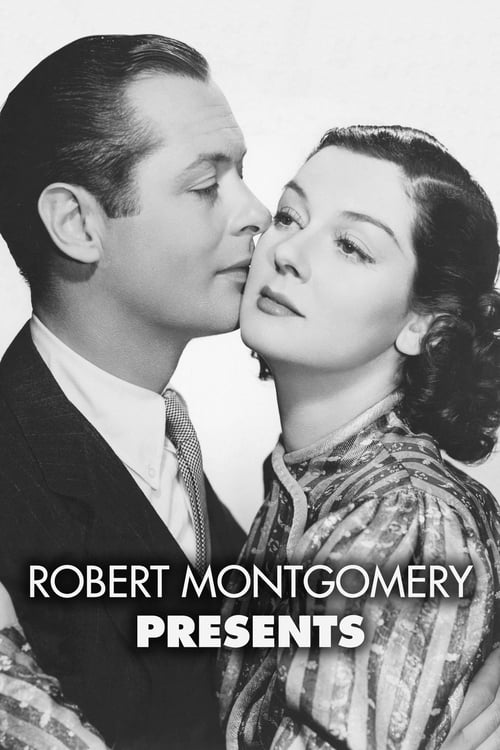
Robert Montgomery Presents
6.0

Robert Montgomery Presents is an American dramatic television series which was produced by NBC from January 30, 1950 until June 24, 1957. The live show had several sponsors during its seven-year run, and the title was altered to feature the sponsor, usually Lucky Strike cigarettes, for example, Robert Montgomery Presents Your Lucky Strike Theater, ....The Johnson's Wax Program, and so on.

Robert Montgomery Presents

1950
Climax!
3.8

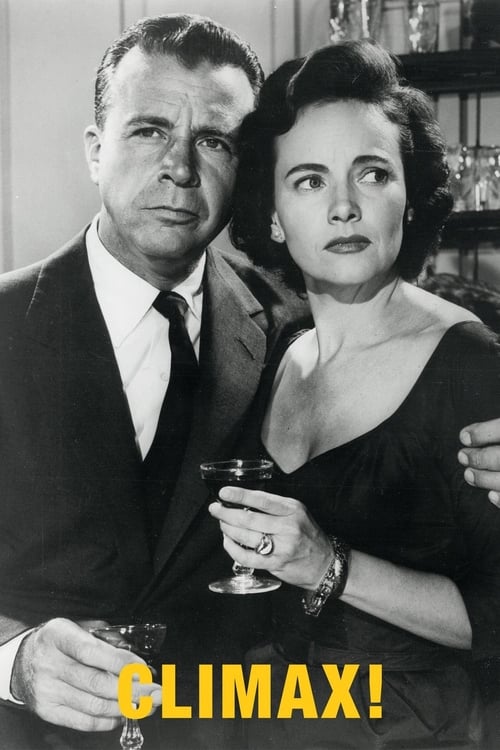
Climax! is an American anthology series that aired on CBS from 1954 to 1958. The series was hosted by William Lundigan and later co-hosted by Mary Costa. It was one of the few CBS programs of that era to be broadcast in color. Many of the episodes were performed and broadcast live.

Climax!

1954
Dick Powell's Zane Grey Theatre
6.2

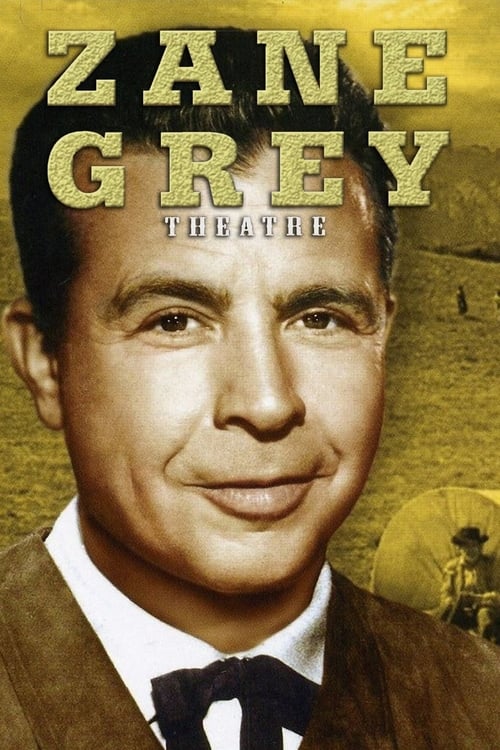
Dick Powell's Zane Grey Theatre, sometimes simply called Zane Grey Theatre, is an American Western anthology series which ran on CBS from 1956 to 1961.

Dick Powell's Zane Grey Theatre

1956
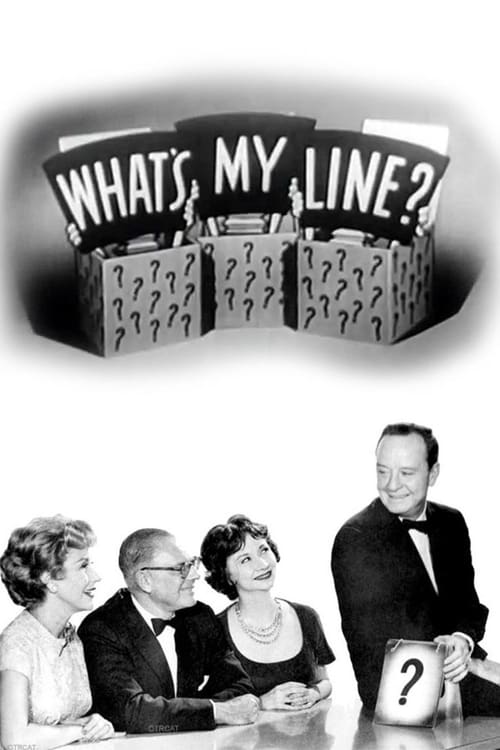
What's My Line?
7.0

Four panelists must determine guests' occupations - and, in the case of famous guests, while blindfolded, their identity - by asking only "yes" or "no" questions.

What's My Line?

1950
The Oscars
7.0

An annual American awards ceremony honoring cinematic achievements in the film industry. The various category winners are awarded a copy of a statuette, officially the Academy Award of Merit, that is better known by its nickname Oscar.

The Oscars

1953
The Colgate Comedy Hour
6.9

The Colgate Comedy Hour is an American comedy-musical variety series that aired live on the NBC network from 1950 to 1955. The show starred many notable comedians and entertainers of the era, including Eddie Cantor, Dean Martin and Jerry Lewis, Fred Allen, Donald O'Connor, Bud Abbott and Lou Costello, Bob Hope, Jimmy Durante, Ray Bolger, Gordon MacRae, Ben Blue, Robert Paige, Tony Curtis, Burt Lancaster, Broadway dancer Wayne Lamb and Spike Jones and His City Slickers.

The Colgate Comedy Hour

1950
The Steve Allen Show
6.2

No description available.

The Steve Allen Show

1956
The Jack Benny Program
7.8

Laugh along with funnyman Jack Benny as he brings his underplayed humor to TV along with regular performers from his radio show days.

The Jack Benny Program

1950
Playhouse 90
7.6

Playhouse 90 is an American television anthology series that was telecast on CBS from 1956 to 1960 for a total of 133 episodes. It originated from CBS Television City in Los Angeles, California. Since live anthology drama series of the mid-1950s were usually hour-long shows, the title highlighted the network's intention to present something unusual, a weekly series of hour-and-a-half dramas rather than 60-minute plays. Playhouse 90 began as a pitch by Frank Stanton—the formidable, forward-thinking right-hand man to CBS chairman William S. Paley—during a brainstorming session for program ideas. The project was ultimately developed by Hubbell Robinson, a CBS vice president who received no screen credit on Playhouse 90 but is often described as its creator.

Playhouse 90

1956
Telephone Time
6.5

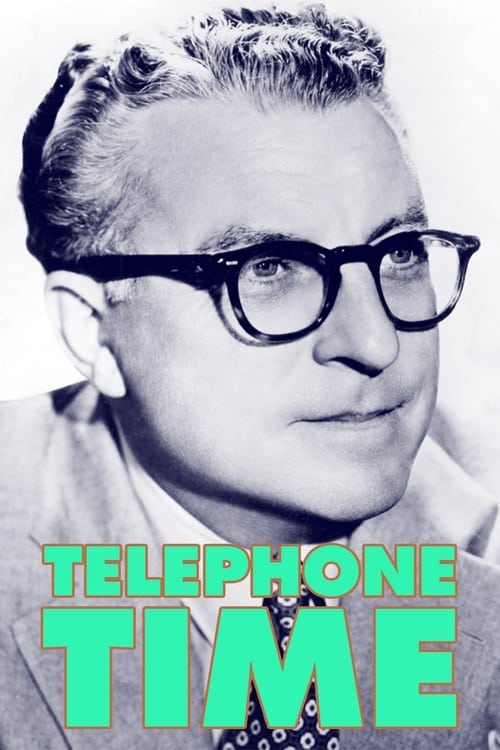
Telephone Time is an American anthology drama series that aired on CBS in 1956, and on ABC from 1957 to 1958. The series features plays by John Nesbitt who hosted the first season. Frank C. Baxter hosted the 1957 and 1958 seasons. The program was directed by Arthur Hiller.

Telephone Time

1956
The Kennedy Center Honors
7.4

The Kennedy Center Honors is an annual honor given to those in the performing arts for their lifetime of contributions to American culture.

The Kennedy Center Honors

1978
Suspicion
6.2

Suspicion is the title of an American television mystery drama series which aired on the NBC from 1957 through 1959. The executive producer of Suspicion was film director Alfred Hitchcock.

Suspicion

1957
Letter to Loretta
6.6

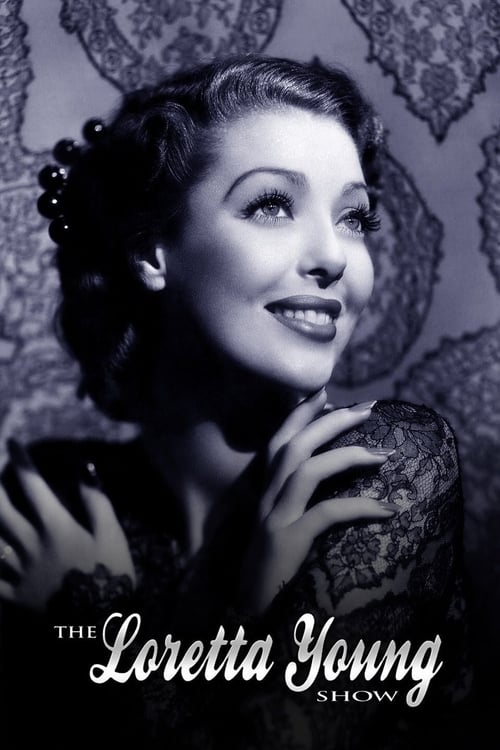
Letter to Loretta is an American anthology drama series telecast on NBC from September 1953 to June 1961 for a total of 165 episodes. The filmed show was hosted by Loretta Young who also played the lead in various episodes. Letter to Loretta was sponsored by Procter & Gamble from 1953 through 1960. The final season's sponsor was Warner-Lambert's Listerine.

Letter to Loretta

1953
General Electric Theater
6.8

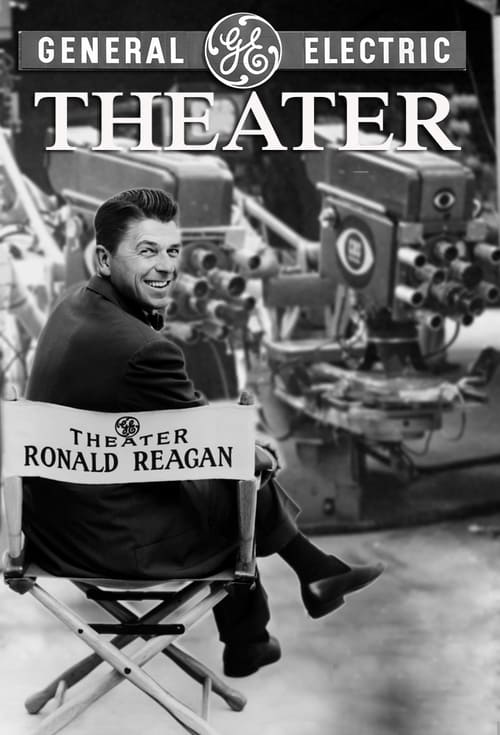
General Electric Theater is an American anthology series hosted by Ronald Reagan that was broadcast on CBS radio and television. The series was sponsored by General Electric's Department of Public Relations.

General Electric Theater

1953
The Two Mrs. Grenvilles
5.0

Ann, a former chorus girl marries above herself into a rich society family, but her mother-in-law regards her with great suspicion from the start. When Ann shoots her husband dead, claiming she thought he was a prowler, the older Mrs. Grenville decides to back the woman she despises, to protect the family image.

The Two Mrs. Grenvilles

1987
It Happened One Night
7.8

A runaway heiress makes a deal with the rogue reporter trailing her but the mismatched pair end up stuck with each other when their bus leaves them behind.

It Happened One Night

1934
The Sign of the Cross
6.4

A Roman soldier becomes torn between his love for a Christian woman and his loyalty to Emperor Nero.

The Sign of the Cross

1932
The Silver Screen: Color Me Lavender
5.1

A film scrapbook, images, phrases from our past, hiding their meanings behind veils. Let's lift those veils, one by one, to find how images, at one time seeming innocent, have revealed, after decades, to have homosexual overtones.

The Silver Screen: Color Me Lavender

1997
Drums Along the Mohawk
6.5

Albany, New York, 1776. After marrying, Gil and Lana travel north to settle on a small farm in the Mohawk River Valley, but soon their growing prosperity and happiness are threatened by the sinister sound of drums that announce dark times of revolution and war.

Drums Along the Mohawk

1939
Complicated Women
6.9

Looks at the stereotype-breaking films of the period from 1929, when movies entered the sound era, until 1934 when the Hays Code virtually neutered film content. No longer portrayed as virgins or vamps, the liberated female of the pre-code films had dimensions. Good girls had lovers and babies and held down jobs, while the bad girls were cast in a sympathetic light. And they did it all without apology.

Complicated Women

2003