FEEL IT.STREAM
?

Tokihisa Morikawa

Directing

Biography

After graduating from Rikkyo University , got a job at Nippon Cultural Broadcasting . Became a director of Fuji TV in 1959 and worked on many social dramas. Debuted as a movie director in the movie version of the popular drama "All About My Siblings".
Known For

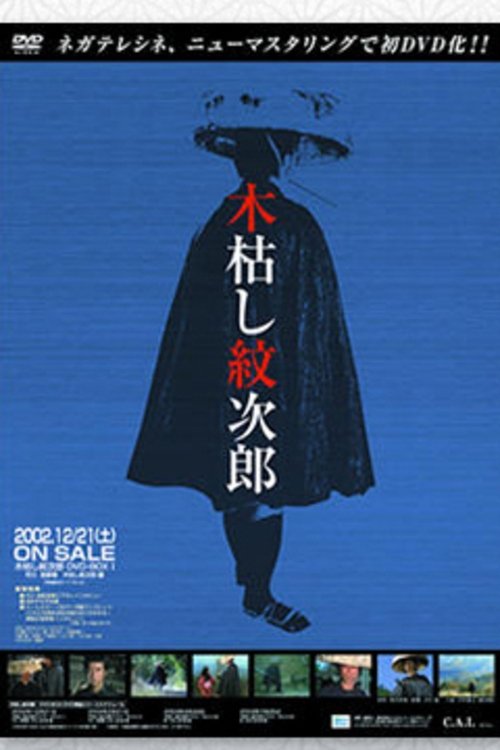
Kogarashi Monjiro
8.0

Monjiro was born into a poor farm family in Mikazuki Village, Nitta County, Ueshu, and abandoned his hometown when he was 10 years old. He has been traveling aimlessly with a long toothpick in his mouth. Monjiro avoided getting involved in anything, but wherever he went, he ended up getting involved in incidents

Kogarashi Monjiro

1972
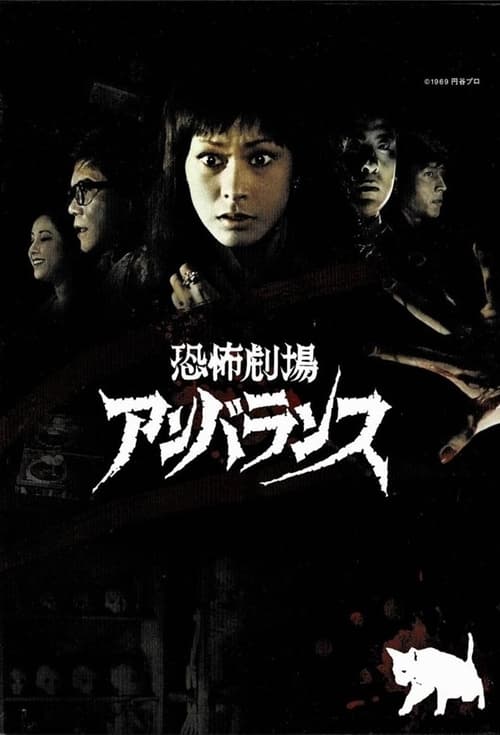
Horror Theater Unbalance
N/A

Horror Theater Unbalance is a 1973 Japanese Anthology television series created by Tsuburaya and Fuji TV to air on the Fuji TV network on Monday Nights for 13 episodes. Originally started in production in 1969, it was shelved and took years for its airing debut to begin its broadcast, before production was eventually completed at the end of 1972. It was then aired on Fuji TV in 1973.

Horror Theater Unbalance

1973
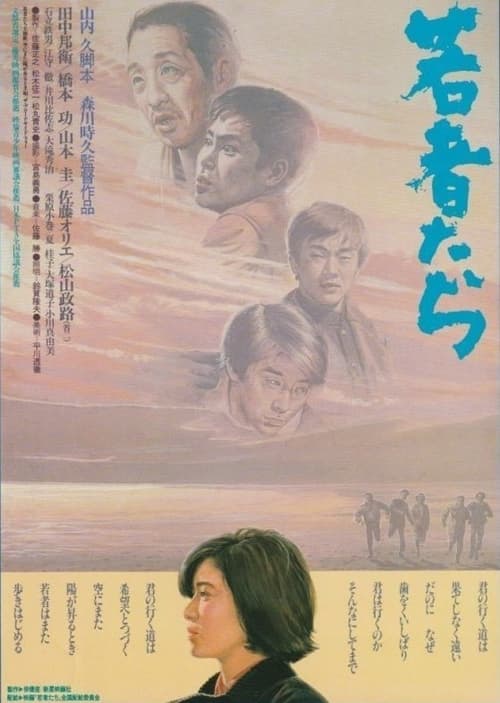
Young People
9.0

"Young People" is a story about the lives of four brothers and a sister, Sato. After the death of his parents, the older brother, Taro, who works in construction, decides to replace them. The second brother, Jiro, is a truck driver. The third, Saburo, is a student, dreams of a better future for the whole family are connected with him, with his career. Brothers and sisters are fighting to give him a higher education. And, finally, the youngest of the brothers, Suekichi, is also going to enter the university after graduation. The life of the Sato family is complicated. Taro is kind, but limited, not always able to find a common language with his brothers and sister Orie. The girl cannot stand the despotism of her brother, leaves her home and goes to work at the factory. With her departure, everything in the house goes upside down. Suekichi fails her university entrance exams, Orie is forced to return to her family.

Young People

1968
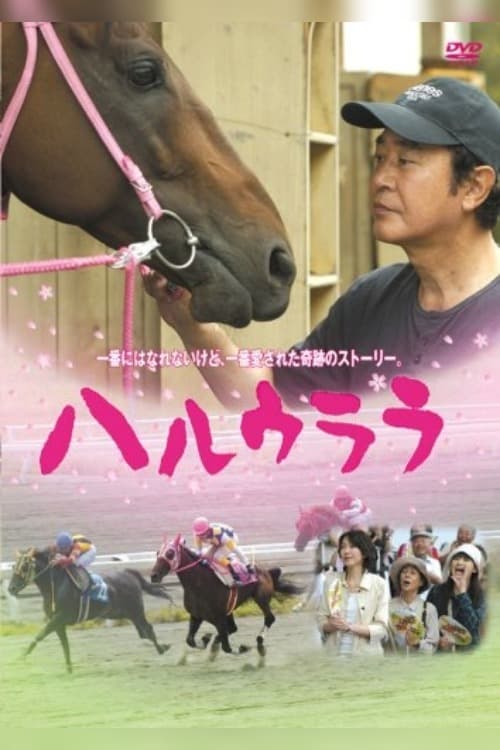
Haru Urara
N/A

Based on the true story of racing horse "Haru Urara" ("Gentle Spring"), who lost every single horse race she entered since her 1998 debut.

Haru Urara

2005
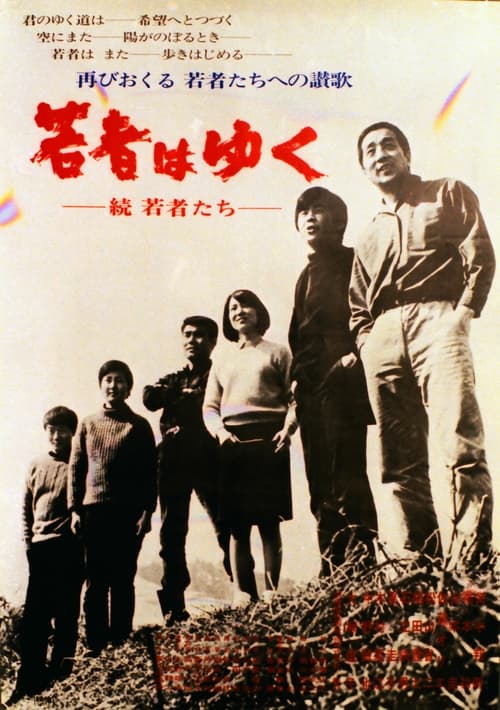
Forward, Young People!
8.0

The second film tells about the life of matured brothers and sister Sato. Taro became a foreman. He saves every yen to fulfill his dream of building his own house with stone gates. Jiro continues to work in the transportation office, he dreams of getting married. Saburo faces a moral problem: in order to get a good position, he must answer the questions of the entrance test differently than his conscience tells him. At the exam, Saburo does not hide his views on life and is deprived of the promised position. Orie and Suekiti believe that he did wrong and betrayed his older brothers. But the anxiety in the Sato family is not limited to these events. Orie was being asked to marry a handsome, well-established young man, but she suddenly announced her decision to marry Tozaka, who was suffering from radiation sickness. Sato's peaceful home is falling apart...

Forward, Young People!

1969
The Story of Jiro
9.0

Adaptation of the classic masterpiece about the relationship between parents and their children.

The Story of Jiro

1987
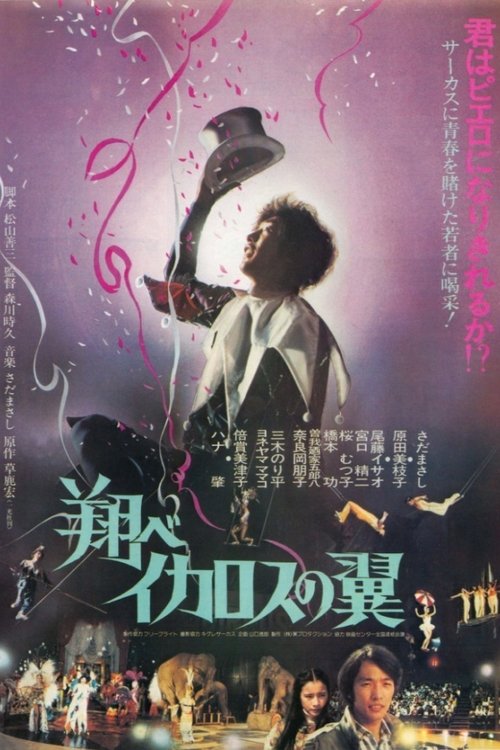
Wings of Icarus' Flight
N/A

A young man who travels around the world with a camera in his hand finds the circus a fascinating subject. The huge tents and life-threatening acrobatics were filled with dreams, laughter, and excitement. From that moment on, his destiny changes. While living in the circus, the young man becomes fascinated by the art of performing, trains hard, and makes his debut on the big stage. He puts all of his youth into his quest to become a clown, the flower of the circus and the origin of laughter.

Wings of Icarus' Flight

1980
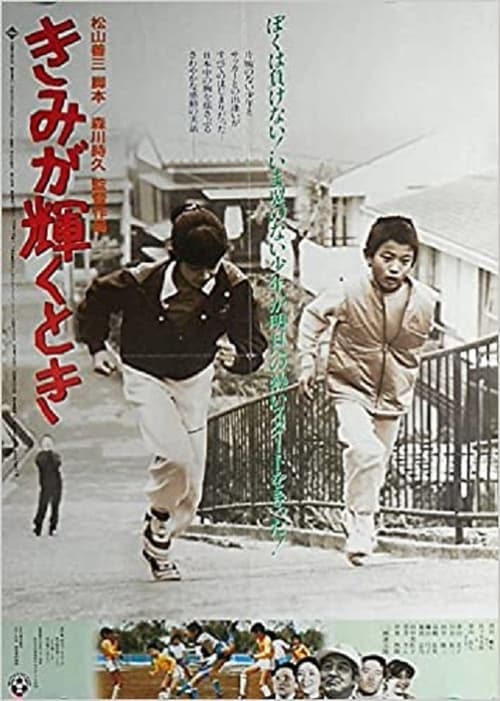
Kimi ga kagayaku toki
N/A

A one armed boy wants to become a football (soccer) player.

Kimi ga kagayaku toki

1985
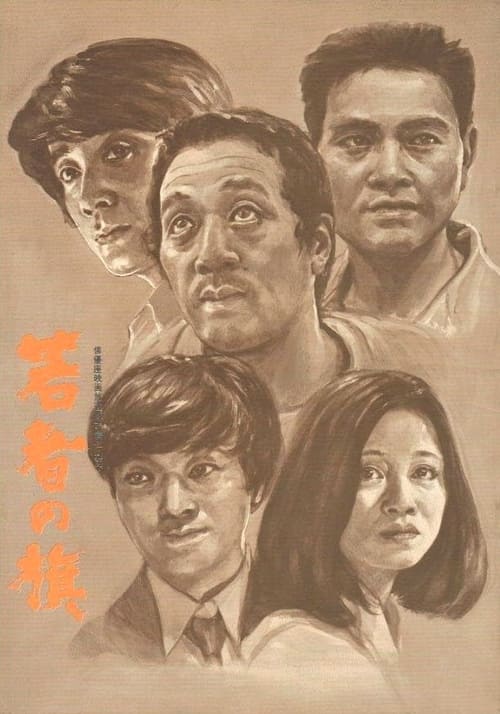
Banner of the Young
N/A

The final part of the trilogy. It is about a younger brother, Suekichi. He learned well the lessons that life taught his older brothers. Therefore, he does not think to study, but strives for material well-being alone. To make a career, he ruthlessly pushes his colleagues with his elbows. For him, the high ideals of trade union activists Jiro and Saburo are an example of old-fashioned thinking, naive behavior.

Banner of the Young

1970
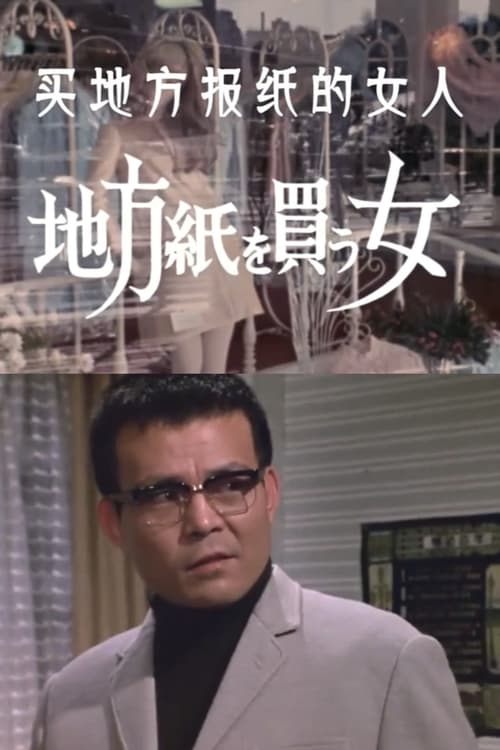
The Woman Who Took the Local Paper
N/A

Based on the original mystery novel by Seicho Matsumoto. Novelist Ryuji Sugimoto is publishing his serial in a local newspaper when a woman from Tokyo subscribes, saying she’s interested in his work—only to abruptly cancel weeks later. Suspicious, he realizes her true interest may not be the fiction at all, but a real double suicide reported in the same paper.

The Woman Who Took the Local Paper

1973