FEEL IT.STREAM
Terence Alexander

Terence Alexander

Acting

Biography

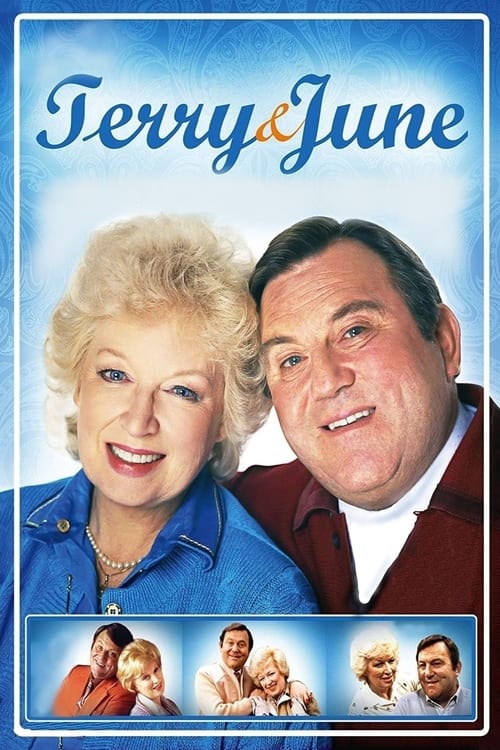
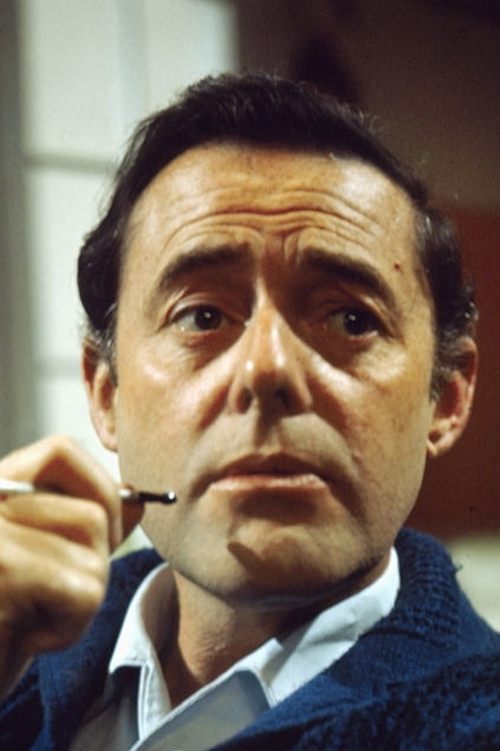
Terence Joseph Alexander (11 March 1923 – 28 May 2009) was an English film and television actor, best known for his role as Charlie Hungerford in the British TV drama Bergerac. He was born in London, the son of a doctor, and grew up in Yorkshire. Alexander was educated at Ratcliffe College, Leicestershire, and Norwood College, Harrogate, and started acting in the theatre at the age of 16. During World War II he served in the British Army as a lieutenant with the 27th Lancers, and was seriously wounded by artillery fire in Italy. In 1956 he appeared on stage in Ring For Catty at the Lyric Theatre in London. He is probably best remembered as Charlie Hungerford from the detective series Bergerac, though he was also very prominent in the 1967 BBC adaptation of The Forsyte Saga. One of his early roles was in the children's series Garry Halliday. He also appeared in one episode of Please Sir in 1970 as the headteacher of a rival school. He appeared in many other film and television roles including three appearances in different roles in The Avengers; Terry and June (1979–1980); Behind the Screen (1981–1982); the 1985 Doctor Who serial The Mark of the Rani; and The New Statesman (1987). On radio he starred as The Toff in the BBC radio adaptation of the John Creasey novels. He appeared in all but one episode of Bergerac from 1981 to 1991. He appeared on the West End in comedies and farces and his credits included Move Over Mrs Markham (1971), Two and Two Make Sex (1973), There Goes The Bride (1974/5) and Fringe Benefits (1976).  Alexander later retired from acting in 1999 and lived in London with his second wife, the actress Jane Downs. He died on 28 May 2009.  Description above from the Wikipedia article  Terence Alexander,  licensed under CC-BY-SA, full list of contributors on Wikipedia.
Known For

Pebble Mill at One

Pebble Mill at One was a popular British lunchtime magazine, broadcast live from Monday to Friday at 13:00, mainly on BBC1. It was transmitted from the Pebble Mill studios of BBC Birmingham, and uniquely, was hosted from the centre's main foyer area, rather than a conventional studio. In the beginning, visitors to the studios were seen arriving in the background as the programme was transmitted. Reasons for this were: a planned third studio was never constructed on the site, and existing facilities were fully booked for network drama production and local news. Gradually, as the show was successful, the foyer became a studio, and visitors had to use a new entrance. The show ran from 2 October 1972 to 23 May 1986, under various programme Editors including: Terry Dobson, Jim Dumighan, and Peter Hercombe.. For most of that period there were few television programmes transmitted in Britain on any channels during the day. For this reason the programme acquired a unique following from those who found themselves at home at lunchtime. Housewives, students, and those recovering from an illness remember it with fondness for its variety and the problems inherent with live television. Its best remembered theme tune was "As You Please" by the Raymond Lefevre orchestra.

Pebble Mill at One

1972Series
The Forsyte Saga
8.5

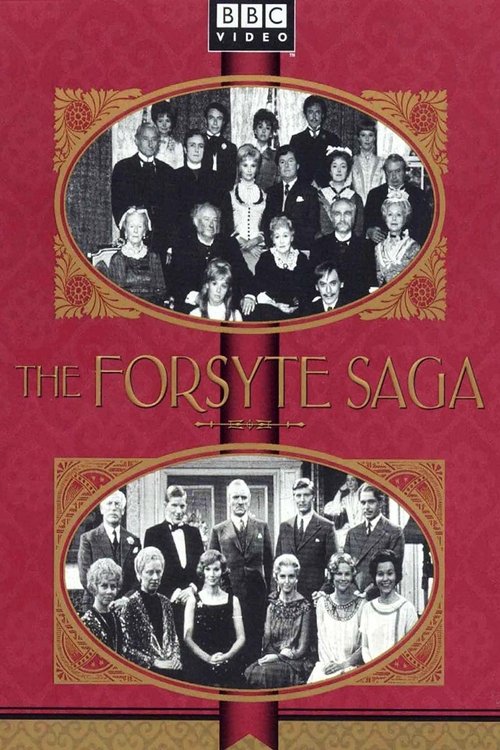
The Forsyte Saga is a 1967 BBC television adaptation of John Galsworthy's series of The Forsyte Saga novels, and its sequel trilogy A Modern Comedy. The series follows the fortunes of the upper middle class Forsyte family, and stars Eric Porter as Soames, Kenneth More as Young Jolyon and Nyree Dawn Porter as Irene. It was adapted for television and produced by Donald Wilson and was originally shown in twenty-six episodes on Saturday evenings between 7 January and 1 July 1967 on BBC2, at a time when only a small proportion of the population had television sets able to receive this channel. It was therefore the repeat on Sunday evenings on BBC1 starting on 8 September 1968 that secured the programme's success with 18 million tuning in for the final episode in 1969. It was shown in the United States on public television and broadcast all over the world, and became the first BBC television series to be sold to the Soviet Union.

The Forsyte Saga

1967Series
The Man in Room 17
6.3

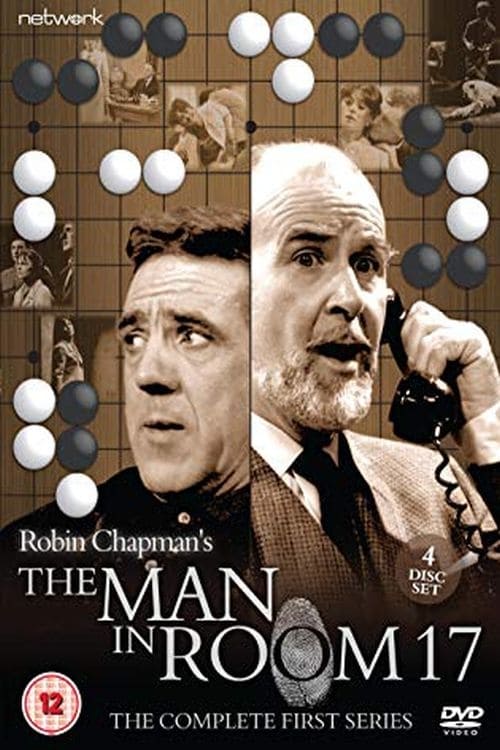
The Man in Room 17 is a British television series which ran for two seasons in the mid-1960s, produced by the Northern ITV franchise, Granada Television. Key to the series' success was the involvement of writer/producer Robin Chapman. The show was set in Room 17 of the Department of Social Research, where former wartime agent-turned-criminologist Edwin Oldenshaw solved difficult police cases through theory and discussions with his assistants. The novelty of the series was that Oldenshaw and his colleagues never needed to leave their office in order to resolve cases, preferring to spend their time playing the Japanese board game of Go. They simply provided their prognosis and left the police to do the cleaning up. Different directors were often appointed to film the Room 17 and outside-world scenes independently, to maintain a sense of distance between the two worlds.

The Man in Room 17

1965Series