Acting
Marcia Grey is wrongly convicted on trumped-up evidence of a German. After serving her term, she rebuilds her life and marries well.
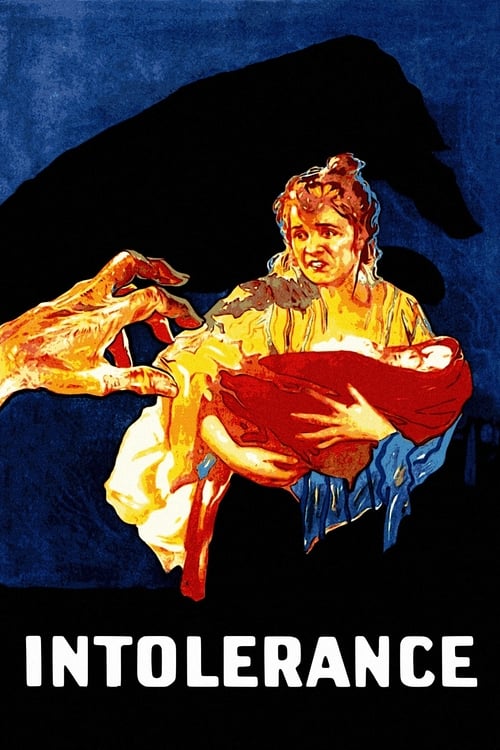
The story of a poor young woman, separated by prejudice from her husband and baby, is interwoven with tales of intolerance from throughout history.
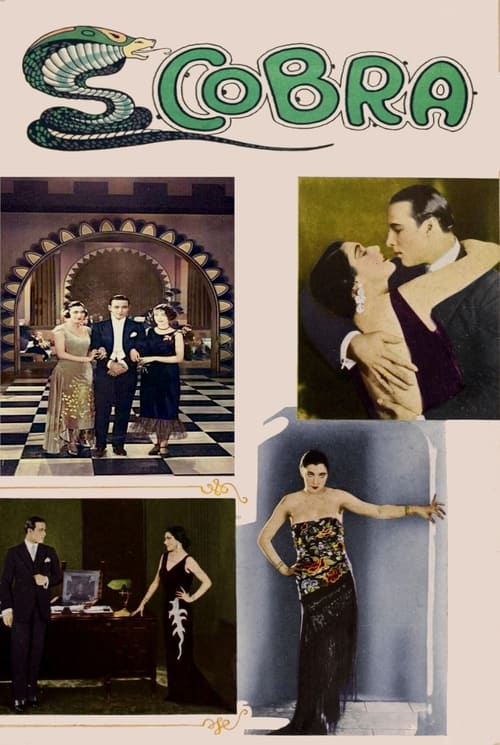
Rodrigo, an impoverished Italian nobleman takes a job with a New York antique dealer he met overseas. Swearing off women, Rodrigo focuses on his job. But complications arise when he falls in love with his friend's secretary-- and his friend's wife looks to make a date with him.
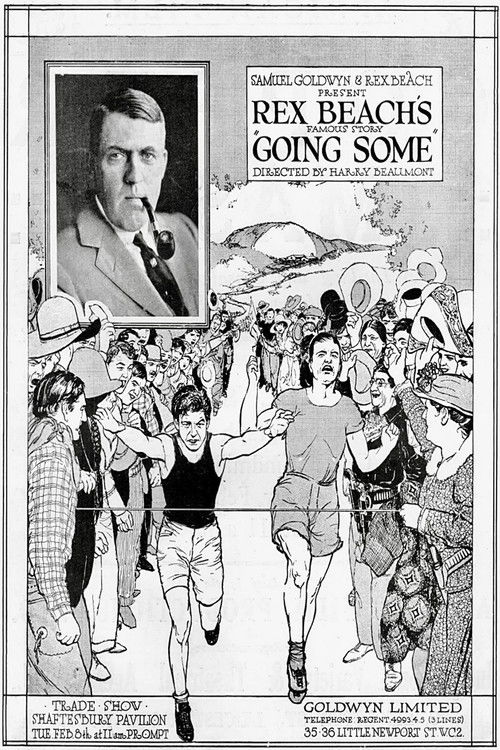
Upon observing the adoration that track star Culver Covington receives, his friend, J. Wallingford Speed, decides to impress Helen Blake by also posing as a sprinter. Meanwhile, when Roberta Keap decides to retire to her Western ranch while awaiting her divorce, Speed, Helen and various friends accompany her while her husband Donald takes up residence at the neighboring Gallagher ranch.
Alcoholic former artist David Stanley and impoverished violinist Judith Deering appear before Judge Henning. After the kindly judge dismisses the minor charges against the couple, Judith finds a job, after which she secretly sends money to David, using the judge as an intermediary. David soon stops drinking and successfully resumes his career.
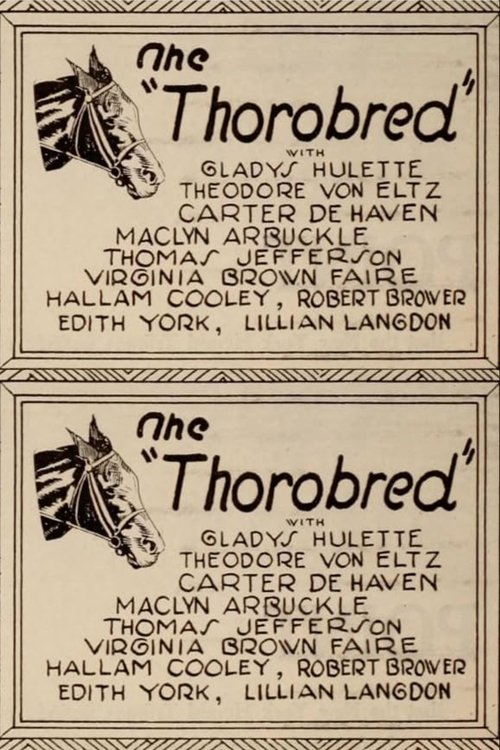
Bob Beemis comes to New York City hoping to get his family entrenched in the high-society circuit, but only succeeds in making friends with one person in the social whirl, Archie de Rennsaler. They party with a couple of chorus girls and Bob falls in love with one of them. His uncle arrives from the West to check out his progress, finds there has been none, and closes out his bank account. What's a poor rich-boy do do? Well, he could enter his horse in a really, really Big Race.
Double Trouble is a 1915 American silent romantic comedy film written and directed by Christy Cabanne and stars Douglas Fairbanks in his third motion picture. The film is based on the novel of the same name by Herbert Quick. A print of the film is held by the Cohen Media Group.
Marcel Murphy, a telephone operator with society aspirations, overhears Mrs. Benson's conversation describing a party she is planning for her son, Ralph, and wangles an invitation by imitating Mrs. Benson's voice. At the party a maid accuses Marcel of the theft of another guest's jewelry, but she appeals to Mr. Benson, who covers up for her by describing Marcel as the daughter of an old friend and by secretly installing her in a hotel suite.
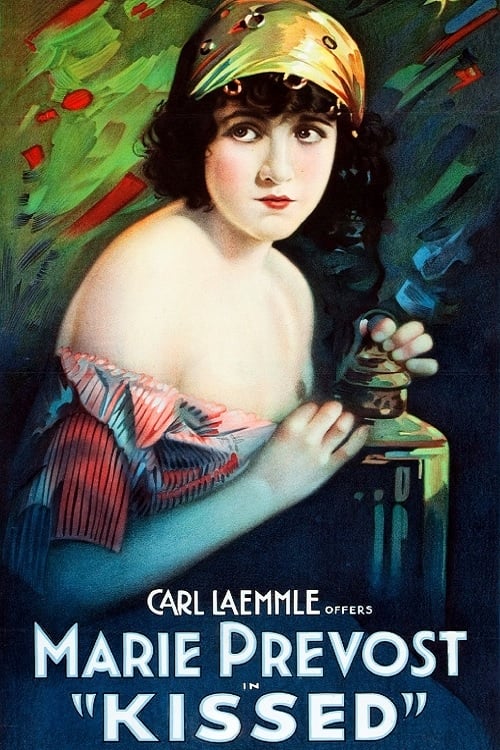
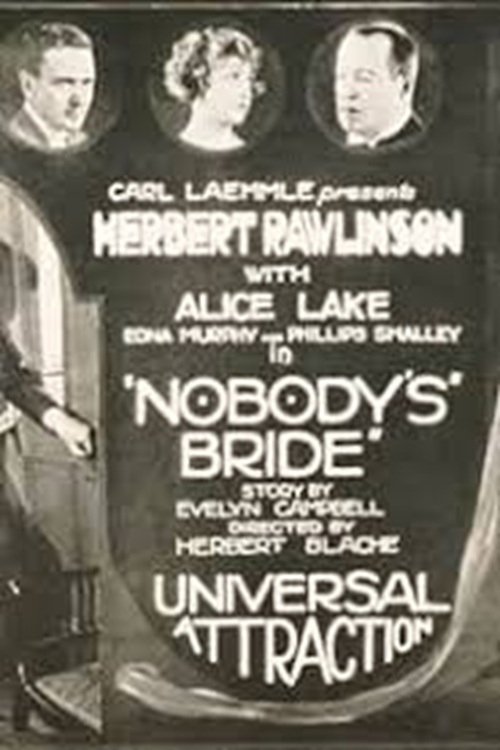
Constance Keener, who is betrothed to young millionaire Merton Torrey, confesses to him her desire for romance such as he does not give her. On the occasion of a masquerade ball, Torrey is unable to escort her; and while she is alone on the balcony, someone suddenly seizes and kisses her, then disappears. She attempts to discover her assailant's identity.
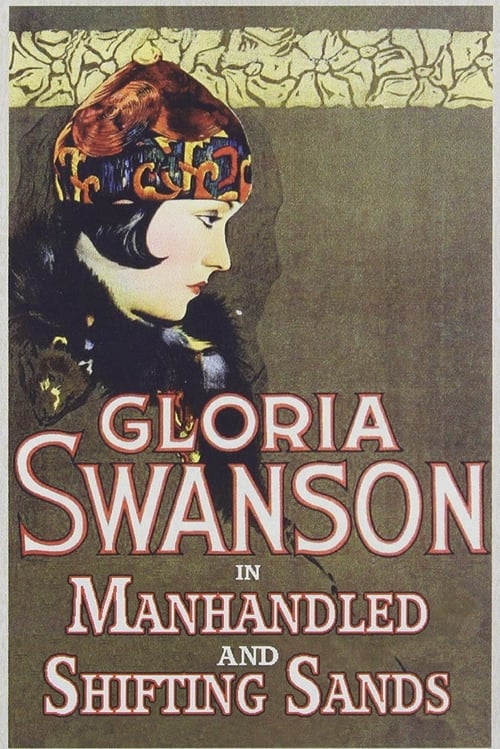
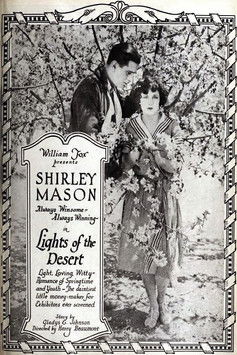
Because he desires to shield the father of the girl he loves, though he suspects another to be the real culprit, Clavering takes upon himself the reproach of business treachery and seeks a hiding place as operator at a little telegraph station in the desert. There comes the man he suspects, and Clavering wrings a confession from him, but lets him go when he declares that he is married to the girl. Too late he discovers his error, but in seeking to shield the girl from further distress finds happiness from an unexpected source.
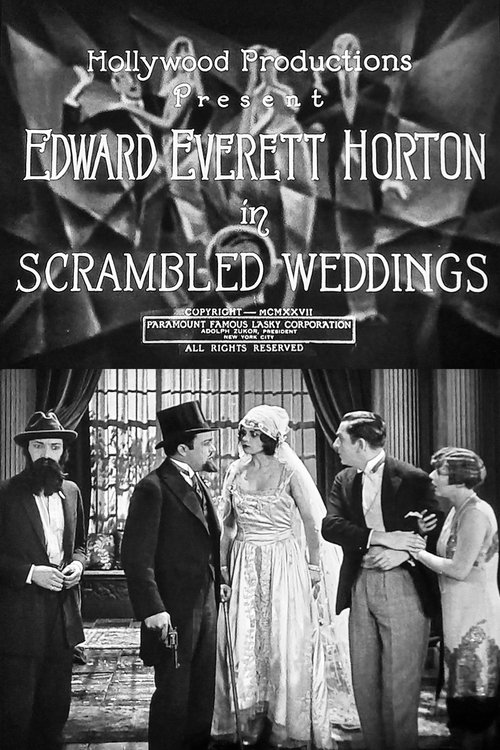
Edward Everett Horton and Ruth Dwyer are in love and expect to get married as soon as one of them mentions it to the other. In the meantime, Lolita Lee accepts Horton's proposal, which he doesn't recall making, and Miss Dwyer is invited to be a bridesmaid. So he tells Miss Dwyer that it's Stanley Taylor she's marrying, and hopes no one spills the beans before Taylor shows up in a false beard to spike the proceedings.
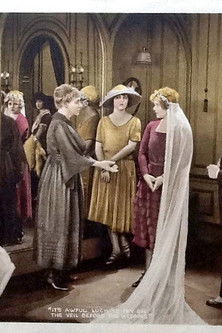
Myra Coningsby, a newlywed who is determined not to be a submissive wife but ultimately learns to find a balance in her marriage after a dramatic incident involving a faked drowning.
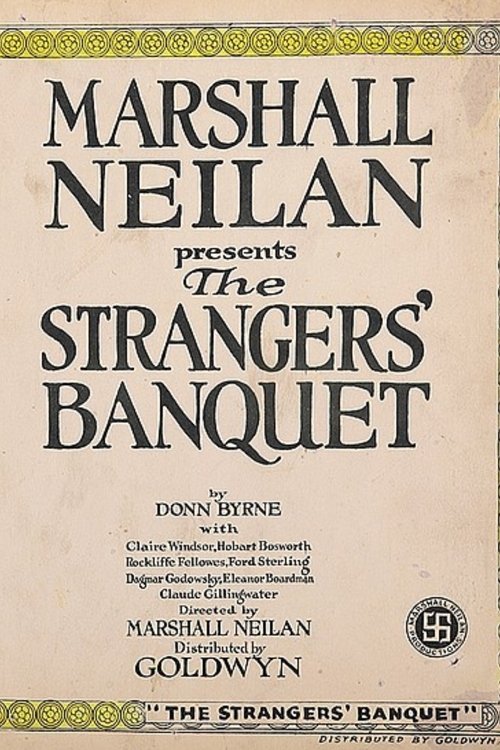
Three crooks pull off a magnificent crime. As they're forced to hide out together they slowly begin to distrust each other.
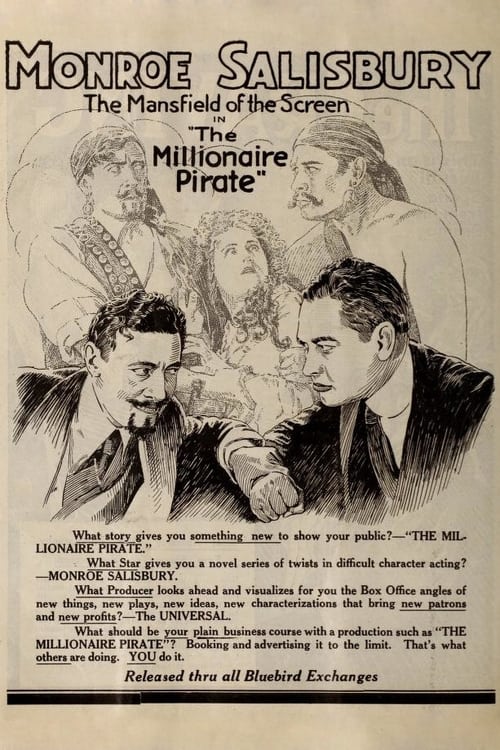
In the early eighteenth century, pirate captain Jean Lafitte fights a rival pirate and wins a treasure and a beautiful female captive. Although the girl offers herself to Lafitte to save her English lover, Lafitte makes him walk the plank. The girl then places a curse on Lafitte and his descendants, preventing them from ever knowing the true love of woman. Two hundred years later, in the West Antilles, painter Paul Winthrop poses Joe, a pearl diver, as a pirate. Upon seeing the completed painting, each envisions the earlier situation. Later, Joe finds the buried treasure and sails to New York, where he learns that the portrait has also attracted wealthy Lily Demorest and her suitor, Robert Spurr, a "financial pirate."
Charmed by the bright smile of Taro San, a Japanese rickshaw boy, Grant Barton takes the young man to the United States as his valet. Grant marries Marion Craig, but when she departs for California to visit her sick mother, he becomes enamored of Tonia Marsh, a vamp. Marion discovers them together and leaves Grant, whereupon Taro resolves to help his kind employer out of his difficulties. Persuading Tonia that he is a member of the imperial family of Japan, Taro pays court to the adventuress, and when Grant finds them in each other's arms, he immediately fires Taro. Grant and Marion are reconciled, while Taro sadly returns to Japan.
Wealthy Jarvis Pendleton acts as benefactor for orphan Judy Abbott, anonymously sponsoring her in her boarding school. But as she grows up, he finds himself falling in love with her, and she with him, though she does not know that the man she has fallen for is her benefactor.
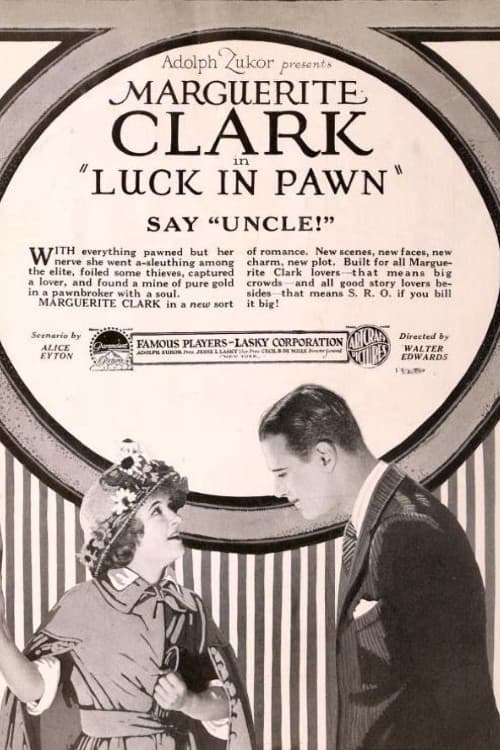
Country girl Annabel Lee has big dreams of being a famous artist. Her widowed mother encourages her to go to the city so she can study. Annabel works hard, but she sells only one painting. She discovers that a renowned artist is spending the summer at a nearby resort, so she sends him her best work for a critique. A friend recommends that she see him in person, so Annabel pawns a piece of jewelry and heads for the resort. The artist informs her that she doesn't have enough talent to achieve much.
In managing the shipyard inherited from her father, Derith Keogh has considerable labor problems and accedes to the unreasonable demands of John Trevelyan, an anarchist labor agitator. Derith's brother John is off in pursuit of an adventuress, and Angus Campbell, her superintendent, resigns in exasperation. Angus returns, however, to help Derith persuade Trevelyan to settle a strike, which Trevelyan accomplishes in spite of being shot by one of his own men.
Jimmy Nevins--once wealthy and now engaged to Doris Standish--is reduced to poverty and jilted by her when he is befriended by Mary Butler, the leader of a gang of crooks.
When the other members of a stranded theatrical company pool their funds to return to San Francisco, Yvonne Laraby remains in Colt City, Nevada, at the request of Andrew Reed, an oil company foreman, to consider his marriage proposal. There she meets oil well owner Clay Truxall, a former acquaintance, who asks her to become his secretary. Yvonne falls in love with Truxall and persuades Reed to return to his sweetheart, Marie Curtis, whom he had deserted for Yvonne.