Andrei Zarin
Writing
Biography
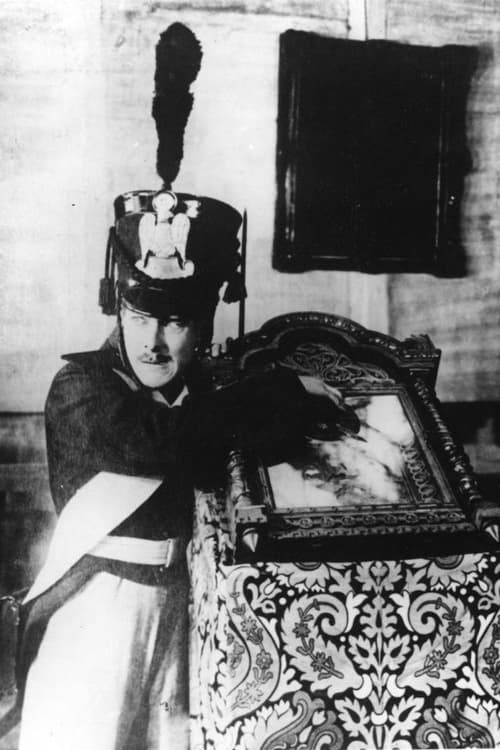
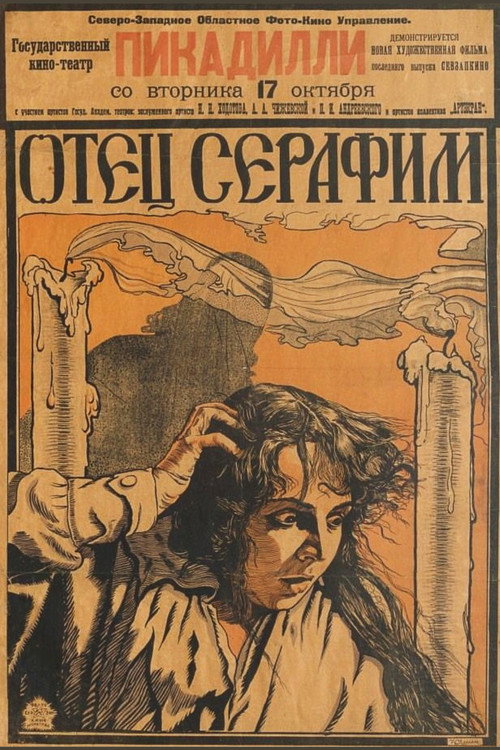
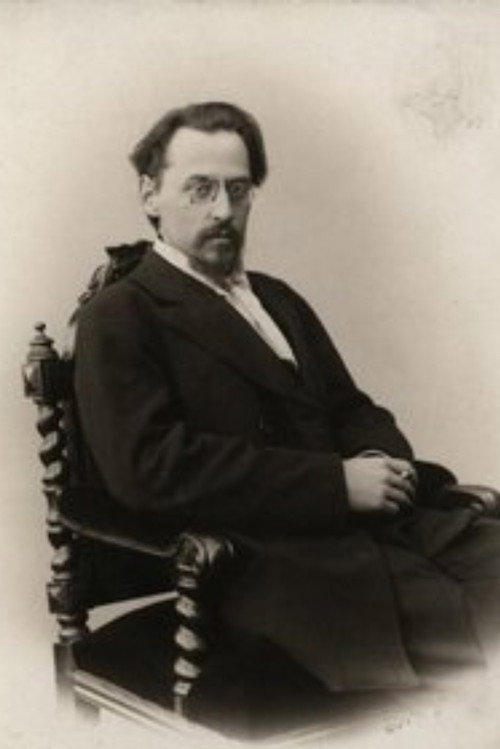
May 28, 1862, St. Petersburg – 1929. Andrei Zarin was a writer, editor, publicist, and journalist. Son of Yefim Fyodorovich Zarin (19th-century Russian writer, translator, and literary critic). Elder brother to the writer and prosaist Fyodor Zarin-Nesvitsky. Studied at the 3rd Saint Petersburg Gymnasium and the Vilnius Gymnasium; from 1879, he attended the Vilnius Real School. His earliest known publication was "Several Economic Questions" in the newspaper Vilnius Herald (April 1881). From 1881, he published a number of novels and short stories in illustrated and other periodicals. From 1884, he lived in St Petersburg. He was the de facto editor of Zvezda, Zhivopisnoe Obozrenie and other periodicals. He published the following novels separately (St. Petersburg): "Life and Dream" (1891), "Grey Heroes" (1893), "The Fireman’s Daughter" (1892), "Silhouettes" (1897); and the short story collections: "The Talking Head" (1896), "Novellas and Short Stories" (1896), "The False Trail" (1896), "By Vocation" (1897), "At the Root" (1895), "The Totalisator" (1891), "Weeds" (1890), and "The Faithful Heart" (1897). In 1906, he was sentenced to eighteen-months’ imprisonment in a fortress for his role as editor of the magazine "Sovremennaya Zhizn" (Modern Life). From 1925–1926, he served as technical editor of the magazine "Na Postu", (On Duty) which was published by the Leningrad police and the criminal investigation department. Zarin additionally worked in the film industry. Three films were made at the Sevzapkino studio based on his screenplays: the dramas "Endless Sorrow" (1922) and "Father Seraphim" (1922), and the comedy "The Miracle Worker" (1922) which received a favourable review from V.I. Lenin.