Acting
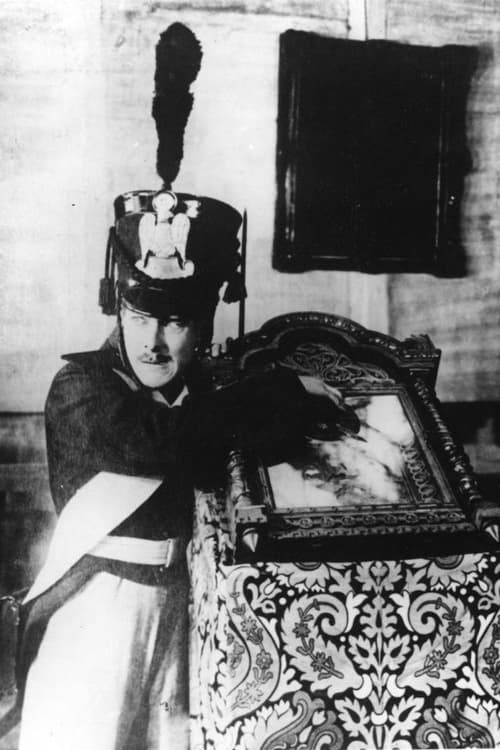
The young serf Eremey Mizgir is surrendered as a soldier by his mistress for his mischievous tricks. Mizgir ends up in St. Petersburg in the guards regiment. Resourceful, quick-witted, cheerful, he easily copes with his official duties and, although he often gets punished by the sergeant-major for his pranks, he never loses heart. But then sad news came from the village: the old people’s cow had died, and Eremey’s bride Dunya was being relentlessly pursued by the clerk. The soldier felt sad. Standing on guard at the rich, diamond-studded icon of the Kazan Mother of God and thinking about how to help the elderly and the bride, Mizgir decides to take a desperate step. He breaks the glass of the icon and picks out a large gemstone from the aureole of the Mother of God. When the loss is discovered, Mizgir, without blinking an eye, announces that the Mother of God herself gave him the stone.
On the powerless position of peasant women in pre-revolutionary Russia. Marisha, a village girl, is in love with the coachman Yakov. Marisha’s father, a wealthy peasant, refuses to consent to his daughter’s marriage. The lovers are forced to meet in secret. Soon Marisha gives birth to a child, and the coachman abandons his beloved. Harassed by the villagers, Marisha throws herself and her son into the river. Lost film. The title is taken from the first stanza of Russian poet's Nikolay Nekrasov's poem, titled "The village harvest is in full swing..."
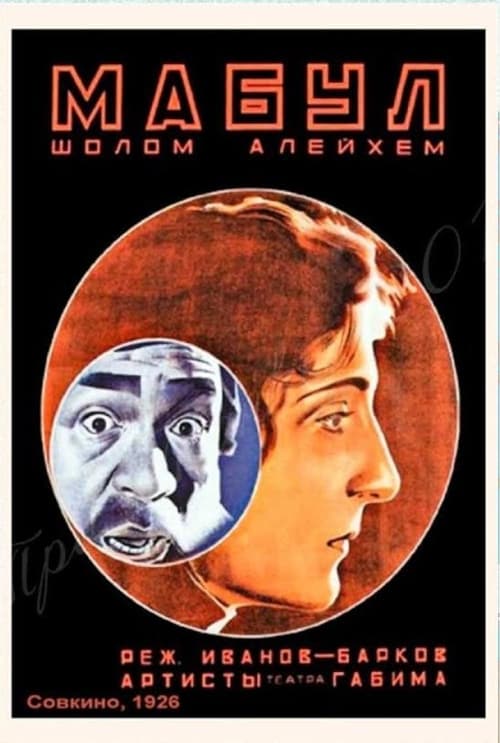
Against the will of the fathers (1926) was shot based on the story of Sholom Aleichem "Blood Stream", which talks about the participation of Jews in the 1905 revolution. The first version of the film, entitled "Mabul," was banned by the Soviet government. The 5-part version of the film has survived: a version modified by the will of censorship with other names of the characters, an updated storyline, a more positive attitude and a happy ending. The finale of the final reel shows the mass scenes of the revolutionary struggle in St. Petersburg, the scene of the Jewish pogrom.