Acting
No description available.
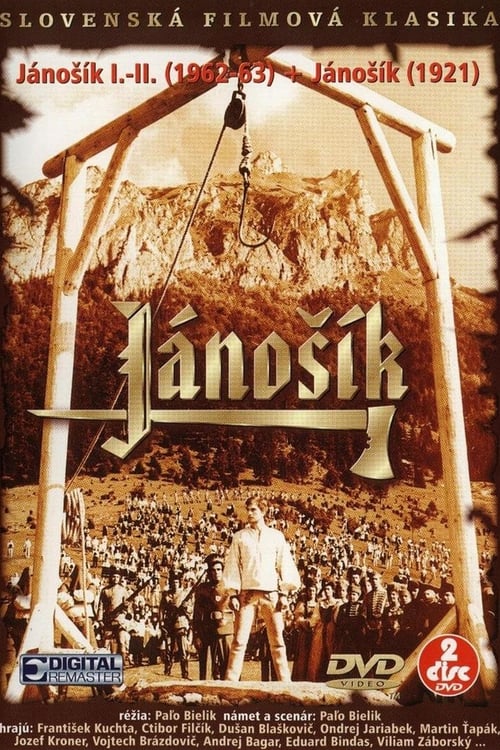
This film is one of the most popular pictures of Slovak cinema and relates the story about the legendary folk hero and brigand Juro Jánošík [1688-1713] and the social situation in Slovakia of the late 17th and early 18th centuries. The first part talks about Jánošík's childhood, studies and return to his native village. In the second part Jánošík leaves for the hills, where he organizes his band of brigands and starts an anti-feudal resistance. The film concludes with Jánošík's execution.
Historical reconstruction of the events of the anti-fascist struggle in Slovakia in 1943 and 1944.
In Slovakia, they often and gladly honored those soldiers who refused to serve the fascist regime and stood against it. Lieutenant Kukorelli also rejected the tempting career of a pilot, instead helping the resistance fighters and later participating in the Slovak National Uprising.
A group of children are trying to solve various mysteries during the summer.
A story of a family that after WWII moved to the south of Slovakia and acquired a prosperous butcher business left behind by a Hungarian emigrant. From the previous owner, the family also inherited a self-assured, greedy assistant who does not like to observe any firm moral principles. He assists the family in gaining wealth but in the long run, he causes the family's moral dissolution. In his most successful feature film, director Zoro Záhon combined a complex drama with excellent acting performances, especially that of Hungarian actor Gábor Koncz in the lead role.
Concentration camp commander Kraft finds out that prisoner Kominek is a former professional boxer. Overnight, the prisoner is made Kraft's exercise partner and unwillingly rises to a privileged position at the camp. His anger over the death of his friend and co-prisoner leads to open revolt. The film brings a new view of human degradation during fascism by a tragic story of one man whose only chance for survival is to accept the rules of an unequal game.