Asen Balikci
Production
Known For
The first of two coproductions by the British Broadcasting Corporation and the National Film Board of Canada, People of the Seal, Part 1: Eskimo Summer is compiled from some of the most vivid footage ever filmed of the life of the Netsilik Inuit in the Kugaaruk region (formerly Pelly Bay) of the Canadian Arctic. The original films of the Netsilik series attempted to recreate the traditional lifestyle of Netsilingmiut living there. They show the incredible resourcefulness of the Netsilik (People of the Seal) who have adapted to one of the world's harshest environments. Part 1: Eskimo Summer shows how Inuit families prepare for winter by hunting seal, birds and caribou and by fishing for Arctic Char during the extended hours of daylight.
People of the Seal, Part 1: Eskimo Summer
A spring sea-ice sequence documenting travel, camp construction, domestic labor, and seal hunting among Netsilingmiut families.
Netsilik Eskimo, III: At the Spring Sea Ice Camp
An early-autumn sequence documenting domestic life and a coordinated communal caribou hunt at a river crossing camp.
Netsilik Eskimo, II: At the Caribou Crossing Place
A late-autumn seasonal sequence documenting camp building, fishing, tool-making, and preparation for winter as a Netsilingmiut family travels downriver toward the coast.
Netsilik Eskimos, I: At the Autumn River Camp
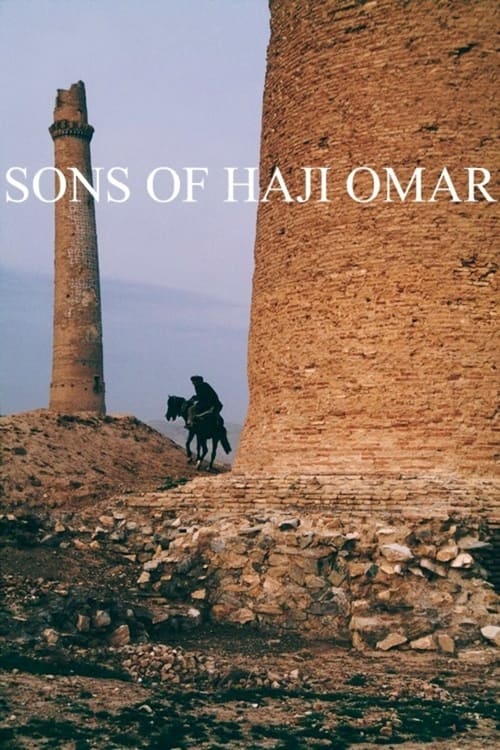
Haji Omar and his three sons belong to the Lakankhel, a Pashtoon tribal group in northeastern Afghanistan. The film focuses on his family: Haji Omar, the patriarch; Anwar, the eldest, his father's favorite, a pastoralist and expert horseman; Jannat Gul, cultivator and ambitious rebel; and Ismail, the youngest, attending school with a view to a job as a government official.
Sons of Haji Omar
A summer river sequence documenting stone-weir fishing, communal labor, and domestic life.
Netsilik Eskimos, VII: Fishing at the Stone Weir
A summer sequence documenting the communal construction of a kayak and associated domestic and subsistence practices.
Netsilik Eskimos, VI: Building a Kayak
A late-spring sequence documenting domestic life, craft production, and a coordinated seal hunt on the sea ice.
Netsilik Eskimos, IV: Group Hunting on the Spring Ice
A late-winter sea-ice sequence documenting camp building and seal hunting under extreme Arctic conditions.
Netsilik Eskimos, V: At the Winter Sea Ice Camp
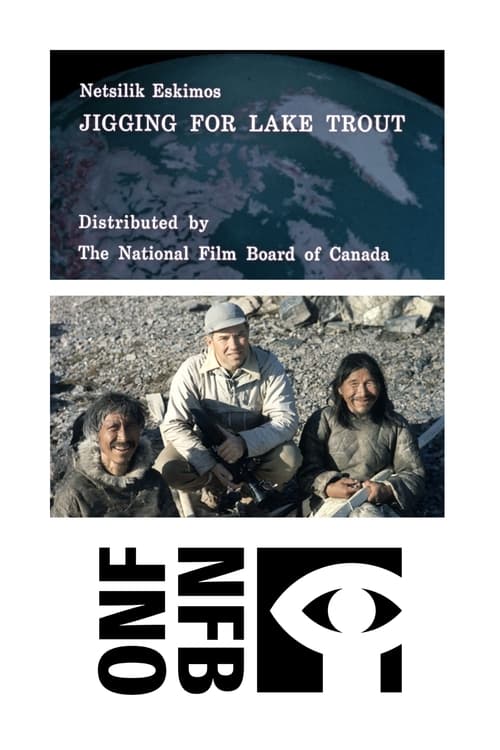
A late-winter/early-spring sequence documenting lake-ice fishing, camp life, and subsistence practices.
Netsilik Eskimos, VIII: Jigging for Lake Trout
An authentic record of the life of the Netsilik Inuit of the Pelly Bay region of the Canadian Arctic during their last migratory camp. It shows the old Inuit culture and their complete adaptation to their environment.
The Eskimo: Fight for Life
A late-spring coastal sequence documenting seal hunting and processing on the sea ice.
Netsilik Eskimos, IX: Stalking Seal on the Spring Ice

The film illustrates the changes the Lepcha of the Dzongu reserve, North Sikkim, have been through in the last 60 years. From the 1940s, the Lepcha of Tingvong village gradually abandoned hunting, gathering and the slash and burn cultivation of dry rice, and became settled agriculturalists. Entire mountains sides were converted to cardamom and terraced for the cultivation of irrigated paddy. The irrigated rice and the cardamom cash crop not only brought the Lepcha within Sikkim’s market economy but helped create a surplus which could among other things be invested in religion. In the 1940s, the Lepcha of Tingvong embraced Buddhism and all its complex rituals without however abandoning their strong shamanic traditions. Today, both forms of rituals amiably co-exist in the village. This film is part of a long-term visual anthropology training project for the tribal communities of Sikkim.