Production
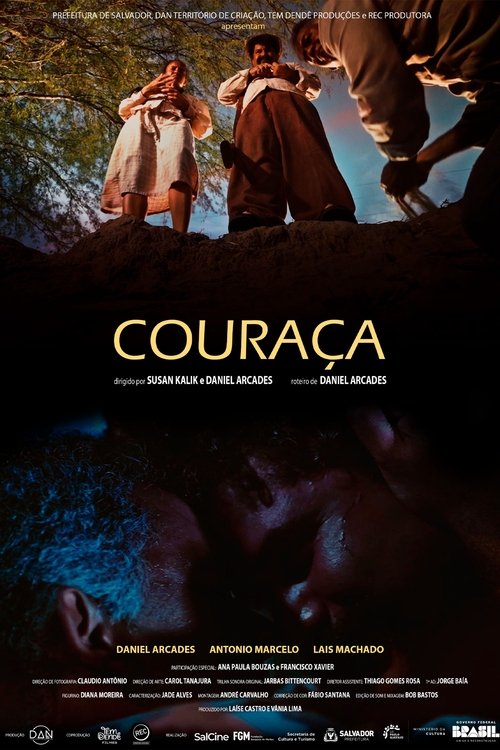
After the massacre of LampiĂŁo's band, two cangaceiro lovers journey across Brazil's backlands to return a pregnant female outlaw to her family's home, while confronting desires and choices that no longer have a place in the world around them.
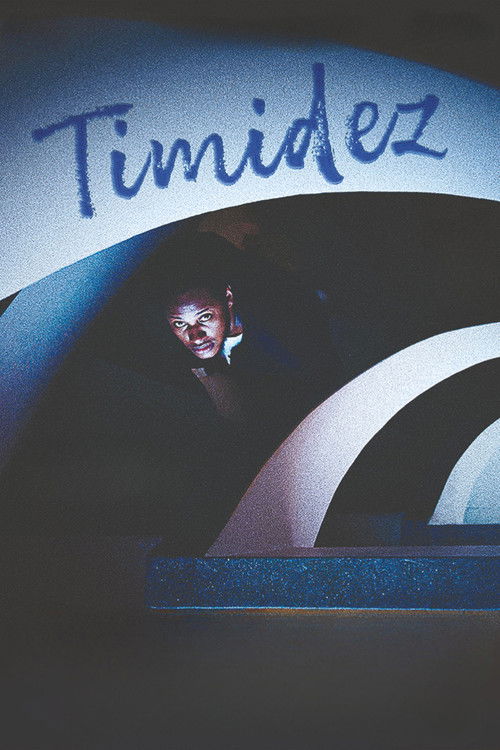
A young Black artist named Jonas lives in the shadow of his authoritarian brother with whom he shares a house. However, when his upstairs neighbor, Lucia, accepts an invitation to dinner, Jonas begins a journey of personal reflection, confronting his own demons and ghosts and doubting himself.
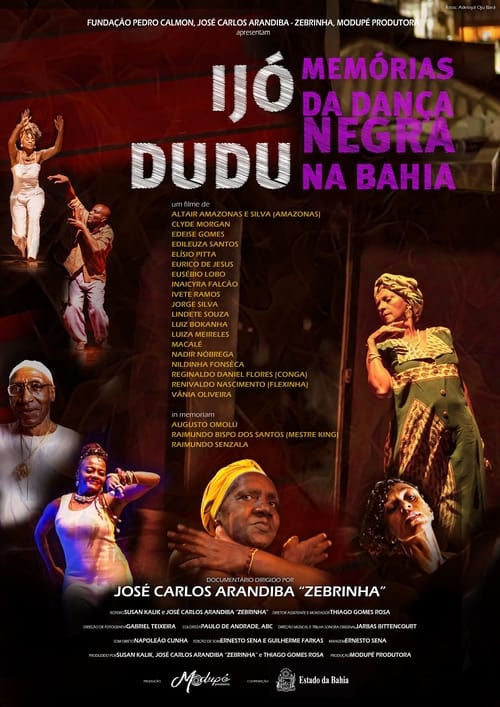
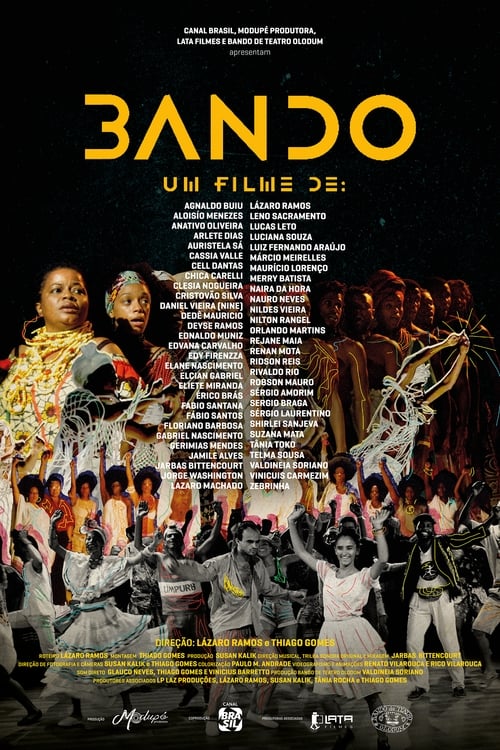
The 28-year history of the Olodum Theater Band, Latin America's longest-running black theater company. Created in Salvador in 1990, in partnership with the Olodum Cultural Group, the company was responsible for launching names such as Lázaro Ramos and Érico Brás. Gathering archive images and interviews with Bando members, collaborators and other guests, the group's trajectory is built.
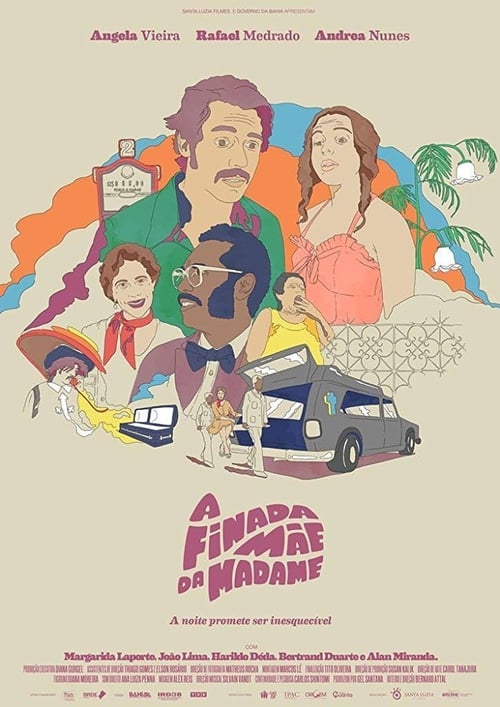
LĂşcio comes back home drunk and tired after a party late into the night and has a fight with his wife, Terezinha. Then, a butler shows up at their door to inform them Terezinha's mother has died.
Cicero lost his brother to racial hatred. Now, his brother-in-law wants to save him from the same fate, taking him by force to another place.
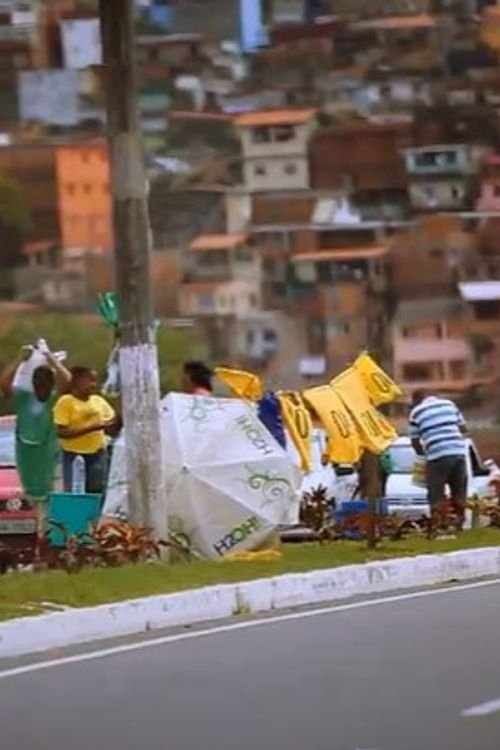
After the World Cup match schedule was drawn and the holidays were added, Salvador was left with only four working days. In other words, a big “holiday in Salvador” during a World Cup. Given this unusual situation, the film portrays those who are excited about the World Cup, fans and soccer fanatics, and also those for whom the World Cup does not arrive with the same fervor. We will experience important moments during the World Cup with them, looking at the same fact from different perspectives: soccer. The film presents the viewer with a Bahia that fans, but a real Bahia with its coastal areas, suburbs, commerce, historical and tourist areas. A real Bahia in its diversity and, of course, in its good humor.
No description available.