Acting
No description available.
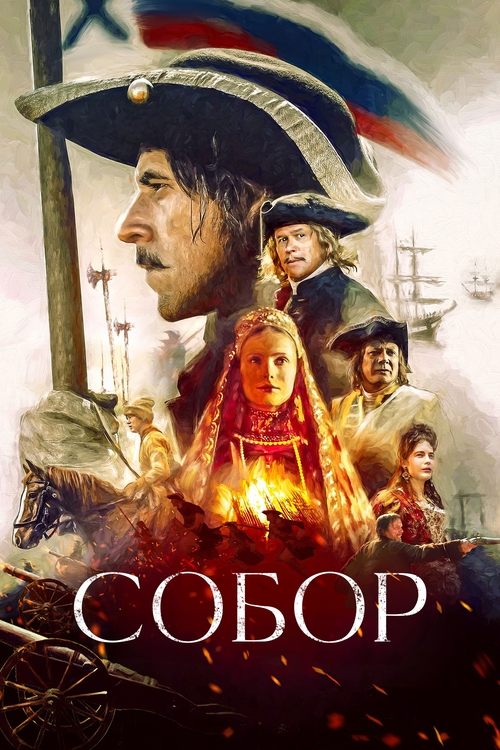
Different strokes for different folks - says the proverb. Born a rabble dies a rabble. But this is the year 1700, the time of dramatic changes in the Russian Empire, the time of reformations carried out by Peter the Great. Young serf Ivan Starshov is head over heels in love with Maria, the daughter of his master. He doesn't want to accept that the young princess is no match for him. "You gave me wishes, but you do not allow me to satisfy them!" rages Ivan against God. He asks a priest for help, since God created all people equal. But the priest repeats the proverb. Accept your fate destiny as it is. In despair, Starshov repudiates from faith. Ivan is stubborn; he leaves the village to take possession of his fate. This is how the protagonist gets on the winding road to the true understanding of Love.
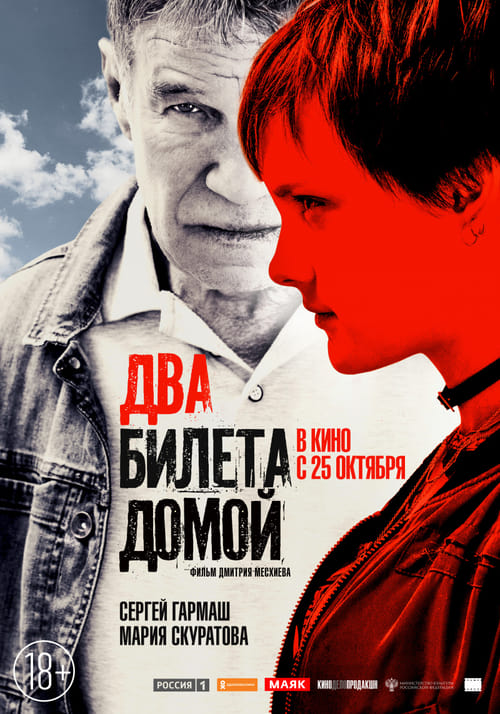
Liuba Vasnetsova lives in a provincial boarding school, dreams of finishing it sooner rather than later and go to St Petersburg to become a stewardess. The future seems bright: after boarding school she receives the keys to a new apartment, with a new life ahead. But on the day of her graduation she learns that she is not an orphan: her father is alive and not dead, as she was told earlier. The girl is shaken and decides to find him.
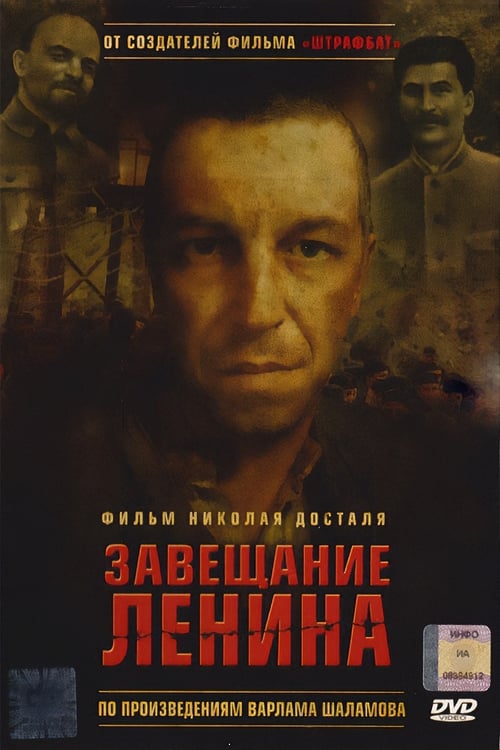
The author of The Kolyma Stories and many other works spent 17 years in the terrible GULAG camps on Kolyma. The term that Varlam Tikhonovich received in 1929 was for distributing Lenin's letter to the congress, in which he criticized Stalin. Nowadays, this letter is called the "testament of Lenin"…
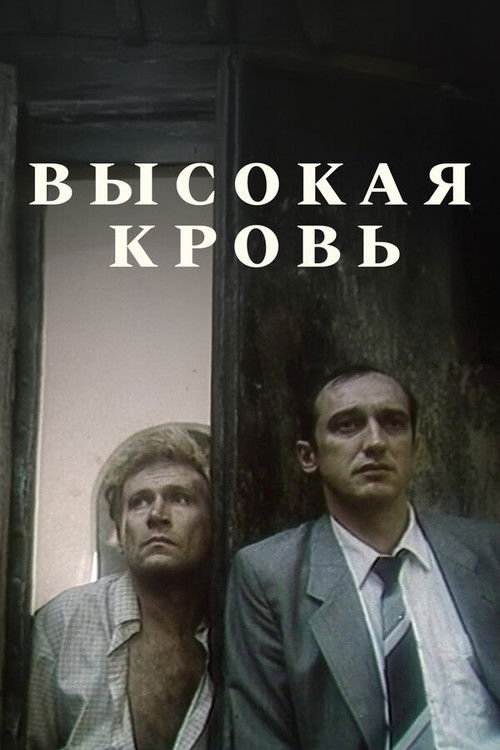
During jockey's absence, the authorities decide to send his horse to the stud farm.
A student is trying to build a career in theater using not his talent but looks and sexuality.