Zineb Sedira
Directing
Biography
London-based Franco-Algerian feminist photographer and video artist, best known for work exploring the human relationship to geography.
Known For

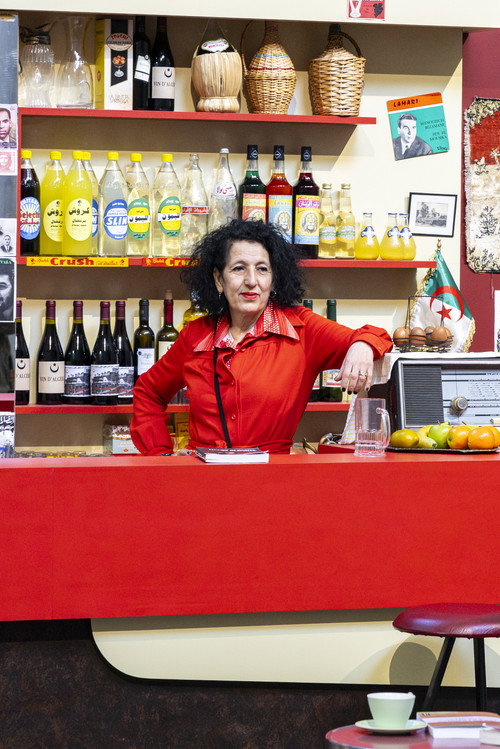
Part of Zineb Sedira's art installation for the French Pavilion at the 59th Venice Biennale. A piece where Sedira explores her passion for the militant cinema of the 60s and 70s.
Dreams have no titles
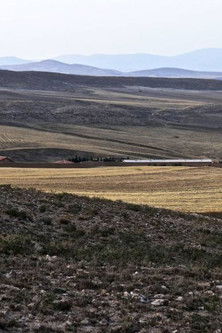
Is it legitimate to want to define the limits of a territory, or does this amount to removing them from the only domain where they can become fulfilled: the interiority of the one who expresses them, in this case her father? And if this is the case, how, in a respectful way, to map the notion of territory? Every effort of spatialisation is, for her father, at once mental and physical. Walking, her father traces out his land both mentally and physically. Experience plays a fundamental role in the tracing of a territory. Zineb Sedira plays with this divide between ‘interiority’—the mental apprehension of the world—and ‘physicality’—the physical materialisation of a territory. Is not the notion of territory inseparable from the experience of the body? The two heterogeneous notions of body and territory seem here, in the experience of her father, consubstantial with the representation of land. A perception of territory at once precise and hazy emanates from such a standpoint.
Tracer un territoire
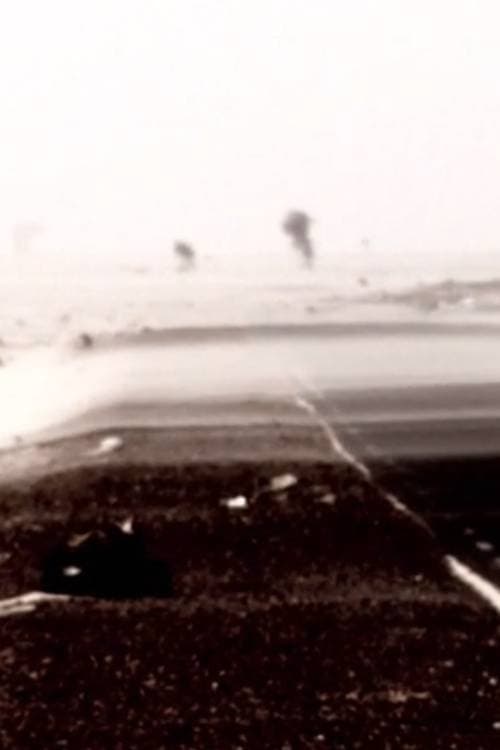
The piece explores the cultural crossovers, the geo-political area as a continual interweaving of cultural roots and historical routes. The seascape journey portrays an intricate space of encounters, currents and continual transit. A site of ancient civilisation as well as contemporary tourism and migration. The desert and the sea are sites of historical, cultural and contemporary 'movement' as well as a barrier and a divider between the South and North, the East and West.
Guiding Light
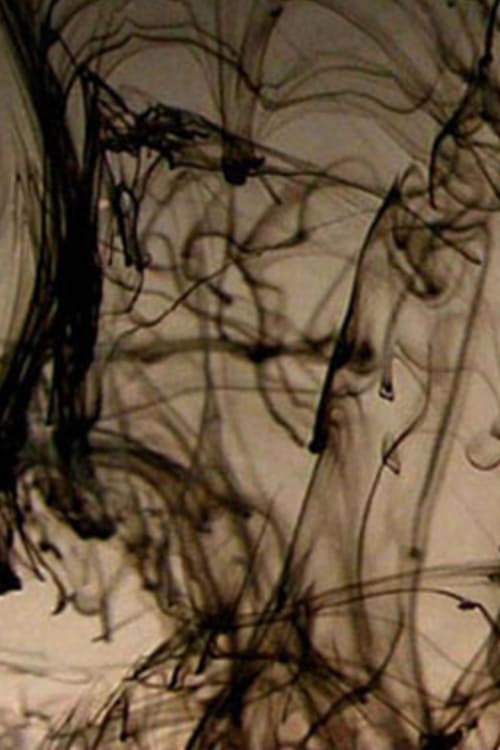
"One sees a close-up shot of a glass being filled with water. Bubbles are formed but slowly the water regains its still quality. The glass then acts as a deformative device between the viewer and the artist, as a hand is writing "don't do to her what you did to me" on the back of the photographs. Everything is still again for a short while until, slowly and majestically, a flush of black ink flows downwards, staining the water... The ink preludes the more dramatic fate of the repeated haunting images, the deceased woman. One hears a metallic sound as the photographs move in a more frenetic spin. One is aware of the glass again, of the limited space where a struggle takes place between a probable spoon and the photographs which dematerialise under one's eyes. The sheer immediacy of the destruction process is intensified as the image dissolves into an organic paste. Then, a woman, the artist, drinks the solution, the last ironic phase of the talisman." -S.Z
Don't Do To Her What You Did To Me
A video installation where the camera brackets a woman’s eyes so that they inhabit the entire field of view.
Silent Sight
Zineb Sedira pays tribute to the history of African Cinema and the filmmakers who had inspired her.
WHEN CINEMA SPEAKS...
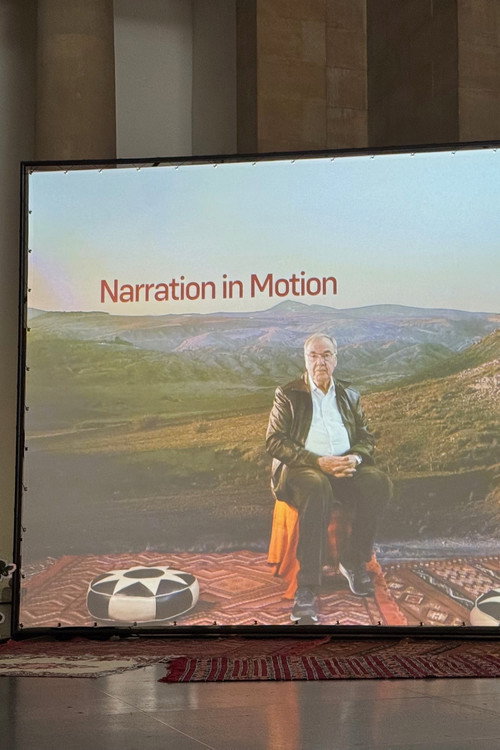
The film critic and historian Ahmed Bedjaoui recounts how Algeria became a global centre for militant cinema after the country achieved independence from France in 1962. Zineb Sedira connects these histories to ideas of oral storytelling and collective memory in African culture. Sedira presents her film from a recreation of a mobile cinema.
Narration in Motion

The video shows the artist almost obsessively writing an autobiographical text in French onto her own hand, until the repeated overlays of words come to resemble a mysterious, intricate, Arabesque pattern. The process of writing functions as a mark of identity, a determination to write her own subjective experience into representational narratives, to inscribe her own fiction of identity. [Overview courtesy of Lux Online]
Autobiographical Patterns
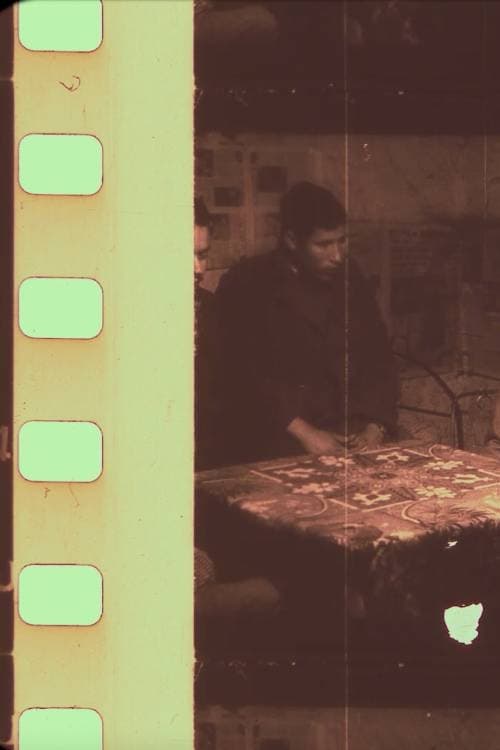
Between the 1960s and the late 1980s, the Algerian film industry flourished in an anti-colonial environment, giving rise to a nation of politically aware film lovers. Since then, however, the film industry and archives in Algeria have suffered due to the political and economic situation. This short video work consists of several sequences of found footage from various militant films made in Algeria from the 1960s onwards. The archive material was edited for this show to create a new narrative. Some sequences are reminiscent of politically engaged action in this country that was one of the African nations where liberation movements flourished most freely. Other parts of the footage show traces of time as a result of the deterioration in the film’s chemical composition and emulsion, resulting in abstract images with granular textures.
mise-en-scène (scene 1) is part of Standing Here Wondering Which Way to Go

Sedira and her mother have a conversation in their respective mother tongues; French and Arabic, respectively, about her mother's and other women's roles in the Algerian War of Independence.
Retelling Histories
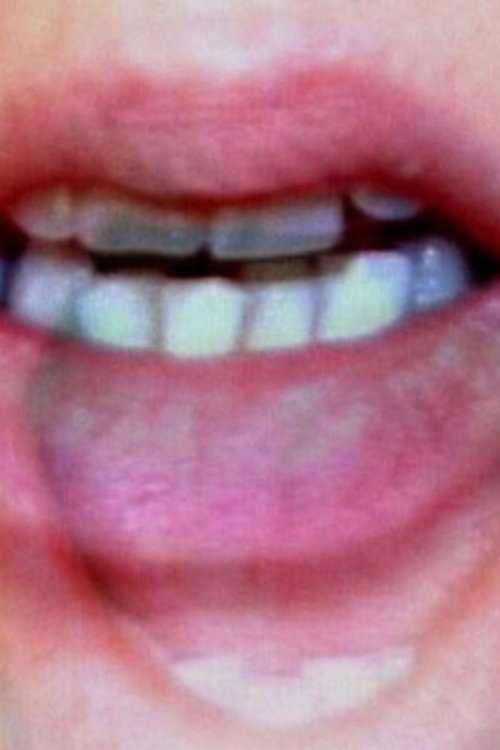
[Overview Courtesy of Lux Online] In French this is called a 'Youyou', a sound made by women mainly to celebrates happy occasions but also was used during the Algerian war of liberation by women as a weapon against French soldiers. Issues of body representation are here explored by using a part of the body.
Scream of Liberation
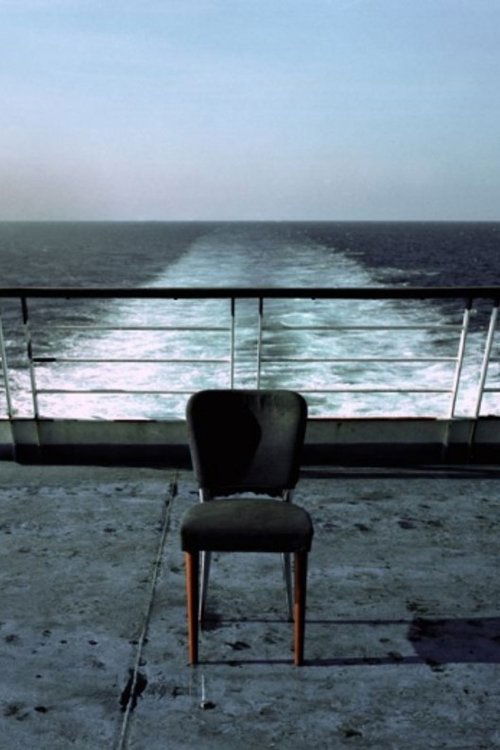
A four-screen video projection exploring three old lighthouses and their keepers.