Alejandra Guzzo
Directing
Known For
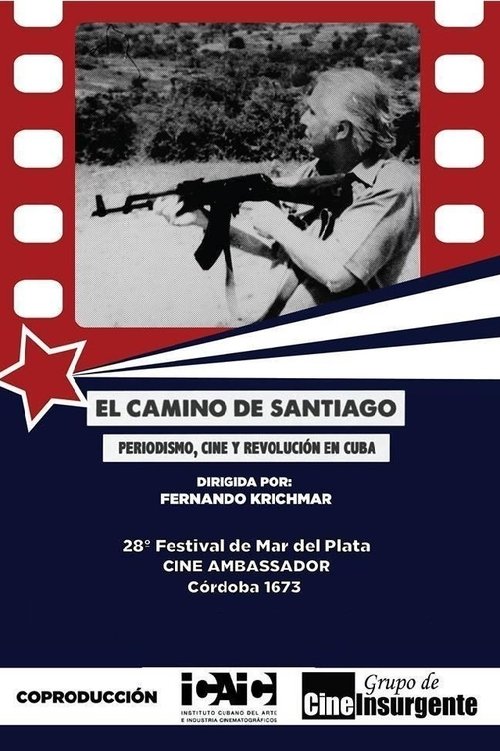
A tribute to Santiago Álvarez, a great innovator in the language of Cuban newsreel images, presented by the ICAIC over the course of thirty years. This unique figure in Latin American cinema is reconstructed. Told as a game of Chinese boxes (documentaries within documentaries, authors within authors, images within images), Álvarez's obsession is revealed to be identical to that of his disciples: to confront the reality of Cuba with other realities, staging aesthetic operations that are nevertheless political operations, always in favor of the Revolution.
El camino de Santiago: Periodismo, cine y revolución
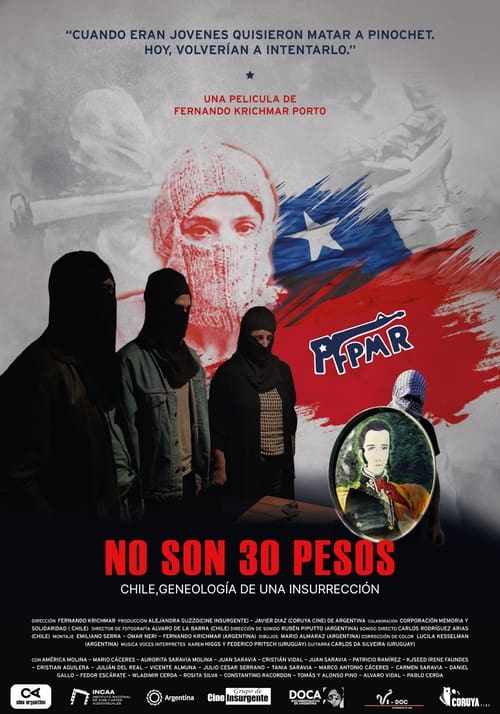
A group of young actors attempts to recreate some of the key scenes that tell the story of the Manuel Rodriguez Patriotic Front, the guerrilla group created by the Chilean Communist Party, 10 years after the start of the dictatorship of the genocidal Augusto Pinochet in December 1983.
No son 30 pesos

No description available.
Yo Pregunto a los presentes
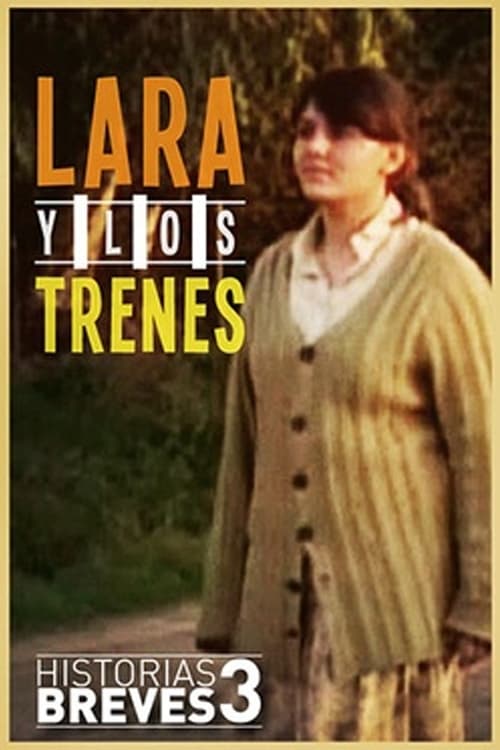
Lara must take the train every day to go to work. In that monotony she meets someone special, but it is not what she imagined.
Lara y los trenes
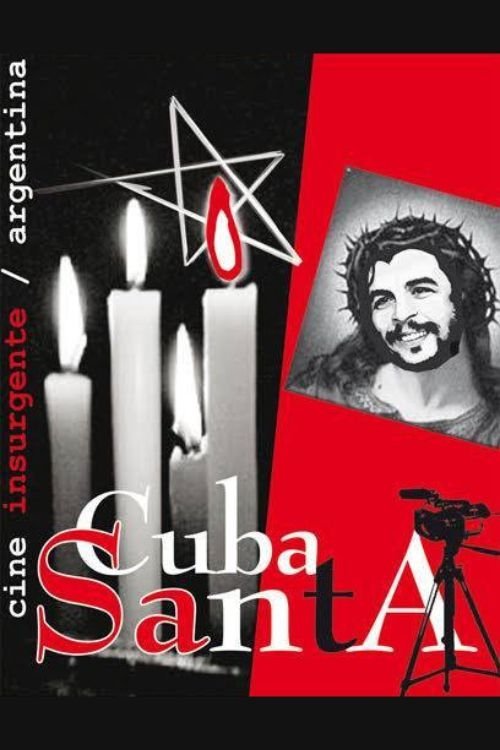
Through conversations with men and women practicing the Yoruba religion -better known as "Santeria" in Cuba-, the documentary narrates through a simple and direct record the phenomenon of faith and how it entered their lives.
Cuba Santa
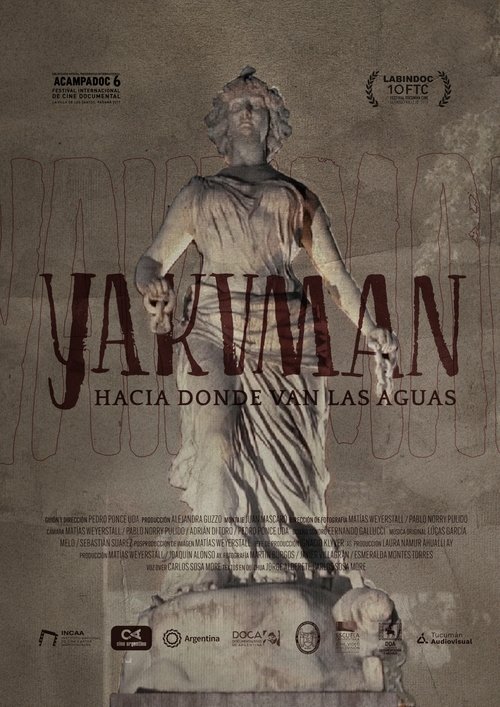
Tucumán is known as the cradle of Argentine independence. However, not many people know that it was built on a sacred site, "the place where the waters flow." Through images of the present and the future, this film tells the story of this town, ruled for centuries by angels with fiery swords.
Yakuman: Hacia donde van las aguas
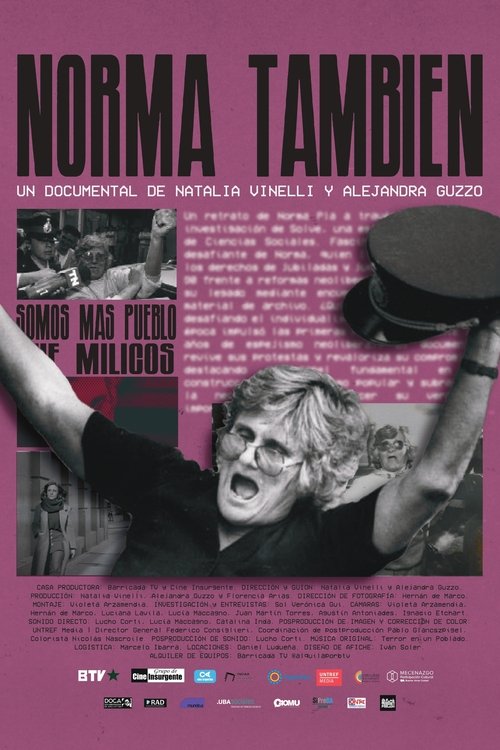
A portrait of Norma Pla through the research journey of Solve, a feminist social science student. Fascinated by the defiant figure of Norma, who led the fight for pensioners' rights in the 1990s against neoliberal reforms, Solve explores her legacy through encounters, interviews, and archival material.
Norma también
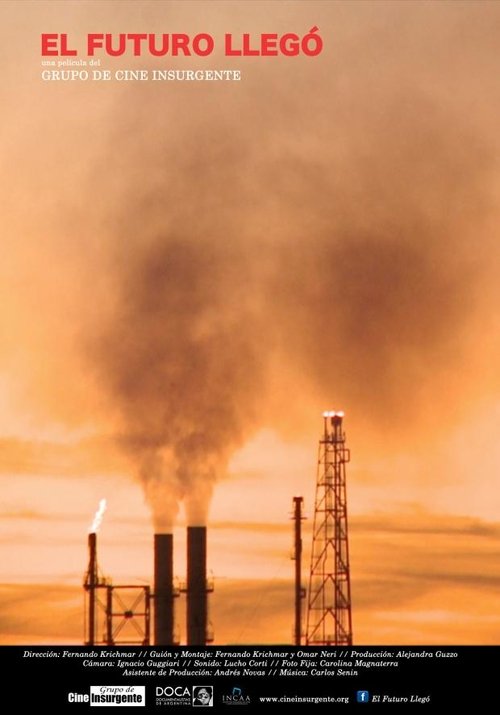
The petrochemical pole installed in Ingeniero White hand in hand with the discourse of "progress" promises that Bahía Blanca will become Argentine California. The reality is much harsher. But in this bleak panorama, the voices and bodies of the popular resistance emerge.
El futuro llegó
With handheld camera, the film travels through towns and sacrifice zones where pollution and dispossession sicken communities. But it also shows marches, blockers, assemblies, and the power of mutual aid. Jenny, Mariela, Miriam and Guni —peasant women, popular educators, and territorial leaders— embodi the force of Pachamama exploding, literally and symbolically.