Acting
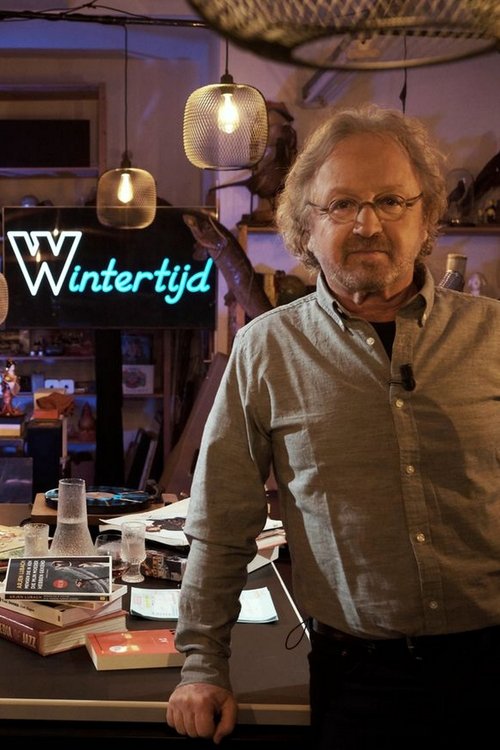
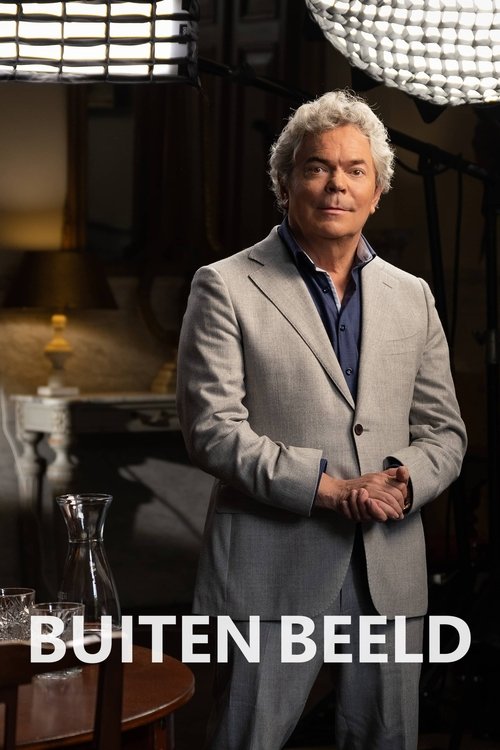
This VPRO's ‘summer classic’ is based on an equally simple and refreshing idea that originated in 1988: When during the summer most of the channels are showing reruns, ask interesting people people to curate their ‘favorite television evening’ and let them clarify the fragments in a long-form interview/conversation. The programme was first aired in 1988. Each episode takes up an entire Sunday evening, lasting typically three hours. It consists of an in-depth studio interview with a notable Dutch, Belgian or other Dutch-speaking foreigner, interspersed with cinema or television footage selected by the guest, which is subsequently discussed. Guests include writers, scientists, television personalities, politicians or business people.
No description available.
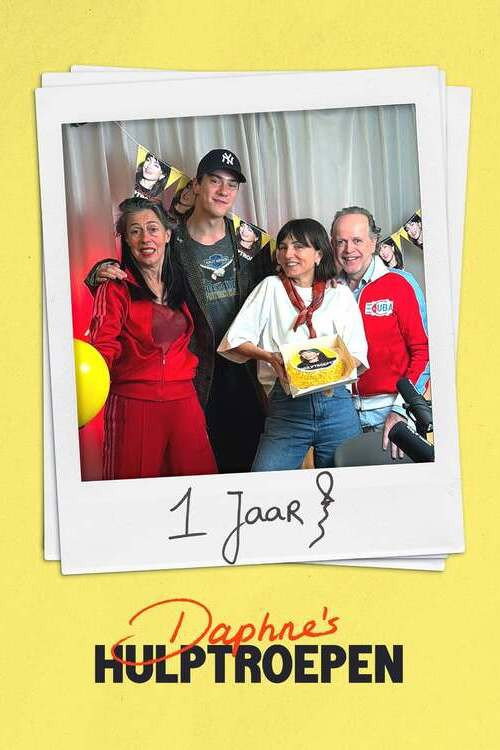
Life is simple and complex at the same time, but you don't have to do it alone anymore. Daphne's Support Troops are ready for you from now on! In this weekly talk show, Daphne Bunskoek and her support troops—a rotating panel of Dutch celebrities from three different generations—search for answers to big and small life questions. Together, we look for solutions, ask difficult questions, and *always* give an honest answer. Sometimes confronting, often with humor, but always with the intention of helping you, the listener, move forward. Do you have a dilemma you could use some help with?
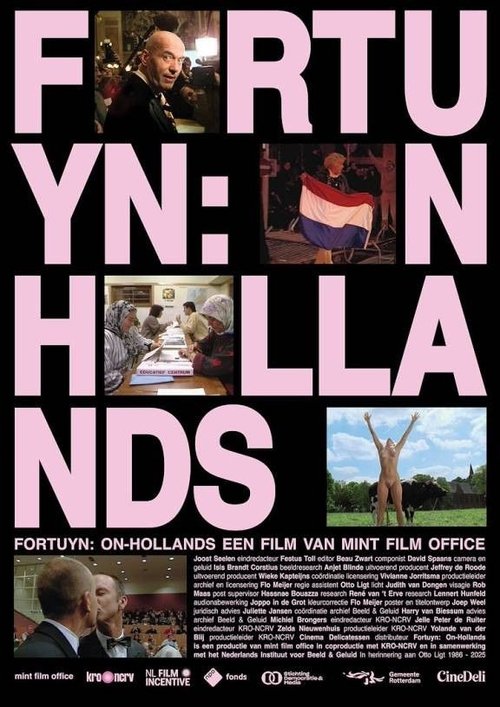
What does Pim Fortuyn's legacy mean for the Netherlands today? How have his rise and his assassination changed the political and societal debate on migration? And what does that say about Dutch views on tolerance and diversity? In the eight-part KRO-NCRV documentary series Fortuyn: Un-Hollands, producer mint film office gives a voice to people who were barely heard at the time, but who were right at the center of the Fortuyn debate. Critics, political allies and opponents, men and women, with a bicultural background and white, tell how they experienced the Fortuyn revolt and what influence Pim Fortuyn had – and still has – on their lives and positions in the Netherlands.
Insiders, close friends, and experts talk about the impressive life of Princess Beatrix: the powerful woman, friend, and mother behind the office.
Theo van Gogh yearned for love, attention and freedom. How do his family, colleagues, friends and enemies view the radical way in which he worked and lived? And, twenty years after the murder of Theo van Gogh, how do we relate to the discussions he sparked at the time?
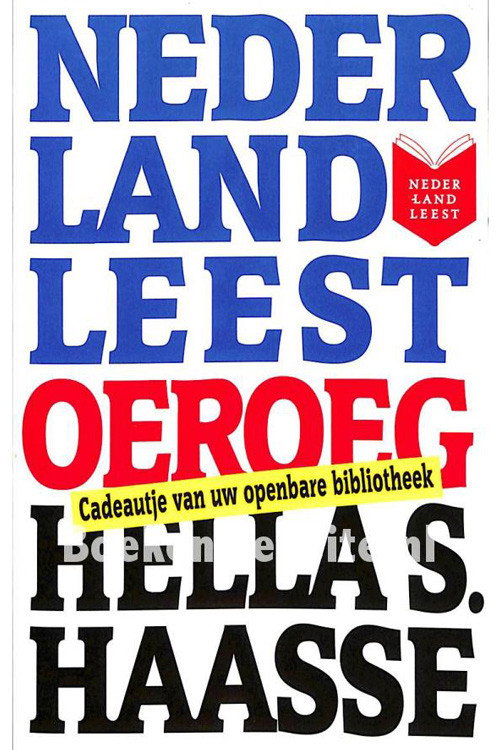
Reading relay of the novel 'Oeroeg' by Hella Haasse by eighty well-known and lesser-known Dutch people. Each person reads a page aloud, after which the book is passed on to the next reader. Philip Freriks, news anchor and ambassador for Nederland Leest, opens the reading relay. Director Shireen Strooker concludes it. 'Oeroeg' is Hella Haasse's debut novel from 1948. Haasse tells the story of the friendship between an Indonesian boy and the son of a Dutch administrator at a tea plantation in the Dutch East Indies before the Second World War. Gradually, the two boys grow apart. When the narrator, the Dutch boy, returns to the Indies—which has not yet quite become Indonesia—after studying in Delft, their estrangement turns out to have grown into a chasm. The final sentence reads: "Am I forever a stranger in the land of my birth, on the soil from which I do not wish to be uprooted? Time will tell."
Following the Van Rijn Commission's investigation, Coen Verbraak speaks with editors and presenters about the work culture at the public broadcaster.
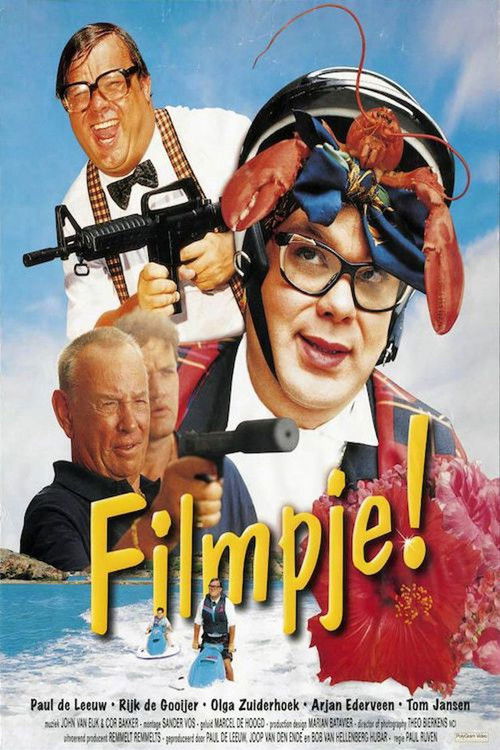
Bob and Annie separate. After the court case Annie gives Bob two airline tickets for a tropical island to save their relationship. However, Bob takes someone else with him on holiday: Carmen, the daughter of Mafioso Don Gorgonzola. Annie lags behind in Holland, where she falls in love again with other men.