Marvin J. Chomsky
Directing
Biography
From Wikipedia, the free encyclopedia. Marvin J. Chomsky (born May 23, 1929) is an American television and film director. He has also worked as a producer. He is a cousin of academic Noam Chomsky. Born in New York City, Chomsky graduated from Syracuse University in 1950. His early jobs in the motion picture and television industries included work as an art director, set decorator, and producer. His feature film directing credits include Evel Knievel and Good Luck, Miss Wyckoff. Chomsky is a prolific television director, and his career spanned from 1964-1995. During the late 1960s, Chomsky directed eleven episodes of the television series The Wild Wild West. He also directed episodes of Star Trek and Gunsmoke. Besides directing individual episodes for television series, Chomsky directed made-for-TV movies. Later in his career, Chomsky worked almost exclusively on made-for-TV movies and miniseries. During the 1970s, Chomsky served as one of the directors for the miniseries Roots: The Saga of an American Family. In 1982 he directed Vanessa Redgrave in the TV movie, My Body, My Child and in 1989 the miniseries Brotherhood of the Rose with Robert Mitchum, Peter Strauss and David Morse. He is the winner of three Emmy Awards: Outstanding Directing for a Drama Series for Holocaust in 1978; Outstanding Directing for a Miniseries, Movie or Dramatic Special for Attica in 1980 and for Inside the Third Reich in 1982. Description above from the Wikipedia article Marvin J. Chomsky, licensed under CC-BY-SA, full list of contributors on Wikipedia.
Known For

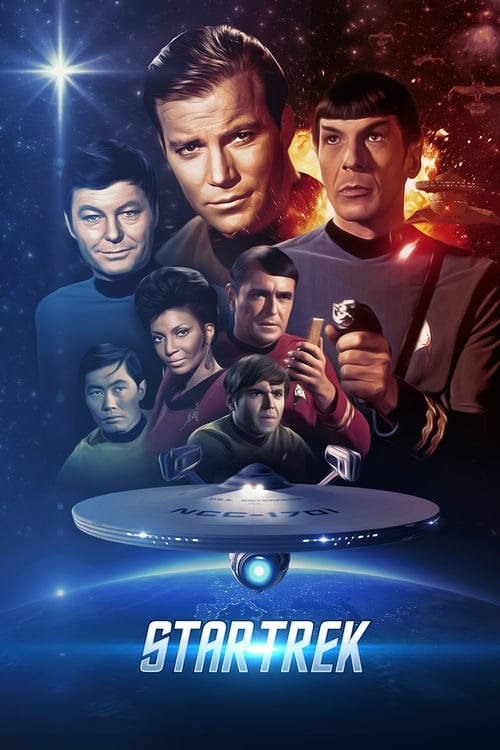
Space. The Final Frontier. The U.S.S. Enterprise embarks on a five year mission to explore the galaxy. The Enterprise is under the command of Captain James T. Kirk with First Officer Mr. Spock, from the planet Vulcan. With a determined crew, the Enterprise encounters Klingons, Romulans, time paradoxes, tribbles and genetic supermen led by Khan Noonian Singh. Their mission is to explore strange new worlds, to seek new life and new civilizations, and to boldly go where no man has gone before.
Star Trek

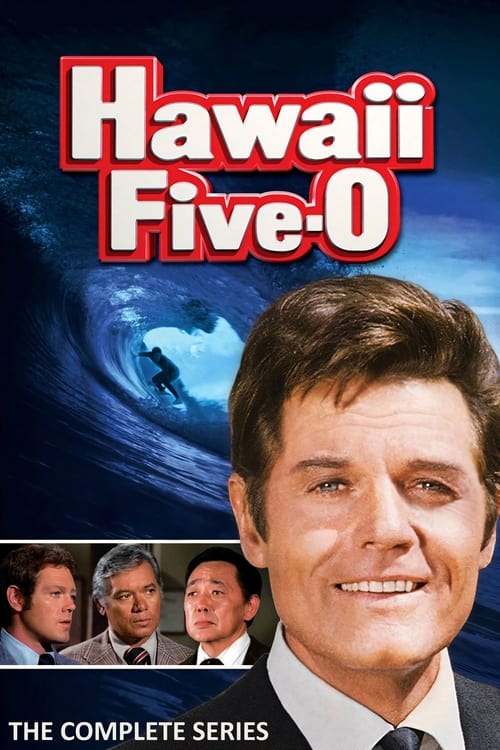
Hawaii Five-O is an American police procedural drama series produced by CBS Productions and Leonard Freeman. Set in Hawaii, the show originally aired for 12 seasons from 1968 to 1980, and continues in reruns. Jack Lord portrayed Detective Lieutenant Steve McGarrett, the head of a special state police task force which was based on an actual unit that existed under martial law in the 1940s. The theme music composed by Morton Stevens became especially popular. Many episodes would end with McGarrett instructing his subordinate to "Book 'em, Danno!", sometimes specifying a charge such as "murder one".
Hawaii Five-O

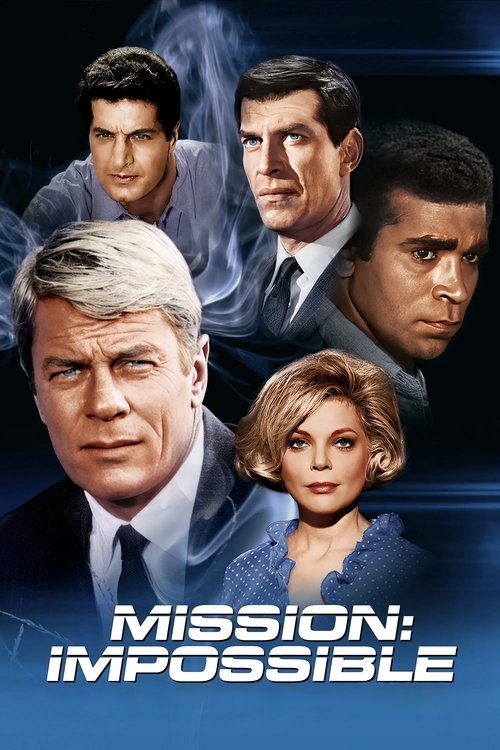
Mission: Impossible is an American television series that was created and initially produced by Bruce Geller. It chronicles the missions of a team of secret government agents known as the Impossible Missions Force. In the first season, the team is led by Dan Briggs, played by Steven Hill; Jim Phelps, played by Peter Graves, takes charge for the remaining seasons. A hallmark of the series shows Briggs or Phelps receiving his instructions on a recording that then self-destructs, followed by the theme music composed by Lalo Schifrin. The series aired on the CBS network from September 1966 to March 1973, then returned to television for two seasons on ABC, from 1988 to 1990, retaining only Graves in the cast. It later inspired a popular series of theatrical motion pictures starring Tom Cruise, beginning in 1996.
Mission: Impossible

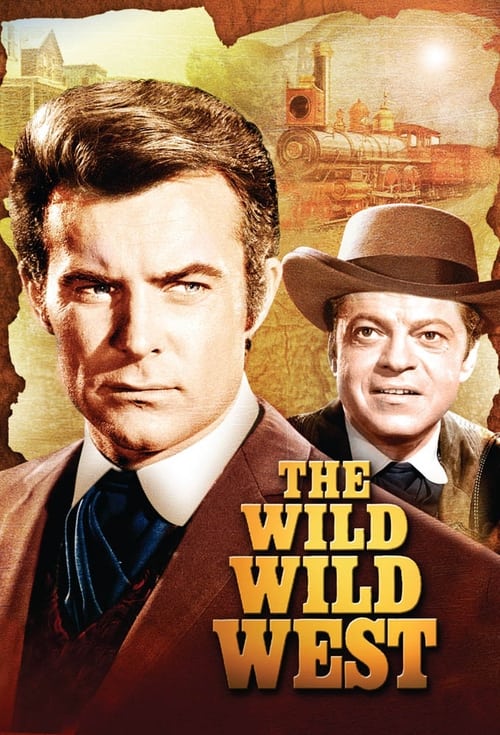
The Wild Wild West is an American television series. Developed at a time when the television western was losing ground to the spy genre, this show was conceived by its creator, Michael Garrison, as "James Bond on horseback." Set during the administration of President Ulysses Grant, the series followed Secret Service agents James West and Artemus Gordon as they solved crimes, protected the President, and foiled the plans of megalomaniacal villains to take over all or part of the United States. The show also featured a number of fantasy elements, such as the technologically advanced devices used by the agents and their adversaries. The combination of the Victorian era time-frame and the use of Verne-esque style technology have inspired some to give the show credit for the origins of the steam punk subculture.
The Wild Wild West

The Antoinette Perry Award for Excellence in Theatre, more commonly known as a Tony Award, recognizes achievement in live Broadway theatre. The awards are presented by the American Theatre Wing and The Broadway League at an annual ceremony in New York City. The awards are given for Broadway productions and performances, and an award is given for regional theatre.
Tony Awards

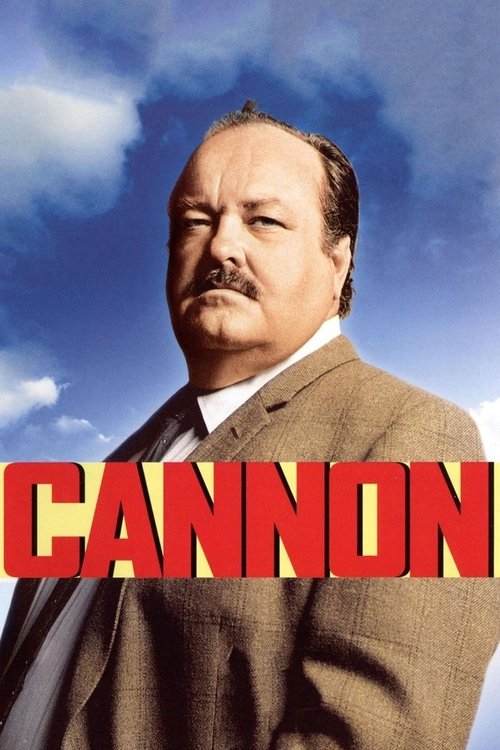
Cannon is a CBS detective television series produced by Quinn Martin which aired from March 26, 1971 to March 3, 1976. The primary protagonist is the title character, private detective Frank Cannon, played by William Conrad. He also appeared on two episodes of Barnaby Jones. Cannon is the first Quinn Martin-produced series to be aired on a network other than ABC. A "revival" television film, The Return of Frank Cannon, was aired on November 1, 1980. In total, there were 124 episodes.
Cannon

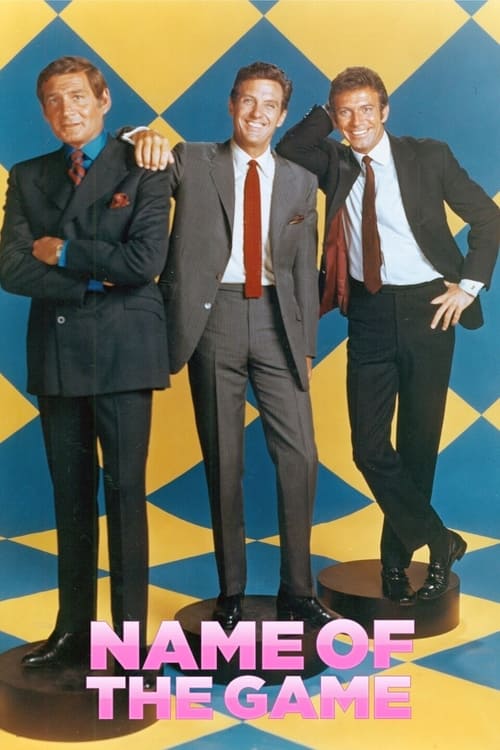
The Name of the Game is an American television series starring Tony Franciosa, Gene Barry, and Robert Stack that ran from 1968 to 1971 on NBC, totaling 76 episodes of 90 minutes. It was a pioneering wheel series, setting the stage for The Bold Ones and the NBC Mystery Movie in the 1970s. The show had an extremely large budget for a television series.
The Name of the Game

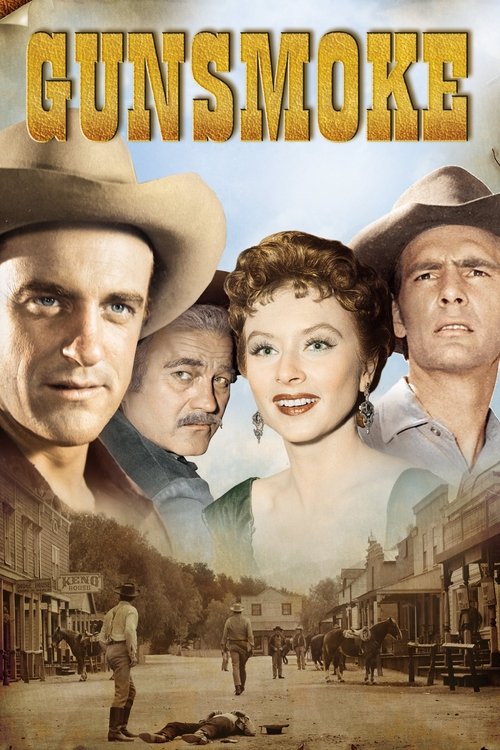
Gunsmoke is an American radio and television Western drama series created by director Norman MacDonnell and writer John Meston. The stories take place in and around Dodge City, Kansas, during the settlement of the American West. The central character is lawman Marshal Matt Dillon, played by William Conrad on radio and James Arness on television.
Gunsmoke

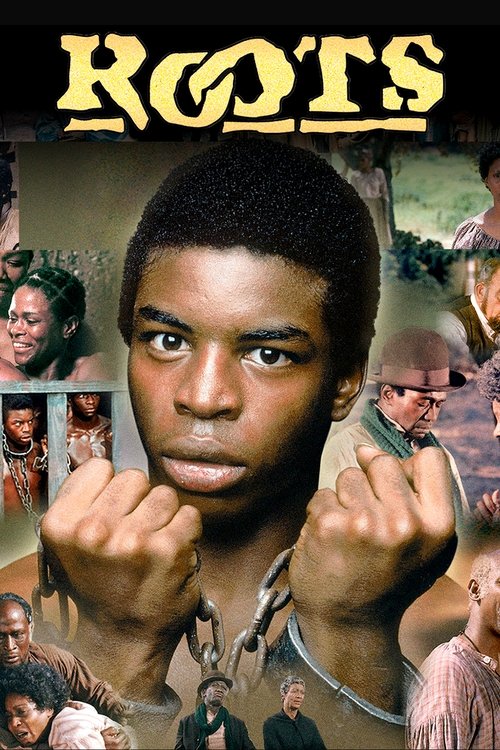
The epic tale of celebrated Pulitzer-prize winning author Alex Haley's ancestors as portrayed in the acclaimed twelve hour mini-series Roots, was first told in his 1976 bestseller Roots: The Saga of an American Family. The docu-drama covers a period of history that begins in mid-1700s Gambia, West Africa and concludes during post-Civil War United States, over 100 years later. This 1977 miniseries eventually won 9 Emmy awards, a Golden Globe award, and a Peabody award, and still stands as the most watched miniseries in U.S. history.
Roots

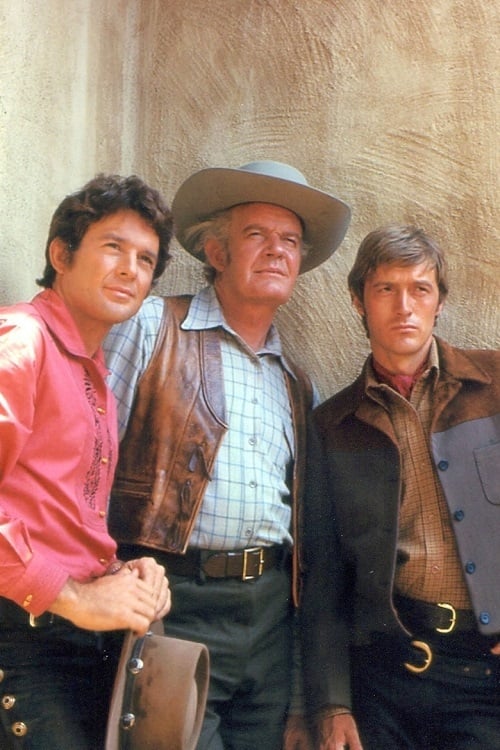
Lancer is an American Western series that aired on CBS from September 1968, to May 1970. The series stars Andrew Duggan, James Stacy, and Wayne Maunder as a father with two half-brother sons, an arrangement similar to the more successful Bonanza on NBC.
Lancer

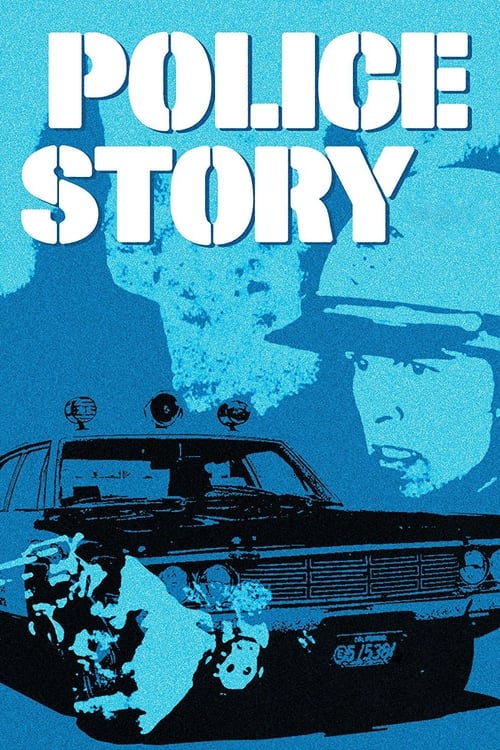
Detective Cheng is commissioned by Interpol to destroy the Empire of Chaiba, a worldwide criminal organization based in Southeast Asia. He initiates an undercover operation to infiltrate the organization.
Police Story

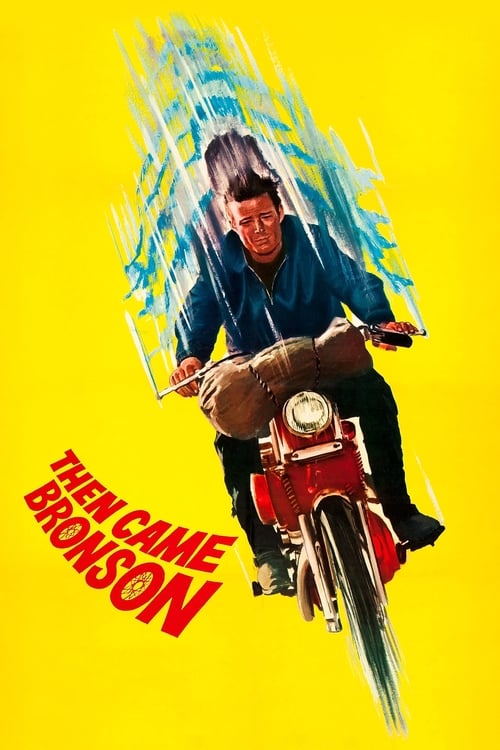
Then Came Bronson is an American adventure/drama television series produced by MGM Television and broadcast on NBC from 1969 to 1970. Created by Denne Bart Petitclerc, the series began with a feature-length pilot on March 24, 1969. It was greenlit for one year and began first run on September 17, 1969. Disillusioned reporter Jim Bronson quits his job and starts wandering the road on his Harley-Davidson motorcycle as a form of soul-searching. He meets various characters; some he helps, others he educates.
Then Came Bronson

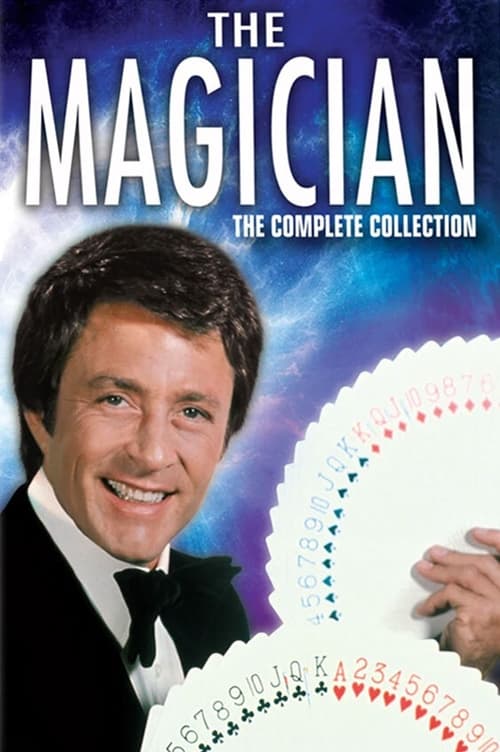
The Magician is an American television series that ran during the 1973–1974 season. It starred Bill Bixby as stage illusionist Anthony "Tony" Blake, a playboy philanthropist who used his skills to solve difficult crimes as needed. In the series pilot, the character was instead named Anthony Dorian. The name change was due to a conflict with the name of a real life stage magician.
The Magician

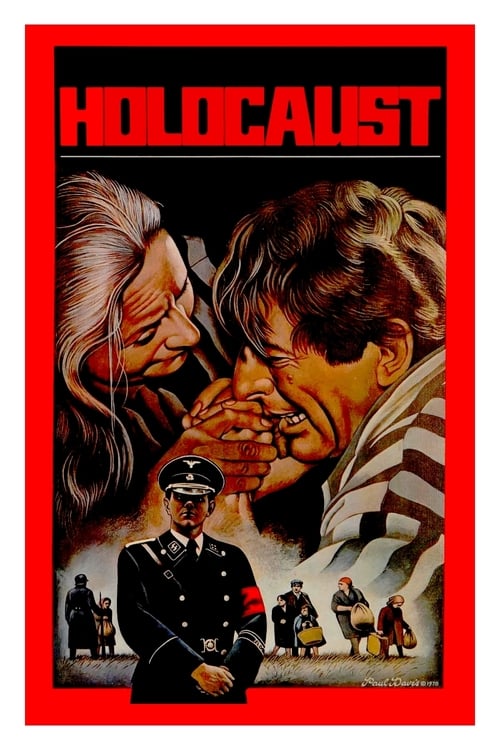
Berlin, Germany, 1935. The day Karl Weiss, a Jewish painter, and Inga Helms, a Christian woman, marry, is the one in which both of them and the entire Weiss family are caught up in the maelstrom of the Nazi regime, the storms of World War II and the horrors of the criminal Final Solution, the Holocaust, the Shoah; while Erik Dorf, an ambitious lawyer, undertakes his fall into hell at the hands of the sinister Reinhard Heydrich.
Holocaust

The adventures of 1930's Los Angeles private eye Miles Banyon.
Banyon

No description available.
The Wonderful World of Disney

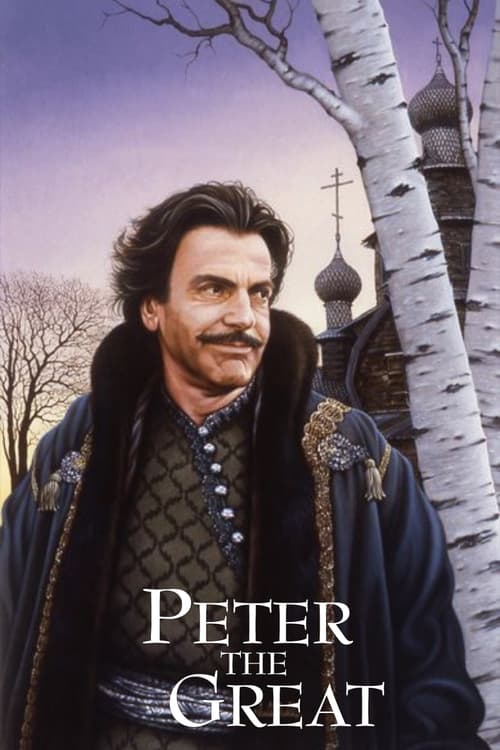
Peter the Great is a 1986 NBC television mini-series starring Maximilian Schell as Russian emperor Peter the Great, and based on the biography by Robert K. Massie. It won three Primetime Emmy Awards, including the award for Outstanding Miniseries.
Peter the Great

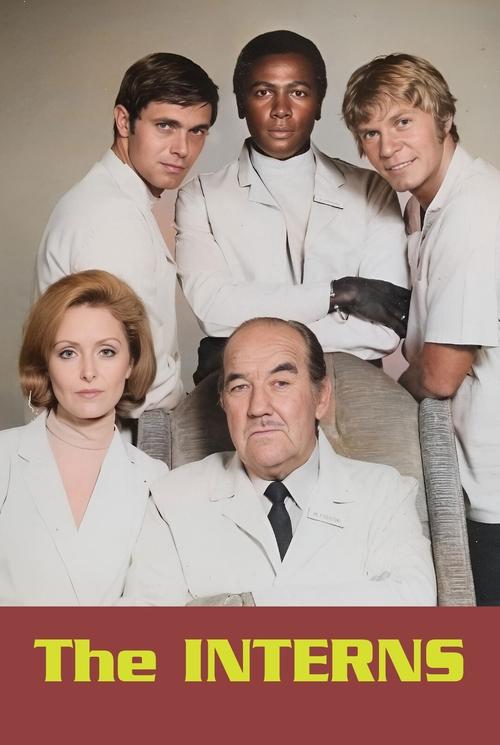
The Interns is an American medical drama series that aired on CBS from 1970 to 1971. It was based on the 1962 film The Interns and the 1964 sequel The New Interns.
The Interns

Anastasia: The Mystery of Anna is a 1986 TV movie, starring Amy Irving, Rex Harrison, Olivia de Havilland, Omar Sharif, and Jan Niklas. The film was loosely based on the story of Grand Duchess Anastasia Nikolaevna of Russia and the book The Riddle of Anna Anderson by Peter Kurth. It was Christian Bale's first film and Rex Harrison's last film. It was originally broadcast in two parts.
Anastasia - The Mystery of Anna

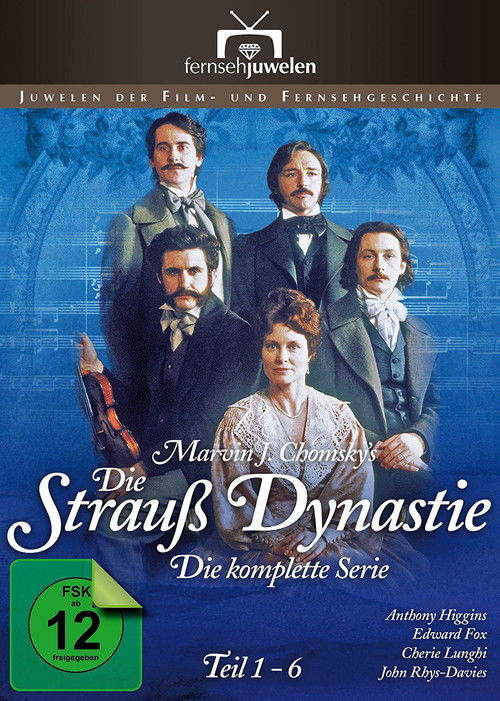
A dramatization of two generations of the Viennese Strauss family, whose dance music and operettas dominated much of Europe and beyond for most of the 19th century.