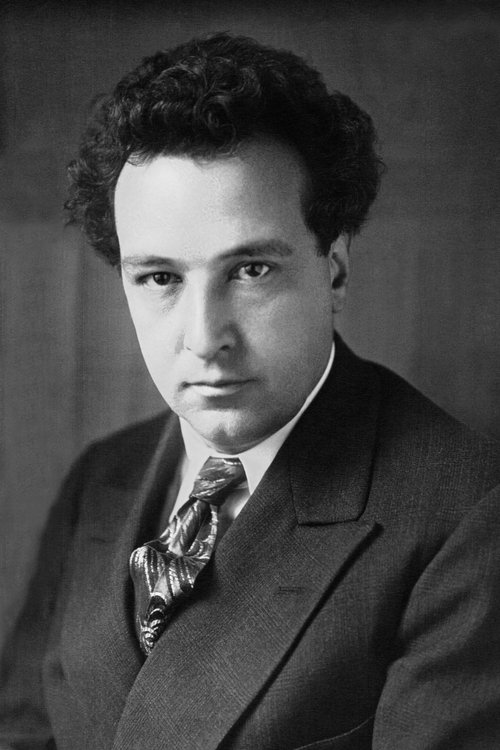
Arthur Honegger
Sound
Known For
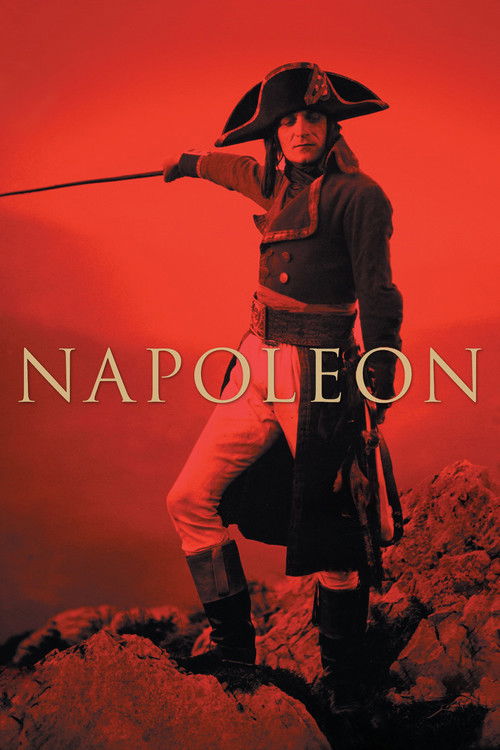
A biopic of Napoleon Bonaparte, tracing the Corsican's career from his schooldays (where a snowball fight is staged like a military campaign) to his flight from Corsica, through the French Revolution (where a real storm is intercut with a political storm) and the Terror, culminating in his triumphant invasion of Italy in 1797.
Napoleon
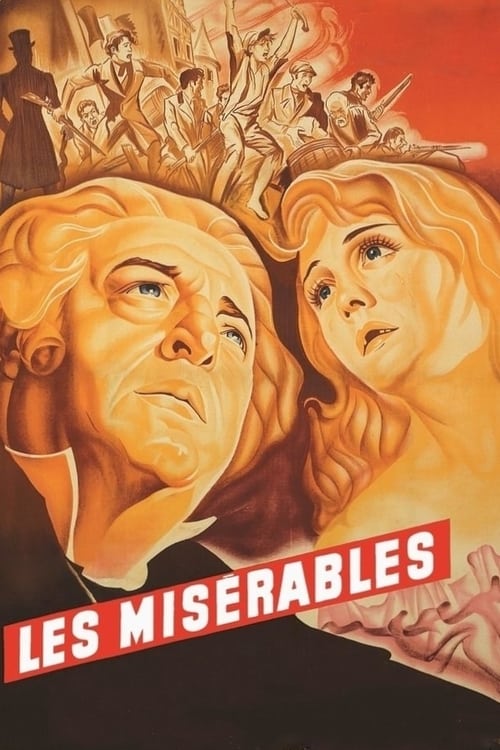
In 19th century France, Jean Valjean, a man imprisoned for stealing bread, must flee a relentless policeman named Javert. The pursuit consumes both men's lives, and soon Valjean finds himself in the midst of the student revolutions in France.
Les Misérables
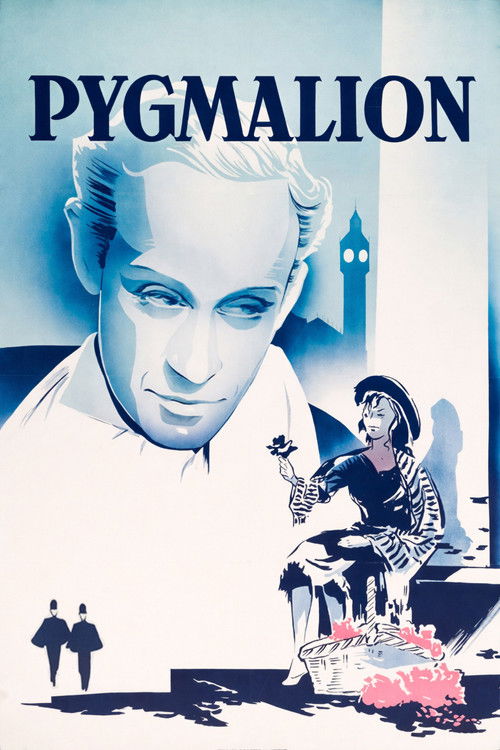
When linguistics professor Henry Higgins boasts that he can pass off Cockney flower girl Eliza Doolittle as a princess with only six months' training, Colonel George Pickering takes him up on the bet. Eliza moves into Higgins's home and begins her rigorous training after the professor comes to a financial agreement with her dustman father, Alfred. But the plucky young woman is not the only one undergoing a transformation.
Pygmalion
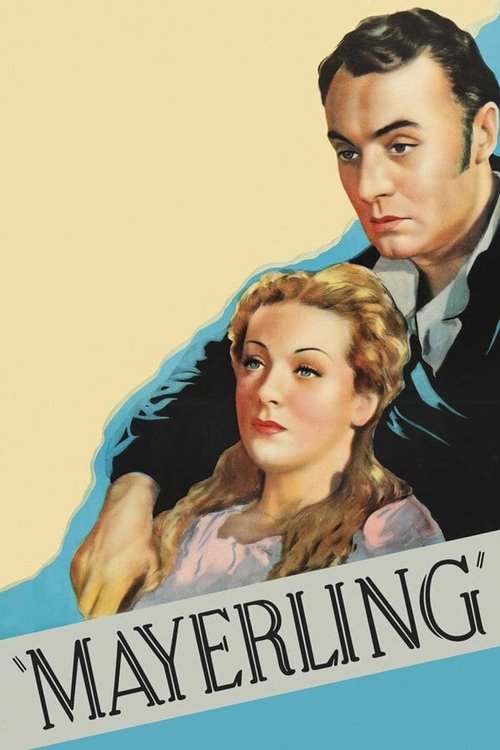
Rudolf, the only heir to Emperor Franz Josef of Austria-Hungary, is trapped in a loveless marriage to a Belgian princess. As he seeks to flee his stifling environment, he meets the beautiful Maria, and the two enter into a scandalous affair. Despite the interference of the Emperor, the couple refuse to give each other up.
Mayerling

Emile Chenal and his wife, Françoise, leaned on boxing manager Jim Fox Warner to cough up the considerable sum of money that he owes them, with both the police and the mob circling the situation. In the same hotel, Inspector Neveu looks into a murder that took place years before, and his storyline overlaps with the arc of the Chenals.
Detective
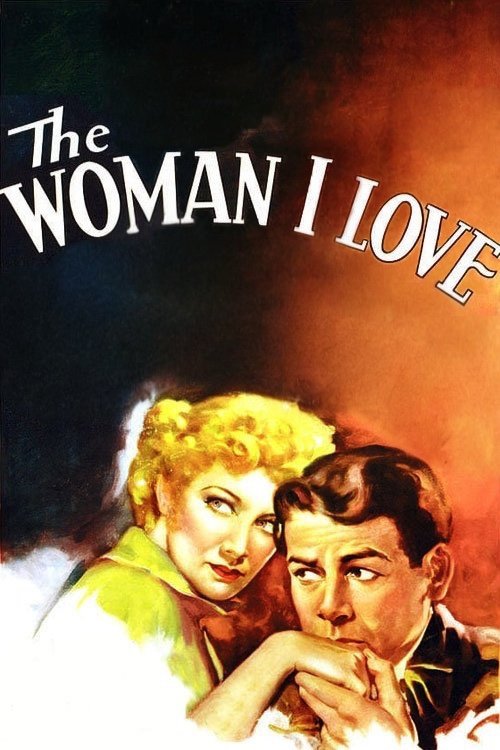
In World War I France, a pilot falls in love with the wife of his friend and superior officer.
The Woman I Love

On June 8, 2024, Oscar-winning French actress Marion Cotillard joined the Berlin Philharmonic Orchestra for a performance of Arthur Honegger’s oratorio Jeanne d'Arc au Bûcher (Joan of Arc at the Stake), conducted by Alan Gilbert, performed at the Berliner Philharmonie in Berlin, Germany and broadcast live on Digital Concert Hall, the online concert hall of the Berliner Philharmonie. In the oratorio, Joan of Arc looks back on her life, her visions, and her successes during a show trial in which she is sentenced to be burned at the stake.
Honegger’s “Jeanne d’Arc au bûcher” with Alan Gilbert and Marion Cotillard

The plot concerns a comet hurling toward Earth on a collision course and the different reactions to people on the impending disaster.
The End of the World
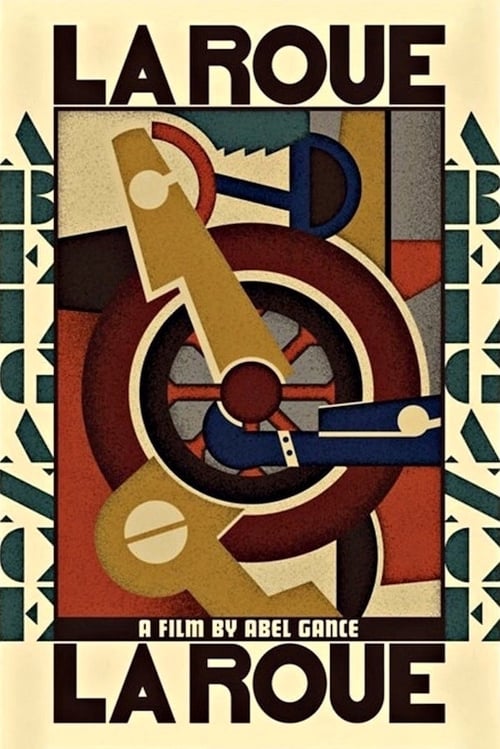
Sisif, a railwayman, saves a young girl named Norma orphaned by a train crash and raises her as his own daughter alongside his son, Elie. As she becomes an adult, Sisif grapples with whether to tell Norma the truth about her parentage.
La Roue
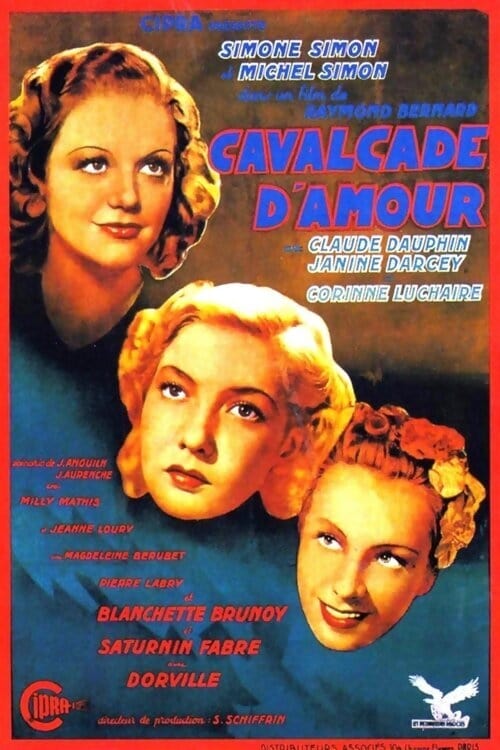
Cavalcade D'Amour is divided into three sections, each depicting a romance occurring within the walls of the Chateau de Champs. Legend has it that whoever marries in the Chateau is doomed to an unhappy life. This proves to be the case in 1639 and 1839, but the heroine of the 1939 segment, Corinne Luchaire, is determined to break the jinx. She is convinced that she will prove an unsuitable bride for Claude Dauphin, and he is likewise convinced that he will turn out to be an inadequate groom. But the couple's respective families will not be dissuaded, and the marriage takes place as scheduled? with unexpectedly happy results!
Cavalcade of Love
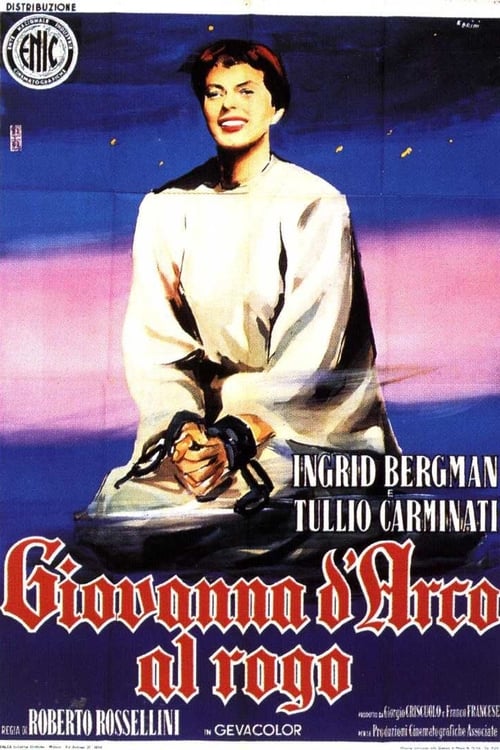
Joan of Arc is being burned alive for heresy. In a kind of dream state, she departs from her body and begins to look back upon her life. She begins this journey in a depressed and demoralized state. However, a priest appears to help guide her. First, he shows her those that accused her in the guise of animal characters, in order to show her their true nature. Then, he shows her the good that she has performed for people. In the end, she is proud of what she has done and is ready to face the flames.
Joan of Arc at the Stake
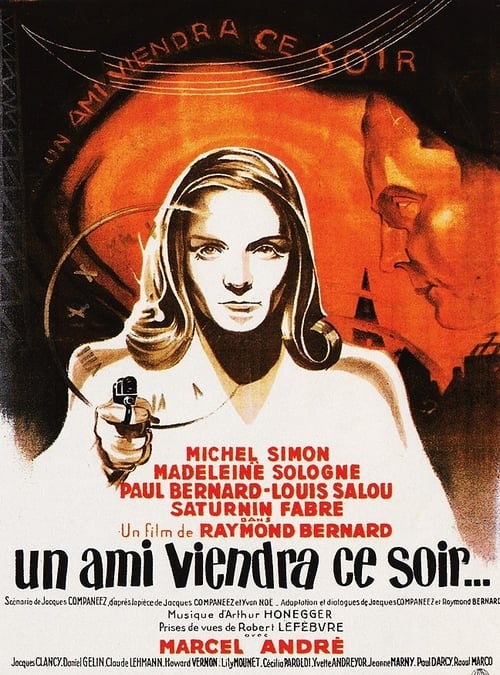
Commander Gerard and his band of guerrillas have found the ideal hideout: a nursing home in the Alps where, along with the mentally ill, are also hiding a Jewish girl and a Swiss doctor who might be a spy for the Germans ...
A Friend Will Come Tonight
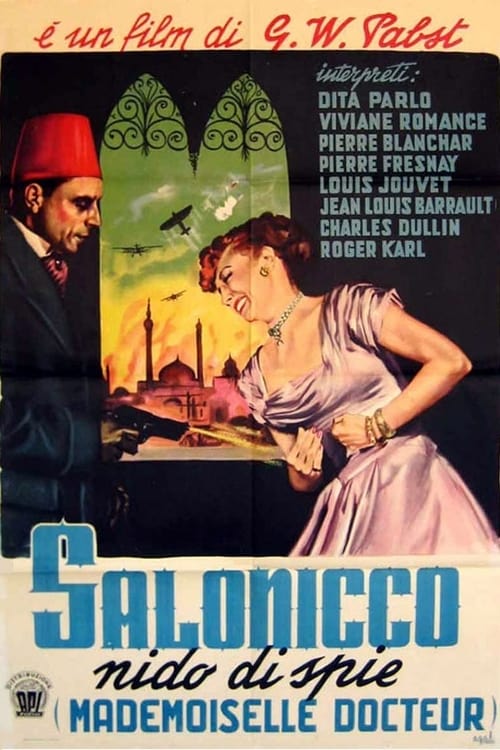
A slippery femme fatale, a spy for Germany during the Great War, is sent to Thessaloniki in Greece and becomes involved with a man on the other side, a French military officer.
Street of Shadows
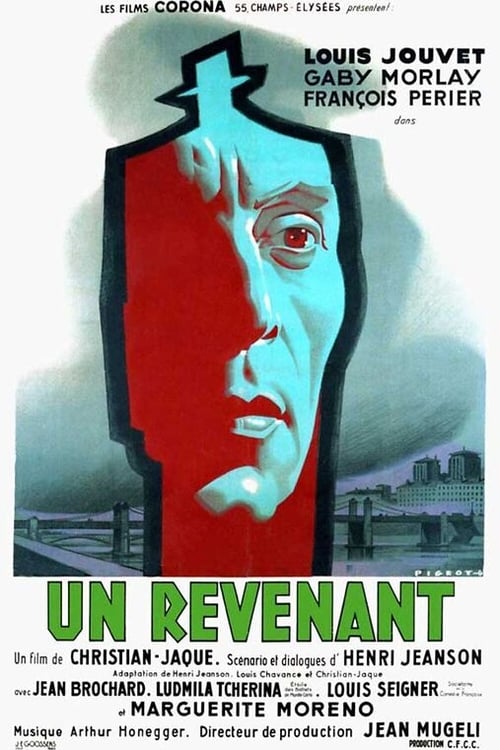
A ballet producer returns to his native town and schemes to avenge himself on the family who tried to murder him 20 years before.
Un revenant

A journalist takes command of a ship after the crew mutiny against the brutal captain. It was an adaptation of the novel The Mutiny of the Elsinore by Jack London.
Les mutinés de l'Elseneur
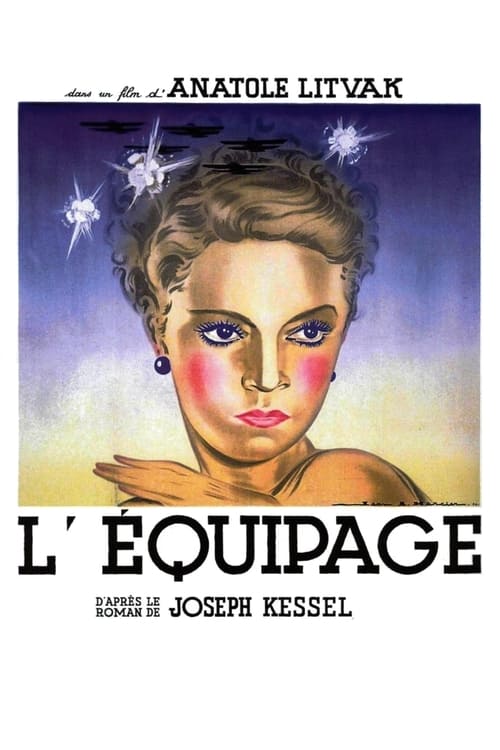
During the First World War, before joining a squadron at the front in 1918, Herbillon (Jean-Pierre Aumont) has a liaison with Helene (Annabella), a married woman. The young man discovers that his mistress is none other than the wife of Maury (Charles Vanel), an aviator friend.
Flight Into Darkness
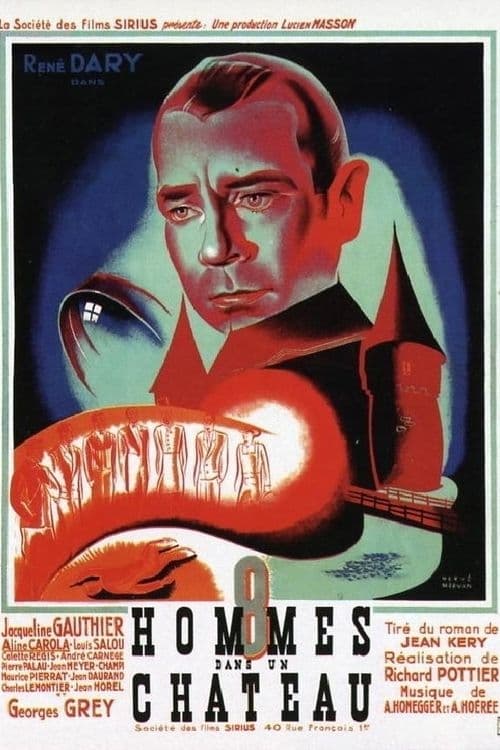
The Paladines write crime novels together. In a cinema, they happen to see a report on the consequences of a shipwreck in which Lieutenant Dupuis tells about the death of an old man in the lifeboat carrying the survivors. Husband and wife agree that this could be the starting point of a new story and go and see Dupuis to get more details about the drama. When they come to his hotel Dupuis is dead with a bullet in his head. Police characterizes the death as suicide but Paladine has found a train ticket in the dead man's pocket. With his wife he takes the train to the specified destination, somewhere in the provinces...
Eight Men in a Castle
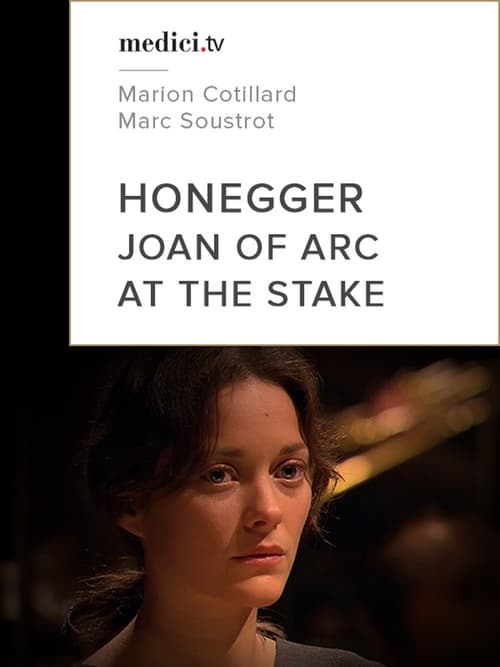
On November 17, 2012, Oscar-winning French actress Marion Cotillard joined the Barcelona Symphony and Catalonia National Orchestra for a performance of Arthur Honegger’s oratorio Joan of Arc at the Stake (Jeanne d'Arc au Bûcher) at the L'Auditori de Barcelona in Spain, broadcast live on Medici.tv. By Swiss composer Arthur Honegger, Jeanne d'Arc au Bûcher (1938) is an imposing oratorio. The libretto is a highly original creation by French poet and playwright Paul Claudel, who dramatises the last moments of the martyr's life. Originally written for actress Ida Rubinstein, the oratorio is written as a flashback in which Joan recalls her life, just before she dies. Honegger creates visually evocative ambiances and fills the orchestra with new sounds (saxophones, ondes Martenot). The initial prologue to the piece was added in 1944 as a symbol of the resistance during the Nazi occupation of France: again, Joan goes beyond her own story.
Joan of Arc at the Stake
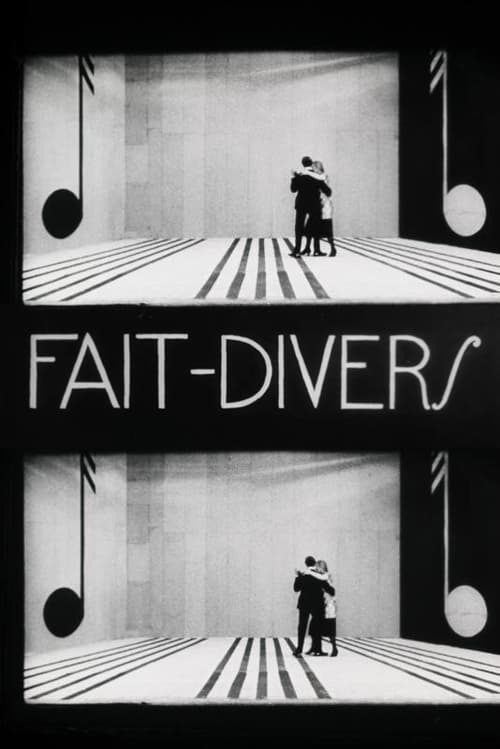
An experimental short from 1923 France which offers silent narrative in diverse, optical multi-exposures and severe close-ups offering dense montages which create psychological constructs that unfold a Parisian love affair which turns into a threesome of great emotion and consequences. Also notable for using Antonin Artaud as the male lead.
News Item
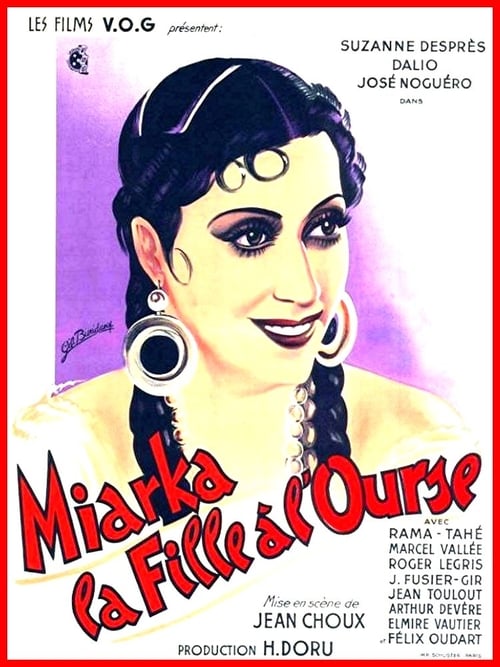
Cattion d'Urville takes in a gypsy, Sarah, and her granddaughter Miarka, in an outbuilding of her chateau. Miarka, while growing up, attracts the attention of Luigi, Cattion's nephew who, little by little, falls in love with her. Sarah raised her daughter in the tradition of gypsies who curse anyone who marries a man who is not a gypsy. Miarka ends up loving Luigi and he wants to marry her. The law of race opposes it. Fortunately, a well-conducted genealogical investigation will discover that Luigi is of the gypsy race. They will marry.