Acting
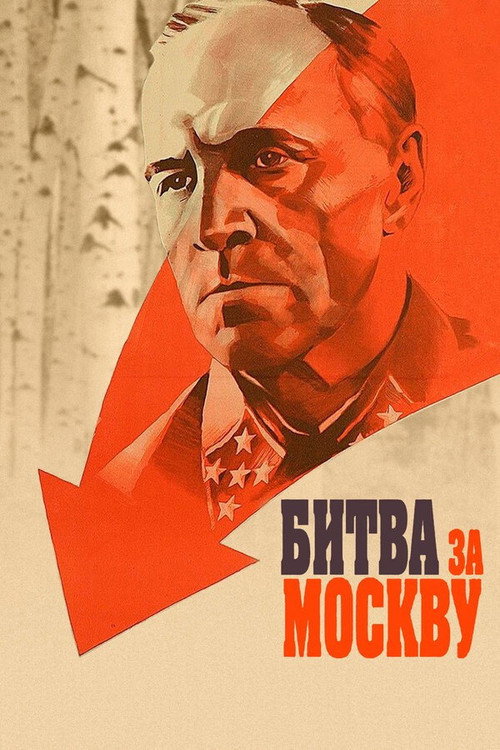
The Battle of Moscow is a 1985 Soviet multi-part war narrative, presenting a dramatized account of the 1941 Battle of Moscow and the events preceding it. The battle was the first major defeat of German Wehrmacht in the Second World War.
No description available.
The economic crisis in the early 1930s also affected the inhabitants of the distinctive Moravian-Slovak countryside. The protagonist and his family returned to their native cottage from the city because he could not find work anywhere. But his younger brother does not welcome him with open arms...
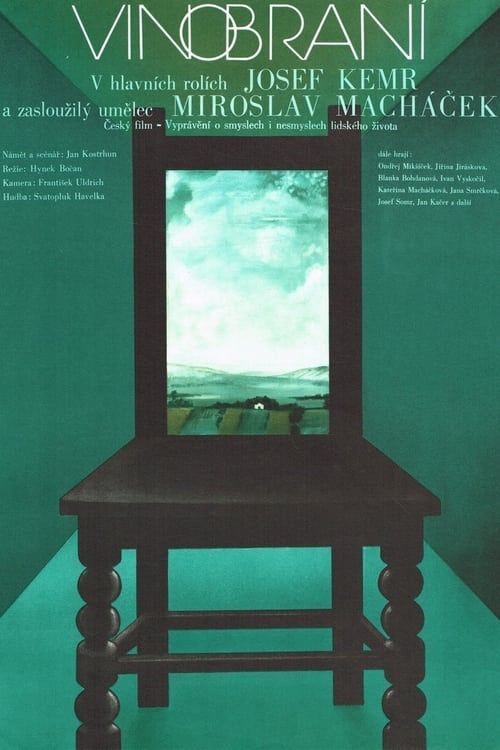
In a South Moravian wine-growing village in the early 1970s lives an old man who cannot accept the attitude of the younger generation towards nature and agriculture. Director Hynek Bočan made a number of films based on Jan Kostrhun's drafts, mostly set in the South Moravian environment (including The Face Behind the Glass), but the portraits were very flat. Relationships between people were often depicted in predictable schemes. The hero this time is an old villager who is struggling to cope with the changes in his attitude to nature and to agricultural work in general. He sees his only hope in his grandson, to whom he tries to pass on his life experience.
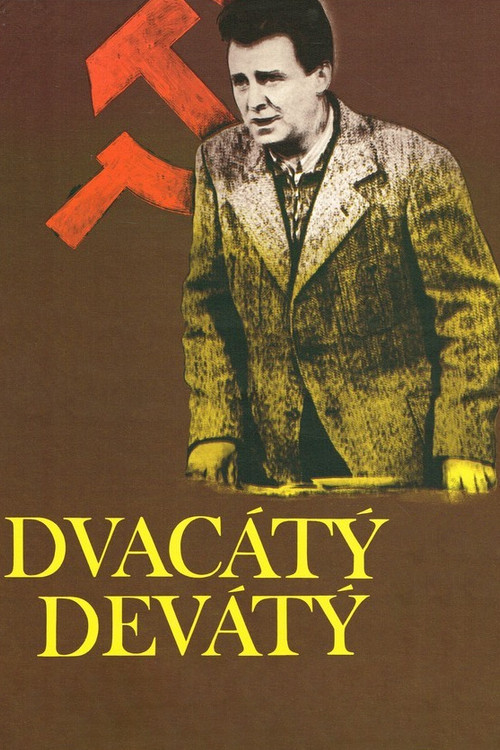
In the era of normalisation, a number of (pseudo)historical films were made, even described as reconstructions, which glorified the world-building mission of the Communist Party and attributed to it exclusively humanitarian intentions ("Days of Betrayal", "Sokolovo", "Liberation of Prague", "The Victorious People"). In 1929, when its fifth congress met, Klement Gottwald, who had taken the line of the Russian Bolsheviks, took over the leadership of the Communists...
The drama offers Arnošt Pánek, chairman of the National Committee, as the protagonist of the story. Pánek is disturbed by news of the arrest of his protégé Kvasil – chairman of a JZD agricultural cooperative in the nearby village of Spádová. He is responsible for the revival of a neglected village, but is now accused of theft, fraud, and – on top of that – the rape of an under-aged girl.
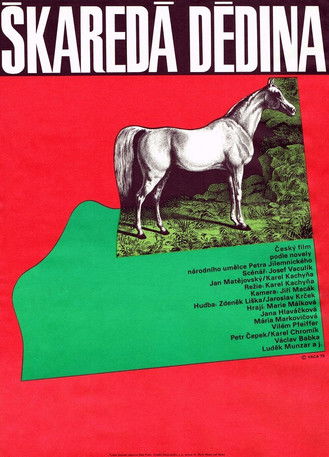
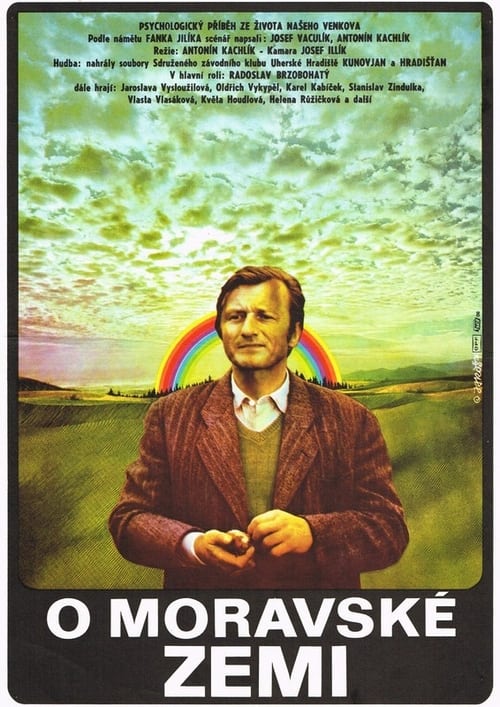
The reason for making this film is clear: it was to cover up Vojtěch Jasný's famous chronicle "All the Good Natives", an account of the tragic consequences of forced collectivisation. The pro-regime director Antonín Kachlík also focuses on the socialisation of the Moravian village, accompanied by mistakes and coercion, but in his optimistic view he emphasises the hopeful prospects leading to a happy future. Although the united village lands were born in pain, they will serve for the benefit of all the working people... As with Jasný, Radek Brzobohatý embodies the stubborn peasant, who is only slowly acknowledging the benefits of communal farming. However, unlike the poetic exuberance and pithiness of Jasný's chronicle, here we encounter a vicious posturing.
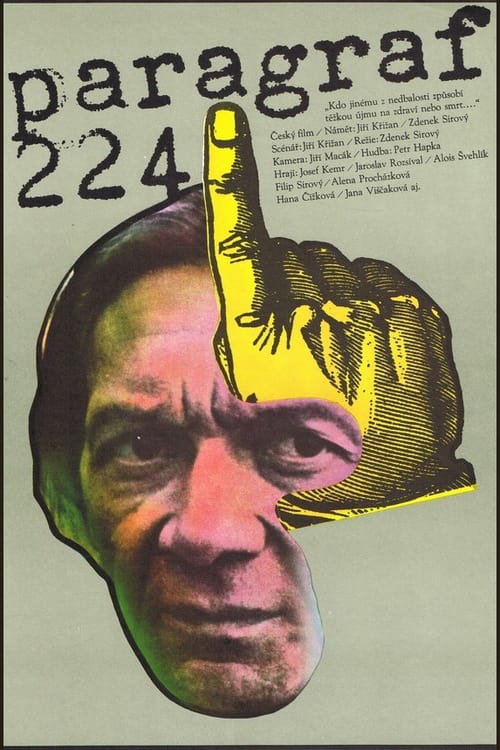
Placek (Josef Kemr), the head of research in a chemical plant, appreciates the help of his younger colleague Bernát (Alois Svehlík) in the creation of a new synthetic material.
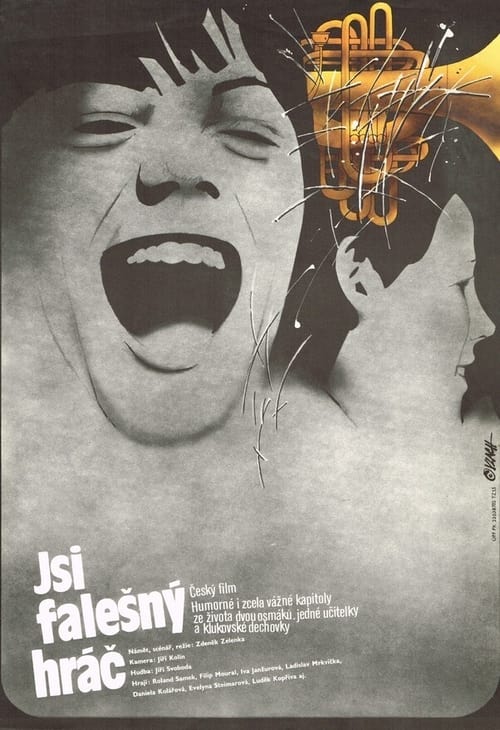
Even the best of friends can fall apart, often all it takes is a minor misunderstanding. That's exactly what happened to two village friends, children finishing elementary school, between whom hostility and suspicion suddenly set in. The mosaic-like plot contains a number of humorous observations, but overall it distances itself from any ambition to deeply affect the mentality of adolescents, much less the countryside.
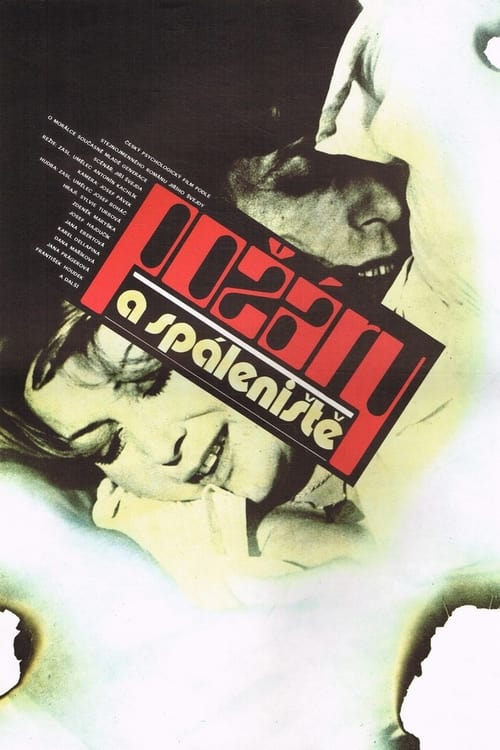
Antonín Kachlík wanted to make committed films about the moral dilemmas of the working class, but in the era of normalisation, he could only proclaim how faltering individuals would eventually come to the desired thinking. This is also true of the adaptation of Jiří Švejda's book about the wavering career of a young brickmaking technologist - the simplistic drawing of characters and plots, the posterishly lifeless language and the textbook discussion of social ills are all objectionable; the ideal becomes the code of the socialist builder.
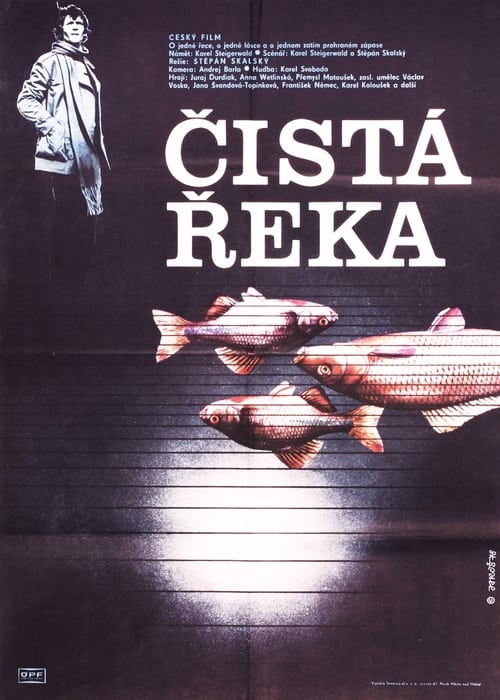
A film about a young sanitation worker who tries to prevent the pollution of a river, but pays the price...
Student Slávka Čermáková has to take her final exams on a make-up date. Her naively admiring relationship with a reckless poet who supported her literary attempts did not remain without consequences, and her parents forced her to have an abortion. The sensitive girl struggles to cope with a traumatic experience. A superficial story about the problems of young people.
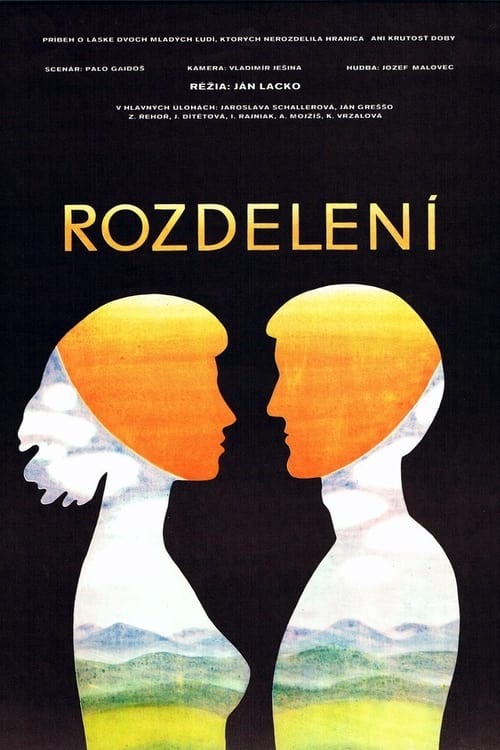
A story about the love of two young people who were not divided by borders or the cruelty of time.