Thomas Lovejoy
Creator
Biography
Thomas Eugene Lovejoy III was an American ecologist who was President of the Amazon Biodiversity Center, a Senior Fellow at the United Nations Foundation and a university professor in the Environmental Science and Policy department at George Mason University. Lovejoy was the World Bank's chief biodiversity advisor and the lead specialist for environment for Latin America and the Caribbean as well as senior advisor to the president of the United Nations Foundation. In 2008, he also was the first Biodiversity Chair of the H. John Heinz III Center for Science, Economics and the Environment to 2013. Previously he served as president of the Heinz Center since May 2002. Lovejoy introduced the term biological diversity to the scientific community in 1980. He was a past chair of the Scientific Technical Advisory Panel (STAP) for the Global Environment Facility (GEF), the multibillion-dollar funding mechanism for developing countries in support of their obligations under international environmental conventions.
Known For
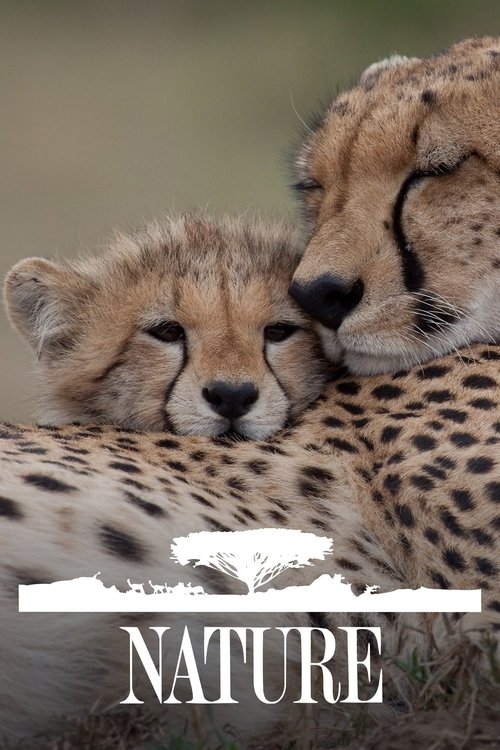
Consistently stunning documentaries transport viewers to far-flung locations ranging from the torrid African plains to the chilly splendours of icy Antarctica. The show's primary focus is on animals and ecosystems around the world. A comic book based on the show, meant to be used an as educational tool for kids, was briefly distributed to museums and schools at no cost in the mid-2000s.
Nature
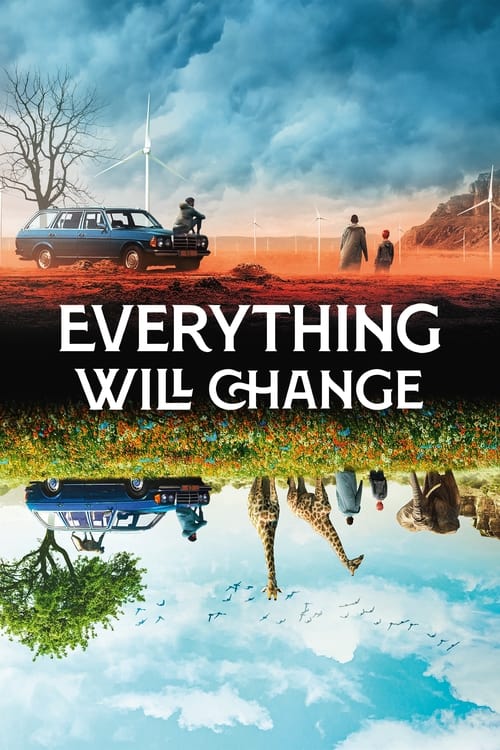
In a dystopian 2054, three young rebels go on a journey to find traces of the long lost beauty of nature, hoping to discover what happened to their planet.
Die 2050er - Everything will change
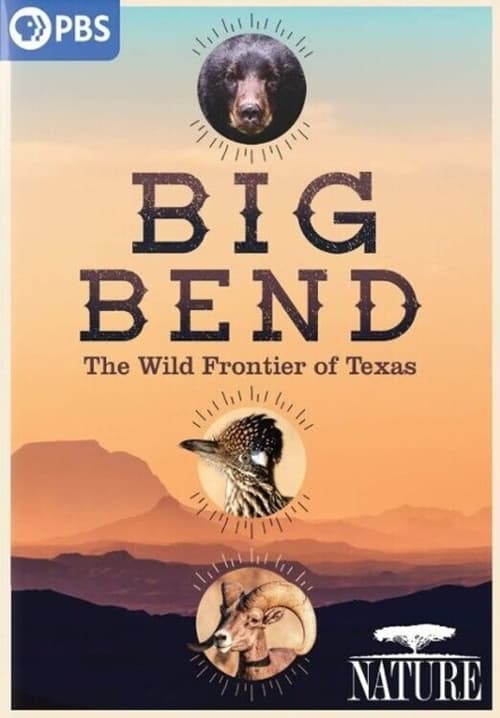
Roam the Wild West frontier land of the Rio Grande’s Big Bend alongside its iconic animals, including black bears, rattlesnakes and scorpions.
Big Bend: The Wild Frontier of Texas

An exploration of the diversity of moths and butterflies from caterpillars to larvae to chrysalis to winged flight. The documentary covers camouflage and other anti-predatory tactics along with uniqueness of different species and amazing feats and colors.
Sex, Lies and Butterflies
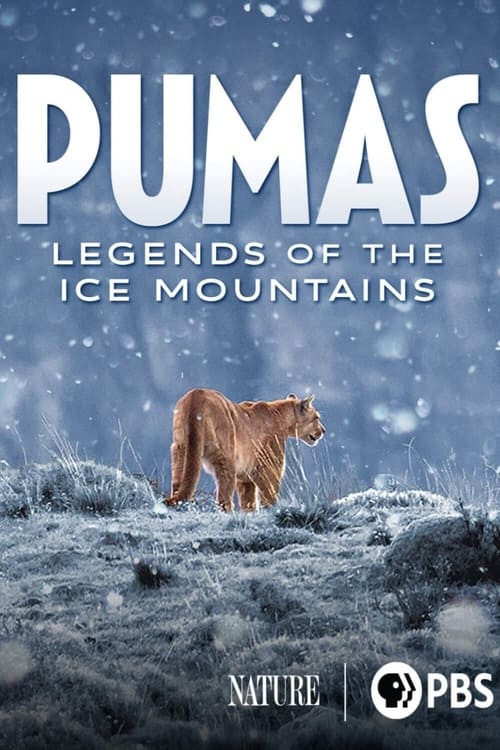
Travel to the ice mountains of Chile to discover the secrets of the puma (aka panther, mountain lion and cougar) the area's largest predator. Discover how this elusive cat survives and follow the dramatic fate of a puma and her cubs.
Pumas: Legends of the Ice Mountains
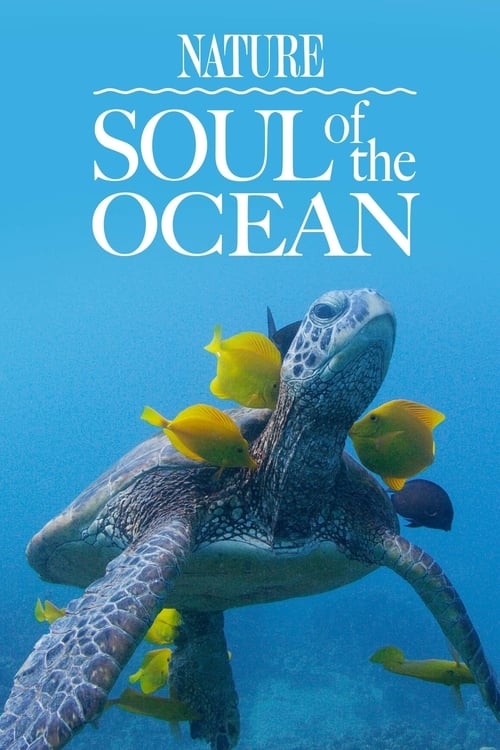
The undersea world has often been depicted as a dangerous place filled with lethal predators. A world where sharks are mindless eating machines. A world where the only relationship between species is that big fish eat little fish. Of course, stories of sensational danger and violent predation are seductive to wildlife film audiences. But is that what the ocean is really like?
Soul of the Ocean
In the animal world, as in our own, looks aren’t everything. In fact, some of the most aesthetically challenged creatures — from warthogs and proboscis monkeys to bull elephant seals — are also the most fascinating. A stunning variety of these ghastly yet glorious forms are explored in NATURE’s The Beauty of Ugly.
The Beauty of Ugly
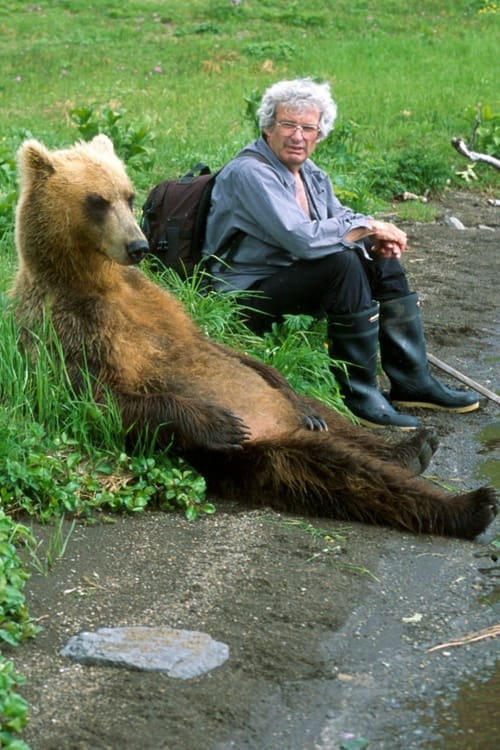
Naturalists Charlie Russell and Maureen Enns film recently discovered grizzlies on Siberia's Kamchatka peninsula.
The Grizzlies of Siberia
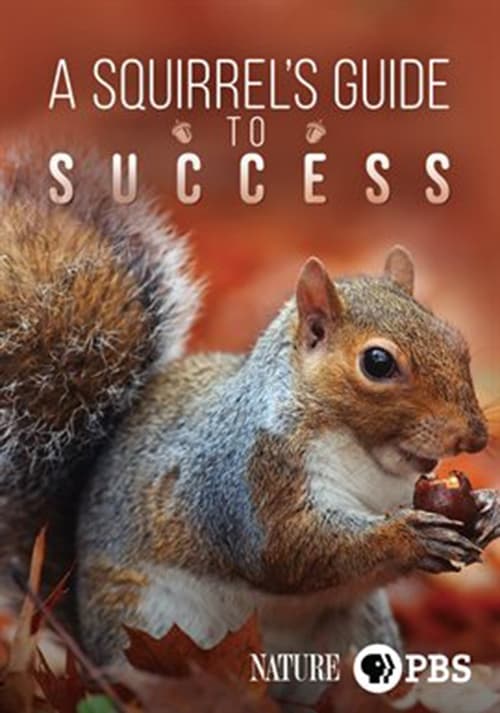
A look at the extraordinary abilities of squirrels, from the brainy fox squirrel to the acrobatic gray squirrel to the problem-solving ground squirrel.
A Squirrel's Guide to Success
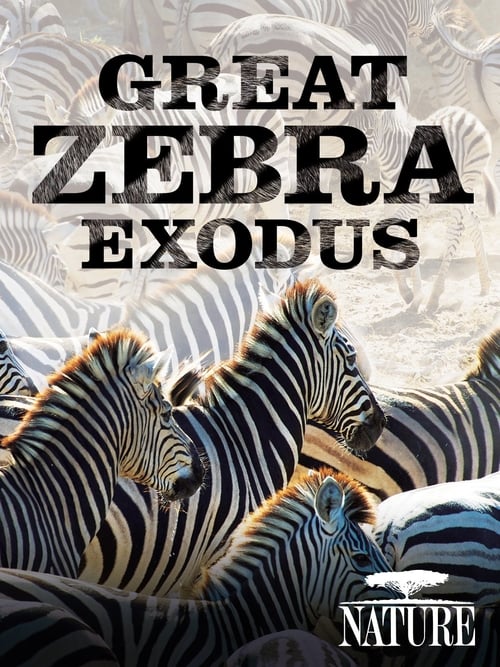
Each year, far from human eyes, a remote expanse of Botswana's Makgadikgadi salt pans hosts one of Africa's last great spectacles when thousands of striped nomads wander the breathtakingly beautiful but barren landscape. It is only by the grace of isolated summer rains that the zebras can survive here at all. Family groups gather together to follow the rains, driven by a constant search for better grazing on islands of grass that dot the pans. Meerkat families watch the zebras come and go, and families of lions wait for them along their grueling trek, hoping for a chance to bring one down. Their journey is one that is sometimes limited by the fragility of new life, but always made possible by the strong family ties that help animals survive in one of Africa's most surreal landscapes. It's a tale of loyalty and sacrifice, of home and exile, of death and new life, in southern Africa's largest zebra population.
Nature: Great Zebra Exodus
This installment of the series produced by the acclaimed Nature team showcases the grandeur of the Emerald Isle. Going beyond the usual travelogue, the film takes viewers to places they've never been before so they can truly appreciate the natural treasures of the country: the lush plant life; the animal families that call the country home, including peregrine falcons and dolphins; and the magnificent countryside, from the mountains to the bogs.
Ireland

Large uncontrolled fires and flames have severely damaged the Amazon rainforests of Brazil in the summer of 2019 and destroyed countless trees. The main cause of the fires seems to be the man-made slash-and-burn. The drought, which has lasted for months, favors the situation. Likewise, the radical policy of the new Brazilian government under right-wing populist President Jair Bolsonaro contributes to the destruction of the Amazon jungles. When the green lung of the earth burns, not only experts and international politicians are terrified. Protecting the world's unique ecosystem is of vital importance to all people of the world. The film examines the current environmental and humanitarian catastrophe in the Amazon region and gives voice to environmental activists as well as relativizing proponents of the fires.
S.O.S. Amazonas: Apokalypse im Regenwald
The Australian pelican is built for long distance travel. One of the largest pelicans in the pelican family, with a light skeleton and a wingspan of over eight feet, it can be airborne all day and deep into the night, riding far and high on rising thermals. When rare weather systems bring heavy rains, huge numbers of Australian pelicans abandon the sea and coastal waters and embark on a mass pilgrimage to a place a thousand miles inland. It’s the last place you would look for one of their kind, the Australian Outback, one of the driest, hottest places on the planet.
Outback Pelicans
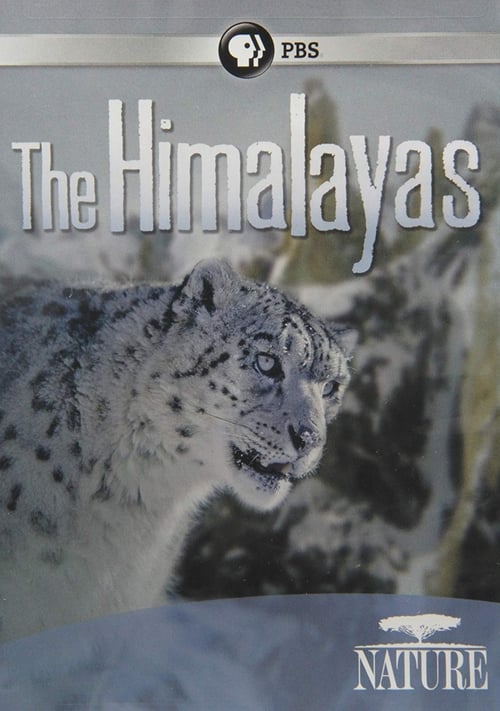
The highest mountain range in the world, the Himalayan range is far reaching, spanning thousands of miles, and holds within it an exceptionally diverse ecology. Coniferous and subtropical forests, wetlands, and montane grasslands are as much a part of this world as the inhospitable, frozen mountaintops that tower above. The word Himalaya is Sanskrit for abode of snow, fitting for a stretch of land that houses the world’s largest non polar ice masses. Extensive glacial networks feed Asia's major rivers including the Ganges, Indus, and Brahmaputra. More than a billion people rely on these glacier-fed water sources for drinking water and agriculture. The Himalayas are not only a remarkable expanse of natural beauty. They're also crucial for our survival.
The Himalayas
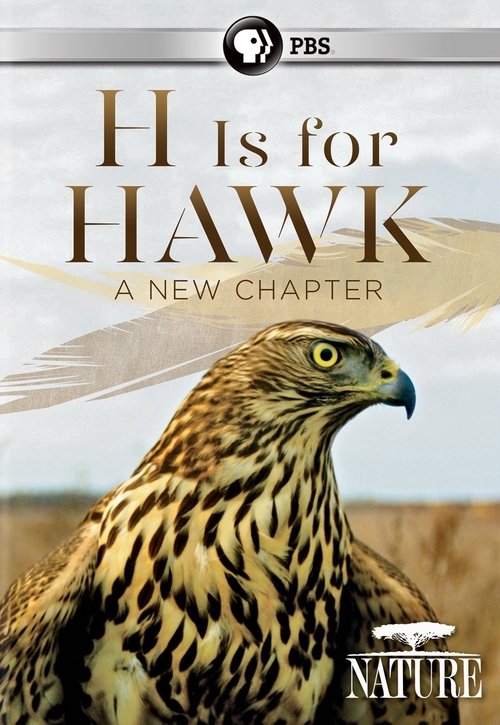
Helen Macdonald's bestseller H Is for Hawk told the story of a grieving daughter who found healing in training a goshawk. The goshawk is one of Mother Nature's own fighter jets, capable of finding and killing its prey with the speed of a lightning bolt. Now Macdonald digs deeper into the world of these raptors by following a family in the wild while raising and training a new goshawk of her own.
H Is for Hawk: A New Chapter
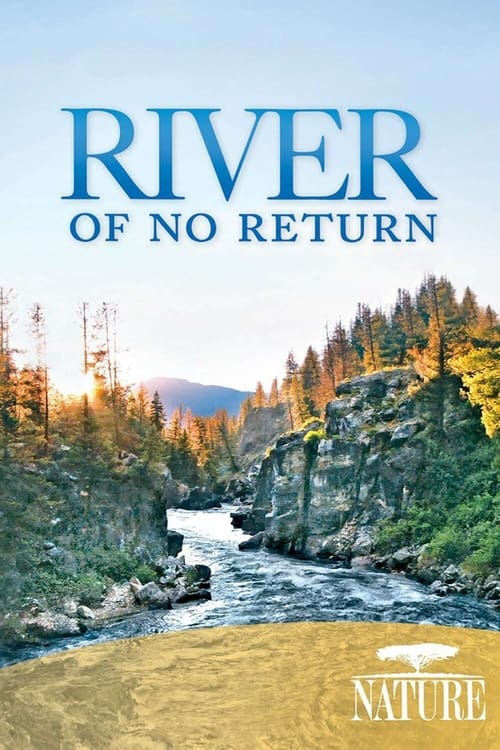
River of No Return Wilderness is the largest contiguous wilderness area in the lower 48 States. Endless rugged mountains, wild rivers, forests and deep canyons define this land, home to numerous species of wildlife, including wolves, who have just returned after 50 years of near absence. A young couple, Isaac and Bjornen Babcock, chose this wilderness for their year long honeymoon. But what begins as a romantic adventure becomes something much greater for the couple, and a tale of hope and celebration for every life trying to make it in the unforgiving heart of the wilderness.
River of No Return
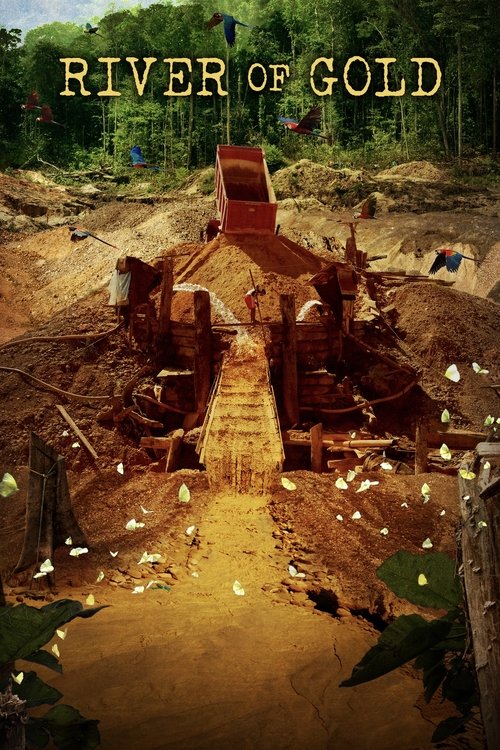
Narrated by Academy Award winners Sissy Spacek and Herbie Hancock, River of Gold is the disturbing account of a clandestine journey into Peru's Amazon rainforest to uncover the savage unraveling of pristine jungle. What will be the fate of this critical region of priceless biodiversity as these extraordinarily beautiful forests are turned into a hellish wasteland?
River of Gold
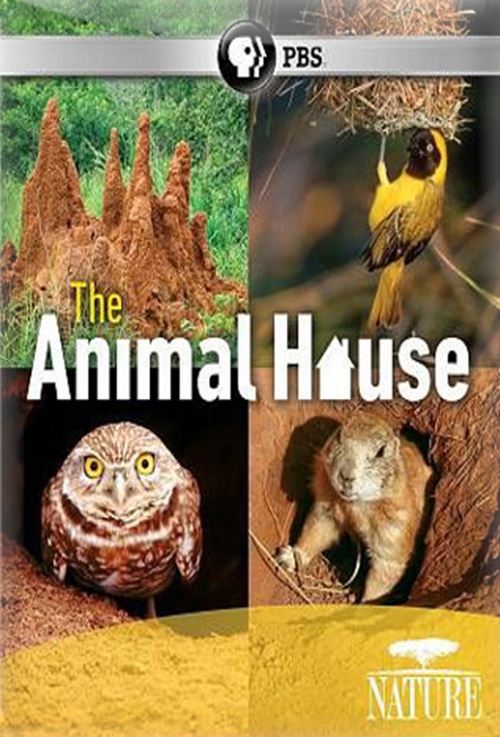
Why do some animals build structures and others don't? And how do animals decide where to build? Animal homes need to be safe and secure, protection from predators and the weather. Going above ground and under, we will investigate just what goes into making a home when you re wild and cost is not a factor.
The Animal House
As the ice shrinks in the Arctic, polar bears are struggling to survive in a fast melting world. Although classified a marine mammal, the polar bear is not adapted to hunting in the water. And it is certainly no match for the world's greatest aquatic hunter -- the killer whale. In the last few years, scientists have noted an ever-growing number of killer whales in Arctic waters in the summer months. More and more have been attracted to these hunting grounds by the growing expanse of open water. They attack the same prey as the polar bears: seals, narwhal, belugas and bowhead whales.
Invasion of the Killer Whales

An examination of the extinction threat faced by frogs, which have hopped on Earth for some 250 million years and are a crucial cog in the ecosystem. Scientists believe they've pinpointed a cause for the loss of many of the amphibians: the chytrid fungus, which flourishes in high altitudes. Unfortunately, they don't know how to combat it. Included: an isolated forest in Panama that has yet to be touched by the fungus, thus enabling frogs to live and thrive as they have for eons.