Karzan Kardozi
Directing
Biography
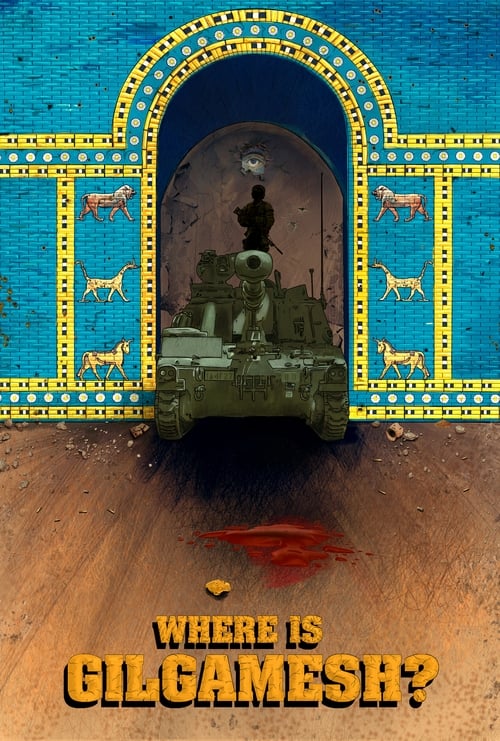
Karzan Kardozi was born in Sulaimani, Kurdistan and left with his family in 1999, they settled in Nashville, US, where Karzan pursued his passion for film directing. He graduated from Watkins College of Art, Design & Film with a degree in Film Directing and Cinematography. In 2015, he went back to Kurdistan to make a low budget documentary film titled "I Want to Live" about the lives of Kurdish refugees from Syria. In 2023, he wrote, produced, and directed "Where is Gilgamesh?", a film noir based on the Epic of Gilgamesh. Independently produced with a small budget and only seven crew members, the film was shot on location in the Kurdistan Region of Iraq. Also a writer, Kardozi wrote a series of books in Kurdish titled "100 Years of Cinema, 100 Directors," that chronicle the history of cinema.

Known For

A priceless tablet of Gilgamesh, the oldest and most important work of literature is stolen from a museum. A security guard vows to do whatever it takes to get it back from a group of smugglers. Along the way, he faces his own inner demons.
Where is Gilgamesh?

In the city of Soli, ruled by Anfa 8, where night is eternal, Horus hunts a renegade cult of solar worshippers who are desperately searching for the sun.
Anfa 8

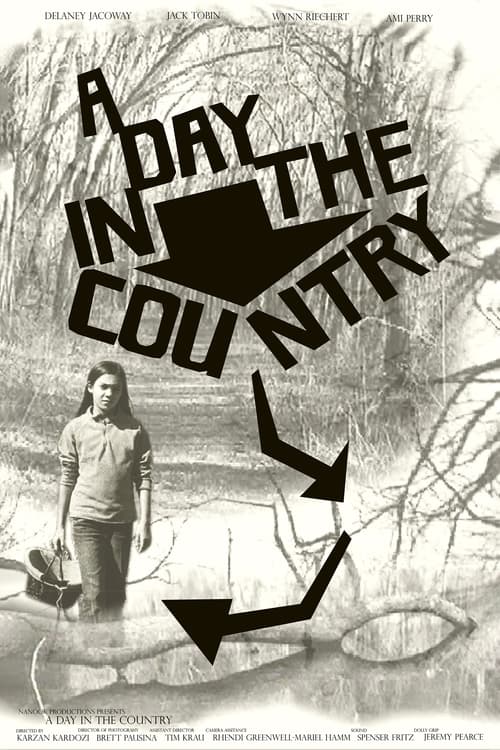
After his father's car breaks down, a young girl gets lost in the woods. She encounters a fugitive and a deaf woman. At first, she is suspicious of them and runs away. But as she begins to know them, they set out on a journey together to find her father.
A Day in the Country

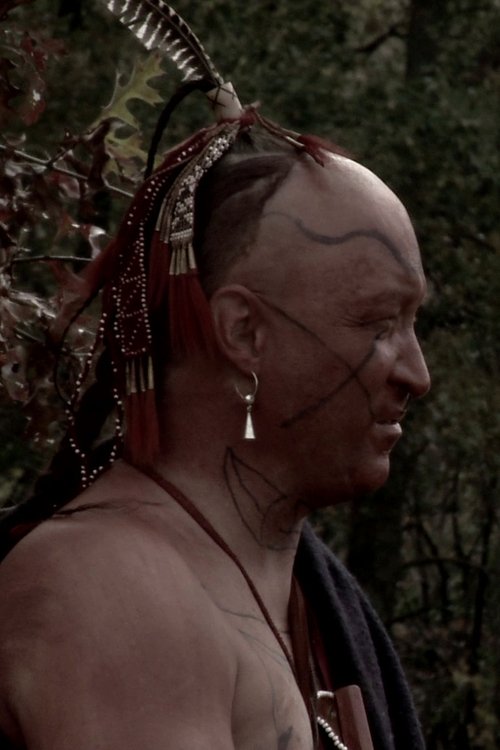
Set among the Native American, Greed Eats the Soul is a story based on Leo Tolstoy's 'How Much Land Does a Man Need?', it is a story that tackle the existentialist question of Greed and man's failure to control it.
Greed Eats the Soul

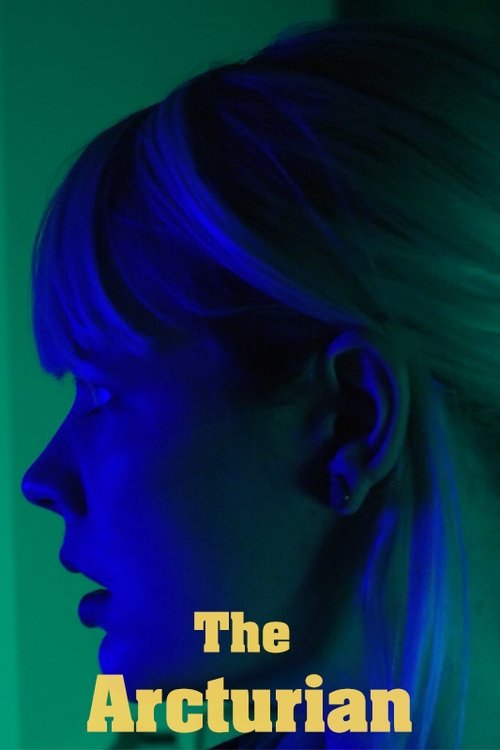
Based on the Fyodor Dostoevsky's "The Dream of a Ridiculous Man", the film chronicles the experiences of a woman who decides that there is nothing of any value in the world. Slipping into nihilism and depression, on the edge to commit suicide.
The Arcturian

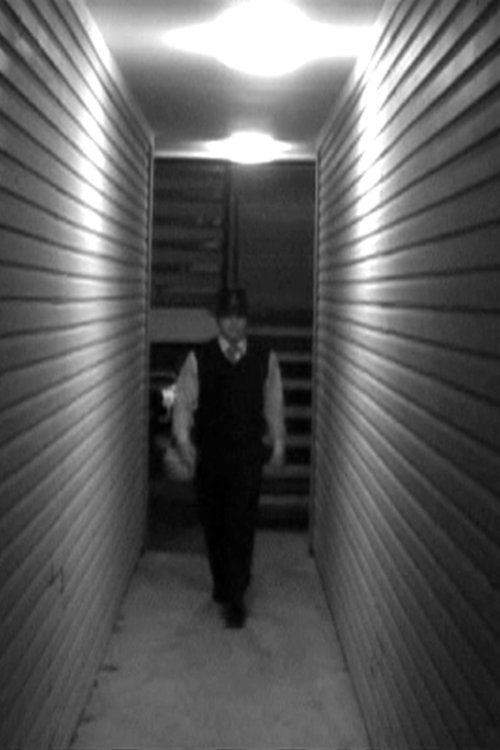
In the dark and rainy streets of Nashville, a hired assassin prowls the night. After he pick pocket a driver, he steals his car and drives around waiting for the perfect opportunity to strike. Shot in black and white as an homage to film noir and the French New Wave, this film is a thrilling tribute to classic cinema.
A Walking Shadow

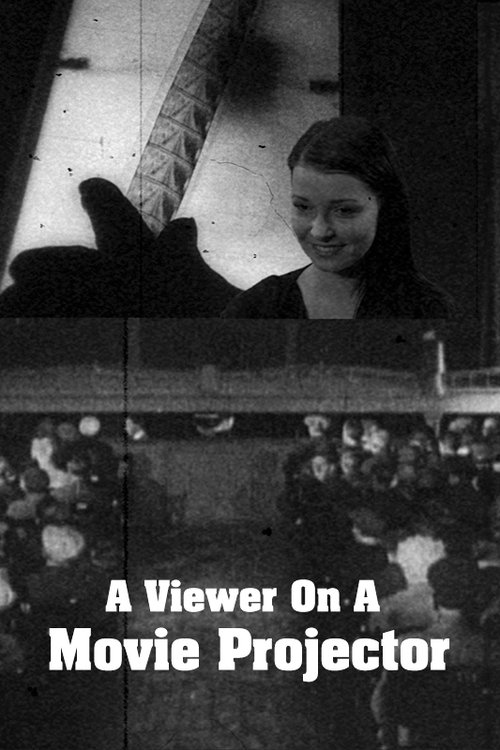
This experimental short film captures the emotional reactions of viewers as they watch clips from Dziga Vertov's Man with a Movie Camera. The film within a film shows the power of the moving image and how it can evoke emotions in viewers. The clips are shown on the screen for other viewers to watch, creating a unique experience that highlights the power of cinema.
A Viewer on a Movie Projector

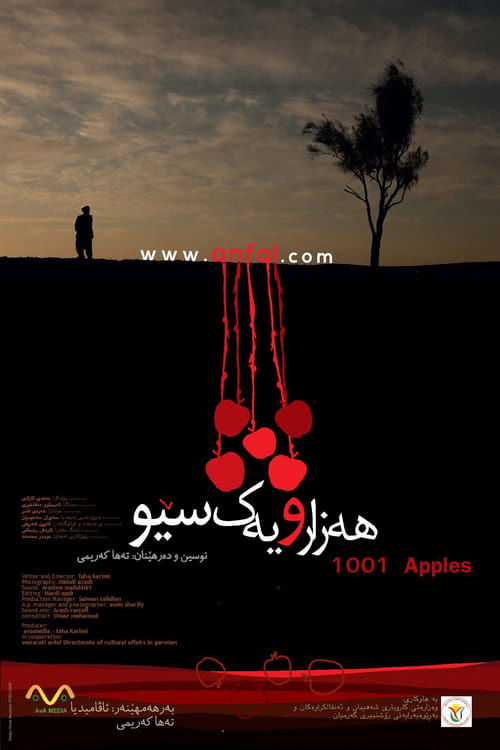
In 1988 the Iraqi Ba'ath party murdered and buried 182,000 Kurds in 350 mass graves. Only 10 people managed to escape. Faraj climbed out from amongst the dead and was taken to the USA by 'Human Rights Watch'. Realizing that few people were aware of the genocidal 'Anfal' massacres, Faraj formed the 'Iraqi Mass Graves Survivors' group. He returned to Kurdistan where, with four other survivors, he bought 1001 red apples and cloves and distributed them to families who had lost members. These apples and cloves became symbols of reconciliation and peace.
1001 Apples

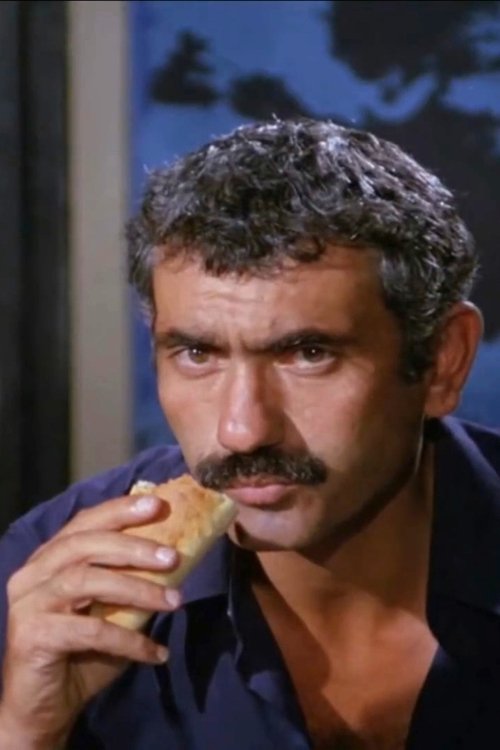
A documentary that explore the films and eventful life of the Kurdish director, actor, writer and revolutionary Yilmaz Güney, who achieved international fame by films like Yol (Palm d'Or, 1982) and Sürü (Golden Leopard, 1978). Güney was at constant odds with the Turkish government over the portrayal of Kurdish culture, people and language in his movie.
Yilmaz Guney: Rebel with a Cause

I Want to Live is a documentary on the lives of Kurdish Refugees from Syria, living in refugee camps in Kurdistan. Shot on location, it is set against the Syrian civil war and the ISIS (Islamic State) attacks upon Kurdistan. Told through the eyes of a young boy, Shndar, living with Thalassemia disease, he searches for an immediate treatment as he ages without losing hope, leaving his home amid simmering ethnic and religious hatred to live the life of a refugee. The film tells stories of daily life on the camp and outside of it. More than being a film on the life of refugees, it is an intimate character study and gripping tale of innocent lost amides wars, a meditation on life, death, war, peace, and tolerance.