Onoe Baiko VII
Acting
Known For

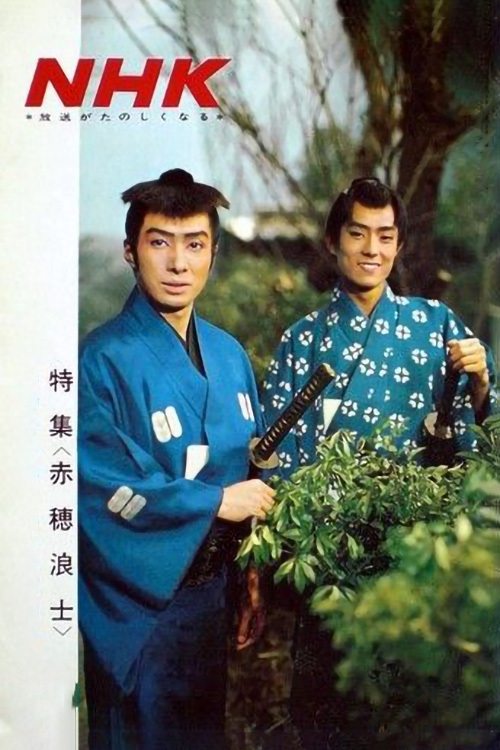
"Ako Roshi" is a group of 47 former retainers of Lord Asano. Lord Asano was forced to commit suicide after attempting to kill Lord Kira. Once the retainers hear about their Lord's death, they sacrifice their lives to regain the honor of their former master.
Akō Rōshi

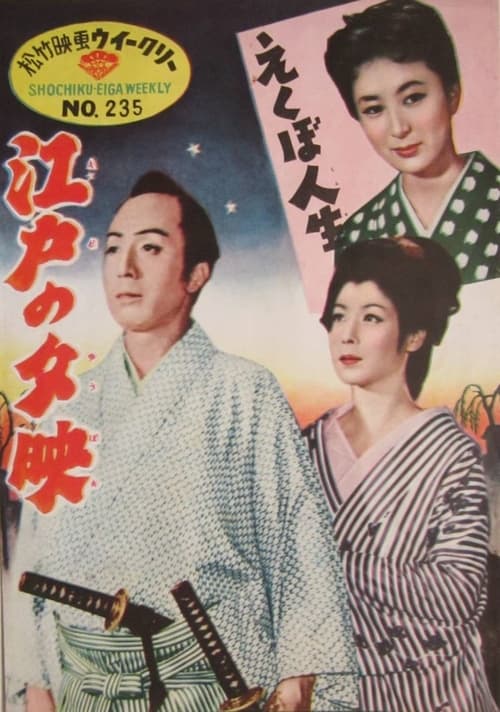
In the fourth year of Keio (1868), defeated retainers sought to restore the Tokugawa shogunate with the help of Enomoto Takeaki's navy. Honda Koroiku was one of them. He discreetly handed a departure note to his fiancée, Otosei, the daughter of Matsudaira Soebe, and left Edo. Otosei's cousin and Koroiku's friend, Domae Daikichi, was once a brave warrior of the shogunate army. However, he had since fallen into a life of debauchery in Yanagibashi and was rumored to be involved with a geisha named Orikki.
Edo no yubae
A promising dancer asks her professor to write a libretto for a Nō play. He then introduces her to a student of classical literature, but also a classical theatre student in the hope that the latter will marry Senya..
Enraptured

1950 Japanese movie
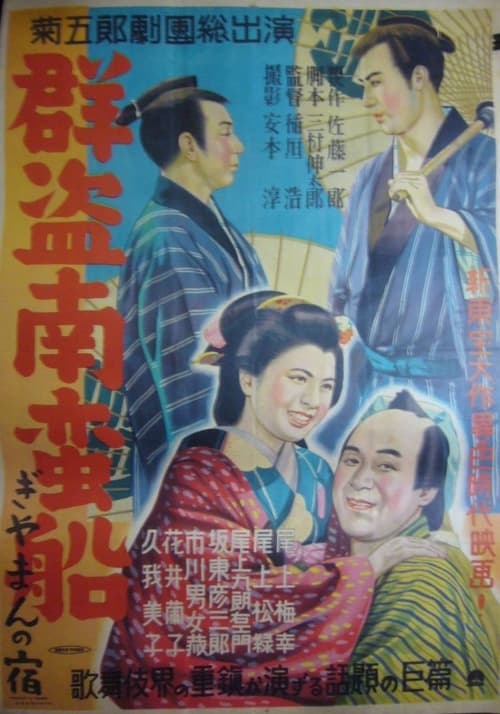
Guntō nanban-sen

No description available.
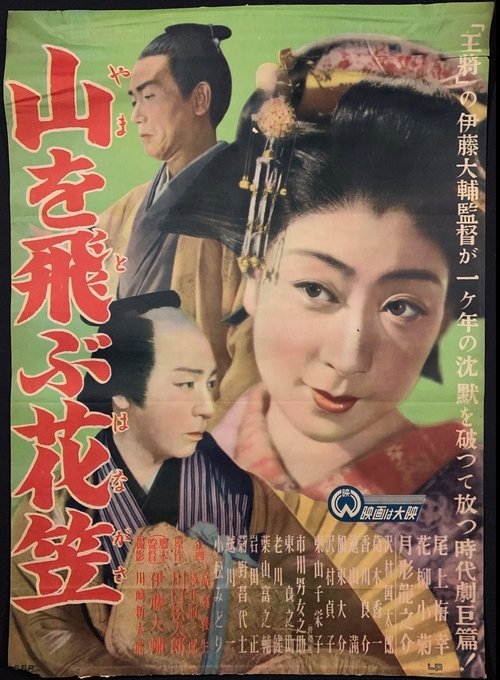
The Flower That Crossed the Mountain

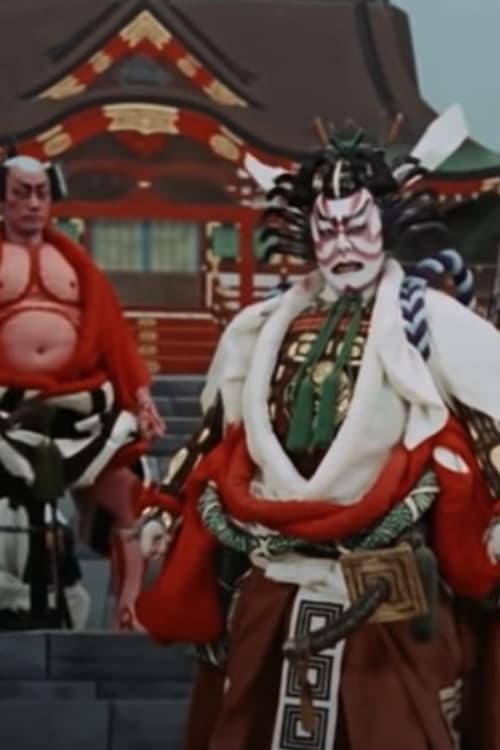
Planned by The Ministry of Foreign Affairs of Japan, this film presents the most famous and popular Japanese Kabuki performed by Kabuki actors.
Kabuki: The Classic Theatre of Japan
Two of the greatest stars of Japan’s kabuki theater reveal what has only rarely been seen: the actual acting techniques used in this most difficult and splendid of theater forms. Onoe Shoroku II and Onoe Baiko VII discuss and demonstrate their craft in conversation with the well-known author of works on Asian arts, Faubion Bowers. Includes film of great kabuki performances of the past. These great kabuki actors make the mechanics of theater kata (poses) clear and show some of the gestures and nuances of body language that communicate specific emotions and situations. Baiko, a famous player of women’s roles, performs a classic woman’s speech in full costume and heavy white-face make-up, and then does the same scene again in plain face and simple clothes. He shows how the Japanese fan speaks in its own language. He and Shoroku act out a fight scene; Shoroku demonstrates one of kabuki’s elaborate exit walk sequences, and compares different ways of making stylized gestures.