Writing
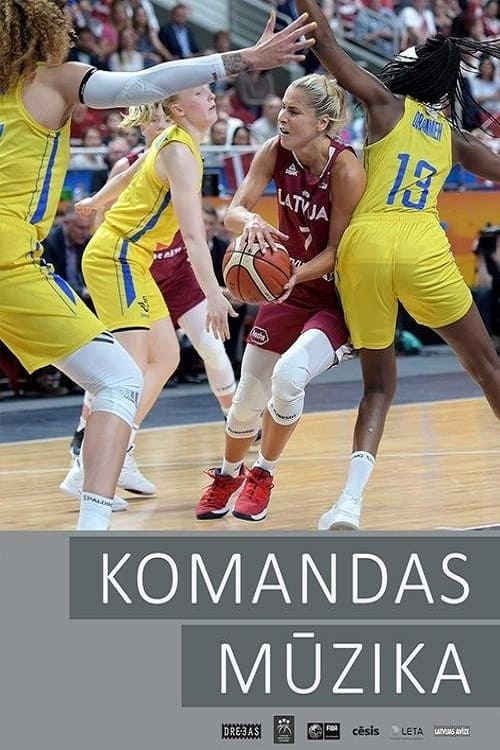
The story of the Latvian women's basketball team in the 2019 season – about the 12 team members and coach Mārtiņš Zībartu, the difficult and inspiring time spent together on the team, and the team relationships that significantly influence each athlete's future personal and athletic destiny. We followed the Latvian women's basketball team's progress in the European Championship, reflecting the tension and emotional situations in the fight for the opportunity to play in the Tokyo Olympics, which this time proved unsuccessful. We also sought answers to the question of the ability to strive for victory and endure defeat, which is so important in sports. The film shows contemporary Latvian women's basketball as a continuation of pre-war basketball and the legendary TTT team through tradition and family ties. A special feature of the film is the specially composed music by Rihards Zaļupe, which was inspired by the composer's observations of sporting events and emotional moments.
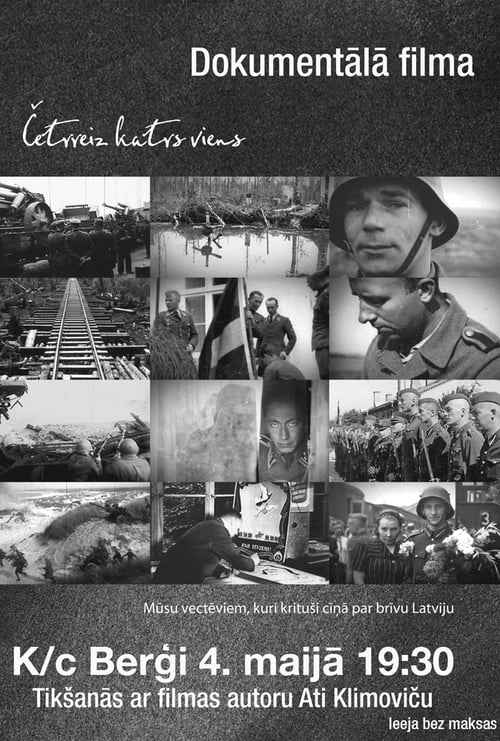
This film about four legionnaires attempts to give them back their past. Kazimirs Šusts, Jānis Mencis, Imants Zeltiņš, Kārlis Smiltēns – they were born and raised at the same time as the Latvian state, and together with it they were drawn into a war in which both the state and the people's hope and struggle was to stay alive. However, the war did not destroy them, and each of them survived and found refuge in the Latvian state. They had enough strength to resist the hostile Soviet present and the difficulties of exile, to maintain their humanity, to work and to await the return of the Latvian state.
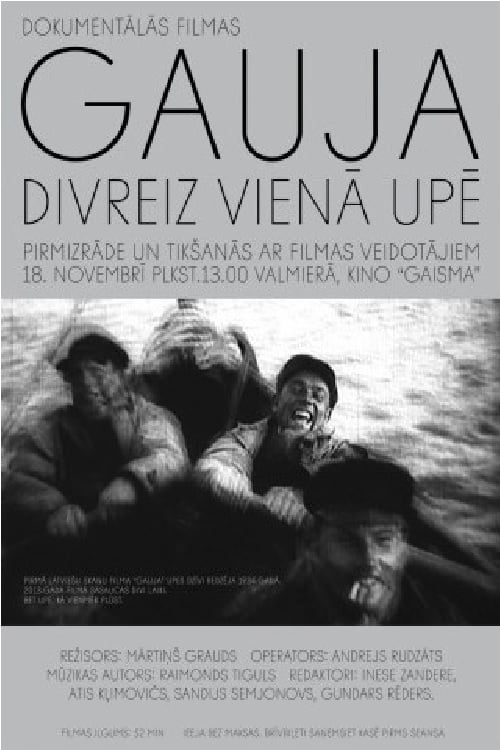
A film documenting contemporary Latvian reality along the banks of the river Gauja while channelling one of the first Latvian sound documentary films, Gauja (1934). “Along with producers Sandijs Semjonovs and Gundars Rēders and editor Atis Klimovičs, we witnessed incidents and events along the banks of the river some 80 years later. We captured them along with the views of folks on this river in a documentally poetic style reflecting the reality in Latvia,” explains director Mārtiņš Grauds.