
Bertrand Lemoine
Acting
Known For
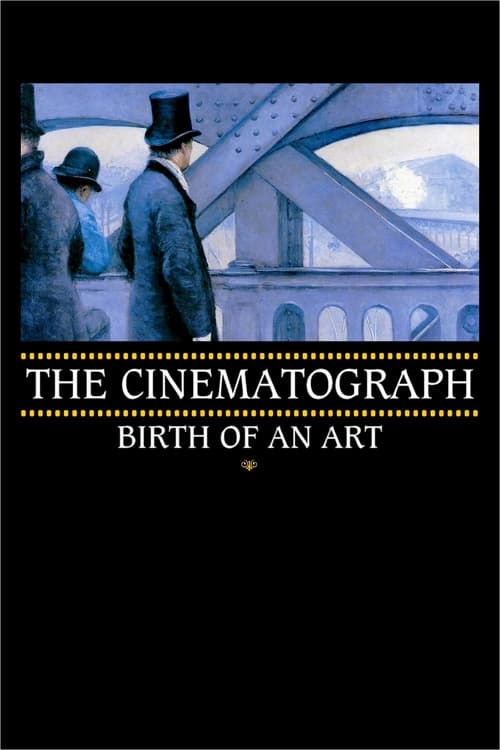
Throughout the 19th century, imaginative and visionary artists and inventors brought about the advent of a new look, absolutely modern and truly cinematographic, long before the revolutionary invention of the Lumière brothers and the arrival of December 28, 1895, the historic day on which the first cinema performance took place.
The Cinematograph: Birth of an Art
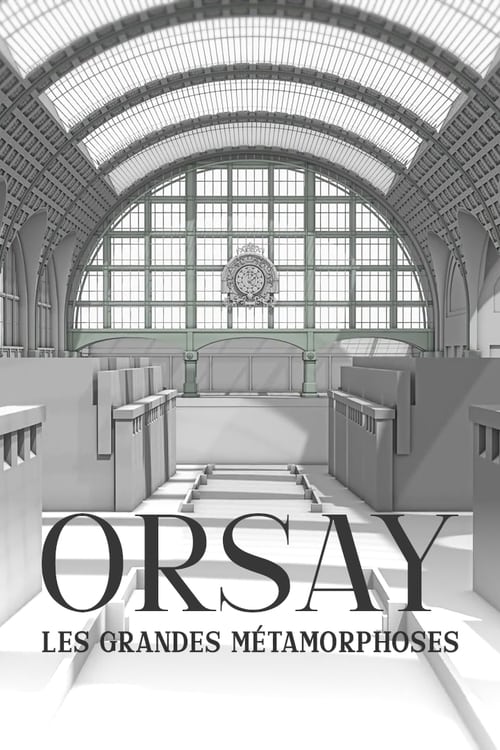
Inaugurated in 1986 by François Mitterrand, a link between the Louvre and Pompidou, Orsay houses the largest collection of Impressionist art in the world. Project after project, the museum has been transformed to modernize and welcome more visitors, while preserving its historic character. Challenges taken up with each new project.
Orsay, les grandes métamorphoses
No description available.
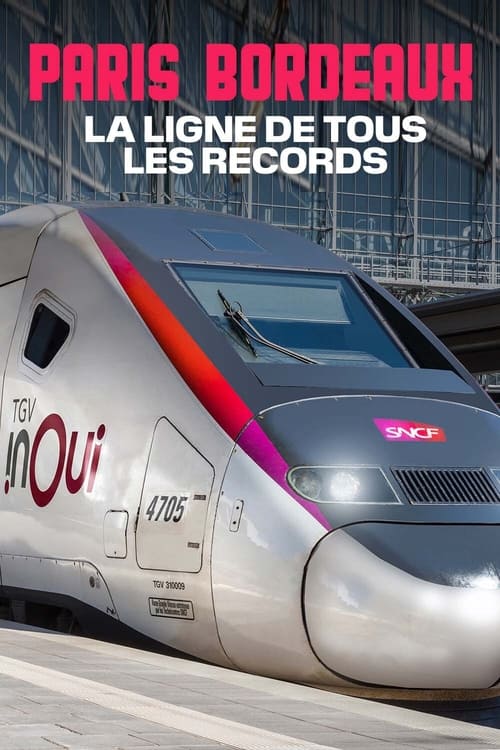
TGV Paris-Bordeaux, la ligne de tous les records
No description available.
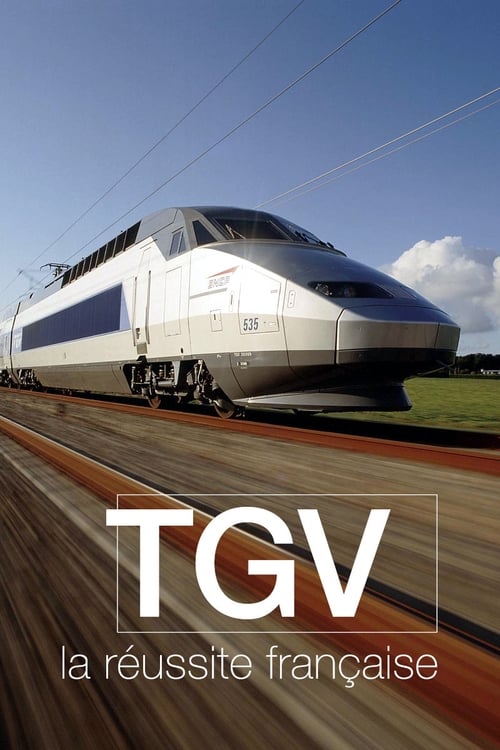
TGV, la réussite française

No description available.
Tour Eiffel : La Grande Épopée
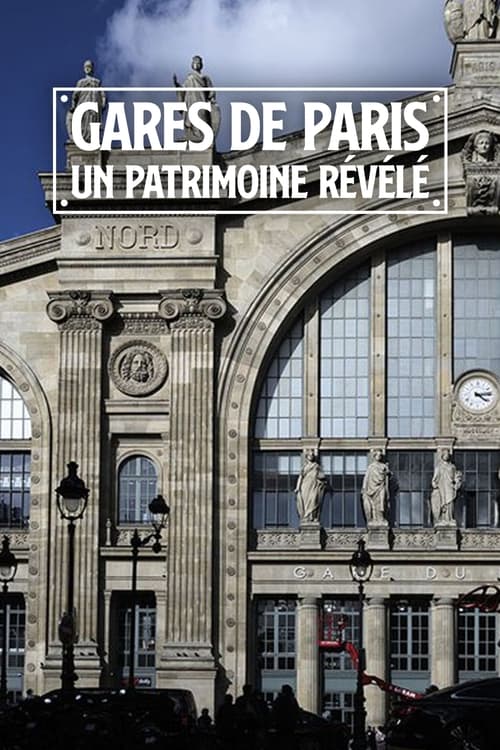
Every day, Paris’ six railway stations welcome over 3,000 trains and more than a million travelers coming from France and all over Europe. The stations’ sizes are impressive: Gare du Nord is bigger than the Louvre or Notre-Dame de Paris. These railway stations are architectural landmarks and a model of urban planning despite the radical changes they’ve undergone since their construction in the middle of the 19th century. How did the railway stations manage to absorb the boom of travelers in just a few decades? What colossal works were necessary to erect and then modify these now essential buildings? From the monumental glass walls of Gare du Nord to the iconic tower of Gare de Lyon, to the first-ever all-electric train station, each has its own story, technical characteristics, and well-defined urban image.
Paris Train Stations: Shaping the City
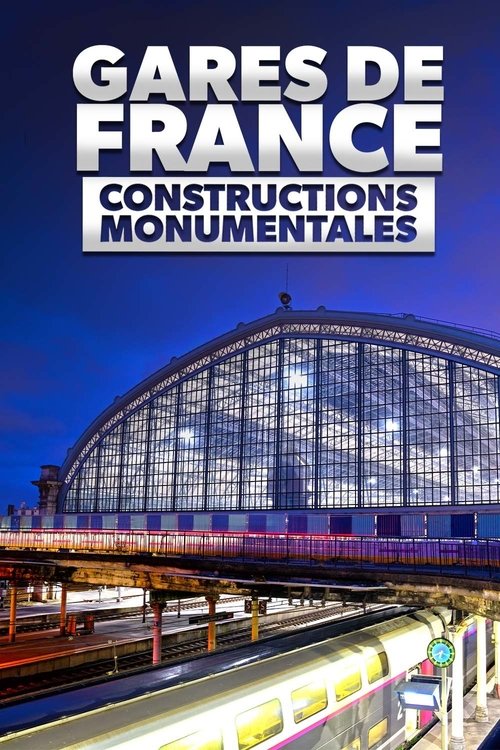
The train stations of Bordeaux, Strasbourg, and Lyon are among the most spectacular in France, designed by the most daring architects and engineers. Three colossal monuments, three multimodal hubs, built in France's largest cities to handle millions of passengers. These stations were equipped with state-of-the-art facilities and technological innovations unique for their time. In Lyon, the Saint-Exupéry station takes the form of a bird spreading its wings, its distinctive feature being the 300 tunnel for TGVs passing at full speed. In Strasbourg, a monumental glass roof completely covers the historic façade of the station, built in 1883 by the Germans. In Bordeaux, a giant 17,400 m² hall defies the laws of gravity with spans of 57 meters, five times the width of the nave of Notre-Dame Cathedral.