Camera
No description available.
A scientist discovers that there's gold on the moon. He builds a rocket to fly there, but there's too much rivalry among the crew to have a successful expedition.
Czechoslovakia, March 1939, on the eve of World War II. As the German invaders occupy Prague, inventor Axel Bomasch manages to flee and reach England; but those who need to put his knowledge at the service of the Nazi war machine, in order to carry out their evil plans of destruction, will stop at nothing to capture him.
A wife tries to prevent her husband, a miner, from gambling away the money he receives as an inheritance.
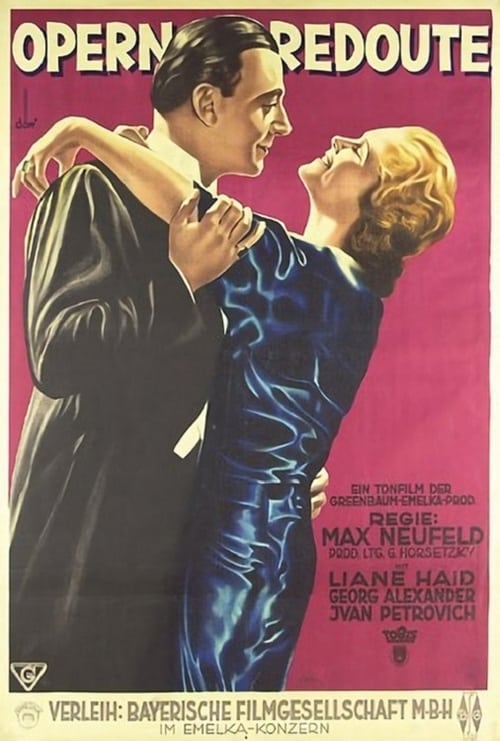
The Opera Ball (German: Opernredoute) is a 1931 German musical comedy film directed by Max Neufeld and starring Iván Petrovich, Liane Haid and Georg Alexander. It was part of a large group of operetta films made during the decade, although the film is not based on the operetta Der Opernball. The following year it was remade in French as Beauty Spot. A 1932 British remake After the Ball was also made.
Kornej is a young painter of primitivism. An art agent discover the works of Kornej and buy the whole collection. The art critic Moulin is very excited about Kornejs paintings and style. Kornej marries his childhood sweetheart Rita. They have a child that carries a mystic disease. Allt the money Kornej got from selling his collection is put into the care of the sick child. Rita leaves Kornej.
Fred von Wellingen is a wealthy industrialist, part of a large family-owned corporation. Fred has fallen for Lia, a comely bartender in the Berlin Cabaret. He proposes to her, much to the horror of his family, which considers Lia and her unsophisticated father far below their caste. The family convinces Fred to give up the girl in exchange for increased position and income in the company. But Fred's lapse is momentary, and he again pursues Lia. But she, by this time, has learned of his erstwhile agreement and has agreed to marry someone else.
a silent movie by Robert Wiene
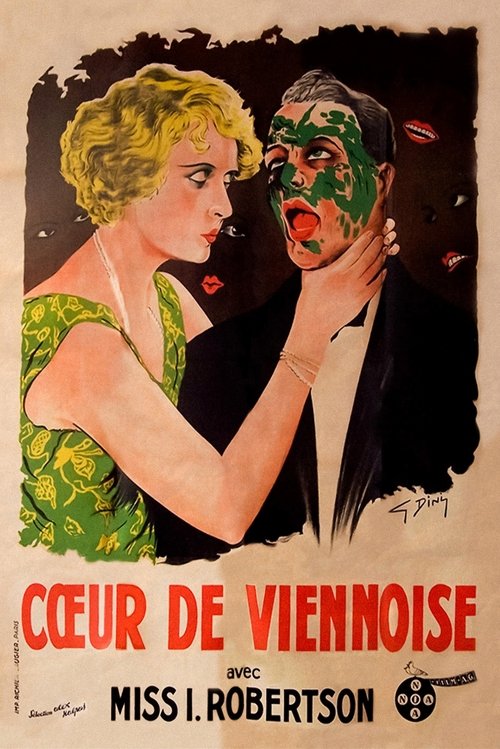
A young saleslady travels by car to the Riviera with a modest seeming young man who, it turns out, is really a wealthy nobleman.
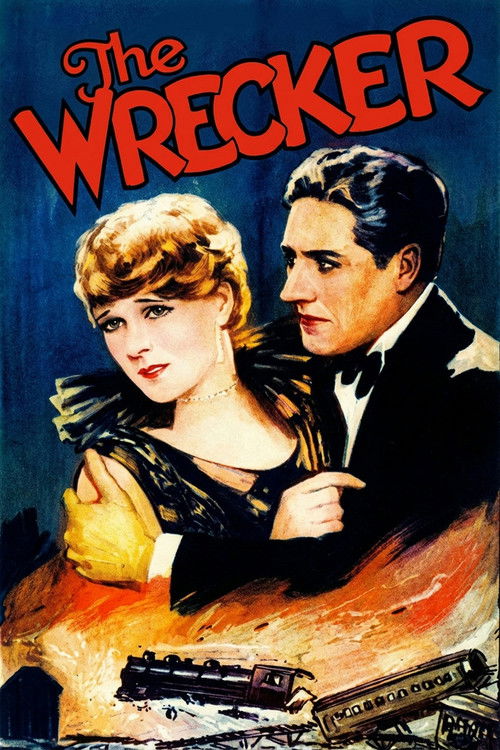
A criminal organizes train crashes to discredit the railway in favor of a rival bus company. The stunts in this film were groundbreaking for 1920s British cinema. A scene which has been described as "the most spectacular rail crash in cinema history" was recorded by 22 cameras.
Bob Stevens awakens in a hospital with a gunshot wound to his head, and is told that he has been in Paris for ten days. However, this cannot be true because he insists that he crashed his plane and has no recollection of being anywhere for ten days. Bob decides to follow a note found in his jacket, to the woman who wrote it, "Miss D", and get to the bottom of the whole strange situation.
An elderly lady manages to sneak some pills away from her nurse and dies of an overdose. The nurse is tried for murder and acquitted. Some time later the nurse, under a new name and identity, cares for a patient who also dies of an overdose. When her real identity comes out, suspicions arise.
The Sweet Girl (German: Das Süße Mädel) is a 1926 German silent film directed by Manfred Noa.
The Cinderella story is reversed in this light-hearted adaptation, with Cinders a young man who eventually wins the 'princess' – in this case, an oil millionaire's daughter!
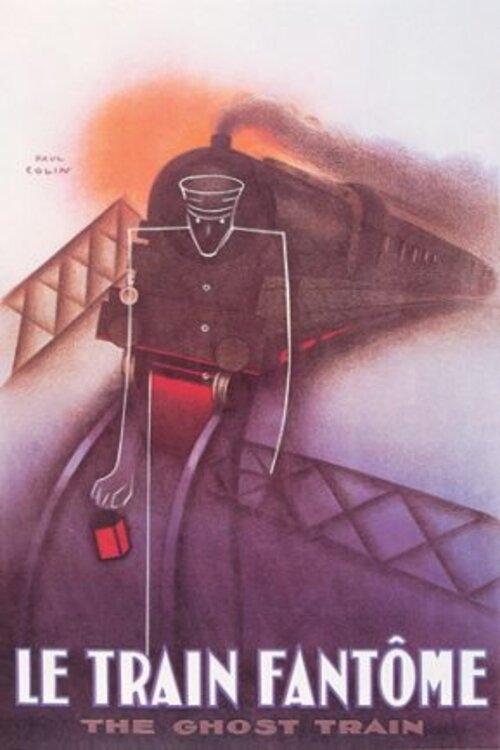
Mismatched travellers are stranded overnight at a lonely rural railway station. They soon learn of local superstition about a phantom train which is said to travel these parts at dead of night, carrying ghosts from a long-ago train wreck in the area. The travelers eventually get to the bottom of the things that go bump in the night.
The film portrays the Imperial German Navy during the First World War, particularly the Battle of Jutland and is based on a novel by Helmut Lorenz.