FEEL IT.STREAM
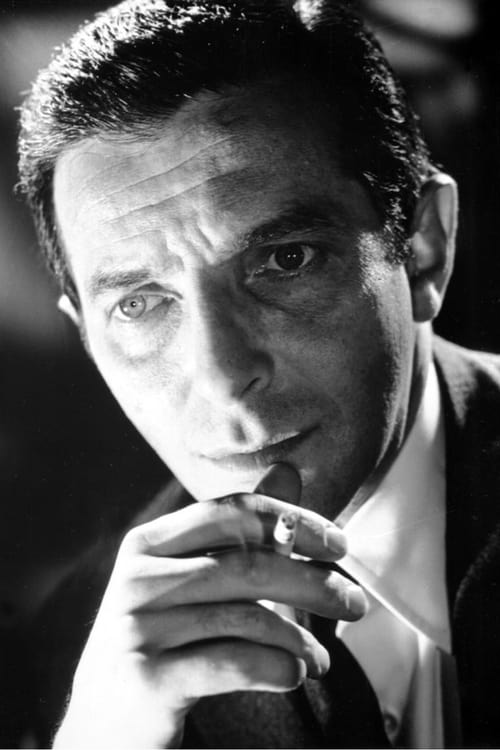
Pinkas Braun

Pinkas Braun

Acting

Biography

​From Wikipedia, the free encyclopedia. Pinkas Braun  (7 January 1923 – 24 June 2008) was a Swiss film actor. He appeared in 70 films between 1954 and 2002. Description above from the Wikipedia article Pinkas Braun, licensed under CC-BY-SA, full list of contributors on Wikipedia

Known For

Stockinger
5.8

Stockinger is an Austrian-made police television drama, with fourteen 45-minute episodes first aired from 1996 to 1997. The series is a spin-off from the popular Austrian television drama Inspector Rex, and focuses on Ernst Stockinger, one of the original members of the Homicide division or Mordkommission in German. Stockinger leaves the series to return to Salzburg where his wife has inherited a dental practice from her late father . He is appointed a Bezirksinspektor at the Landes Gendarmerie, sharing an office with District Inspector Antonella Simoni. Unlike the members of the team in 'Rex', who appear to be self-directed and are seldom seen to answer to senior management, Stockinger reports to Dr Brunner, a philosophising burecratic senior police inspector. Stockinger is portrayed as a clumsy, almost Inspector Clouseau-like character, driving a clapped-out 1973 VW Variant, but single-minded when following up clues.

Stockinger

1996Series
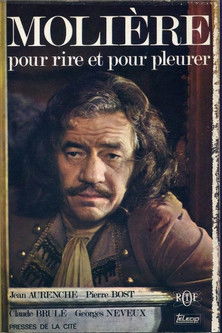
Molière pour rire et pour pleurer
9.5

Molière pour rire et pour pleurer recounts the life of Jean‑Baptiste Poquelin, from his childhood in an artisan family to his rise as Molière, a central figure of French theatre. The series shows his difficult decision to abandon the family trade and join Madeleine Béjart to found L’Illustre Théâtre, marked by debts and repeated setbacks. While touring the provinces, he shapes his style and discovers the power of comedy. Back in Paris, he makes a name for himself with Les Précieuses ridicules, but his sharp satires provoke fierce opposition, especially during the Tartuffe scandal. Supported by Louis XIV, he continues despite attacks, literary rivalries, and tensions within his troupe, particularly with Armande Béjart. The miniseries also follows his growing exhaustion, his determination to perform at any cost, and his final breath after Le Malade imaginaire, the ultimate symbol of an artist who lived — and died — for the stage.

Molière pour rire et pour pleurer

1973Series