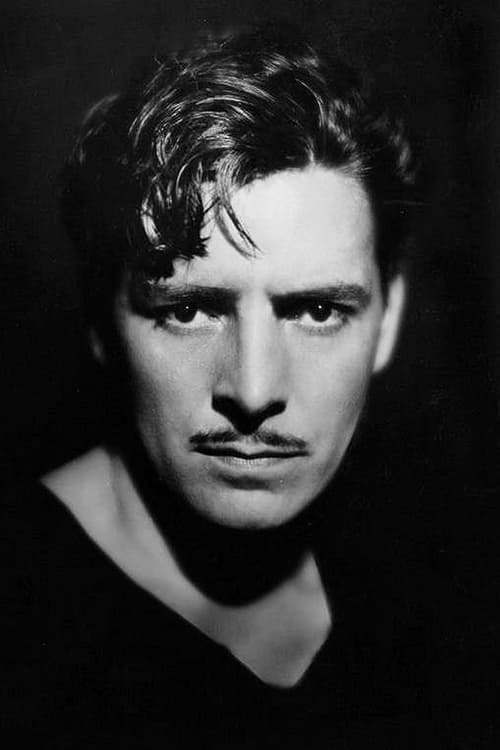
Ronald Colman
Acting
Biography
British leading man of primarily American films, one of the great stars of the Golden Age. Raised in Ealing, the son of a successful silk merchant, he attended boarding school in Sussex, where he first discovered amateur theatre. He intended to attend Cambridge and become an engineer, but his father's death cost him the financial support necessary. He joined the London Scottish Regionals and at the outbreak of World War I was sent to France. Seriously wounded at the battle of Messines--he was gassed--he was invalided out of service scarcely two months after shipping out for France. Upon his recovery he tried to enter the consular service, but a chance encounter got him a small role in a London play. He dropped other plans and concentrated on the theatre, and was rewarded with a succession of increasingly prominent parts. He made extra money appearing in a few minor films, and in 1920 set out for New York in hopes of finding greater fortune there than in war-depressed England. After two years of impoverishment he was cast in a Broadway hit, "La Tendresse". Director Henry King spotted him in the show and cast him as Lillian Gish's leading man in The White Sister (1923). His success in the film led to a contract with Samuel Goldwyn, and his career as a Hollywood leading man was underway. He became a vastly popular star of silent films, in romances as well as adventure films. The coming of sound made his extraordinarily beautiful speaking voice even more important to the film industry. He played sophisticated, thoughtful characters of integrity with enormous aplomb, and swashbuckled expertly when called to do so in films like The Prisoner of Zenda (1937). A decade later he received an Academy Award for his splendid portrayal of a tormented actor in A Double Life (1947). Much of his later career was devoted to "The Halls of Ivy", a radio show that later was transferred to television "The Halls of Ivy" (1954). He continued to work until nearly the end of his life, which came in 1958 after a brief lung illness. He was survived by his second wife, actress Benita Hume, and their daughter Juliet Benita Colman.
Known For
Four Star Playhouse is an American television anthology series that ran from 1952 to 1956, sponsored in its first bi-weekly season by The Singer Company; Bristol-Myers became an alternate sponsor when it became a weekly series in the fall of 1953. The original premise was that Charles Boyer, Ida Lupino, David Niven, and Dick Powell would take turns starring in episodes. However, several other performers took the lead from time to time, including Ronald Colman and Joan Fontaine. Blake Edwards was among the writers and directors who contributed to the series. Edwards created the recurring character of illegal gambling house operator Willie Dante for Dick Powell to play on this series. The character was later revamped and spun off in his own series starring Howard Duff, then-husband of Lupino. The pilot for Meet McGraw, starring Frank Lovejoy, aired here, as did another episode in which Lovejoy recreated his role of Chicago newspaper reporter Randy Stone, from the radio drama Nightbeat.
Four Star Playhouse

The Ed Sullivan Show is an American TV variety show that originally ran on CBS from Sunday June 20, 1948 to Sunday June 6, 1971, and was hosted by New York entertainment columnist Ed Sullivan. It was replaced in September 1971 by the CBS Sunday Night Movie, which ran only one season and was eventually replaced by other shows. In 2002, The Ed Sullivan Show was ranked #15 on TV Guide's 50 Greatest TV Shows of All Time.
The Ed Sullivan Show
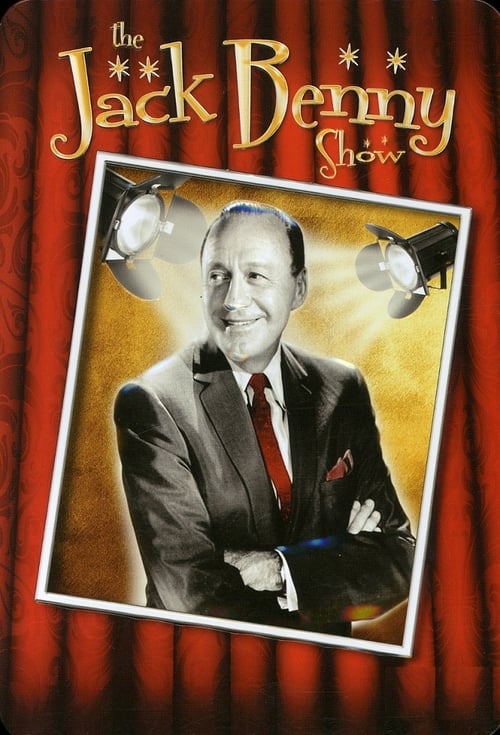
Laugh along with funnyman Jack Benny as he brings his underplayed humor to TV along with regular performers from his radio show days.
The Jack Benny Program
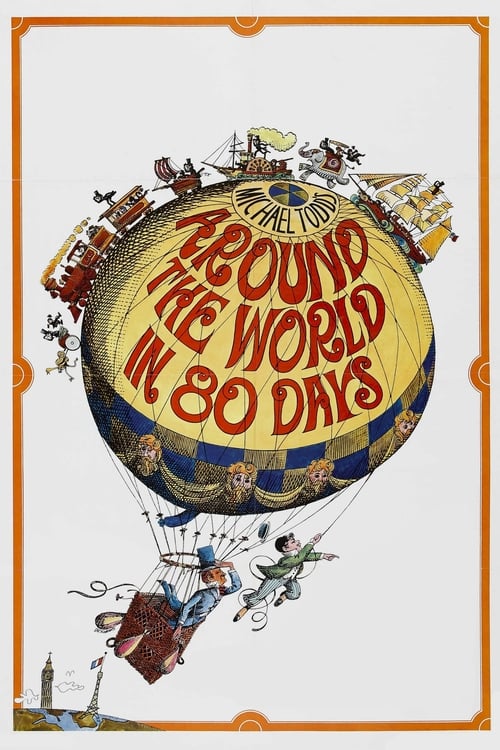
Based on the famous book by Jules Verne the movie follows Phileas Fogg on his journey around the world. Which has to be completed within 80 days, a very short period for those days.
Around the World in 80 Days
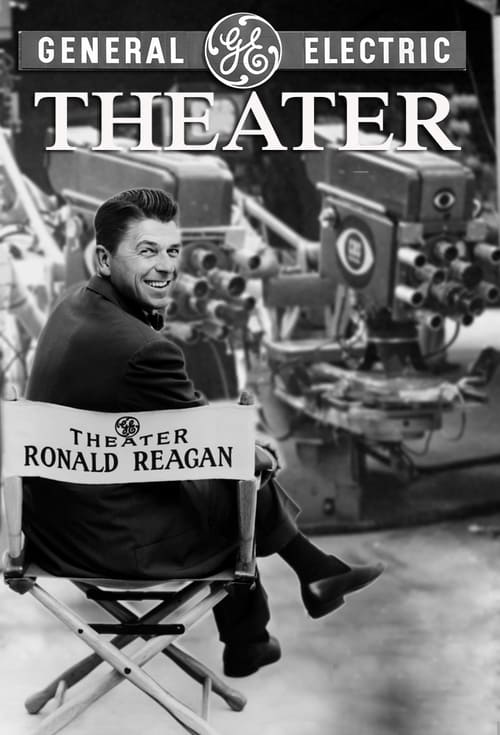
General Electric Theater is an American anthology series hosted by Ronald Reagan that was broadcast on CBS radio and television. The series was sponsored by General Electric's Department of Public Relations.
General Electric Theater
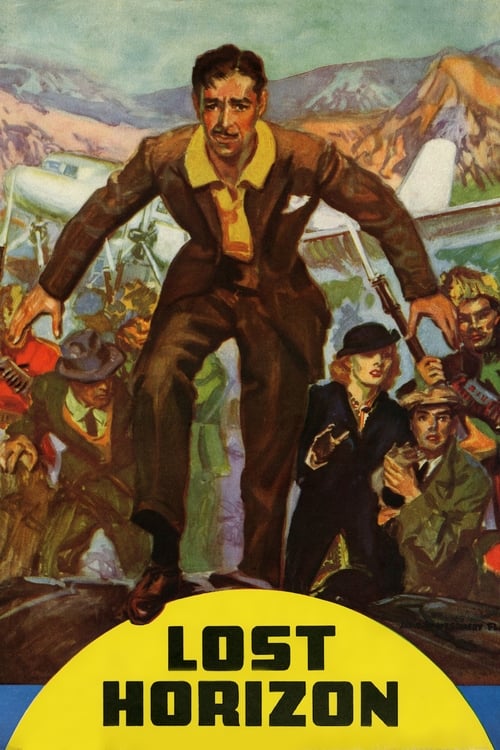
British diplomat Robert Conway and a small group of civilians crash-land in the Himalayas, where they are rescued by the inhabitants of the hidden, idyllic valley of Shangri-La. Protected by the mountains from the world outside, where the clouds of World War II are gathering, Shangri-La provides a seductive escape for the world-weary Conway.
Lost Horizon
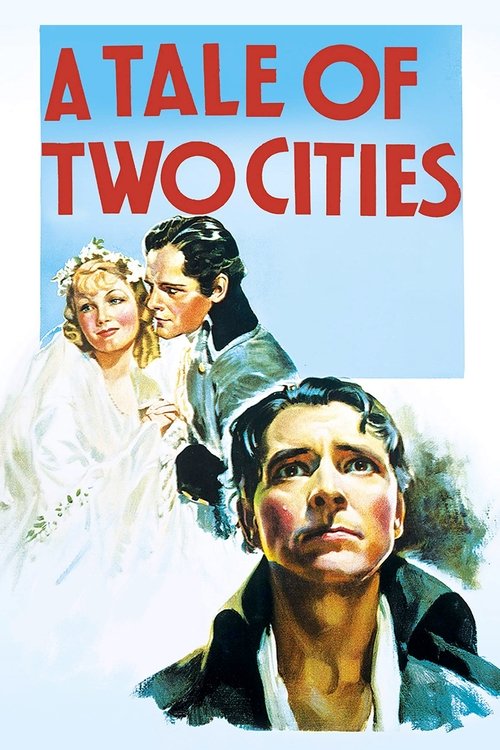
Set against the conditions leading up to the French Revolution and the Reign of Terror, French doctor Alexandre Manette serves an 18-year imprisonment in the Bastille in Paris, followed by his release to live in London with the daughter he has never met.
A Tale of Two Cities
The Halls of Ivy is an NBC radio sitcom that ran from 1950-1952. It was created by Fibber McGee & Molly co-creator/writer Don Quinn before being adapted into a CBS television comedy produced by ITC Entertainment and Television Programs of America. British husband-and-wife actors Ronald Colman and Benita Hume starred in both versions of the show. Quinn developed the show after he had decided to leave Fibber McGee & Molly in the hands of his protégé Phil Leslie. The Halls of Ivy's audition program featured radio veteran Gale Gordon and Edna Best in the roles that ultimately went to the Colmans, who demonstrated a flair for radio comedy during the late 1940s recurring roles on The Jack Benny Program.
The Halls of Ivy
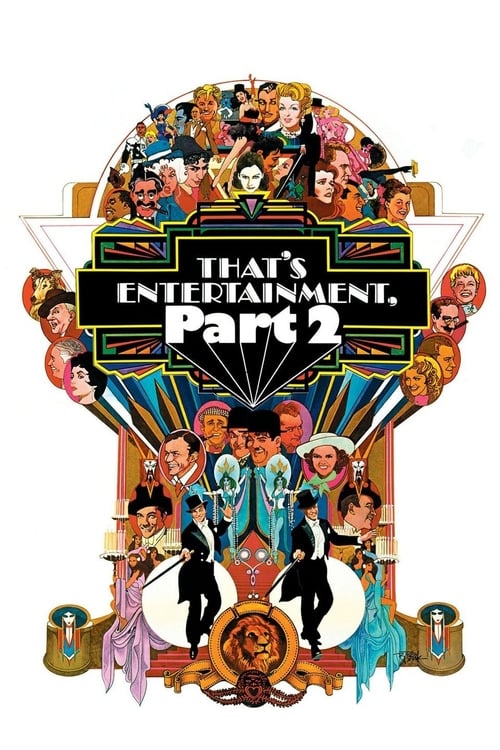
Gene Kelly and Fred Astaire present more golden moments from the MGM film library, this time including comedy and drama as well as classic musical numbers.
That's Entertainment, Part II
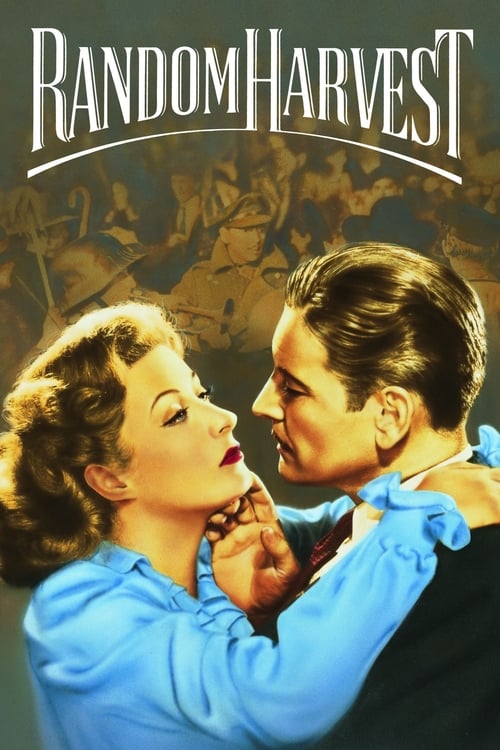
Wandered away from his asylum, an amnesiac World War I veteran falls in love with a music hall star but his amnesia makes it difficult to last.
Random Harvest
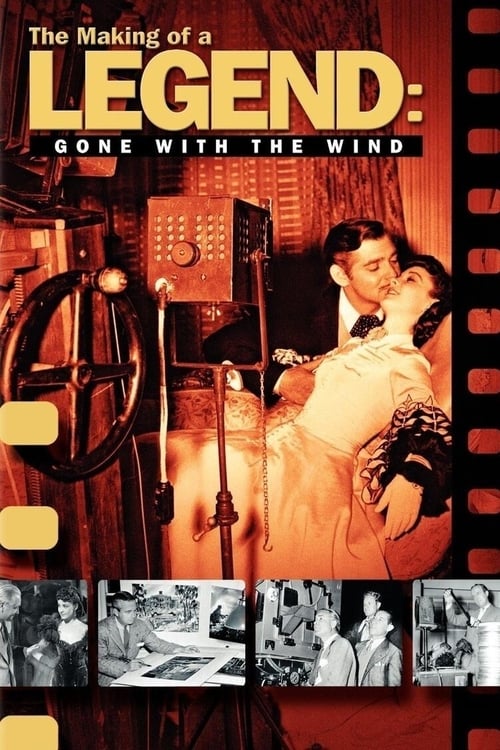
This documentary revisits the making of Gone with the Wind via archival footage, screen tests, insightful interviews and rare film footage.
The Making of a Legend: Gone with the Wind
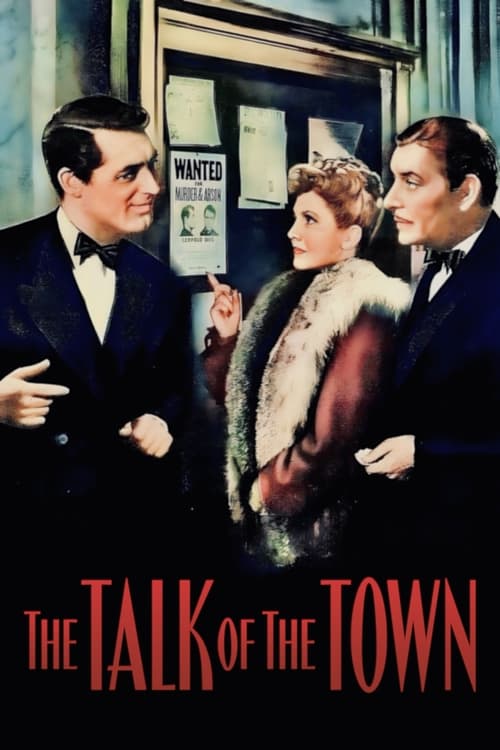
Hilarity ensues when a falsely accused fugitive from justice hides at the house of his childhood friend, which she has recently rented to a high-principled law teacher.
The Talk of the Town
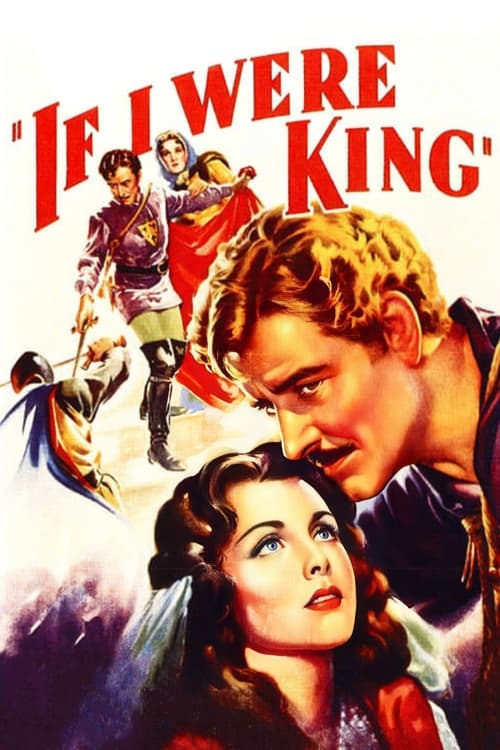
King Louis XI masquerades as a commoner in Paris, seeking out the treachery he is sure lurks in his kingdom. At a local tavern, he overhears the brash poet François Villon extolling why he would be a better king. Annoyed yet intrigued, the King bestows on Villon the title of Grand Constable. Soon Villon begins work and falls for a lovely lady-in-waiting, but then must flee execution when the King turns on him.
If I Were King
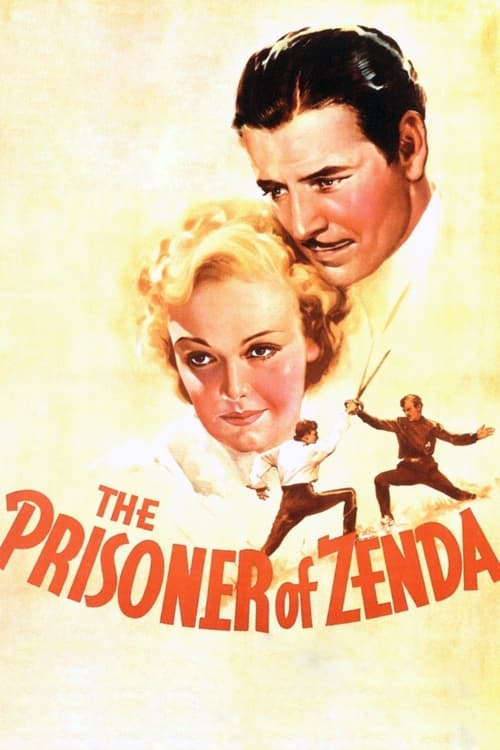
A kingdom's ascending heir, marked for assassination, switches identities with a lookalike, who takes his place at the coronation. When the real king is kidnapped, his followers try to find him, while the stand-in falls in love with the king's intended bride, the beautiful Princess Flavia.
The Prisoner of Zenda
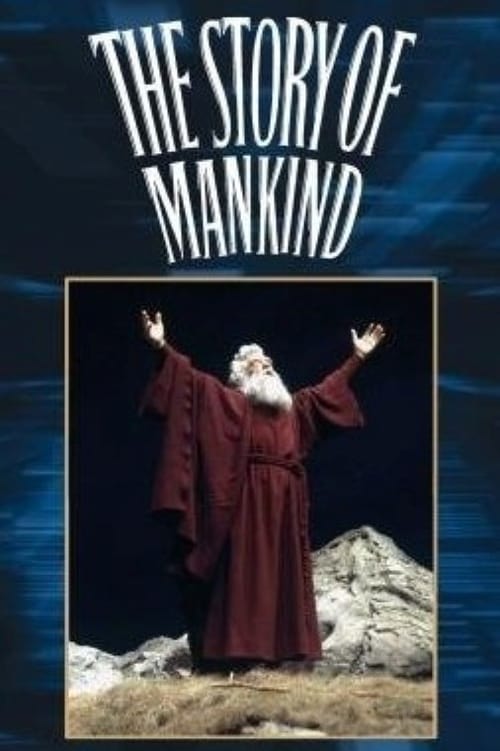
The devil and the spirit of mankind argue as to whether or not humanity is ultimately good or evil.
The Story of Mankind
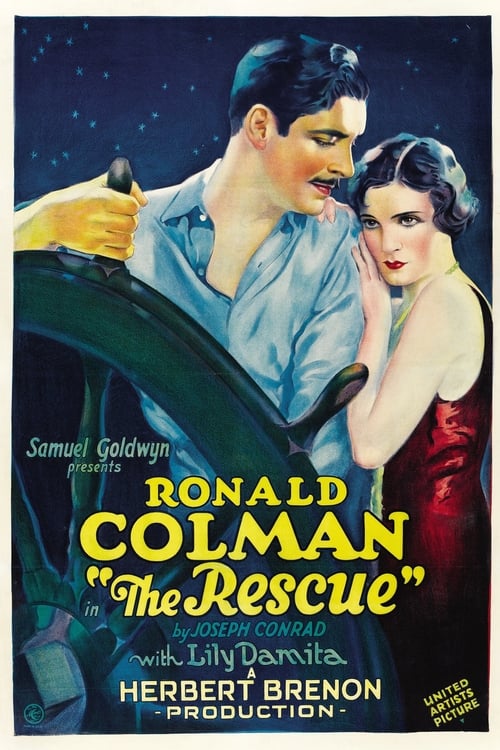
The English adventurer Tom Lingard gets involved with islanders on a South Seas island, and he also gets involved with Lady Edith and Mr. Travers, a sailing English couple. Tom has an unexpected love affair with Edith and while they are having this affair, Lady Edith husband's boat is destroyed and he is killed.
The Rescue
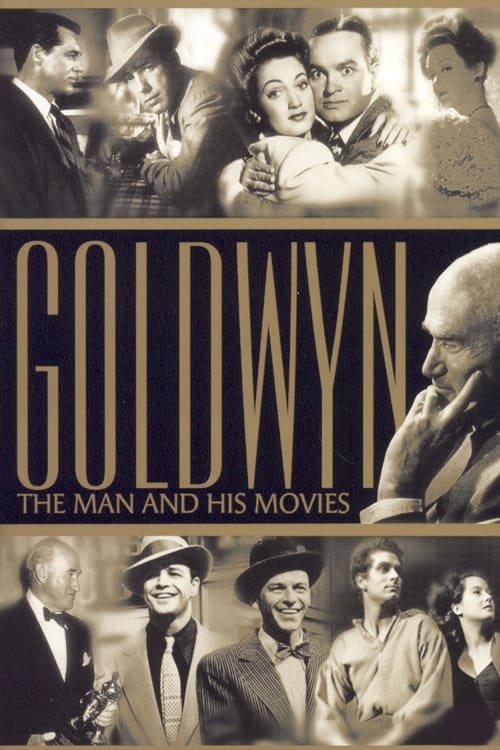
The life and work of Samuel Goldwyn, a Polish-born glove salesman who became one of Hollywood's greatest independent producers, is remembered in this classy documentary created for the PBS American Masters series. Based on A. Scott Berg's acclaimed biography, the film includes new interviews with Goldwyn's surviving family members as well as vintage interviews with such luminaries as Bette Davis, John Huston, Laurence Olivier and others.
Goldwyn: The Man and His Movies
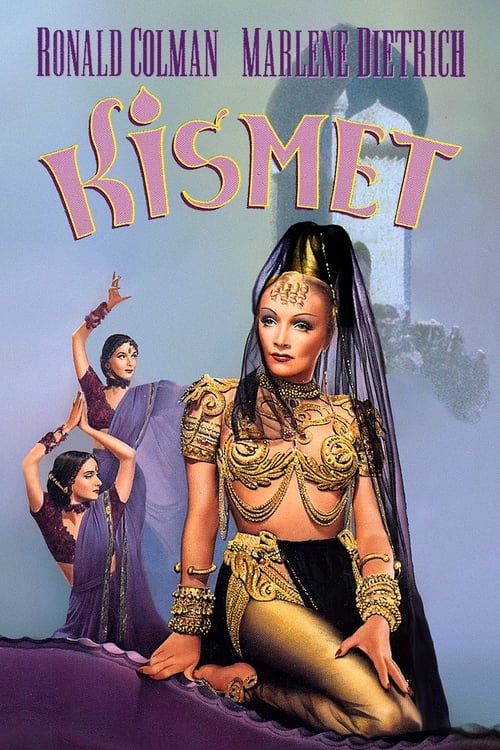
Hafiz, a rascally beggar on the periphery of the court of Baghdad, schemes to marry his daughter to royalty and to win the heart of the queen of the castle himself.
Kismet
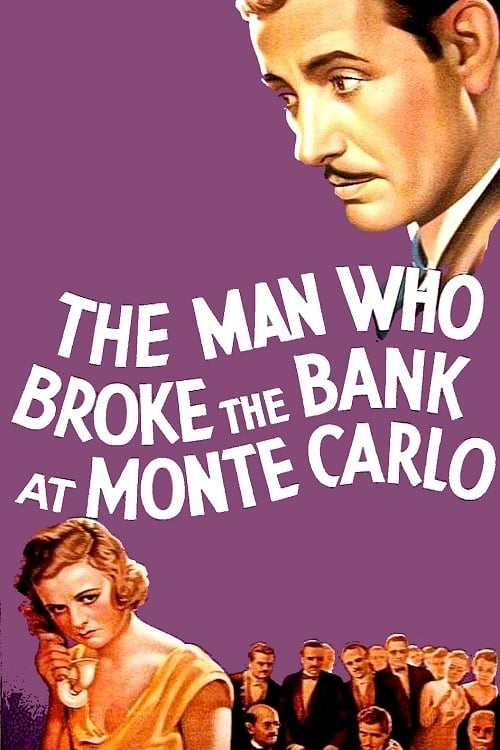
A Russian prince goes to Monte Carlo just after World War I with money supplied to him by Parisian Russians. He wins but the casino operators want him to honor the tradition of returning to the tables.
The Man Who Broke the Bank at Monte Carlo
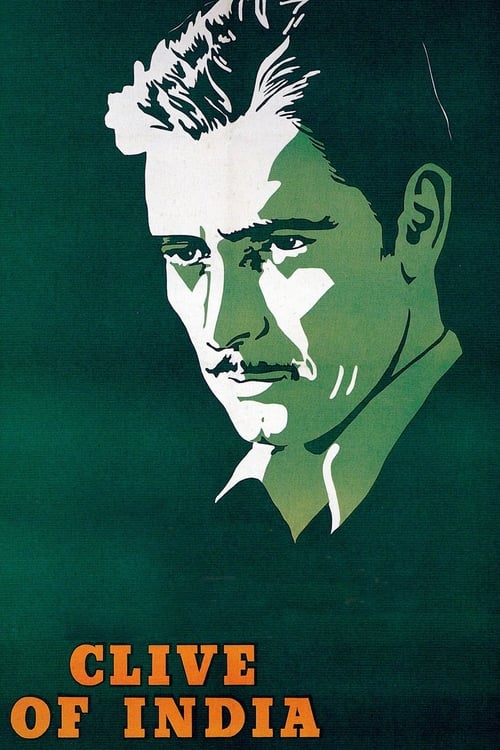
Fort St. David, Cuddalore, southern India, 1748. While colonial empires battle to seize an enormous territory, rich in spices and precious metals beyond the wildest dreams, and try to gain the favor of the local kings, Robert Clive (1725-1774), a frustrated but talented clerk who works for the East Indian Company and struggles to earn his fortune, makes a bold decision that will change his life forever.