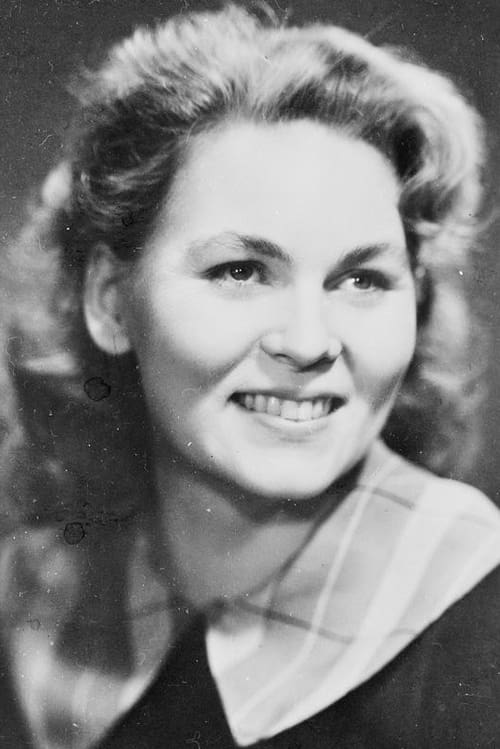
Aino Seep
Acting
Biography
Aino Seep (February 25, 1925 – July 8, 1982) was an Estonian opera and operetta soprano and stage and film actress. Aino Seep was born in Tartu in 1925 to parents Daniel Seep and Linda Seep (née Klaos). She was one of two siblings. She attended primary and secondary schools in Tartu before enrolling in the Tartu School of Music (now, the Heino Eller Tartu Music School), studying under tenor and teacher Rudolf Jõks, and graduating in 1949. In 1949, shortly after graduating from the Tartu School of Music, Seep joined the Vanemuine theatre as an opera and operetta singer, opera soloist, and stage actress. Seep's first role at the Vanemuine was as Adele, Rosalinde's maid in Johann Strauss II's 1874 operetta Die Fledermaus in 1949. This was followed by a 1950 performance as Susanna, the countess's maid in Mozart's 1786 opera buffa The Marriage of Figaro.
Known For

Reet loves her long-distance coxswain husband Rein, but the long separations have tortured her. It seems to her that the man cares more about his work than about her. Rein really loves his work, but his wife just as passionately. He does not understand how loneliness can overwhelm Reet, when women have always been waiting for men from far away. Their family friend Mart loves Reet and cannot see her suffer. It is in Marti's power to offer Reet a safe life, and the woman plagued by internal struggles makes a choice, but happiness seems to slip even further away.
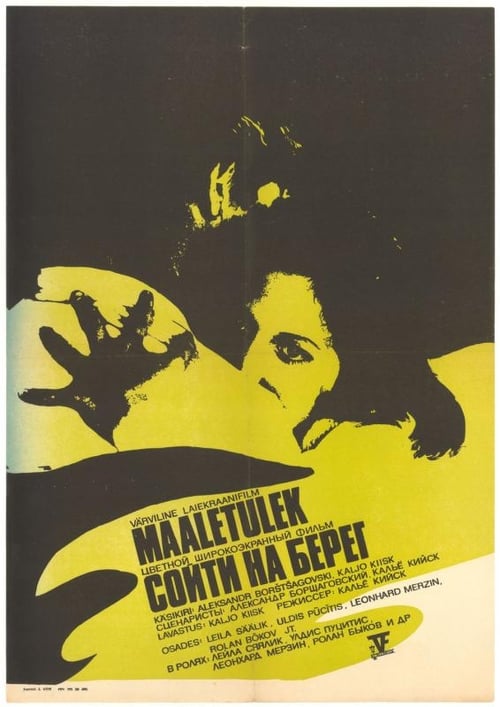
Landing

Martin Puri is an elderly fisherman who is told to retire because of his old age. When a group of people has to be saved from a boat in an autumn storm, Martin understands that one cannot act against the sea but together with it.
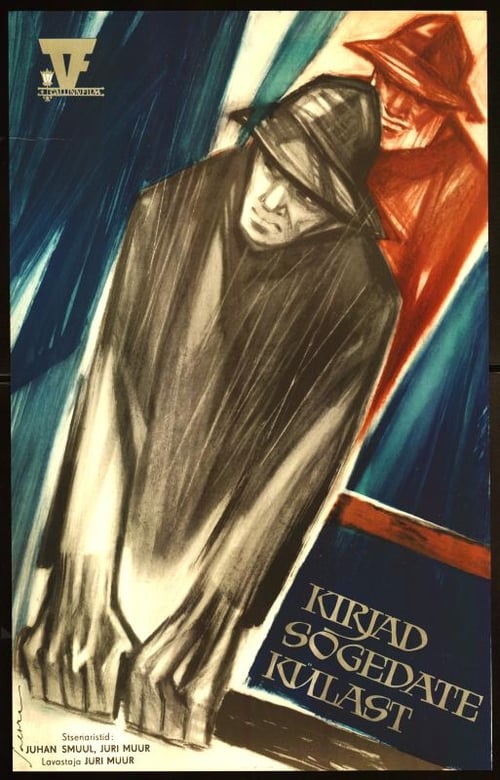
Letters from the Island of the Insane

After a stormy night on the sea, a group of Estonian fishermen end up in a small coastal Finnish town. As they await the Soviet authorities to take them back home, some of the fishermen contemplate leaving their former lives in a Soviet era Estonia behind.
Men from the Fisherman's Village

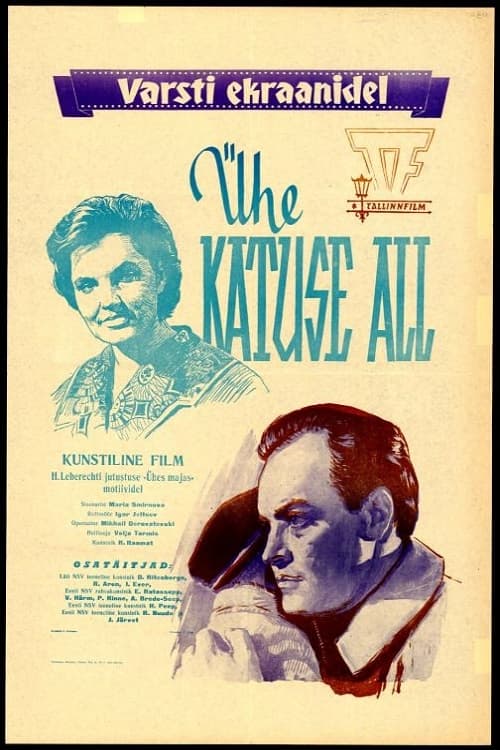
Mari has successfully led a collective farm in 1950s and fulfilled all tasks given from the authorities. Nonetheless, things in the collective farm become progressively worse. The Committee of the Communist Party sends its representative Peeter who learns that Mari acts as a tyrant for the local people. She has to resign during the elections of the new manager. Being without authority has a damaging effect on her so she starts to regain her position with the help of her old stalinist tricks.
Under the Same Roof

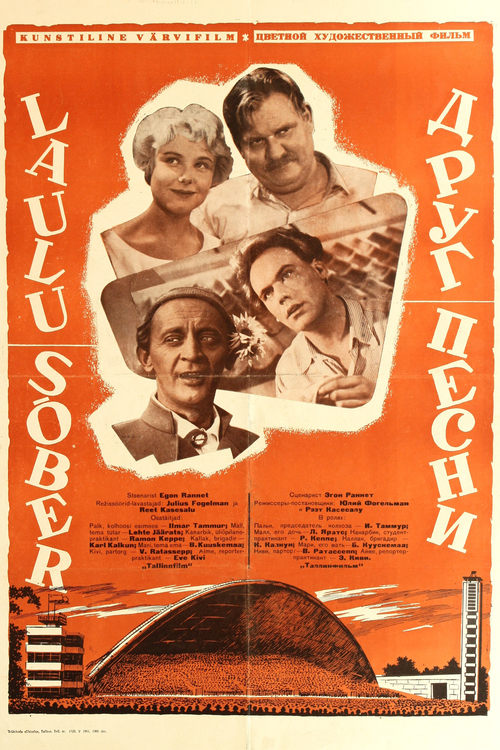
Tõnu, student of agronomy, is a trainee at a flourishing collective farm. He finds out that there are many talented singers there among whom there is Malle with a specially beautiful voice. However, the local community club is closed and the singing ground has been turned into a pasture. Malle's father is the manager of the collective farm and considers singing a waste of time. When the collective farmers hear about Tõnu's conducting skills, they will act against the manager's will. The big song festival is going to be held soon and people want to go there. Preparations of the choir go well; however, the manager of the collective farm gives no permission to take part in the festival. Singers are losing their hope, but then comes a helping hand.
Laulu sõber

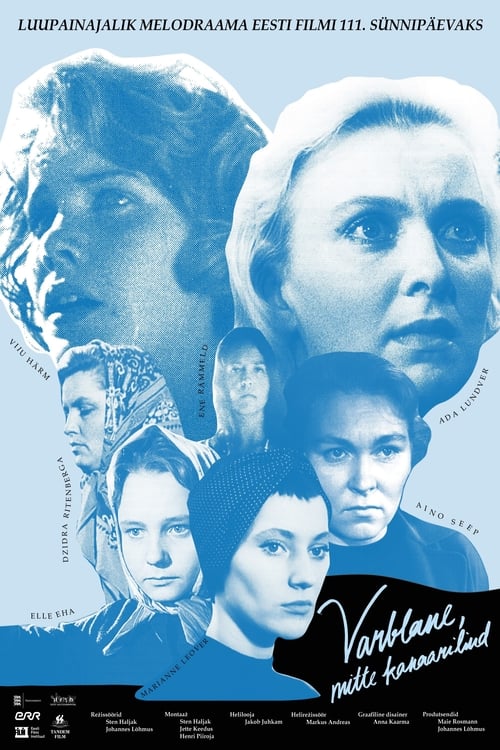
A housewife confronts situations to which no sane response exists... “Madwomen: To Be a Sparrow Not a Canary” is an experimental found footage melodrama composed entirely out of film footage shot in Soviet Estonia from 1960 until 1969. An experimental collage creating an alternative narrative to the storylines in the animations, documentaries and feature films of that time period.