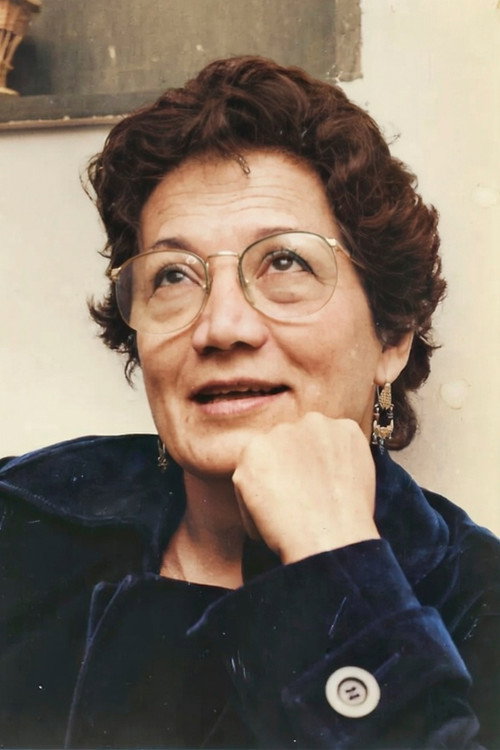
María Barea
Directing
Biography
María Barea began her career as a film producer in the 1970s alongside Cusco filmmaker Luis Figueroa and Bolivian Jorge Sanjinés, from whom she learned the craft. In the same decade, she and Figueroa founded Pukara Cine, a production company that produced films such as *Los Perros Hambrientos* (1976) and *Yawar Fiesta* (1979). In 1982, she co-founded Grupo Chaski with Stefan Kaspar, Alejandro Legaspi, Fernando Barreto, and Fernando Espinoza. Later, together with Micha Torres, she founded Warmi Cine y Video, the first collective of women filmmakers in Peru. Her films, which blend documentary and fiction, reflect her commitment to and the connection she has cultivated with women from grassroots organizations, domestic workers, peasant women, and factory workers. His audiovisual work began to be preserved in 2022 thanks to the Elías Querejeta Zine Eskola (San Sebastián) and the encouragement of the National Competition of Audiovisual Preservation Projects-DAFO-Ministry of Culture of Peru.
Known For
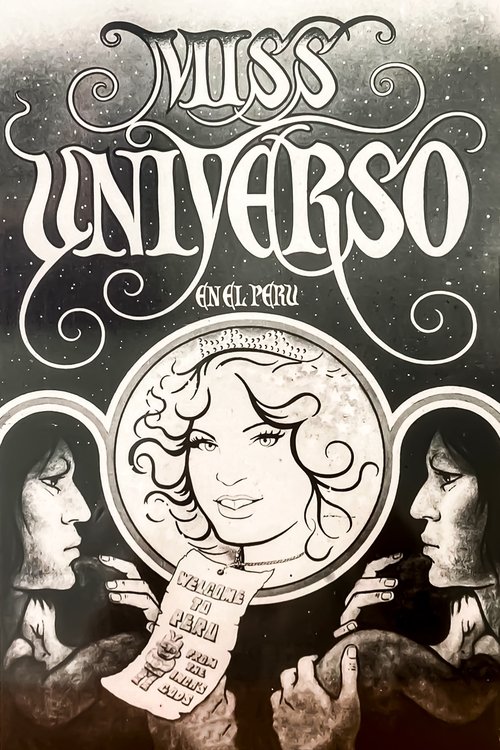
A documentary which shows the struggle of many women surrounding the Miss Universe 1982 pageant hosted by Peru. The government invested a large sum of money in this event, during a time the country suffered an acute political, economic and social crisis. On the other hand, we can appreciate the denigrating use of the women's image in publicity.
Miss Universe in Peru
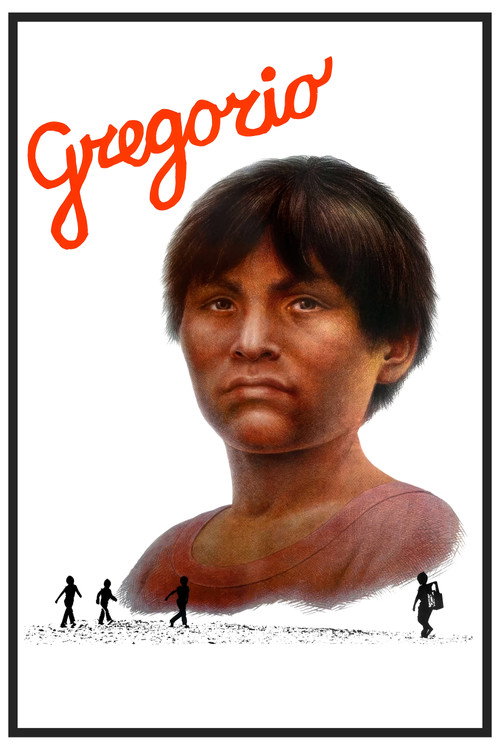
Gregorio, a boy from the impoverished countryside of Peru emigrates to Lima, the capital city. Experiencing a cultural shock due to the chaotic nature of the city, he must challenge himself to learn Spanish, since his native tongue is Quechua, and survive in this whole prejudiced new world. A hostile world for poor immigrants.
Gregorio
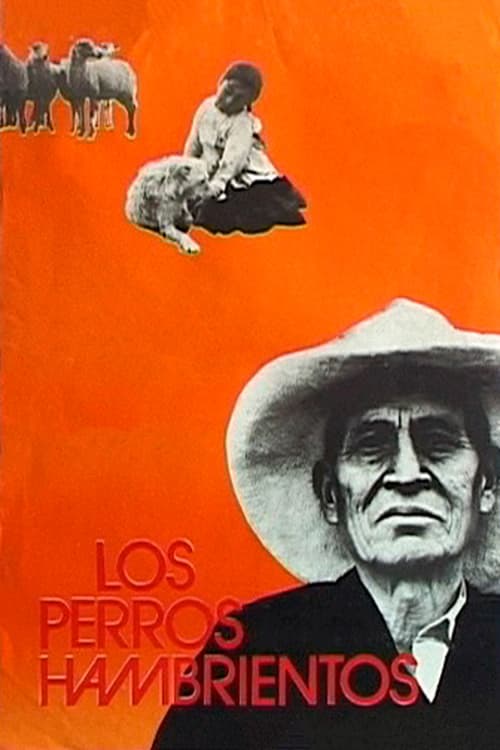
Based on the eponymous novel by Ciro Alegría. An indigenous community living their day-to-day and their relationship with nature. They can be reimagined as hungry dogs.
Hungry Dogs
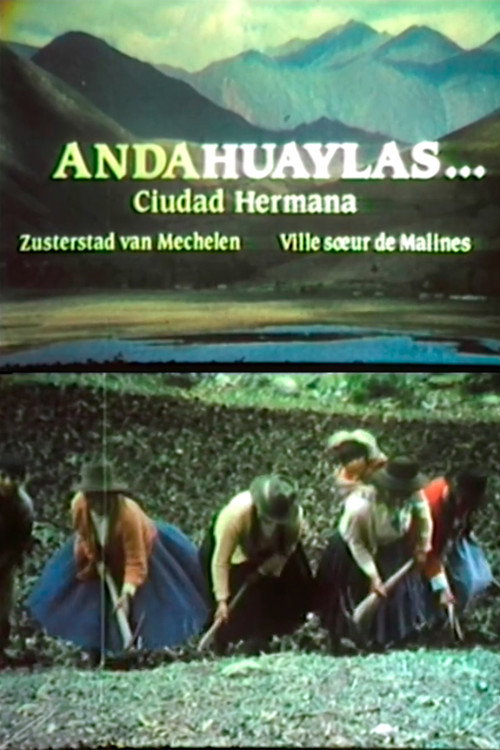
The José María Arguedas Theatre Group of Andahuaylas brings scenes of daily life to rural schools in this territory with the intention of reflecting on rural reality and thinking together about the education that is desired.
Andahuaylas, Ciudad Hermana
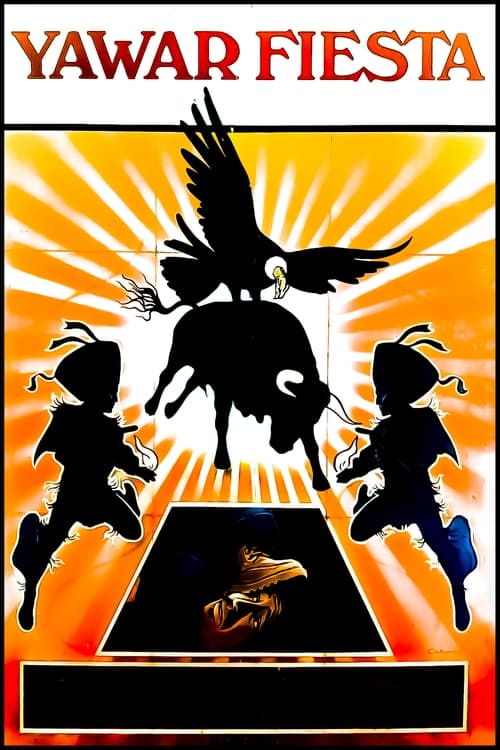
An indigenous tradition in the highlands of Peru where three key players take part: a wild condor, a raging bull and brave young men.
Yawar fiesta: Fiesta de sangre
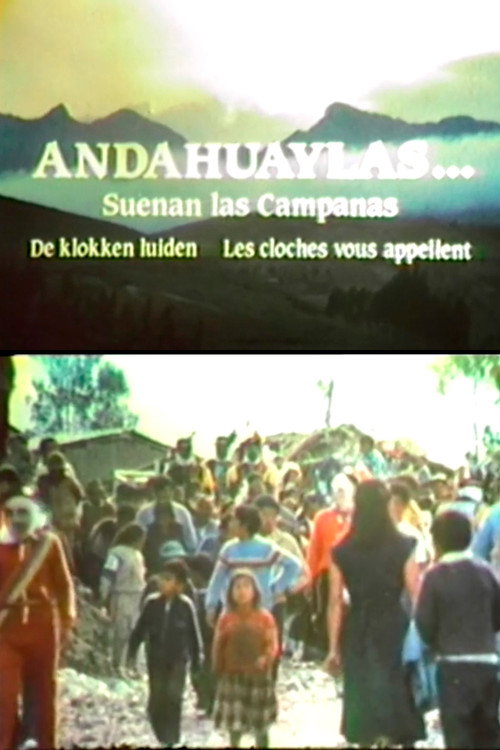
A look at the history of Andahuaylas in which historical reflection is mixed with the memory and feelings of its inhabitants.
Andahuaylas, Suenan las Campanas
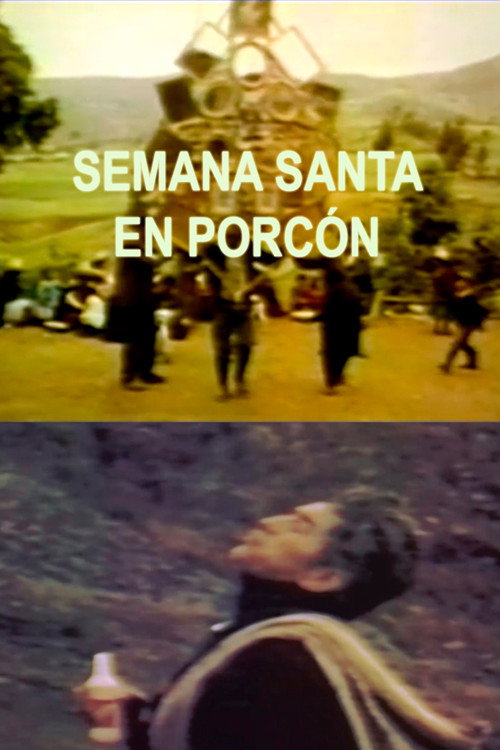
Holy Week in the community of Porcón de Cajamarca is one of the manifestations that reflect the religious syncretism and magic inherent to the Andean being.
Semana Santa en Porcón
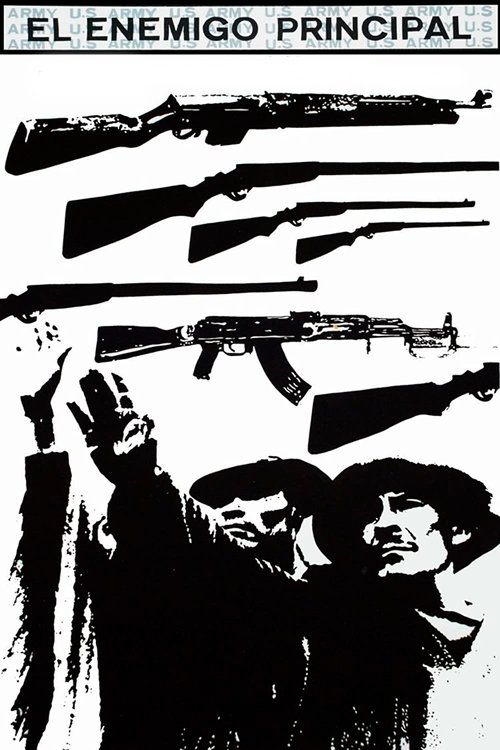
In the remote Andean highlands of Peru, a tight-knit indigenous peasant community has endured generations of brutal exploitation by local landowners. When a shocking act of violence exposes the complete failure of the official justice system to protect them, the villagers’ simmering anger pushes them toward a crossroads.
The Principal Enemy
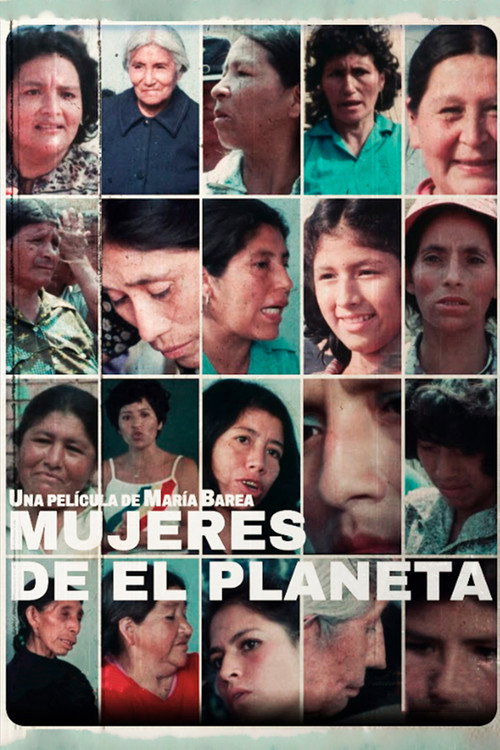
Through the testimony of community leader Rosa Dueñas, the film reveals the organizational dynamics of the women of the El Planeta settlement, located on the left bank of the Rímac River in Lima. Rosa, like the other women of El Planeta, is a migrant from Ancash, and we follow her in her organizing activities alongside the women of her neighborhood as they fight for fundamental human rights, such as access to healthcare, food, decent housing, and education.
Mujeres de El Planeta
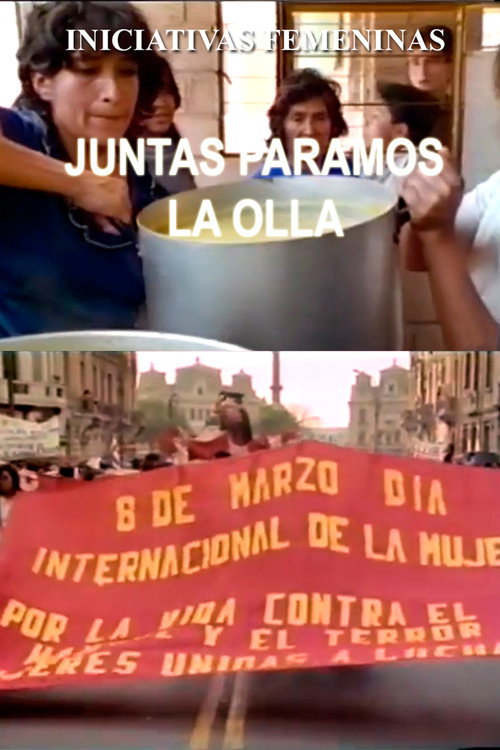
Ten years after making Women of the Planet, María Barea's film portrays Rosa Dueñas's leadership in the women's grassroots organizing movement in community kitchens, this time as a councilwoman for the Municipality of Lima. The film reflects on the struggle of working-class women in Lima to organize themselves for their livelihood, their autonomy, and to fight against sexism.
Juntas Paramos la Olla
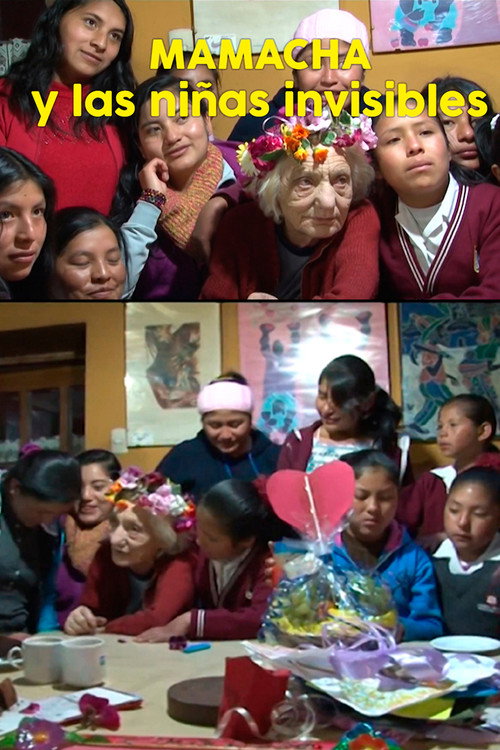
Victoria Savio came to Peru from Italy to work for the rights of organized domestic workers. Victoria stayed in Peru and continued her life's mission in Cusco, founding Yanapanakusun, a house that promotes the holistic development of domestic workers in Cusco. Victoria's birthday is approaching, and the young workers at Yanapanakusun want to celebrate their Mamacha Victoria.
Mamacha y las Niñas Invisibles
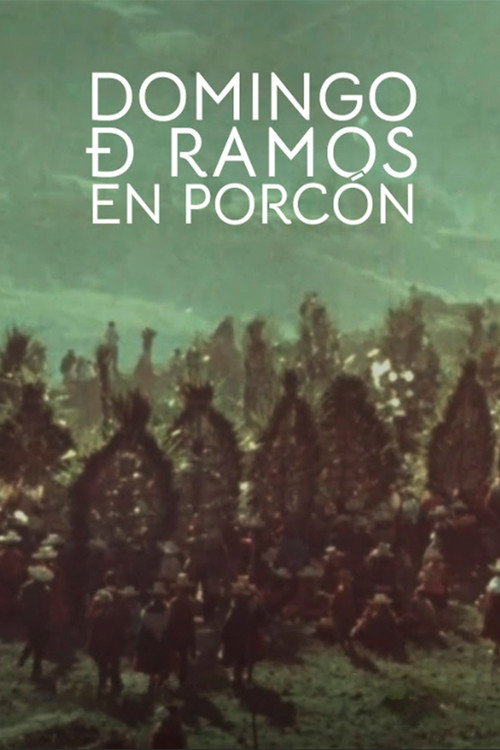
No description available.
Domingo de Ramos en Porcón
Regarding the first state-sponsored peasant congress
Si Esas Puertas No Se Abren
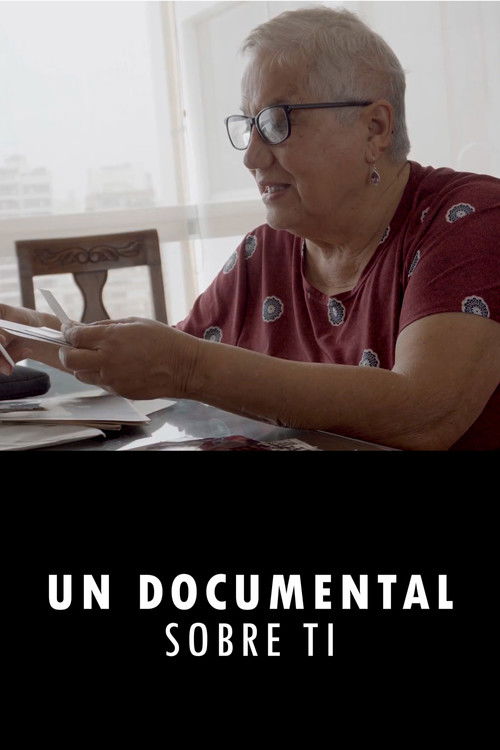
"Un documental sobre ti" is a compilation of the cinematic life of Marita Barea, a Peruvian film producer and director. Through her story, Bernaola seeks to expose certain social inequalities that still exist today and have remained unchanged for years. This documentary is a tribute to Marita, highlighting her arduous work despite the challenging context for women in the film industry.
Un documental sobre ti

Antuca, a young Andean “domestic worker”, has decided to fulfill a dream, return to her community and re-find her adolescent love after passing through Lima.
Antuca
Documentary about the construction of houses with mud and bamboo in Piura and its history since its use by the Tallanes, ancient pre-Hispanic inhabitants of the region.
Barro y Bambú
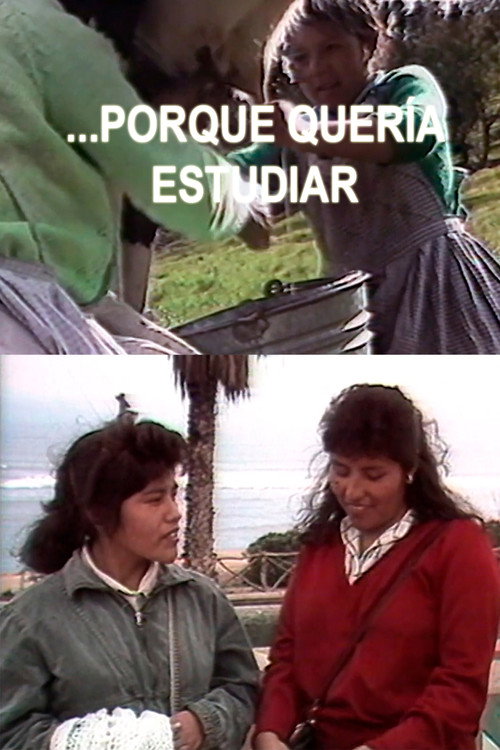
Testimonial documentary from 1989 that portrays the harsh reality of hundreds of migrant girls and young women who must travel to the city in search of work as domestic workers
Because I Wanted To Study
This documentary was censored by COPROCI (the Film Promotion Commission) of Juan Velasco's government, which argued that it presented a savage view of peasants reenacting a ritual battle to maintain the fertility of the land in the Chiaraje plains (4,700 meters above sea level), in the province of Canas. The production company, without the filmmaker's permission, converted the film into a series of short films; however, a 35mm copy still exists.
Chiaraje, Batalla Ritual
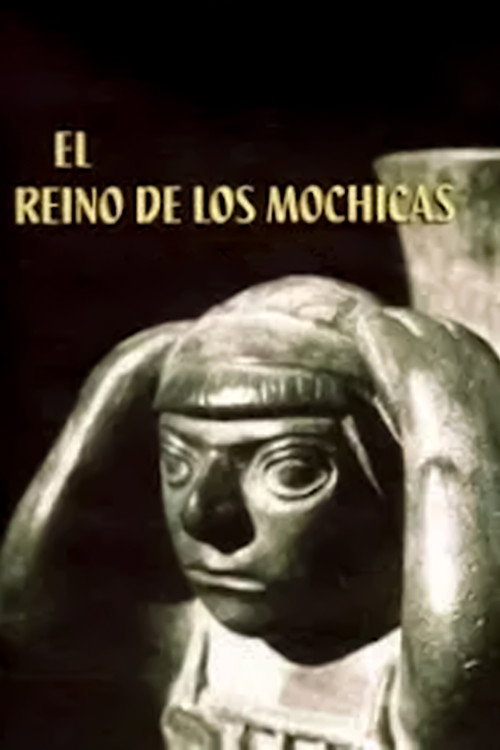
During the course of our era, a major pre-Hispanic civilization, now called the Moche, developed on the northern coast of Peru, flourishing as the Roman Empire declined, a thousand years before the Inca civilization emerged. The film reconstructs the various aspects of the social and romantic life of the Moche people, based on their rich pottery.
El Reino de los Mochicas
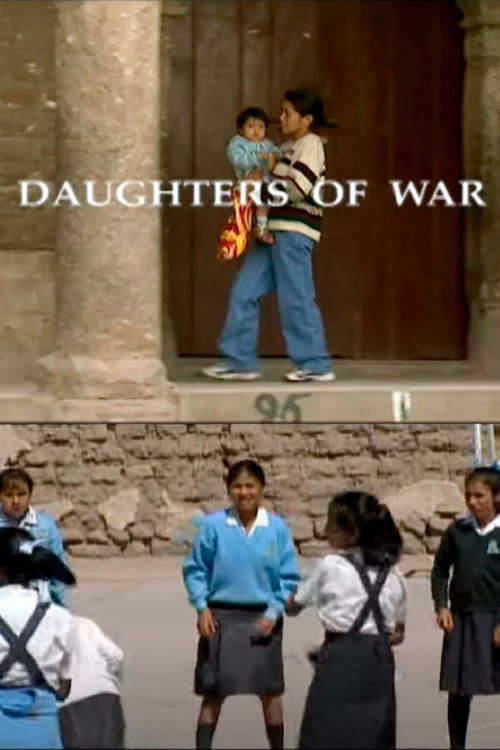
The story of a girl born in the time of the Shining Path, whose personal development was marked by the violence of the social context in which she had to learn to fend for herself, and to take responsibility for her daughter's life