Paula Chávez López
Sound
Known For
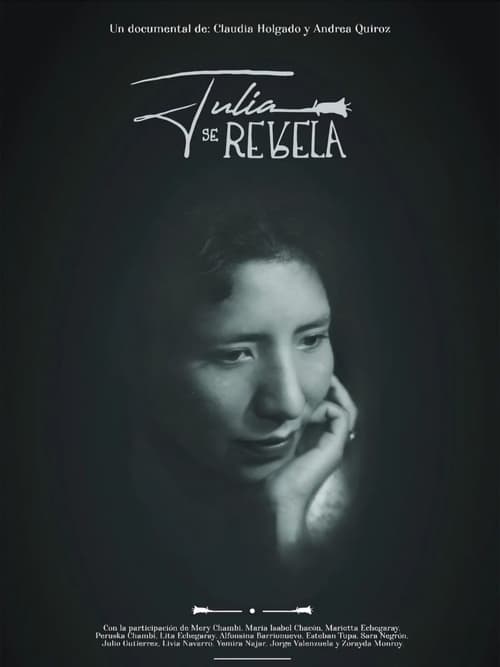
When Claudia reviews the photographs and objects of Julia Chambi, her great aunt, she begins a journey into the past, reliving the footsteps of who can be considered the first Andean and Peruvian woman photographer. Julia, daughter, sister, woman, artist, photographer, politician and lover of Cusco reveals herself in every story, place or person that remembers her.
Julia se revela
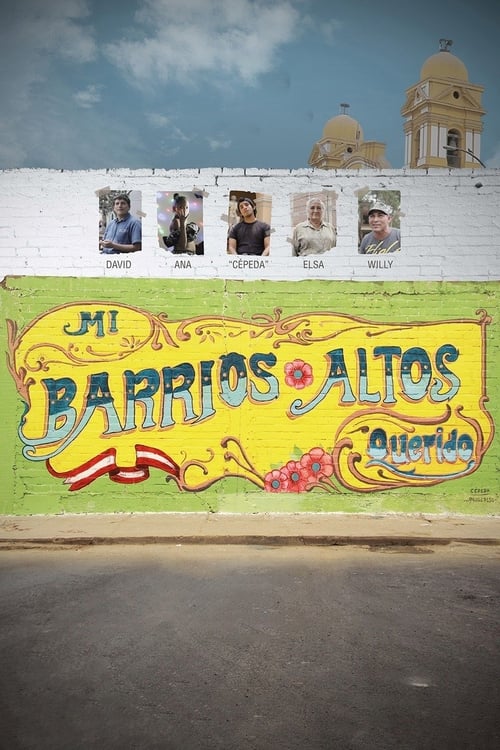
Five stories about dignity in the capital of Peru. A local leader looking for someone to leave the post of her complex work, a tourist guide who is a patron of the architectural heritage and Creole music, an ex-delinquent rescued by the Evangelical Church, a teenage dancer of Afro-Peruvian music forced to emigrate and a muralist of Bellas Artes son of Andean migrants, they try to get ahead in Barrios Altos, the most feared – but also most beloved – historic neighborhood of Lima.
Mi Barrios Altos querido
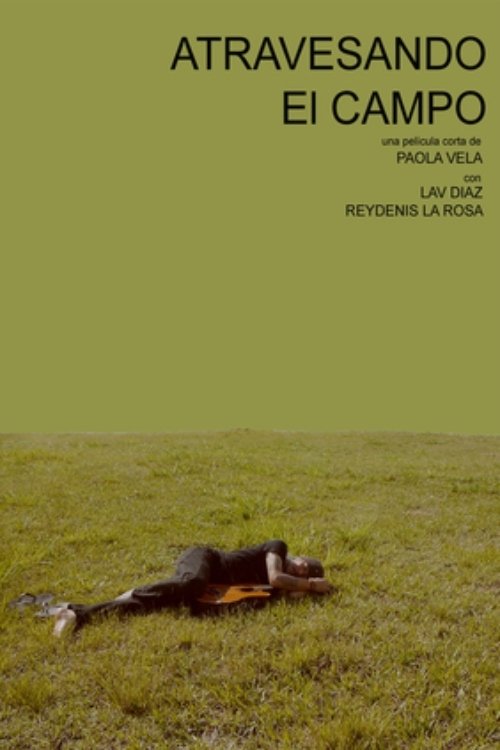
A dreamer with a calm and minstrel attitude lays on the grass, recites a poem and makes an offer to a tree. Is he dreaming, or is he a part of a dream? A contemporary peasant dress in a nostalgic revolution’s uniform, goes with his work routine in the countryside, takes care of the cows and thinks about the meaning of death and dream. The real documents and fiction blends into the path of the characters in a rural area in Cuba, and becomes a metaphor of an island inside another island or a dream inside another dream.
Atravesando el campo
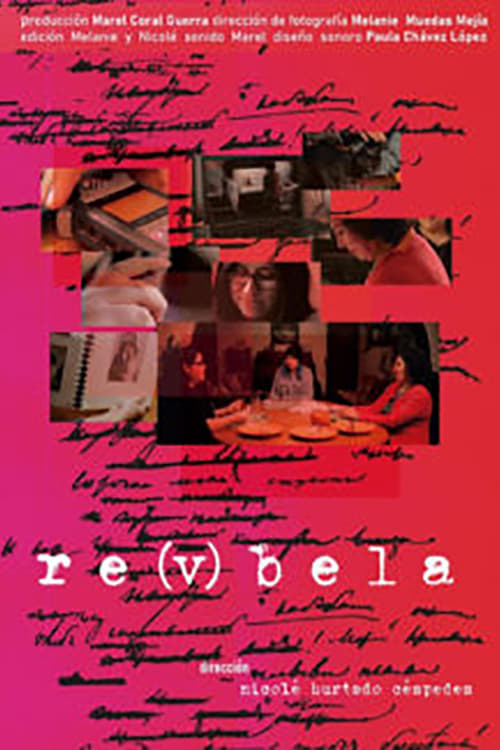
Three filmmakers recorded three women from different generations that they met through their virtual testimonies where they revealed personal experiences of violence. Although they do not know each other, they contrast their reflections, similarities, frustrations and differences about growing up as a woman in a context shaken by gender gaps.
Re(v)bela
No description available.
Apaisado
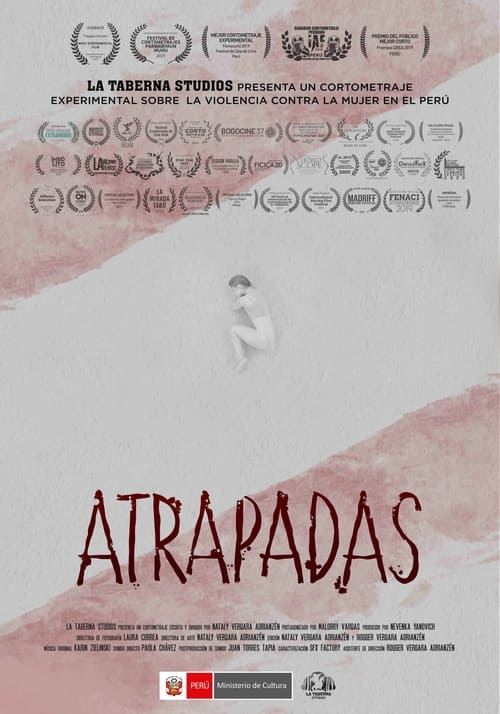
A woman is born into a white world full of light. She explores the world dancing, but she is beaten, raped, and murdered by a violent reality. The woman ends up dead in the middle of two strips made with her blood and that shape the Peruvian flag
Trapped woman
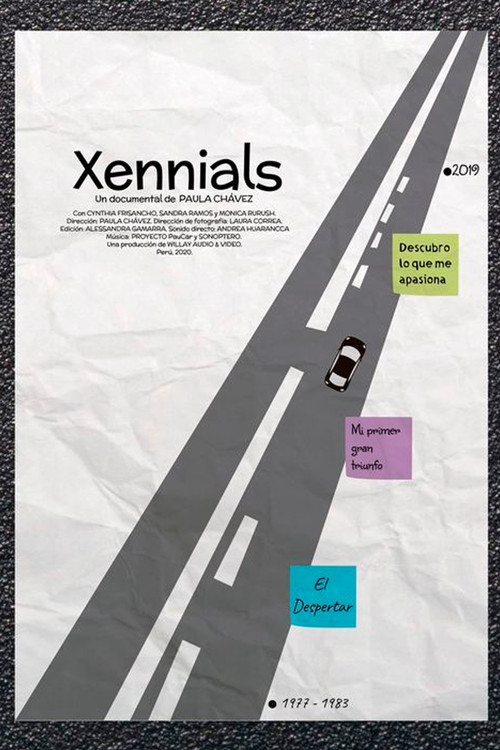
Ethnographic documentary about how women of the Xennial micro-generation, born between 1977-1983, from the middle class in Lima, perceive and experience their time.