Directing
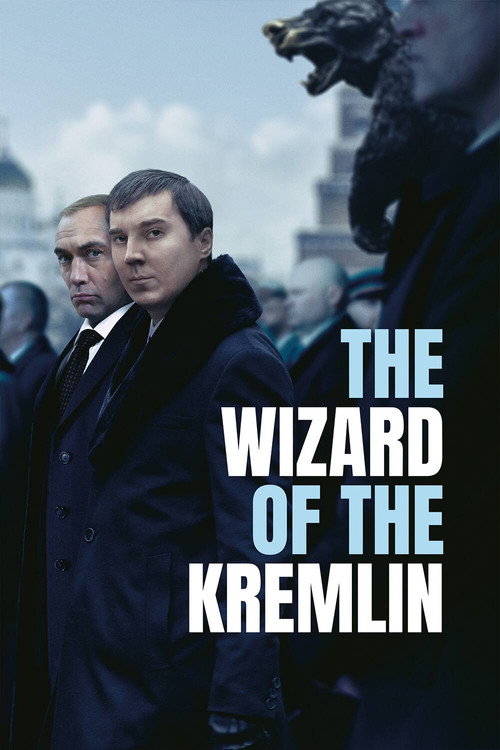
In the chaos of post-Soviet Russia, rising KGB officer Vladimir Putin joins forces with master manipulator Vadim Baranov to reshape life behind the Iron Curtain, using violence and deception to change the world forever.
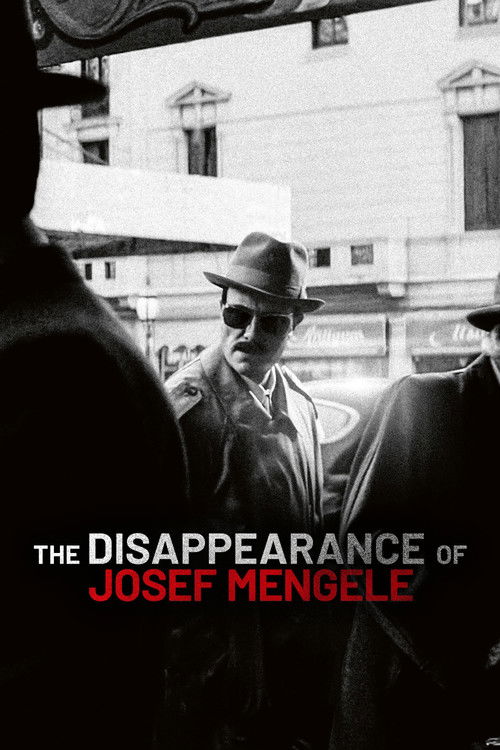
In the aftermath of the Second World War, Josef Mengele, the Nazi doctor at Auschwitz, escapes to South America to rebuild his life in hiding. Through the eyes of his son who finds him again, Mengele is confronted with a past he can no longer ignore. From Buenos Aires to Paraguay via Brazil, the man who became known as “The Angel of Death” will organize his methodical disappearance to avoid any form of trial.
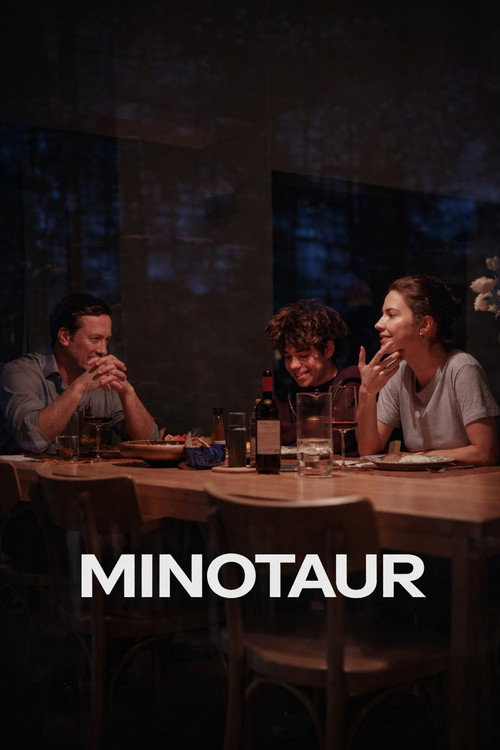
When Gleb, a successful company director, finds himself under siege from mounting corporate pressures, an increasingly unstable world, and the discovery of his wife's affair, the collapse of his carefully ordered life accelerates toward violence.
Plagued by an abusive childhood, a woman finds escape in competitive swimming, sexual experimentation, toxic relationships, and addiction before ultimately finding her voice through writing.
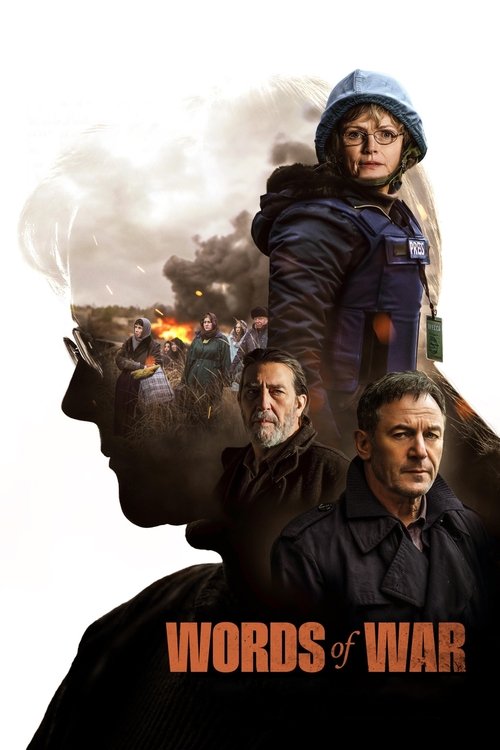
World-renowned journalist and human rights activist Anna Politkovskaya went from being a local print journalist to braving the Chechen killing fields and exposing Russian state corruption under Vladimir Putin. She refused to give up reporting on the war in Chechnya despite numerous acts of intimidation and violence, including being poisoned. She was ultimately murdered in the elevator of her block of flats and it remains unclear who paid for the contract killing.
A drama about the national resistance movement in Latvia after the Soviet occupation. Events take place in 1949 when the British intelligence service MI6 tries to find out about the situation in the Baltic States occupied by the Soviet Union. Wittold (Jekabs Reinis), together with other Latvians, works hard in his daily work, and Velta (Agnese Cirule) is a nurse. They dream of going to the United States, saving money, planning a wedding and arranging the necessary documents because the US carefully selects emigrants. But Wittold decides to take part in the Mission, and the hope of changing history changes his life.
During the Soviet time, choosing the fate of a rock musician was similar to being a dissident.
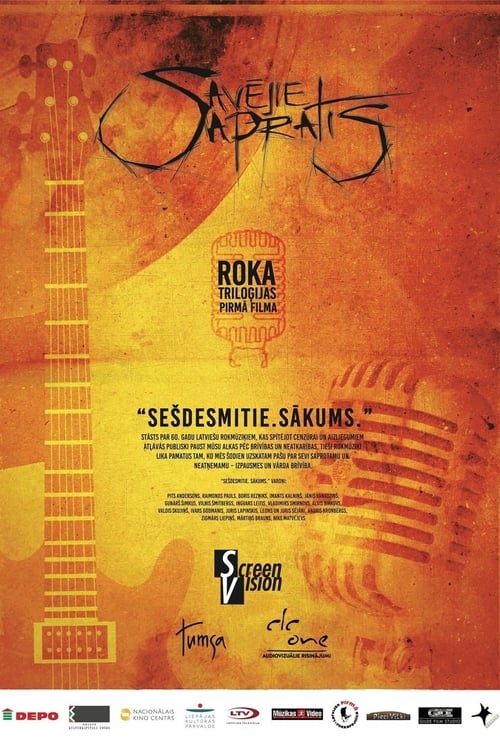
Choosing the fate of a rock musician was similar to being a dissident. From the 60s, the Soviet Union tried to discourage and restrict the expansion of rock music by any means. They called it the “rotten fruit of degraded capitalism, demoralizing the minds of Soviet youth”. Despite that, rock music broke the wall – made a hole in the Iron Curtain – and gained the hearts and minds of tens of thousands of young people.Rock musicians were on the frontline of the rebellion against the Soviet regime. Despite censorship, they managed to deliver, in a hidden, roundabout way through lyrics and music, the spirit of nonconformity and freedom of choice to their audience. A film about Latvian and Soviet rock pioneers, their lives and destinies.
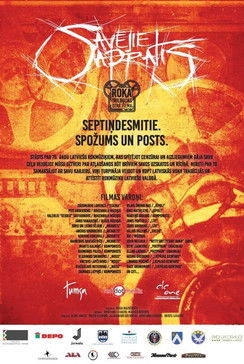
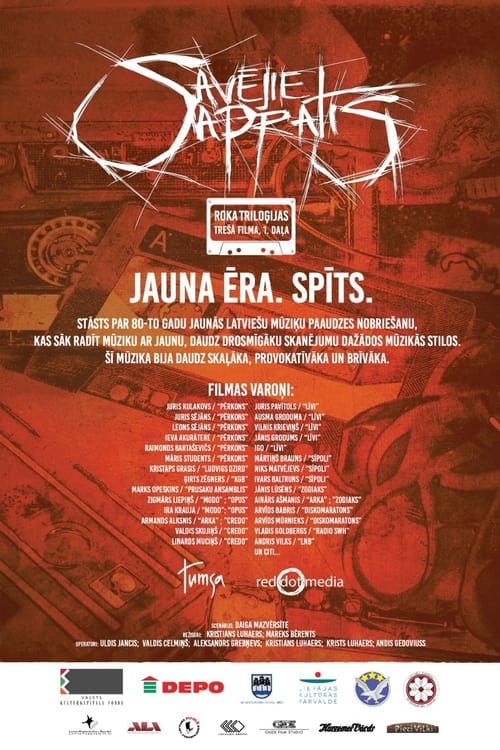
The 1980s in music were marked by the maturation of the 1970s generation of musicians and the emergence of new rock bands in Latvia – Pērkons, Jumprava, Zodiaks, Dzeltenie pastnieki, and Zig Zag. Through their lyrics and later in more direct texts, the bands expressed their views on current issues of the time, such as freedom, independence, and occupation. Party officials did not like this very much, but they were no longer able to stop the process. The Singing Revolution had begun.