Acting
No description available.
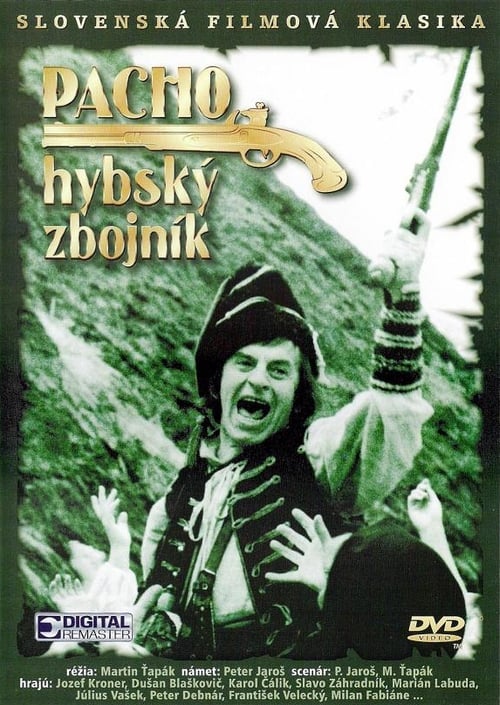
A funny outlaw tale inspired by traditional folk humour. Pacho is no ordinary outlaw. He detests injustice and feudal oppression and he copes with each troublesome situation with the help of his cleverness and wit.
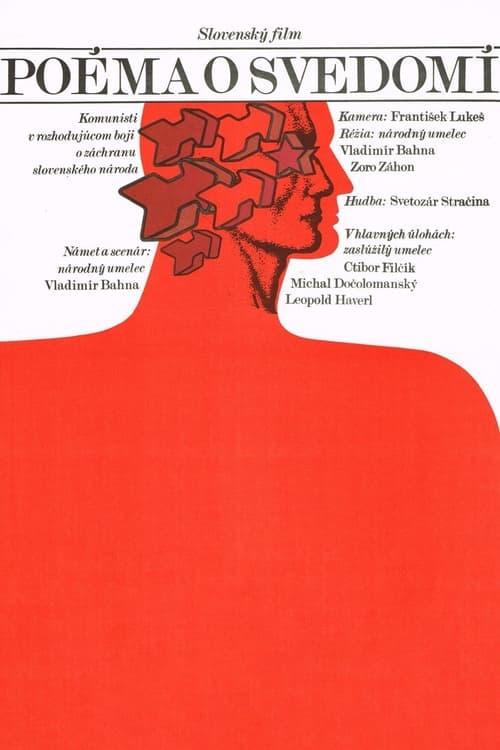
Historical reconstruction of the events of the anti-fascist struggle in Slovakia in 1943 and 1944.
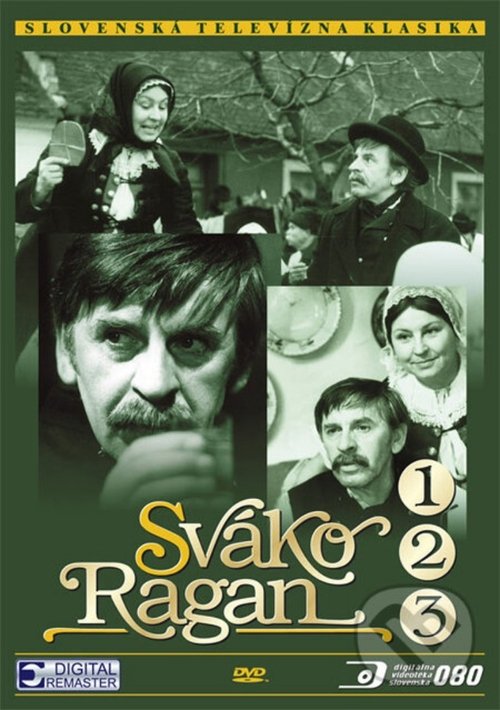
Resourceful tanner Sváko Ragan travels Myjava’s fairs and markets, using wit and dialect to spin both wins and misadventures into profit.
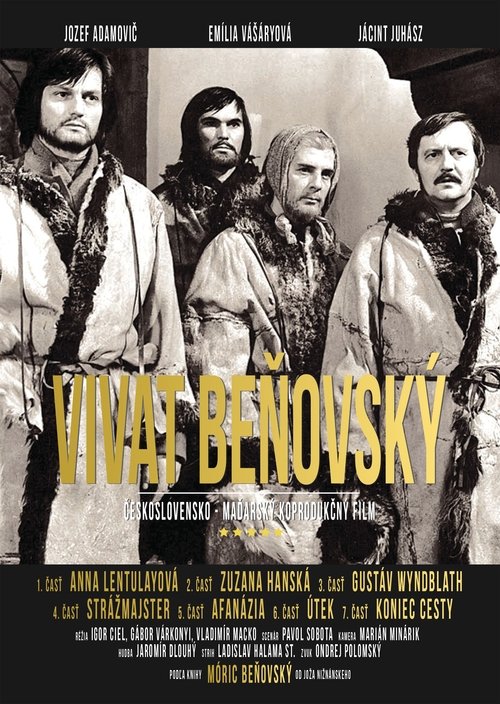
The plot takes place in the revolutionary year of 1848. It takes us to Príbelice, where Janko Kráľ returns from Pest after the March Revolution, to acquaint the Slovak people with the famous Twelve Points, together with his friend, teacher Ján Rotarides. They were voted on at the last Hungarian Diet in Bratislava with the promise of freedom and equality for Slovaks.
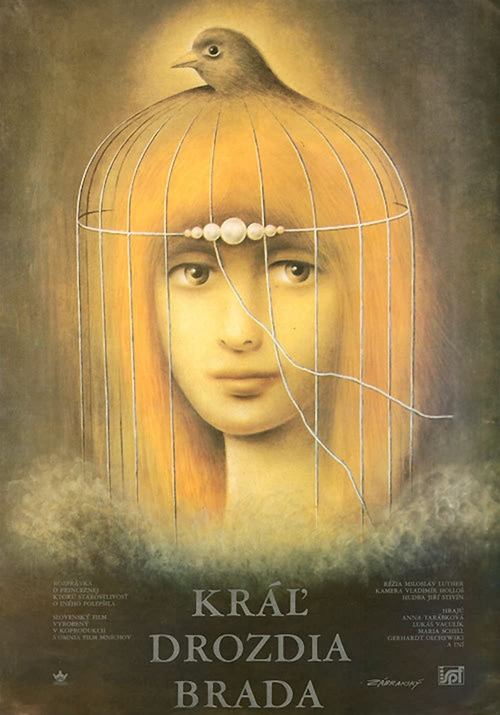
When a selfless king learns of a beautiful princess in a neighboring kingdom who callously turns down every suitor with an insult, he tries his luck to no avail. So, he hatches a plot with her father in which the princess is married to him, in disguise as a beggar, so he can teach her lessons about humility and compassion.
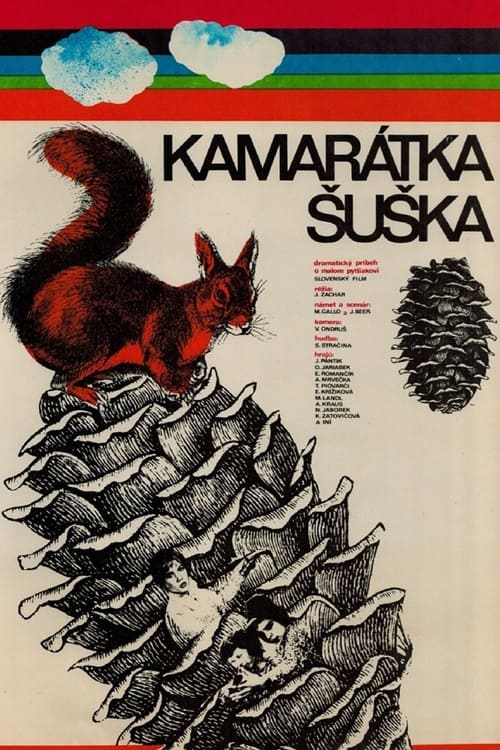
A story about three young boys who are best friends and together are trying to fight a poacher in the forest close to their village.
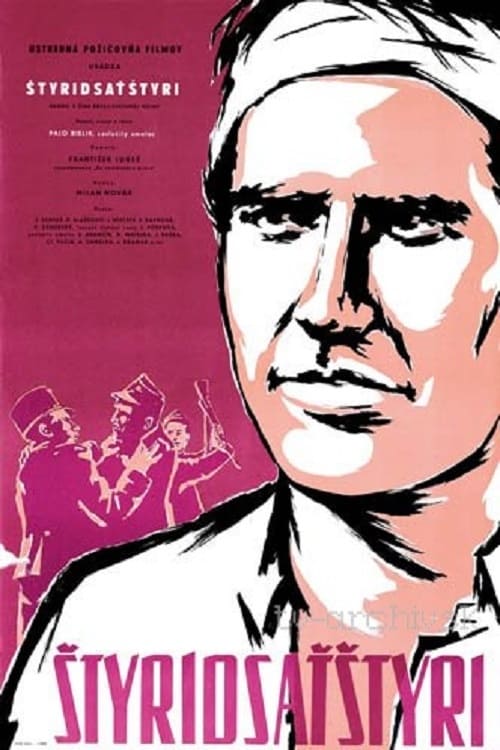
Drama about the rebellion of the Trencín Infantry Regiment against its superior officers in the Serbian city of Kragujevac, at the end of the First World War. It was the biggest and deadliest rebellion in the Austro-Hungarian army.
A psychological story of a young printing house leader and his subordinates and a "dangerous contract from the West".
A film based on short stories by K. Przerwu-Tetmajer's Grey Eyes and M. Urban's Melted Heart. The heroines of both stories are young women with the same name - Kristka. They fight for their love, they both love with humility and surrender, but when necessary, they can be decisive and uncompromising. One is cruel in her love, the other fights for it with touching tenderness and kindness. These are not idyllic loves; they are full of life, full of raging blood...
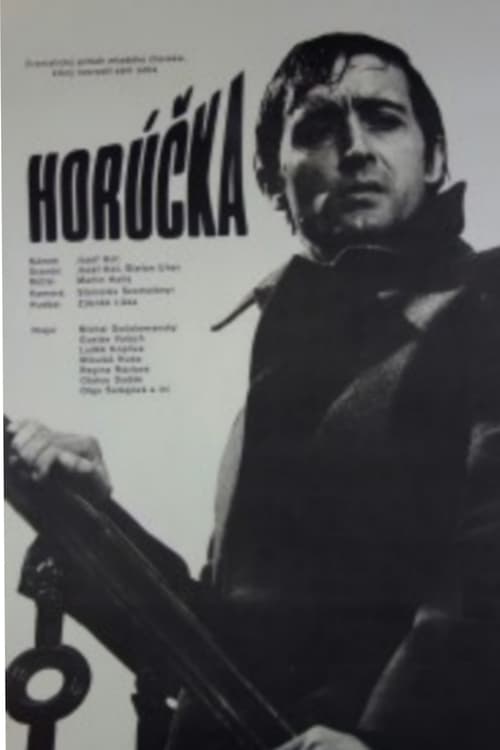
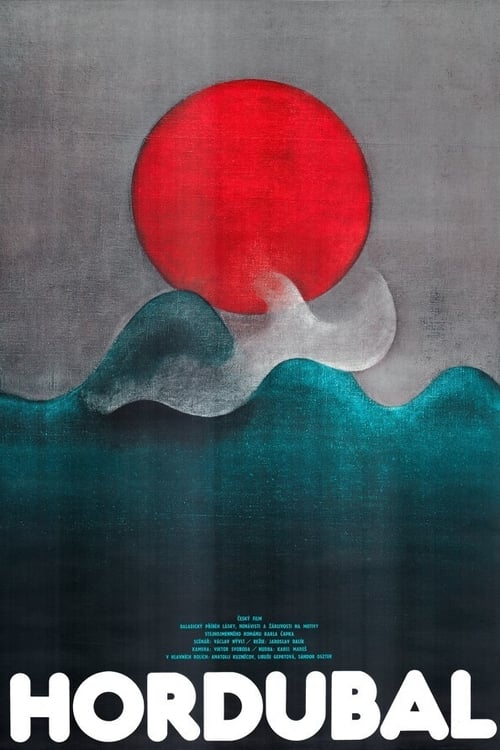
After five years of hard work in America Juraj Hordubal (Anatoliy Kuznetsov) returns back home. He is looking forward to his wife Polana (Libuse Geprtová) and his little daughter Hafie. The family and the village welcome him with hesitation. Everybody believed that Juraj died in America because Polana stopped receiving money from him already two years ago. Polana's farm was prospering first of all thanks to the young stable boy Stepán (Sándor Oszter). Men in the pub first indicate and then say to Juraj directly that Polana has been unfaithful to him with Stepán.
Zypa Cupak - with this strangely distorted name, the arduous journey of father Ďur to his nephew's wedding in Belgrade begins. After all, not understanding a foreign language can mean great difficulties and many misunderstandings. And although father Ďur is helped everywhere to reach his destination, he cannot avoid problematic situations.
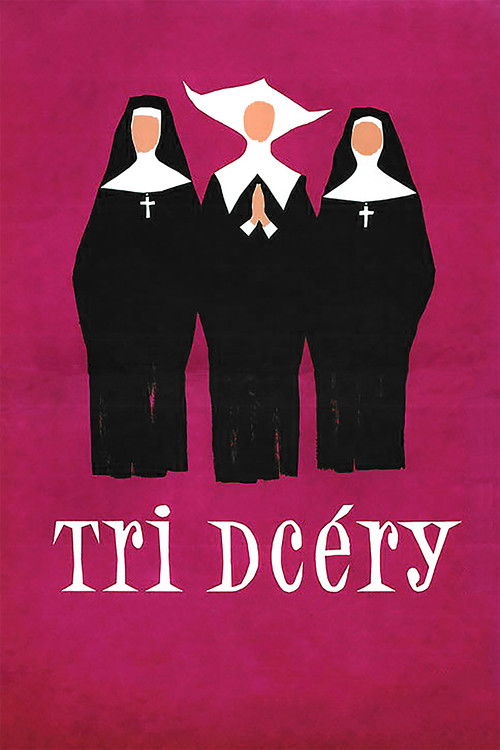
A classical ballad motif about an aging father and his three daughters is quite unusually here set against the backdrop of Czechoslovakia of the 1950s. After having been expropriated, the former landowner Majda seeks refuge with his three daughters whom he had sent to a convent a long time ago. But only the youngest one is able to forgive him and she is willing to take care of him despite the threat of expulsion from the order.
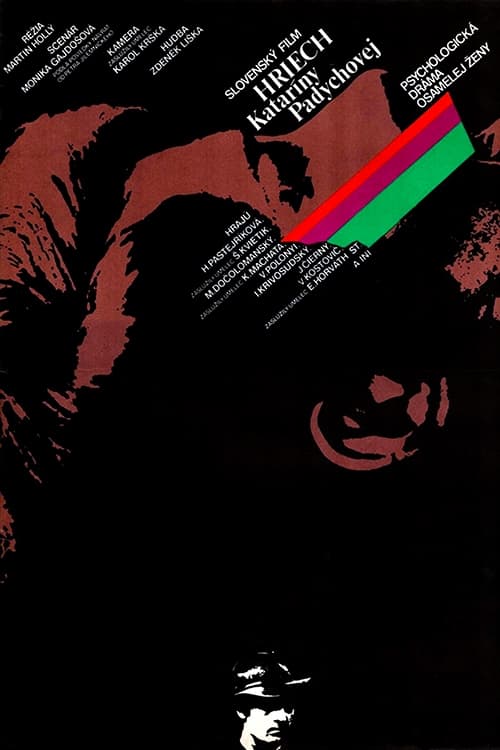
Štefan Padych loses a lawsuit against Šulgan, a local innkeeper to whom he owes money. Not wanting his wife and three-year-old daughter to starve, he decides to leave for France. However, after his departure, his wife Katarína Padych commits infidelity and becomes pregnant...
Slovakian villagers towards the end of WW II are despairing as German troops fall back to their village.
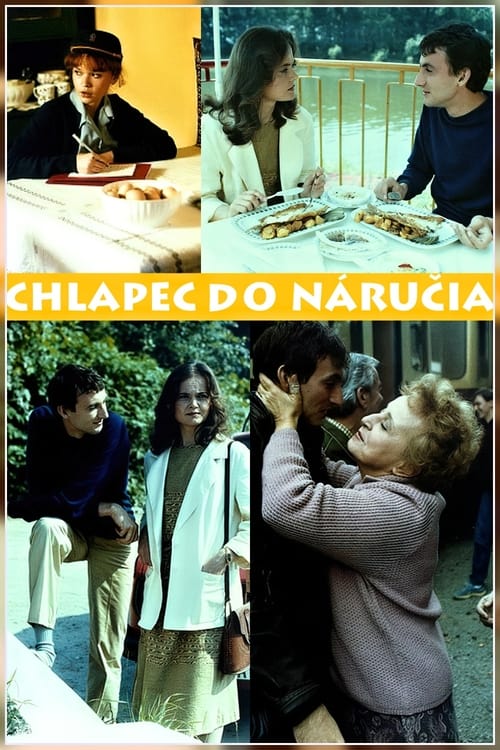
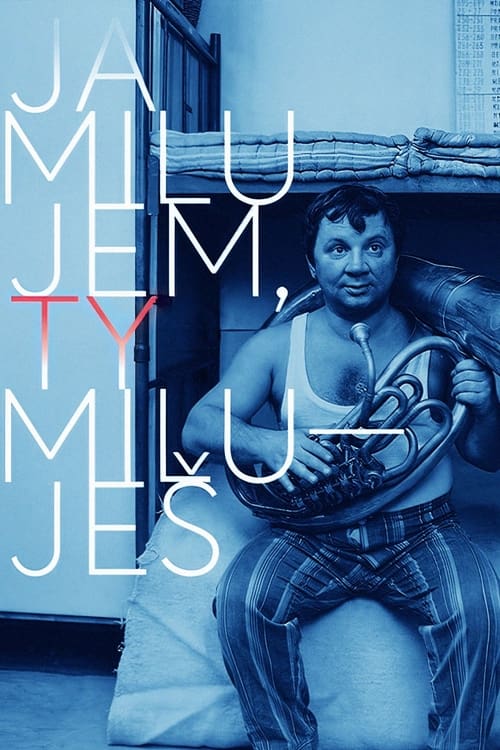
The drama called I Love, You Love was made in 1980 but because of the absurd ideological ban, the film entered cinemas nine years later. Pišta is an unmarried man who works at a freight wagon which carries letters and parcels. Alcohol helps him to overcome his handicap of being short and not good-looking. He wishes he had a woman, but the woman he really wants, ageing Viera who reloads the cargoes, has a soft spot for another man. So, Pišta has nobody and nothing, except for senile mother who sometimes fails to recognize him. The film received Silver Bear for Best Director at the International Film Festival in Berlin.