Acting
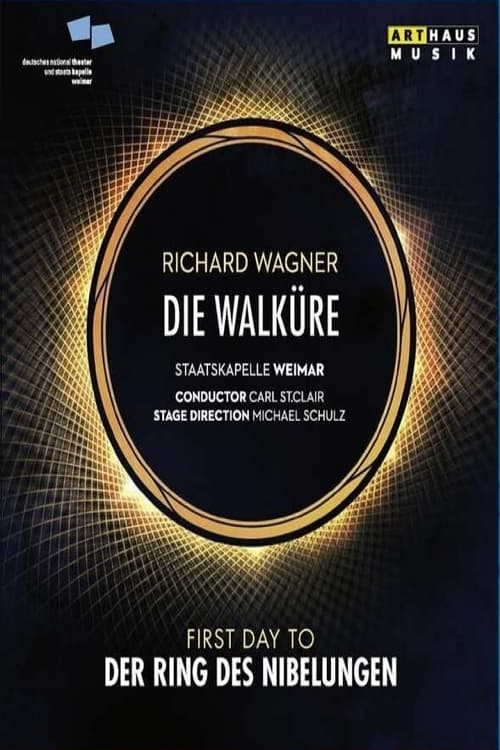
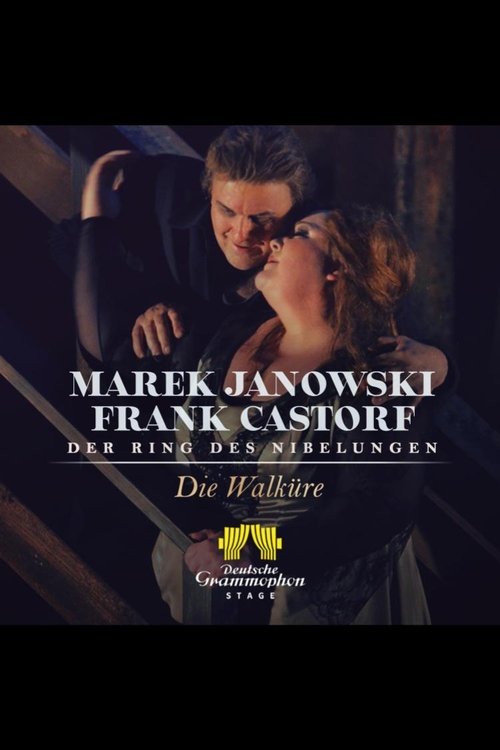
The Ring in Weimar enters the second round as a family saga, political thriller and search for myths. From children who plunged in the Rhine gold into a gruesomely beautiful world of norns, mermaids, dwarves, giants and gods, in "The Valkyrie" young men and women are caught up in the horrors of reality and the horror of war, whether in the family or on the battlefields, while trying to live their ideals. In "Das Rheingold" everything seemed to be palpable, the dream like the curse. In "Die Walküre" everyone and everything is under constant observation, a fascinating eye-play between great psychodrama and ancient tragedy. Siegmund and Sieglinde stir at the taboo, love is to be regulated by law and morality.
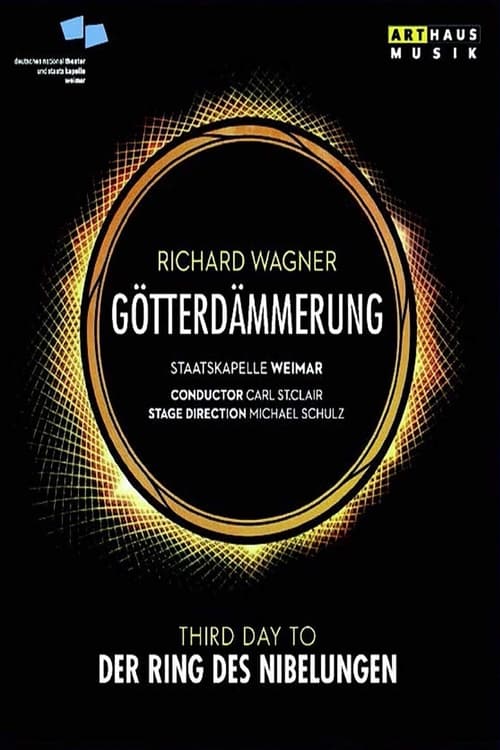
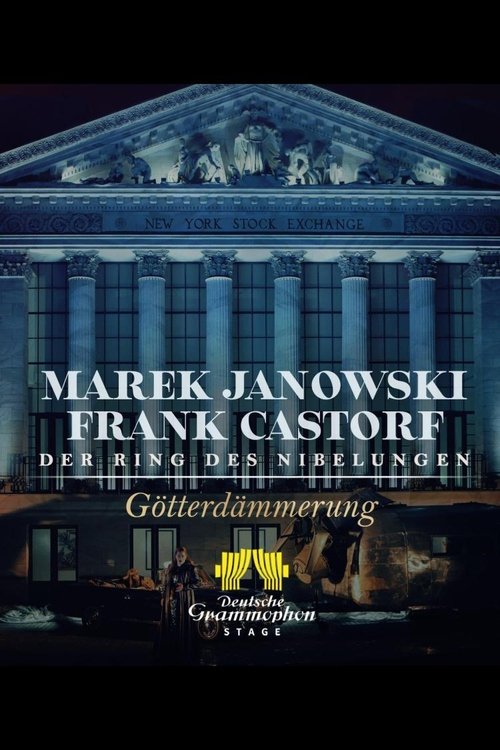
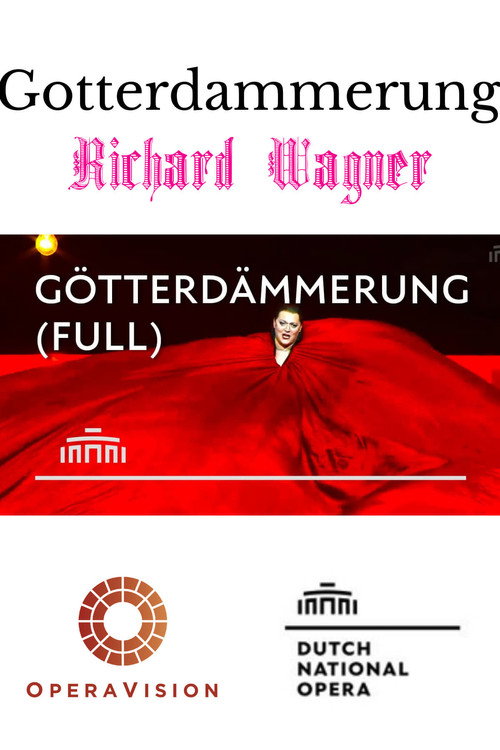
The Ring in Weimar enters its final round as a drama of hate, jealousy and betrayal. A dark e minor chord opens Richard Wagner's "Götterdämmerung" and creates a threatening atmosphere from the very first moment. The various leitmotifs and themes of the entire tetralogy are brought together in the "Götterdämmerung" to form a musical whole from which there is no escape
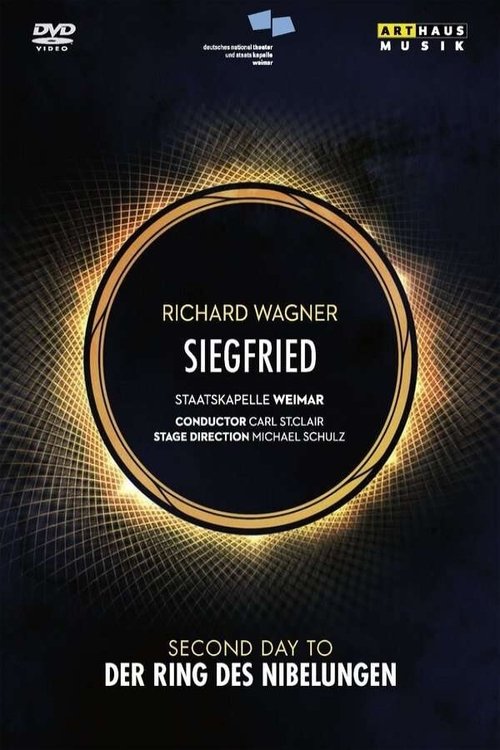
The Ring in Weimar enters its third round as a fairy tale of enlightenment and educational drama of a hero and antihero who seeks his origins and discovers his sexuality. What was meant to be a cheerful satyr play becomes a dream and trauma of re-encounters and voyages of discovery in breathtaking time lapse Wotan and Alberich can't let each other hate each other.
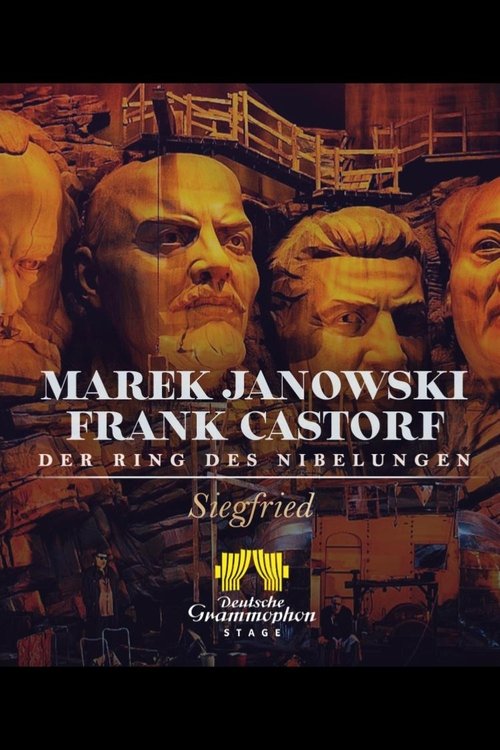
Frank Castorf's Ring makes a feature of unexpected settings and striking images, and here in Siegfried he shows the discussions between the young hero and his foster father Mime in Act I against a background featuring giant heads of Marx, Lenin, Stalin and Mao on a replica of Mount Rushmore. The typical mythical nature and forest world of the second act is replaced in this production by Berlin's Alexanderplatz. The Nothung sword is also replaced, in this production becoming a machine gun. While the direction elicited both approval and disapproval, the vocal performances received wide acclaim.
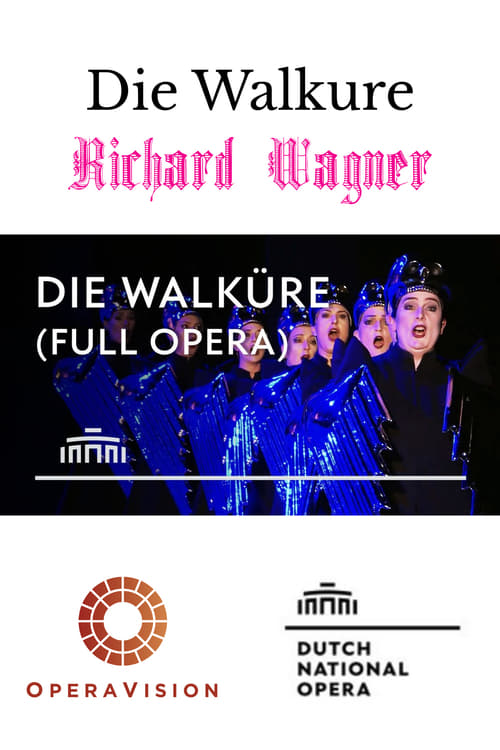
This is the Ring cycle of the Dutch National Opera, directed by Pierre Audi. Fleeing for his life, Siegmund seeks shelter at Sieglinde's house. Her husband Hunding happens to be one of Siegmund's pursuers, and the two of them must cross swords the next day. As Siegmund laments his lack of a weapon, Sieglinde directs him to the sword Nothung stuck in an ash tree. Despite discovering they are twin siblings, the two fall in love. The King of Gods Wotan, their father, sends his Valkyrie daughter Brünnhilde to aid Siegmund. Fricka protests, and Wotan uses his spear to break Siegmund's sword during the battle. Siegmund is slain, but Brünnhilde rescues both the sword fragments and Sieglinde who is pregnant with Siegmund's child Siegfried. Wotan is angry that she intervened, but since Brünnhilde is his favorite child, he merely strips her of immortality and sends her into an enchanted sleep, surrounded by fire.
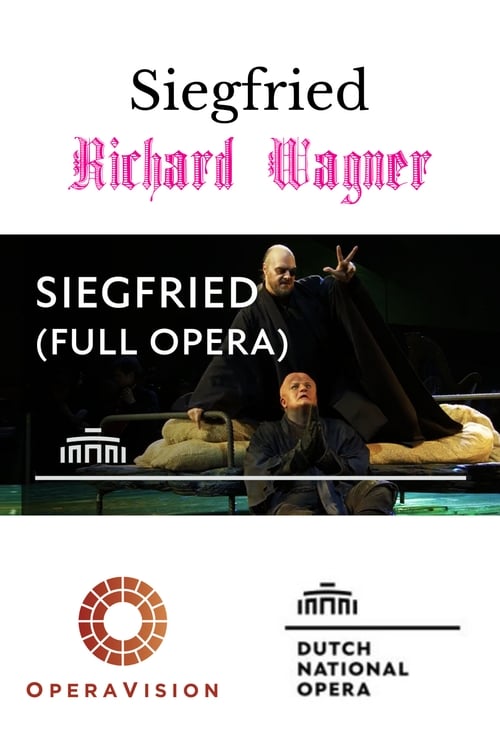
This is the Ring cycle of the Dutch National Opera, directed by Pierre Audi. Alberich's brother Mime raises the orphan Siegfried, hoping that Siegfried will kill Fafner and enable Mime to gain the ring. Mime attempts unsuccessfully to reforge the Nothung. Fulfilling prophecy, Siegfried reforges the sword himself and kills Fafner, who has the form of a dragon. When he accidentally tastes the dragon's blood spilt on his hands, Siegfried understands the song of a woodbird, who instructs him to take the Ring from Fafner. Reading Mime's thoughts of betrayal, Siegfried kills the dwarf as well. The woodbird also informs Siegfried of a mysterious woman asleep in the midst of fire, and Siegfried sets off to find her. After defeating a disguised Wotan and breaking his spear, Siegfried successfully awakes Brünnhilde, and the two fall in love.
The new Bayreuth production of the Ring Cycle that premiered in 2013 offered spectacular sets, courtesy of Aleksandar Denić. As is regularly the case in Frank Castorf's productions, live video recordings add an extra dimension and in this performance Die Walküre is set at the beginning in the 19th century and then moves ahead to the Stalin era. The geographic setting is Baku, Azerbaijan, so in addition to Wild West capitalism, Castorf also takes aim at Soviet communism. The leading roles are also strongly cast in this third revival of Castorf's production, with Christopher Ventris, Heidi Melton, Catherine Foster and John Lundgren.
"Oil is the equivalent of what used to be gold. A luxury that we cannot eat," explained director Frank Castorf in an interview, outlining one of the key ideas behind his production of the Ring at Bayreuth. In the final part of the tetralogy, the wild journey ventures to the Buna chemical plants in Schkopau and to New York's Wall Street, among other places. Inspired by the aesthetic of Hollywood B movies, the production was first met with disapproval but grew to gain many supporters over the years.
No description available.