Acting
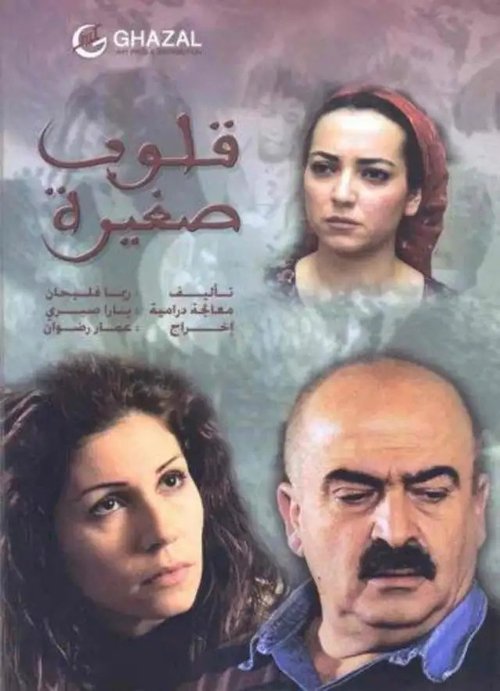
The series tackles a number of negative contemporary social phenomena, shedding light on the challenges encountered by young people, like violence against children, poverty, homelessness, begging, slave trade, motherhood, family disintegration, and honor crimes.
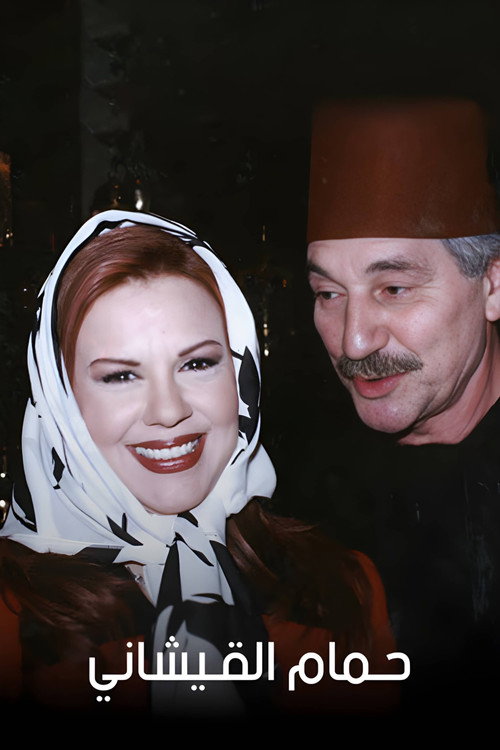
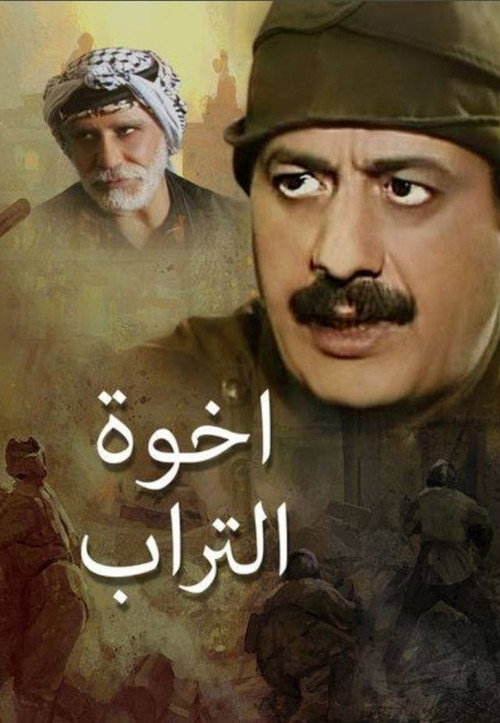
The series goes into details of the events that Syria went through between the years 1955-1959, including the tripartite aggression against Egypt in 1956, the establishment of unity between Syria and Egypt, and the revolution against the monarchy in Iraq, through the Qishani neighborhood, where its people work as merchants, lawyers, doctors, intellectuals and other works.
When an extremely wealthy family loses everything, the patriarch is forced to sell all his properties to pay off his debts to the merchants. He pushes his family to take on mundane tasks like washing carpets and cleaning vegetables to make ends meet.
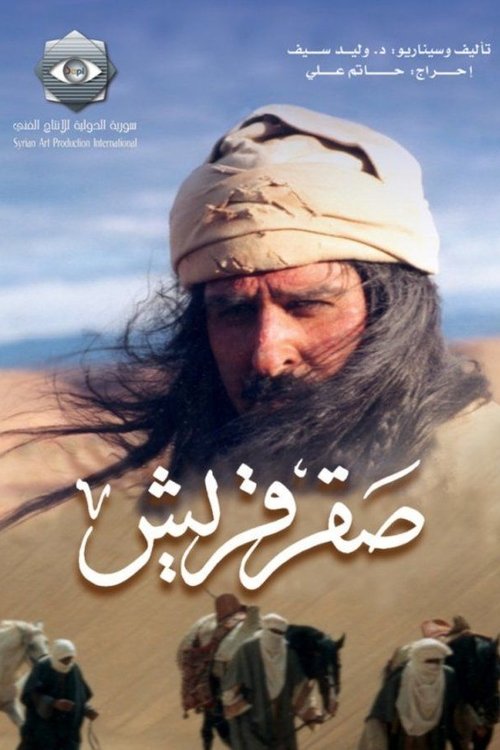
When the Abbasids overthrow the Umayyad Caliphate in Damascus, slaughtering nearly the entire dynasty, one young prince escapes — Abd al-Rahman. Hunted across deserts and seas, he eventually reaches the fringes of the Muslim world and, through sheer will and political genius, founds a new Umayyad emirate in Andalusia. Written by Walid Seif and directed by Hatem Ali, this is the first chapter of their celebrated Andalusian trilogy — epic, human and historically meticulous.
No description available.
They Asked Me is an entertainment program and contains a variety of useful paragraphs and provides information and facts in a fun and interesting narrative way, presented in the nineties of the last century, which is presented by the distinguished media Sherif Alami, They Asked Me is a well-known and distinctive program in Jordan, ancient and modern, and it has a great herbal "
The series revolves around the Arab Revolt that broke out in Syria against the Ottoman occupation that had ruled the country for four centuries.
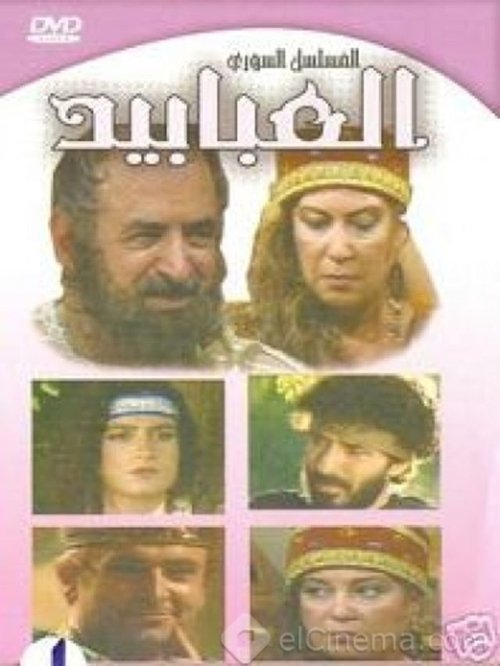
This tragic series explores numerous themes set against the backdrop of the reign of Zenobia, the “Queen of Queens,” and highlights the wealth and grandeur of the Kingdom of Palmyra, its trade, and the kingdom’s significance during Zenobia’s reign. It also explores social classes—including the nobility, the Ashraf, the priests, and the laborers—and highlights some of the customs that prevailed regarding women from the Ashraf family, as well as the traditions, norms, and marriage practices of that era.
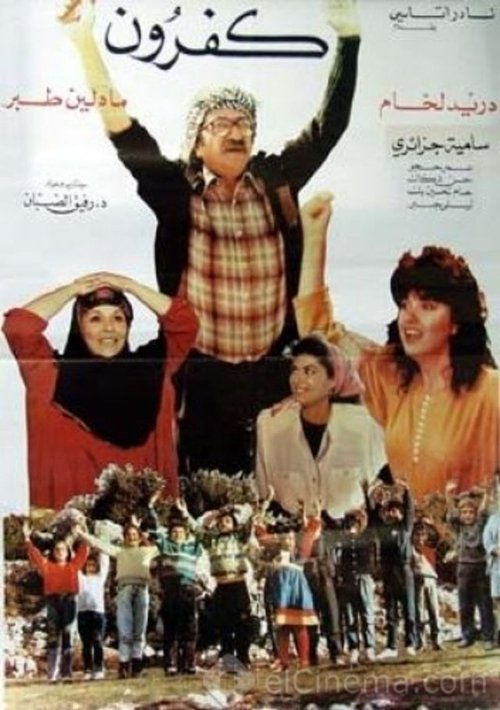
In a mountain village called Kfaroun, Wadud works as a janitor in the school, where he has loving relationships with the young students. But his mother Sukhur demands that he avenge his father's killer and objects him marrying his fiancée. While Noor, the spoiled city girl is the new school teacher.
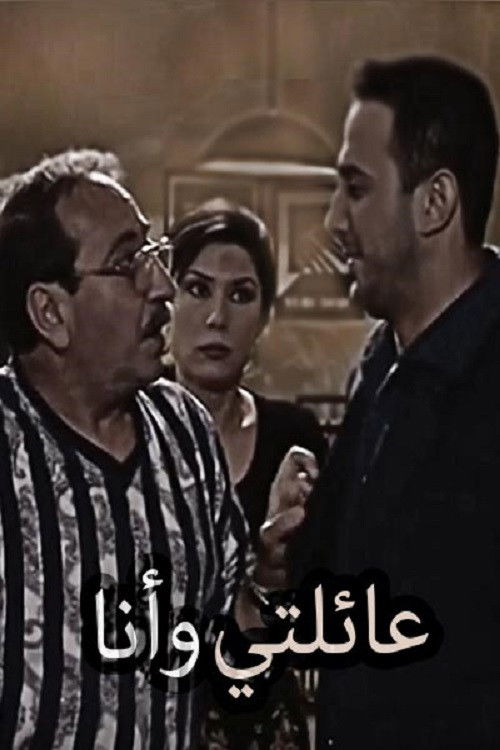
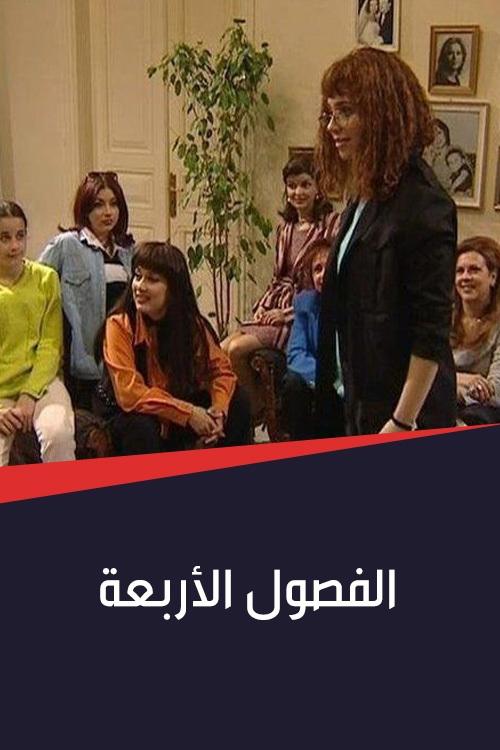
Damascus in the late 1990s. Kareem and Nabila are raising five very different daughters — each with her own personality, ambitions and complications — alongside a scene-stealing aunt Jamila. Every episode centres on a family issue that brings everyone together to argue, laugh and muddle through. Warm, witty and deeply rooted in Syrian daily life, it remains one of the most beloved family comedies in Syrian television history. Stars Jamal Suleiman and Khaled Taja.
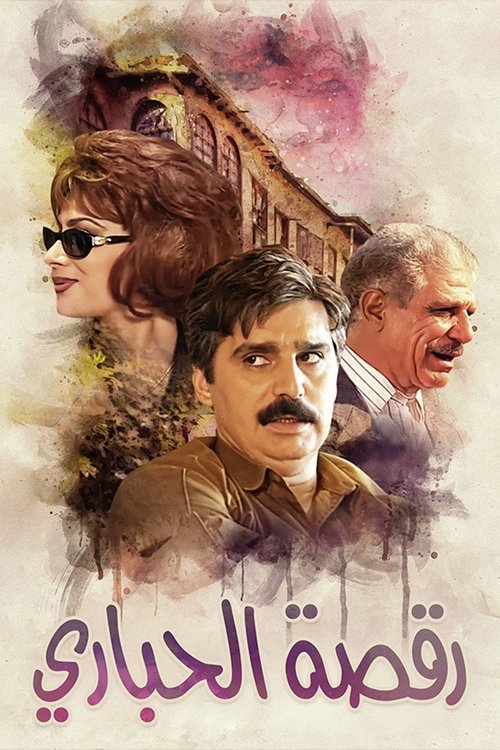
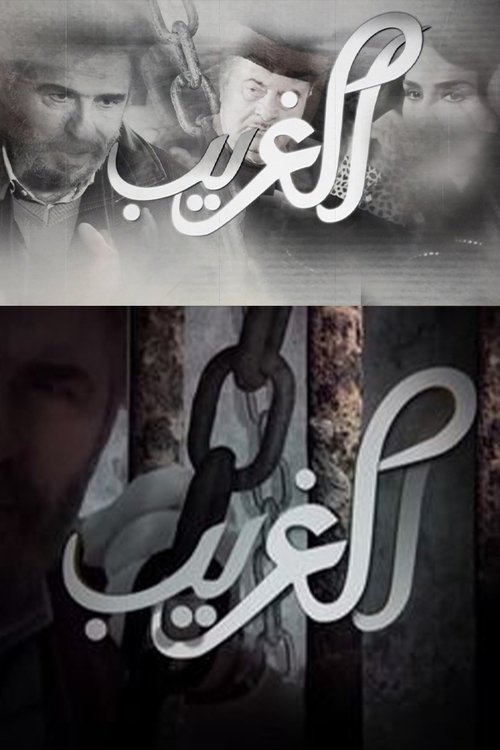
When a hardworking employee is wrongfully accused of breaking regulations, corruption within the system sends an innocent man to jail. Stripped of his dignity and freedom, he emerges from prison with one goal: revenge. A gripping Syrian drama that pulls back the curtain on institutional corruption and the lengths one man will go to reclaim his justice.
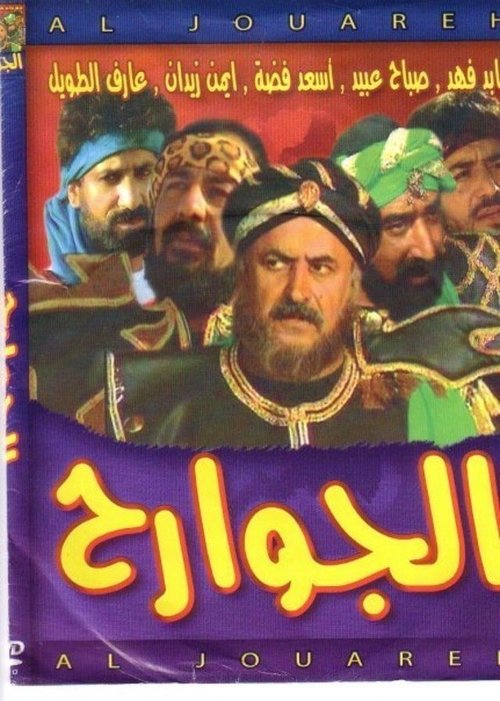
This series tells the story of the sheikh of an Arab tribe named Ibn al-Wahaj, who is one of the noblest and most honorable Arabs, and has three sons called al-Bashiq and Osama and the youngest Aqab. There was in the tribe of Ibn al-Wahhaj there is a man who hated him and his sons, so he submitted to the sage of the tribe and the author of the narrations in it (Ibn al-Rumiyya), and he asked him to test the ability of the sons of Ibn al-Wahhaj to live outside their father's tribe, so the idea entered his head and he decided to send his three sons to unknown destinations, and said to them: I want you to be the raptors that live in a land that is not its land. So they set off, and Osama went to the north, Al-Bashiq to the south, and Aqab went to the east
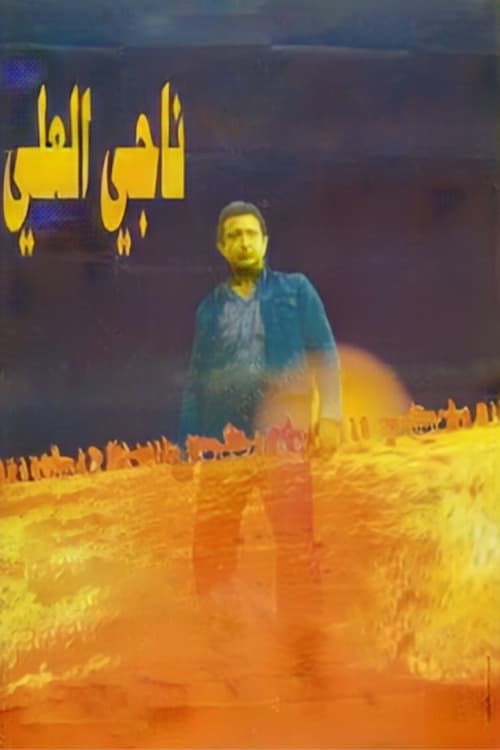
After the assassination of the Palestinian artist Naji Al-Ali in London in 1987, the film flashes back to the stops that he went through in his life, starting from his displacement with his family to Lebanon, to his work in Kuwait, to his return to Lebanon during the Lebanese civil war.