Directing
The spectrum of topics ranges from political history with a focus on contemporary history (especially National Socialism and post-war history) to cultural history and social history. In addition, ZDF-History also regularly deals with pre-modern history, art and cultural history.
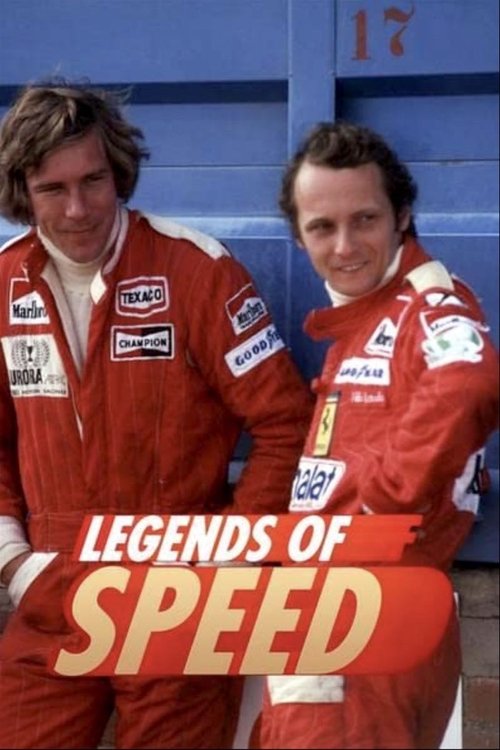
With personal interviews, Legends of Speed not only describes dramatic happenings on the race tracks, but also puts a spotlight on the fears, and the courage of the drivers and their relatives. All of them deal differently with the extreme sport of "Formula One" racing, but they all have one thing in common and that is the will to win.
On November 25, 1973, the first of four car-free Sundays transformed West Germany's deserted highways into spaces for walking, cycling, and horse-drawn carriages, while towns and cities took on a festive atmosphere. Introduced during the oil crisis to conserve fuel after the Arab oil embargo and production cuts following the Yom Kippur War, the measure became an unforgettable collective experience. Beyond the immediate energy shortage, the crisis marked a turning point, ending the postwar economic boom and encouraging greater awareness of energy use, consumerism, and environmental issues.
In 1921, in the Danish town of Egtved, on the Jutland peninsula, was discovered one of the most important Bronze Age burial sites: the tomb of a girl who lived around 1370 BCE. Who was that girl and what was her daily life like?
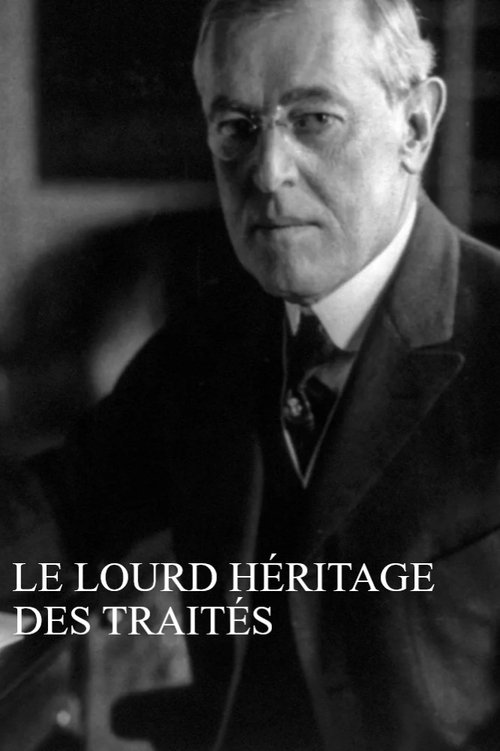
After the end of the First World War, another place besides Versailles stood for the reorganization of the world: not far from the Paris Palace lies the city of Sèvres. It was there that the victorious powers of France, Great Britain and the USA sealed the fate of an empire: the Ottoman Empire was to be broken up forever. The consequences of the Treaty of Sèvres can still be felt today in the form of terror.
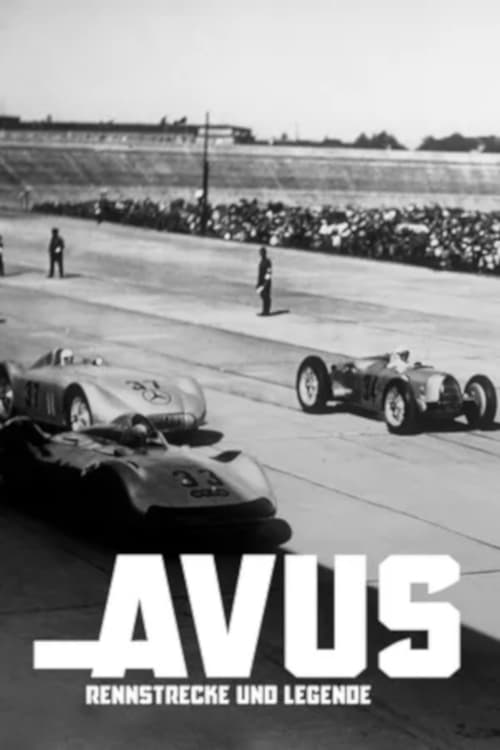
In autumn of 1921, the AVUS, the ‘Automobil-Verkehrs- und Übungsstraße’ (The automobile traffic and training road), was inaugurated in the southwest of Berlin with a car race. The two long straights, each ten kilometres long, were connected by two turns: It was a high-speed track which was meant to expedite the development of the automobile in Germany. The Documentary explores the moving story of the first cars-only road in the world.
No description available.