Production
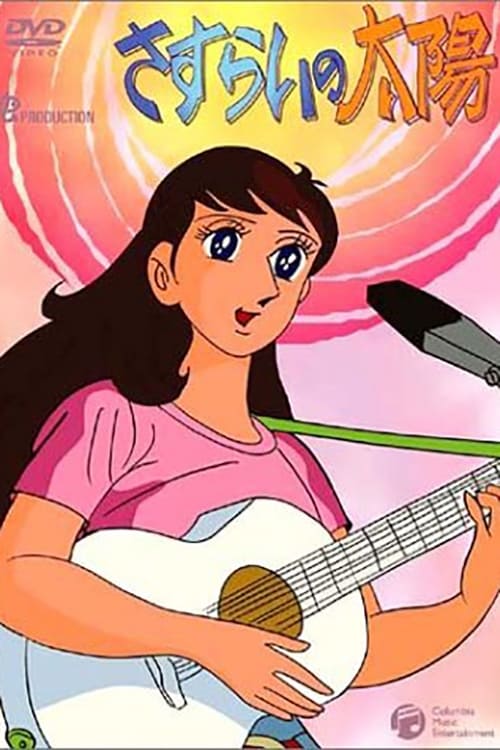
Two baby girls were born in the same hospital: one of them is the daughter of an aristocratic family while the other belongs to a deprived household which lives in the slums of the city. However, the nurse-in-charge, Michiko, secretly switches the two babies due to a personal grudge, resulting in a change of fates of the girls from then on. Many years later, the lives of the two girls continue to be intertwined with each other, with the rich Miki ill-treating the poor Nozomi, yet both of them hold similar dreams to become a singer.
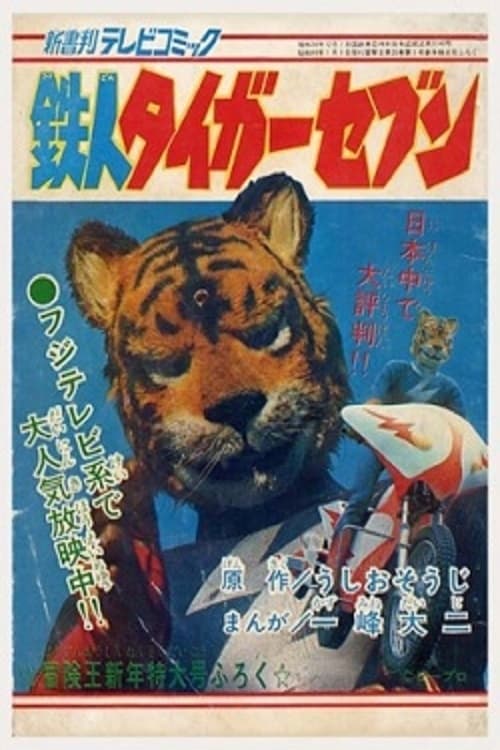
Tetsujin Tiger Seven, translated as Iron Man Tiger 7, was a Japanese tokusatsu television series that aired in 1973, produced by P Productions. Unlike P. Productions previous series about cat based heroes Iron Man Tiger 7 is set in modern Japan. Takigawa Go gets the power to transform into Tetsujin Tiger Seven from an artificial heart and a magic pendent. To transform he utters the henshin phrase "Tiger Spark". Takigawa Go is played by Tatsuya Nanjô who also starred in Toei's Henshin Ninja Arashi. Go rides a Suzuki motorcycle with rocket boosters. When he transforms into Tiger Seven the motorcycle transforms as well to become "Spike Go". Spike Go can drive itself, coming to its master's aid when Tiger 7 roars. Tetsujin Tiger 7 was apparently P. Production's attempt at a Kamen Rider style series. They even hired Shunsuke Kikuchi composer of the 1970s Kamen Rider music to write the music for Tetsujin Tiger 7.
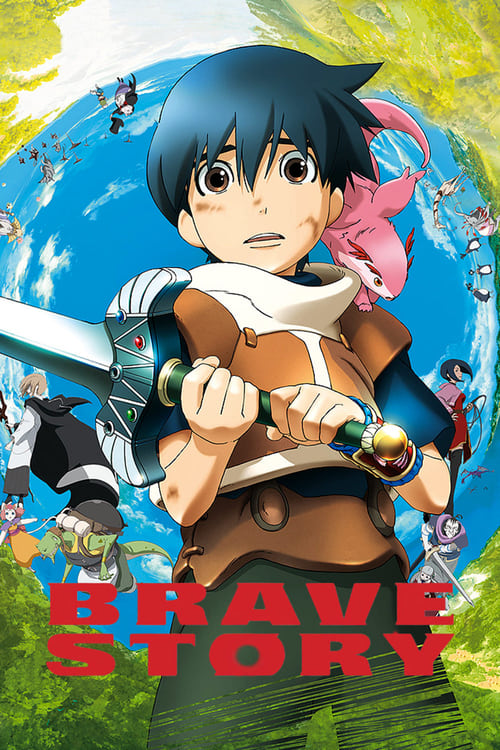
Jr. High School Student Wataru and his friends like playing in an abandond building and looking for ghosts. However it seems he is not the only one. Another mysterious student Mitsuru shows Wataru that there is a magical door to another world where one can go and get the Goddess of Fortune to grant one wish! When tragedy strikes Wataru's family he decides to open the door for himself.
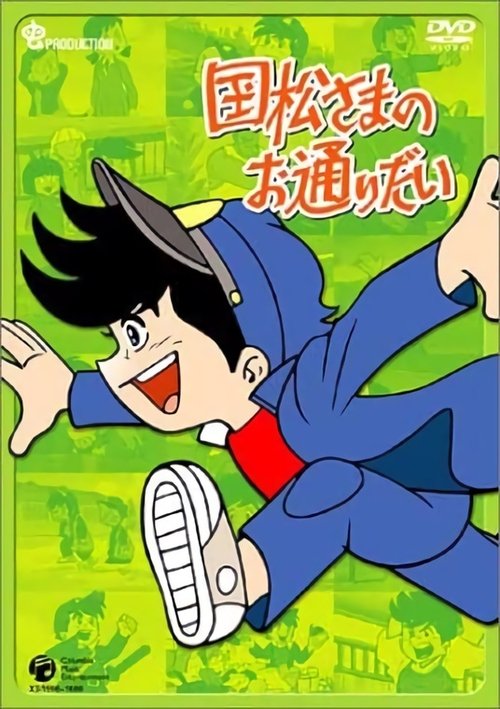
A comedy about a group of kids forming a school baseball team, with the leader being very stubborn and argumentative.