London Philharmonic Orchestra
Acting
Biography
The London Philharmonic Orchestra (LPO) is one of five permanent symphony orchestras based in London. It was founded by the conductors Sir Thomas Beecham and Malcolm Sargent in 1932 as a rival to the existing London Symphony Orchestra and BBC Symphony Orchestra. The founders' ambition was to build an orchestra the equal of any European or American rival. Between 1932 and the Second World War the LPO was widely judged to have succeeded in this regard. After the outbreak of war, the orchestra's private backers withdrew and the players reconstituted the LPO as a self-governing cooperative. In the post-war years, the orchestra faced challenges from two new rivals; the Philharmonia and the Royal Philharmonic, founded respectively in 1946 and 1947, achieved a quality of playing not matched by the older orchestras, including the LPO. By the 1960s the LPO had regained its earlier standards, and in 1964 it secured a valuable engagement to play in the Glyndebourne Festival opera house during the summer months. In 1993 it was appointed resident orchestra of the Royal Festival Hall on the south bank of the Thames, one of London's major concert venues. Since 1995 the residency has been jointly held with the Philharmonia. In addition to its work at the Festival Hall and Glyndebourne, the LPO performs regularly at the Congress Theatre, Eastbourne and the Brighton Dome, and tours nationally and internationally. Since Beecham, the orchestra has had ten principal conductors, including Sir Adrian Boult, Bernard Haitink, Sir Georg Solti, Klaus Tennstedt and Vladimir Jurowski. The orchestra has been active in recording studios since its earliest days, and has played on hundreds of sets made by EMI, Decca and other companies. Since 2005 the LPO has had its own record label, issuing live recordings of concerts. The orchestra has played on numerous film soundtracks, including Lawrence of Arabia (1962) and the Lord of the Rings trilogy (2001–03).
Known For
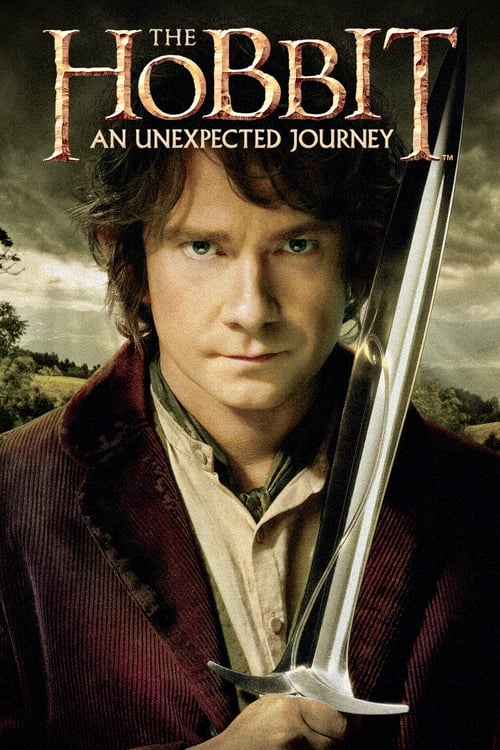
Bilbo Baggins, a hobbit enjoying his quiet life, is swept into an epic quest by Gandalf the Grey and thirteen dwarves who seek to reclaim their mountain home from Smaug, the dragon.
The Hobbit: An Unexpected Journey
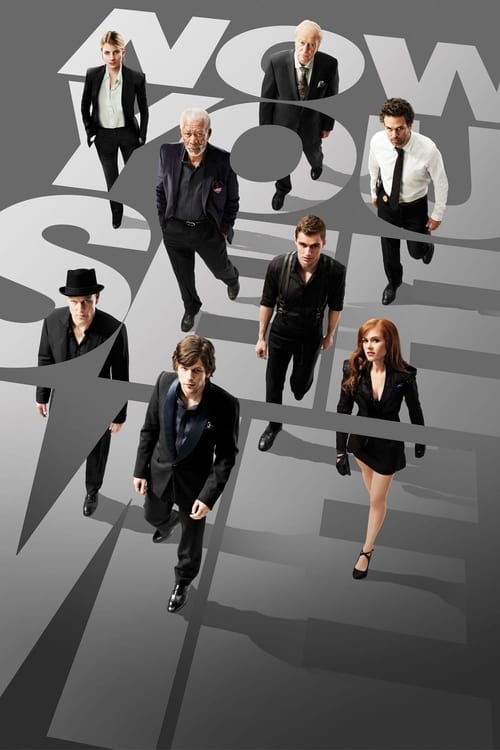
An FBI agent and an Interpol detective track a team of illusionists who pull off bank heists during their performances and reward their audiences with the money.
Now You See Me
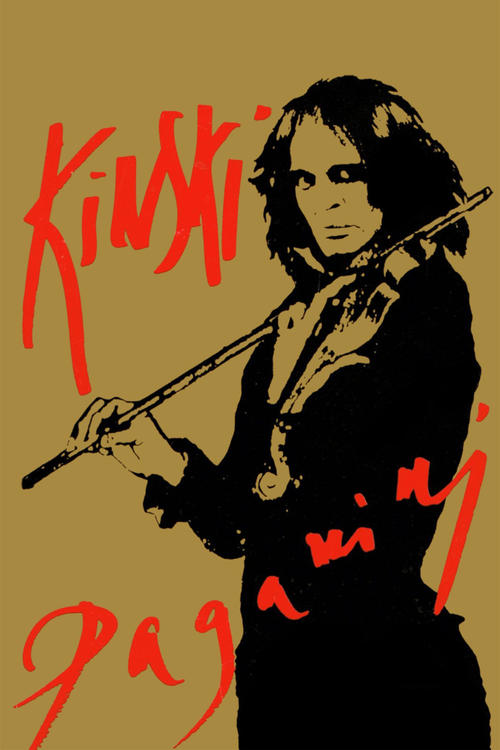
Legendary "devil violinist" Niccolo Paganini sets all of 19th century Europe into frenzy.
Paganini
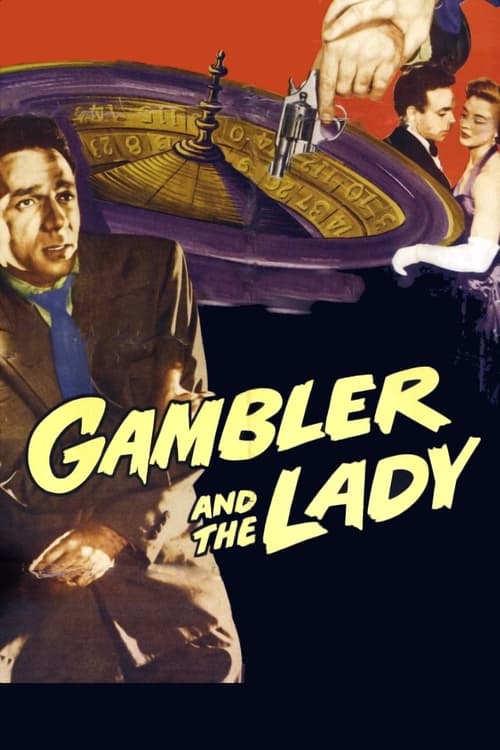
A greedy but successful professional gambler wants to join the British Establishment when he falls in love with a blue-blooded lady. But first he must mend his ways and then dump his nightclub singer girl friend. She's not so easy to get rid of, neither is his past.
The Gambler and the Lady
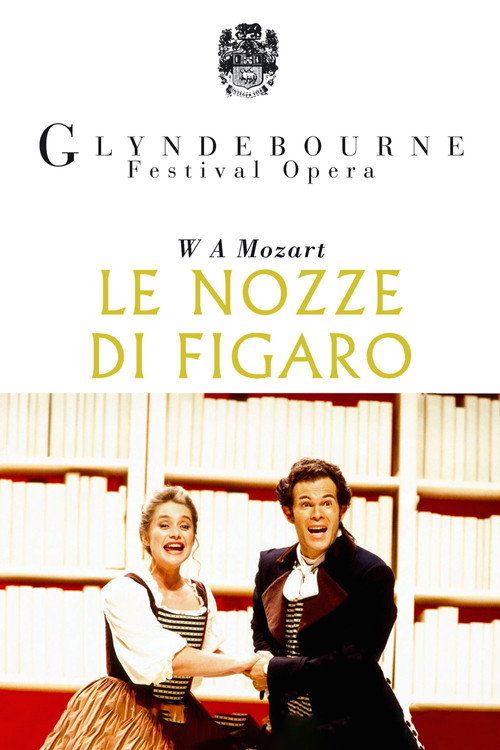
Live from Glyndebourne 1994. The first production to be filmed Live in Glyndebourne´s new opera house May 1994. The Marriage of Figaro is a continuation of the plot of The Barber of Seville several years later, and recounts a single “day of madness” in the palace of the Count Almaviva near Seville, Spain. Rosina is now the Countess; Dr. Bartolo is seeking revenge against Figaro for thwarting his plans to marry Rosina himself; and Count Almaviva has degenerated from the romantic youth of Barber into a scheming, bullying, skirt-chasing baritone. This follows the Count trying to obtain favours from Susanna, Figaro’s bride to be, under the nose of the Countess.
The Marriage of Figaro
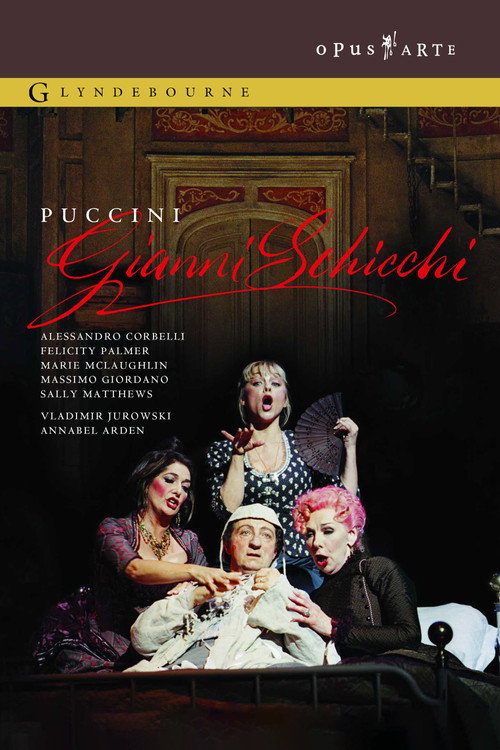
In the mid-20th century, in Fucecchio, near Florence, Buoso Donati, an elderly collector and wealthy antique dealer, has just passed away. He lies in his bed, surrounded by relatives feigning grief. They are all worried, as the deceased has bequeathed his entire fortune to a monastery. They search frantically for the will. The young Riniccio, Donati’s nephew, finds it but agrees to show it to the family only if they promise to let him marry Lauretta, the daughter of Gianni Schicchi, a local figure of dubious reputation. Everyone accepts the condition and discovers to their horror that the rumour was true: the monks are set to inherit the fortune. Riniccio suggests calling on Schicchi for help, much to the family’s disgust. Summoned, Riniccio arrives at the house accompanied by his daughter. He proposes keeping the death a secret, taking his place, and instructing a doctor and a notary to alter ‘his’ testamentary dispositions. But has the hunter become the hunted? Not so sure...
Giacomo Puccini: Gianni Schicchi

A young woman, married to a wealthy man, but miserably lonely; trapped within a world ruled with an iron fist. Katerina is driven by a lust for life and for love. Her husband, though, is impotent; her father-in-law a tyrant. No wonder, then, that she longs to free herself from this yoke. When Sergei starts work on the family estate, she sees in him a chance for salvation. However, their subsequent affair marks the beginning of a descent into crime.
Lady Macbeth of Mtsensk

These recordings, filmed in March and April 1974 for the BBC, occurred at the tail end of the old performance era and the very start of the new. Vladimir Ashkenazy was a graduate of the same Soviet school of piano playing that produced Sviatoslav Richter, Emil Gilels, Lazar Berman and a host of others of that era. There are simularities that unite them, including a broad romanticism, a degree of Lisztian showmanship coupled with periods of introspection, powerful technique that occasionally borders on pounding and an intellectual streak that produces some deeply insightful playing. Ashkenazy was younger than the others, more modern in his playing.
Beethoven Piano Concertos 1-5

In “a Wagner staging to treasure” (The Sunday Telegraph), the 2011 Glyndebourne Festival brings to life the legendary German composer’s Die Meistersinger von Nürnberg. Staged by David McVicar, the production features an all-star cast of leads supported by the London Philharmonic Orchestra under the direction of Vladimir Jurowski.
Wagner: Die Meistersinger von Nürnberg
The cynical young Onegin rejects Tatyana, a dreamy, bookish country girl. But Onegin lives to regret it when, years later, he re-encounters Tatyana, now a beautiful, worldly woman who has married into wealthy society. Tchaikovsky clothed this tale in the Romantic theatrical, domestic, and ballroom music of the story’s milieu, in and around St. Petersburg circa 1820. Graham Vick’s staging.
Eugene Onegin

The devil is hard at work in Stravinsky’s The Rake’s Progress! The three-act opera was premiered at Venice’s La Fenice in 1951 and is whimsically staged and performed in this production from the 2010 Glyndebourne opera festival.
The Rake's Progress
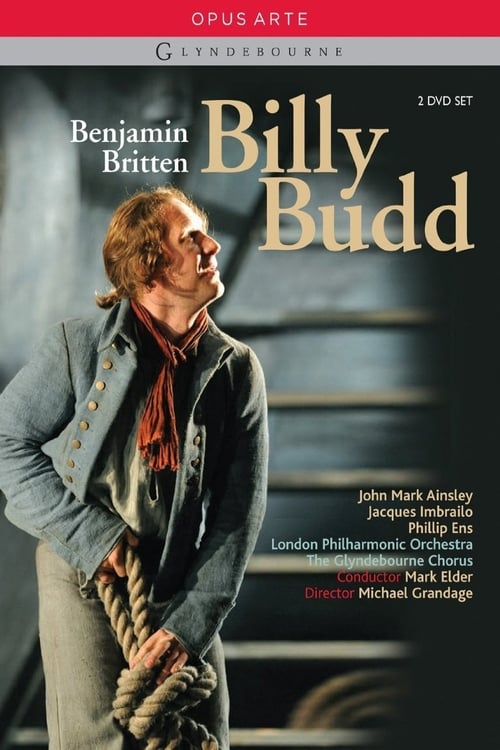
Captain Vere, an old man, is haunted by a moment in his life when he was tested and found wanting. Based on Herman Melville's novella of naval life in the late 18th Century, Benjamin Britten's 'Billy Budd' is a gripping reflection on good and evil, innocence and corruption.
Britten: Billy Budd
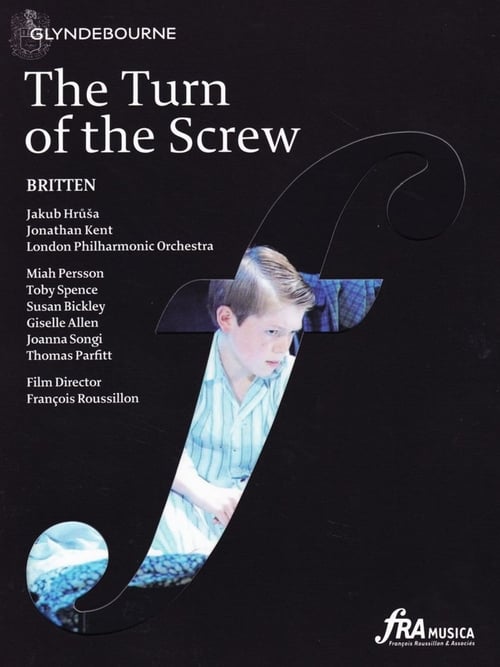
A remote English country house, and old and faithful housekeeper, two young orphan children and an eager new governess sent down from London to look after them. But all is not quite as it seems in the sheltered world of Bly. Britten's brilliantly scored, insidiously compelling adaptation of Henry James's novella takes its themes of of childish innocence and adult corruption, then twists and turns them to disturbing and ultimately devastating effect.
The Turn of the Screw
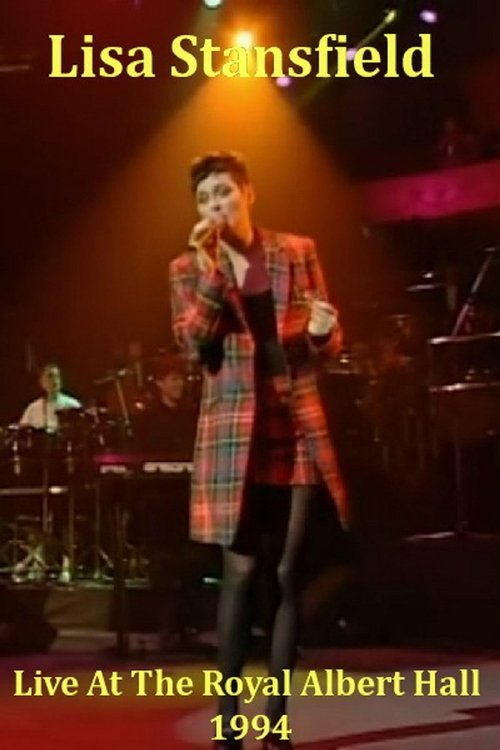
Video version of Lisa Stansfield's performance with the London Philharmonic Orchestra, held in the fall of 1994 at The Royal Albert Hall as part of a charity concert in support of The Nordoff-Robbins Music Therapy Center As a bonus - some hits from the TV show Top Of The Pops.
Lisa Stansfield - Live At The Royal Albert Hall
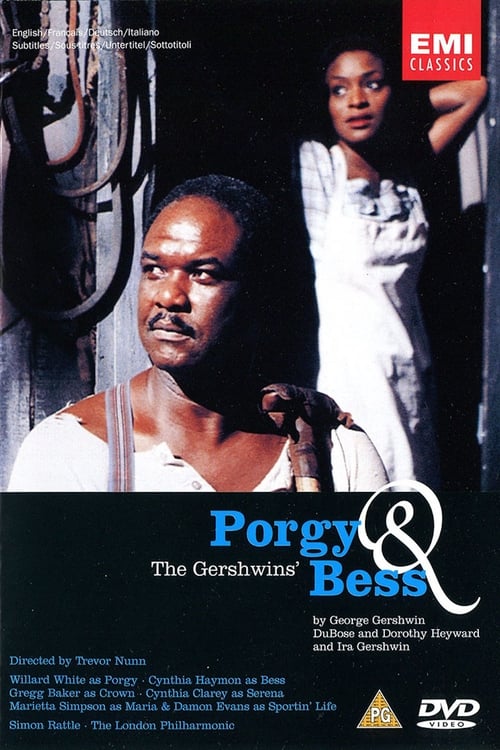
The story of a disabled beggar in Charleston,S.C. who falls in love with a prostitute, this is the first filmed version of Gershwin's opera which uses Gershwin's own orchestrations and practically all of the music, with only one major cut.
Porgy and Bess
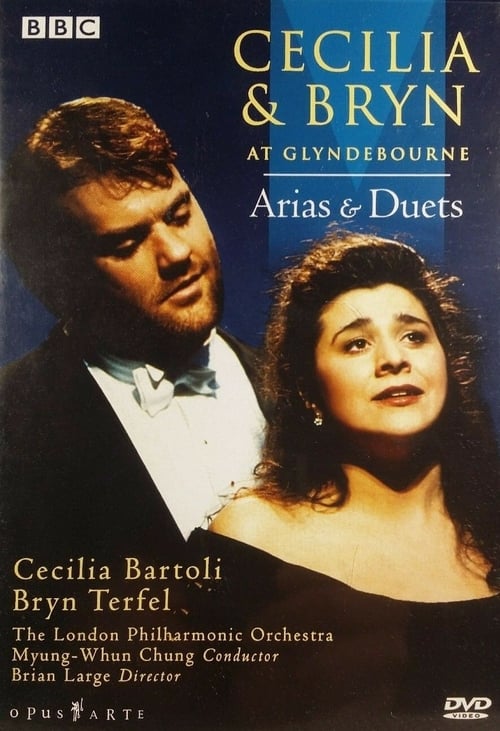
The celebrated mezzo-soprano Cecilia Bartoli joins Bryn Terfel for a recital of arias and duets recorded at Glyndebourne Opera House in 1999. The programme features favourite pieces from Mozart, Rossini and Donizetti, with the London Philharmonic Orchestra conducted by Myung-Whun Chung.
Cecilia & Bryn at Glyndebourne
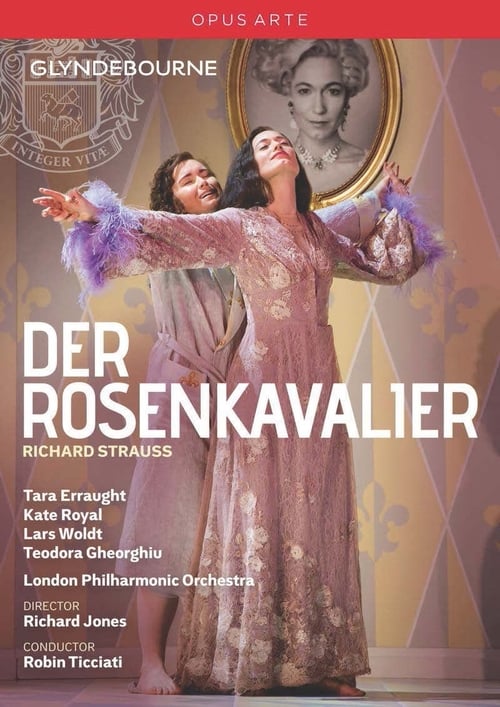
Comic romance with a philosophical twist? This popular opera combines it all to tell the story of a revoltingly greedy man who tries to get his hands on a young woman's fortune.
Der Rosenkavalier
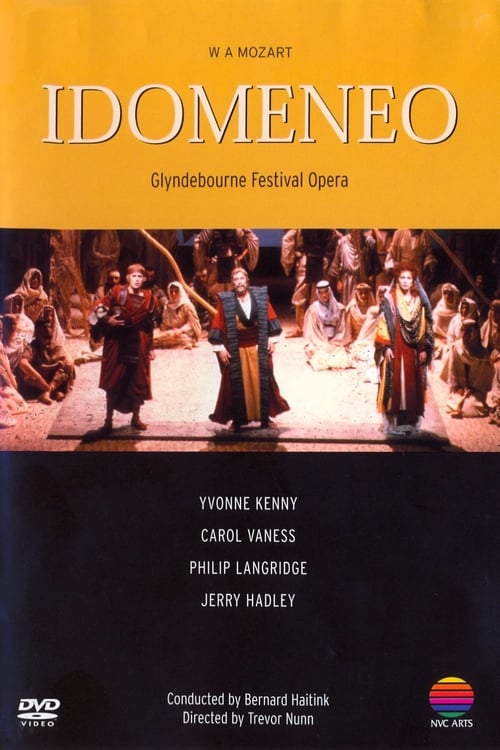
Recorded live at The Glyndebourne Festival Opera. Idomeneo, King of Crete, has been away from home during the long years of the Trojan War. Idamante, his son and now regent of the island, waits for his return, heralded by the arrival in Crete of Trojan prisoners. One of these prisoners is Ilia, daugher of the murdered King Priam of Troy. Idamante has fallen in love with Ilia, but is loved by Electra, daughter of the Greek King Agamemmnon, who has taken refuge in Crete. This production marked the operatic debut of Trevor Nunn. It has been much-acclaimed for its dramatic effect, blending Minoan Crete with the ritualistic delicacy of Japanese theatre. This dynamic stylisation is appropriately reclected in John Napier's considered and elegant designs. Bernhard Haitink conducts the London Philharmonic in a forceful account of the music.
Mozart - Idomeneo
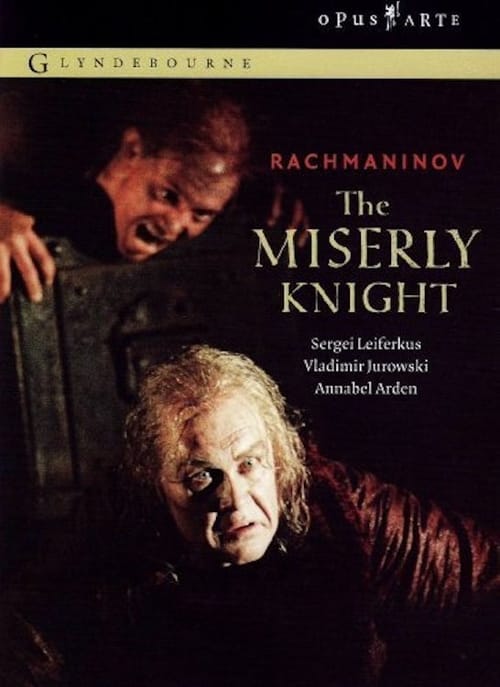
An impoverished knight is at odds with his rich but miserly father
The Miserly Knight
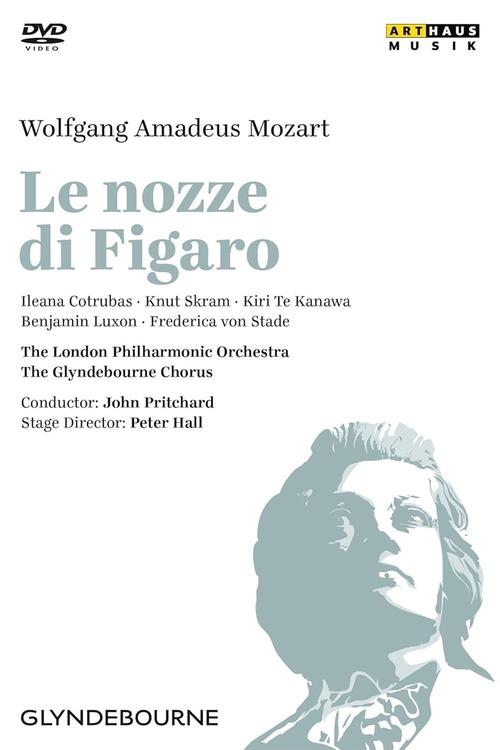
Live performance of Mozart's opera buffa "Le nozze di Figaro" from the Glyndebourne Festival Opera in 1973, featuring Knut Skram, Ileana Cotrubas, Benjamin Luxon, Kiri Te Kanawa, and Frederica von Stade.