Directing
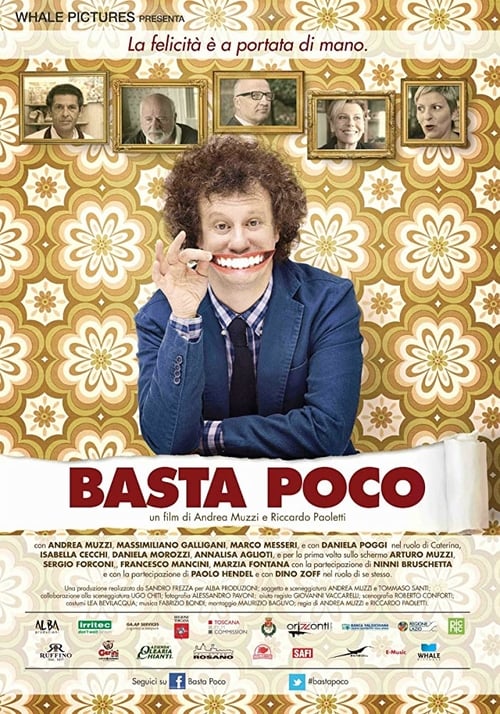
Sergio, a forty-year-old with no steady job, has a brilliant idea and decides to open an agency that sells happiness and fights depression. With his friend Fulvio, he founds "Happy & Content" with the goal of fulfilling people's wishes and bizarre requests. While the business seems to be taking off, something unexpected disrupts business, generating a series of unexpected events that demonstrate how achieving happiness often comes from a small illusion.
No description available.
Gian Piero Brunetta concisely outlines the principles and evolution of Italian Neorealist cinema.
Actors Franco Interlenghi and Rinaldo Smordoni (who played Pasquale and Giuseppe respectively) recall how they landed the roles in the film Shoeshine and their experiences as young actors in post-war Rome.
Alberto Bevilacqua talk about La Califfa.
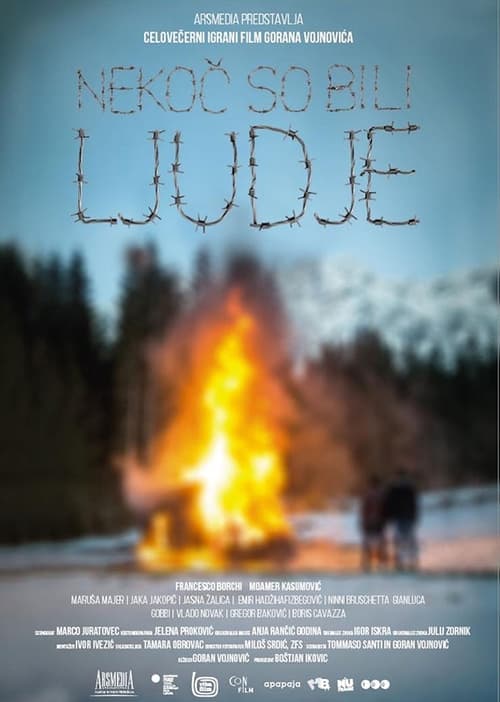
Leo is an Italian who lives in Slovenia. Vučko is a Bosnian who arrived to Slovenia as a child refugee. Leo continues to stay in Slovenia because of his ex-wife Tanja and his son Luka, hoping that they can become a family again. When the bank refuses to grant a loan Leo and Vučko would need to renovate their restaurant, they have no choice but to accept an offer from Gianni, a swindler. They are tasked with stealing Gianni’s truck so that he can collect the insurance money. However, instead of stealing Gianni’s truck, Leo and Vučko mistakenly steal a truck full of refugees. Vučko the refugee and Leo the migrant themselves thus inadvertently become responsible for destinies of people similarly unfortunate as they had once been. In order to solve their financial problems, they decide to sell the refugees. At first it seems that they are not indifferent towards these people, but with each passing day there is less and less humanity left in Leo and Vučko.
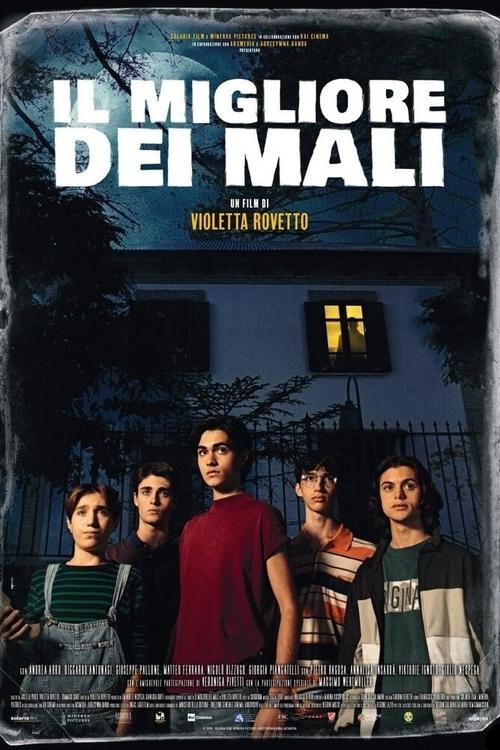
Summer 1997. Five young boys, Hector, Milo, Michelangelo, Neri, and Dante investigate the disappearance of Icarus, the dog of one of them, suspecting his sinister new neighbor. The boys will have to solve the mystery, juggle their complicated family backgrounds, and above all come to terms with their secrets.
Looks back at the Sciuscià, its success abroad, its influence on later filmmakers, its Oscar win, and the social conditions at the time of its production.